
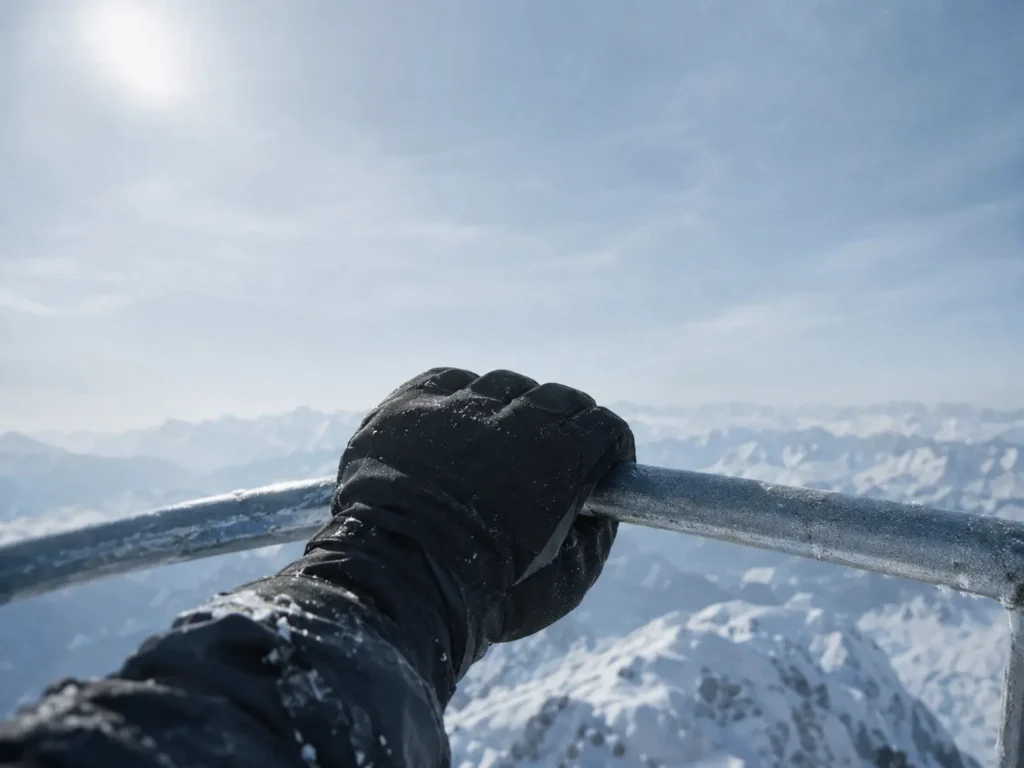
QUICK ANSWER: It’s not just that it’s colder up there. Thinner air at altitude reduces the oxygen available to your blood, and your body responds by constricting blood flow to your hands earlier and more aggressively than it would at sea level — a documented physiological response, not a gear failure. Research on hypoxia and cold exposure has found that this same effect also impairs your hands’ ability to rewarm themselves once they start going numb. That combination — earlier vasoconstriction plus slower recovery — is why identical gloves can feel completely different at the summit than they did at the base.
And if you’re not sure your current glove system is even matched to your typical elevation range, the Ski Glove Finder accounts for that directly instead of assuming one glove fits every part of the mountain.
- Why This Isn't the Same Question as "Why Are My Hands Cold"
- The Physiology Nobody Explains Clearly
- Why Rewarming Is Harder, Not Just Getting Cold Is Easier
- The Temperature Drop Is Real Too, Just Not the Whole Story
- Where Acclimatization Fits In
- What Skiers Actually Notice, and Why It Matches the Physiology
- Practical Adjustments That Actually Address This
- Common Mistakes Skiers Make at Altitude Specifically
- Decision Checklist
- When This Becomes a Real Safety Issue
- Frequently Asked Questions
- Final Thoughts
Why This Isn’t the Same Question as “Why Are My Hands Cold”
Cold hands from wind, moisture, or just low temperature are real problems, and they’re covered elsewhere — why hands stay cold even in good gloves and how wind chill affects your hands while skiing both go deep on those specific mechanisms.
This is a narrower, more specific question: why do the exact same gloves, on the exact same day, feel fine at the base and fail near the summit. That’s not wind or moisture doing something new — it’s altitude itself changing how your body manages blood flow to your hands, independent of temperature.
The Physiology Nobody Explains Clearly
As elevation increases, air pressure drops, and there’s less oxygen available per breath. Your body responds to that reduced oxygen availability — a state called hypoxia — by making a real-time tradeoff about where blood flow matters most.
Core organs and the brain get priority. Extremities, including hands, get deprioritized faster and more aggressively than they would in a low-oxygen-neutral cold environment at sea level.
Research on hypoxia and cold-induced vasoconstriction — from researchers at the University of Portsmouth’s Extreme Environments Laboratory — found that hypoxic conditions cause the hands to begin constricting blood vessels at a warmer skin temperature than they would without hypoxia present. In plain terms: your hands start shutting down circulation sooner at altitude than the actual temperature alone would predict.
Why Rewarming Is Harder, Not Just Getting Cold Is Easier
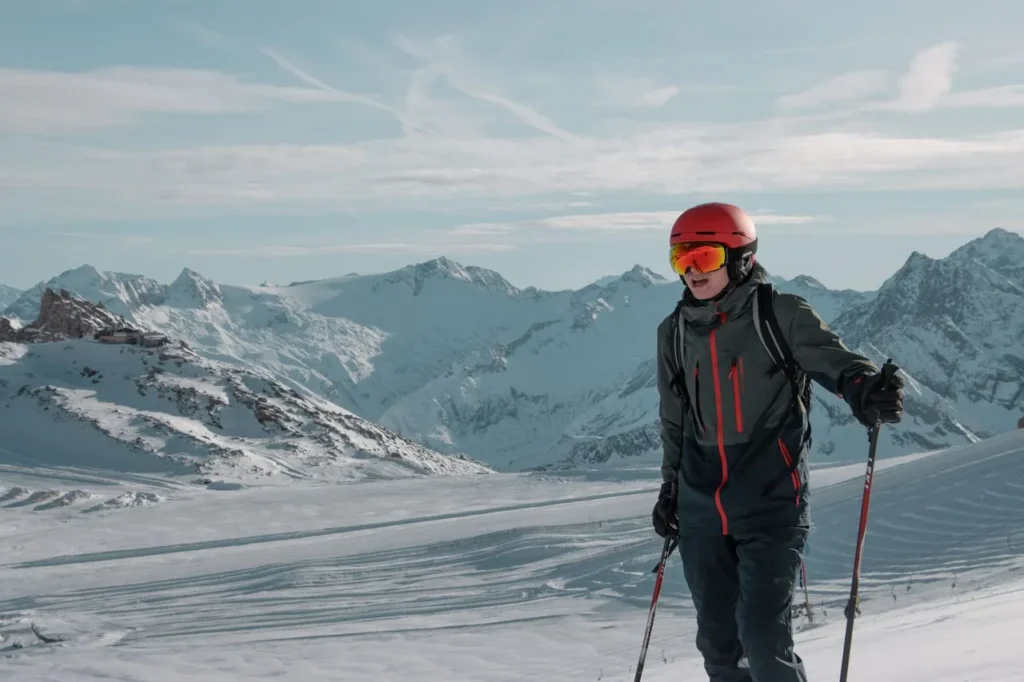
The same research found something arguably more important for skiers specifically: hypoxia doesn’t just trigger vasoconstriction earlier, it also impairs the hands’ natural rewarming response once that constriction has started.
Under normal cold exposure, your body has a built-in mechanism called cold-induced vasodilation — periodic waves of blood flow returning to the fingers to prevent full circulation shutdown, sometimes called the “hunting response.” At altitude, that rewarming response kicks in later and less effectively.
Practically, this means once your hands start going numb on a high chairlift or exposed ridge, they don’t recover as quickly as they would at the same temperature closer to sea level — even with identical gloves, identical activity level, and identical wind exposure. The altitude itself is working against your body’s own recovery mechanism, not just the environment.
Clinical research on altitude physiology confirms this pattern directly, noting that ascent to high altitude increases susceptibility to cold injury specifically due to peripheral vasoconstriction — a documented risk factor, not an assumption.
The Temperature Drop Is Real Too, Just Not the Whole Story
None of this means temperature doesn’t matter — it does, and it compounds with the vasoconstriction effect rather than replacing it.
Air temperature drops at a fairly predictable rate as elevation increases, commonly estimated around 3 to 5 degrees Fahrenheit per 1,000 feet of elevation gain, depending on humidity and atmospheric conditions. A base area at a comfortable 25°F can mean genuinely uncomfortable temperatures a few thousand vertical feet higher, well before you factor in wind.
The combination is what catches skiers off guard: it’s colder, and your body is separately, physiologically primed to send less blood to your hands than it would at that same colder temperature closer to sea level. Two compounding effects, not one.
Where Acclimatization Fits In
The hypoxia-driven vasoconstriction response isn’t fixed — it changes somewhat with acclimatization, though not quickly enough to matter for most single-day ski trips.
Research on high-altitude physiology shows that longer-term altitude exposure shifts the body’s baseline sympathetic activity and vascular response, which is part of why people who live or spend extended time at altitude often handle cold hands there better than visitors who arrived that same morning.
For a typical ski trip — arriving at altitude and skiing within a day or two — you’re operating on acute, unacclimatized physiology the entire time. That’s worth knowing specifically because it means the “toughen up, you’ll adjust” advice some skiers give doesn’t really apply on a short trip the way it might on a multi-week expedition.
What Skiers Actually Notice, and Why It Matches the Physiology
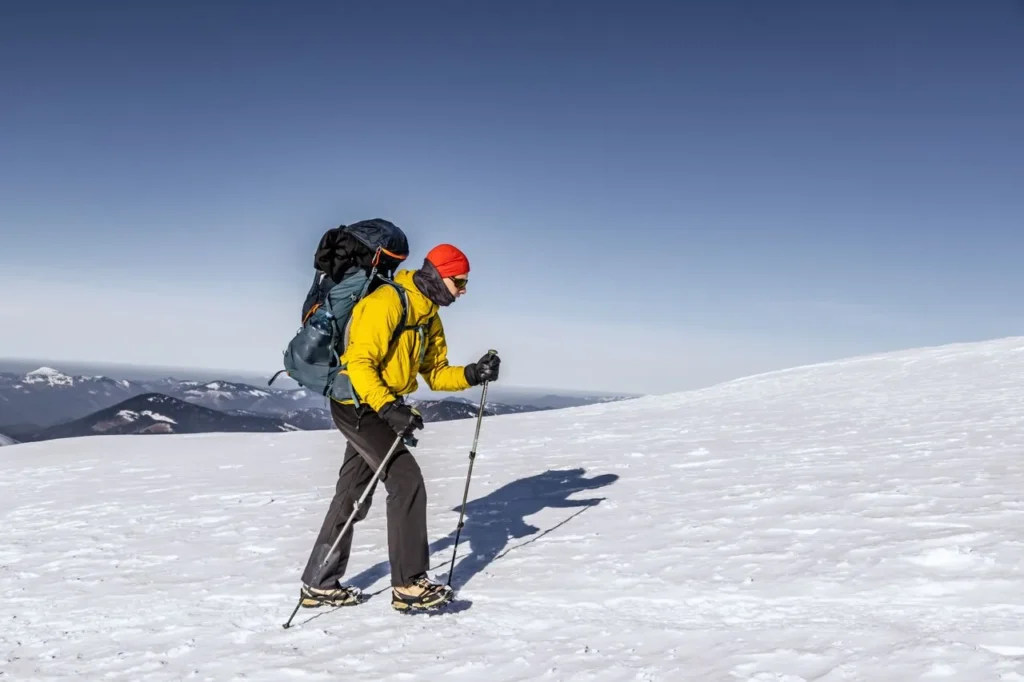
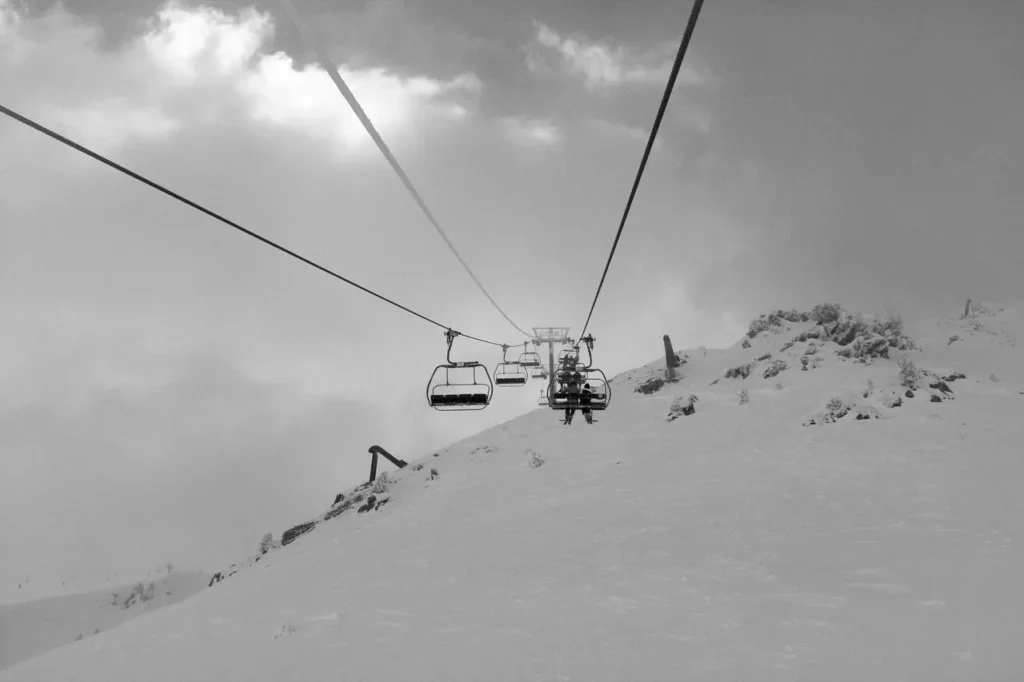
Skiers describe this pattern consistently, and it lines up closely with what the research shows: fingers going numb specifically on chairlifts rather than while actively skiing, hands warming up during a run but going cold again almost immediately once movement stops, and a noticeable difference in glove performance between mid-mountain and summit terrain on the same gloves, same day.
That pattern matches the physiology directly — active skiing generates body heat that partially offsets the vasoconstriction response, while sitting still on an exposed lift removes that offset entirely, right as altitude is already working against your circulation.
Practical Adjustments That Actually Address This
Warm your hands before altitude exposure, not after. Since the vasoconstriction response triggers at a warmer skin temperature under hypoxia, starting with genuinely warm hands before a high, exposed chairlift gives you more buffer before that response kicks in, compared to starting an already borderline cold.
Treat summit and ridge terrain as a different environment than mid-mountain, even on the same day. A glove system that’s adequate at the base may need a liner added or a mitten swap specifically for higher terrain — not because the mid-mountain glove is bad, but because the physiological demand genuinely changes with elevation.
Don’t wait for numbness to act. Because rewarming is measurably impaired at altitude, catching cold hands early — before full numbness sets in — matters more here than in a lower-elevation cold scenario where your body’s own recovery response is working normally.
Build in movement during lift rides when possible. Actively flexing fingers and hands during stationary chairlift exposure won’t eliminate the hypoxia effect, but it does help counter the loss of the active-skiing heat generation that was partially offsetting it.
Common Mistakes Skiers Make at Altitude Specifically
Assuming a glove that worked yesterday at a lower-elevation resort will perform identically at a higher one. The gear didn’t change — the physiological demand on your hands did, and that’s a real variable separate from anything printed on a glove’s spec sheet.
Blaming glove quality for a physiological response. A glove genuinely can’t fully compensate for earlier-onset vasoconstriction and impaired rewarming — insulation and waterproofing address heat retention and moisture, not blood flow regulation.
Pushing through early numbness on the assumption it will pass on its own. Given that rewarming is specifically impaired under hypoxia, “wait it out” is less reliable advice at altitude than it might be at sea level.
Over-hydrating with cold drinks right before high exposure. This is a minor factor compared to the main mechanism, but core temperature management affects how aggressively the body deprioritizes peripheral blood flow — staying warm overall, not just insulating hands, plays a real supporting role.
Decision Checklist
- Skiing a resort with 3,000+ feet of vertical between base and summit: plan for a different glove system at the top than what’s comfortable at the base
- Hands go numb specifically on lifts, not while actively skiing: this matches the documented pattern — the fix is addressing stationary exposure specifically, not just buying warmer gloves
- Arrived at altitude within the last day or two: you’re on unacclimatized physiology for the whole trip — don’t expect the “you’ll adjust” effect to help on a short visit
- Numbness isn’t resolving as quickly as it used to at lower-elevation resorts: consistent with impaired altitude rewarming, not necessarily a sign your gloves have failed
- Skiing above roughly 8,000-10,000 feet regularly: the vasoconstriction effect becomes more physiologically significant at these elevations — worth taking the earlier-onset numbness seriously rather than normalizing it
When This Becomes a Real Safety Issue
Numbness that doesn’t improve with warming, movement, or getting out of wind is a genuine warning sign, not just discomfort — signs of frostbite include hard, white, or waxy-looking skin and a complete loss of sensation, and those require immediate action, not waiting to see if it passes.
Given that altitude specifically impairs your body’s own rewarming mechanism, a “toughing it out” approach carries more real risk here than the same symptoms would at a lower-elevation resort, since your physiology is working against recovery rather than neutral to it.
Frequently Asked Questions
Is it really altitude causing this, or is it just colder up there?
Both, and they’re separate effects that compound. Temperature genuinely drops with elevation, but research specifically shows hypoxia triggers earlier vasoconstriction and impairs rewarming independent of temperature — meaning even accounting for the colder air, altitude adds its own physiological effect on top.
Does this happen at every ski resort, or only very high-elevation ones?
The effect scales with elevation and existing research on this is strongest at altitudes above roughly 2,800 meters (about 9,200 feet), though many skiers report noticing differences at somewhat lower elevations too, particularly with large base-to-summit elevation gain in a single day.
Can better gloves fully solve this problem?
Not entirely. Insulation and wind protection address heat retention, which matters, but they don’t change the underlying vasoconstriction response your body is having to reduce oxygen. Managing exposure time and catching early numbness matters alongside gear, not instead of it.
Does acclimatization actually help with cold hands at altitude?
Yes, but over a longer timeframe than most ski trips allow — meaningful physiological adaptation happens over days to weeks, not a single day or weekend, so most visiting skiers are dealing with unacclimatized physiology for the entire trip.
Why do my hands warm up fine on a lower chairlift but not a higher one at the same resort?
This matches the documented pattern closely — the vasoconstriction and impaired-rewarming effects scale with elevation and oxygen availability, so a meaningful elevation difference within the same resort can produce a genuinely different physiological response even in otherwise similar cold and wind conditions.
Final Thoughts
The gap between how your gloves feel at the base and how they feel near the summit isn’t your imagination, and it isn’t necessarily a gear problem — it’s a documented physiological response to reduced oxygen that makes your hands constrict blood flow sooner and recover from cold more slowly than they would at the same temperature closer to sea level.
Understanding that changes what’s actually worth doing about it: treating higher terrain as a genuinely different environment, catching numbness early rather than waiting it out, and not blaming a glove for a response your circulatory system is having on its own. If moisture or wind chill are compounding the problem alongside altitude, stop moisture from ruining your gloves and the wind chill guide linked earlier both address those separately.

Pingback: Why High Altitude is the Ultimate Test for Your Gloves – Ski Gloves USA