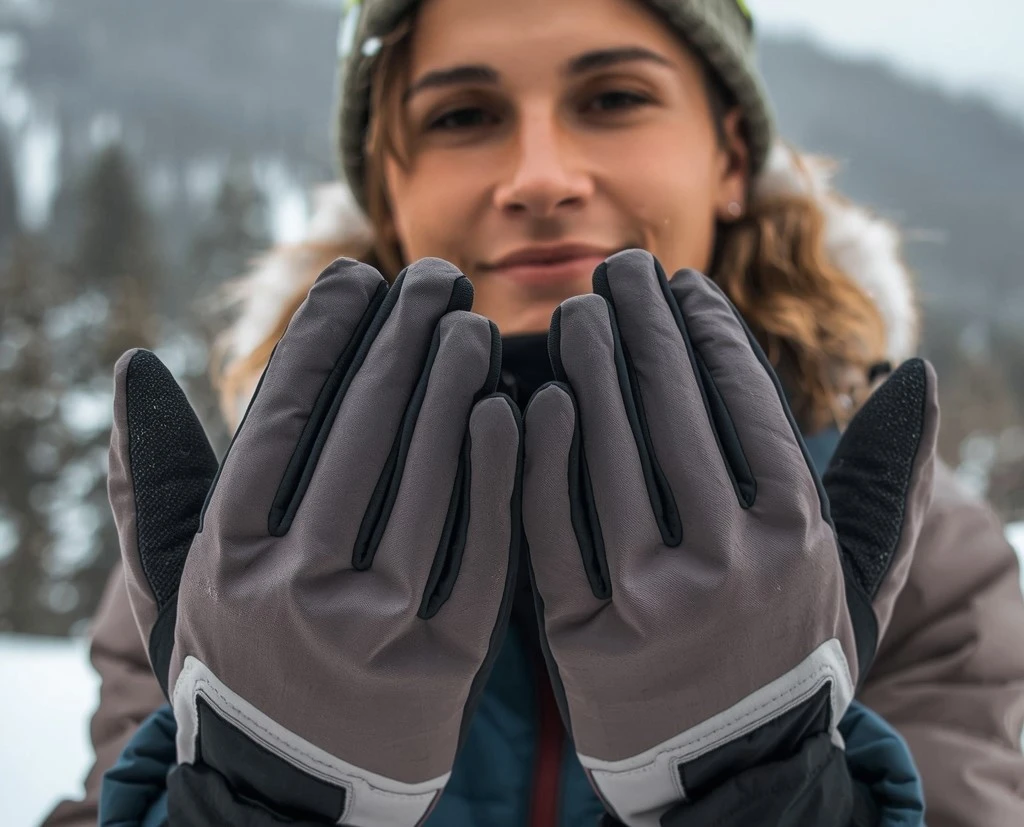
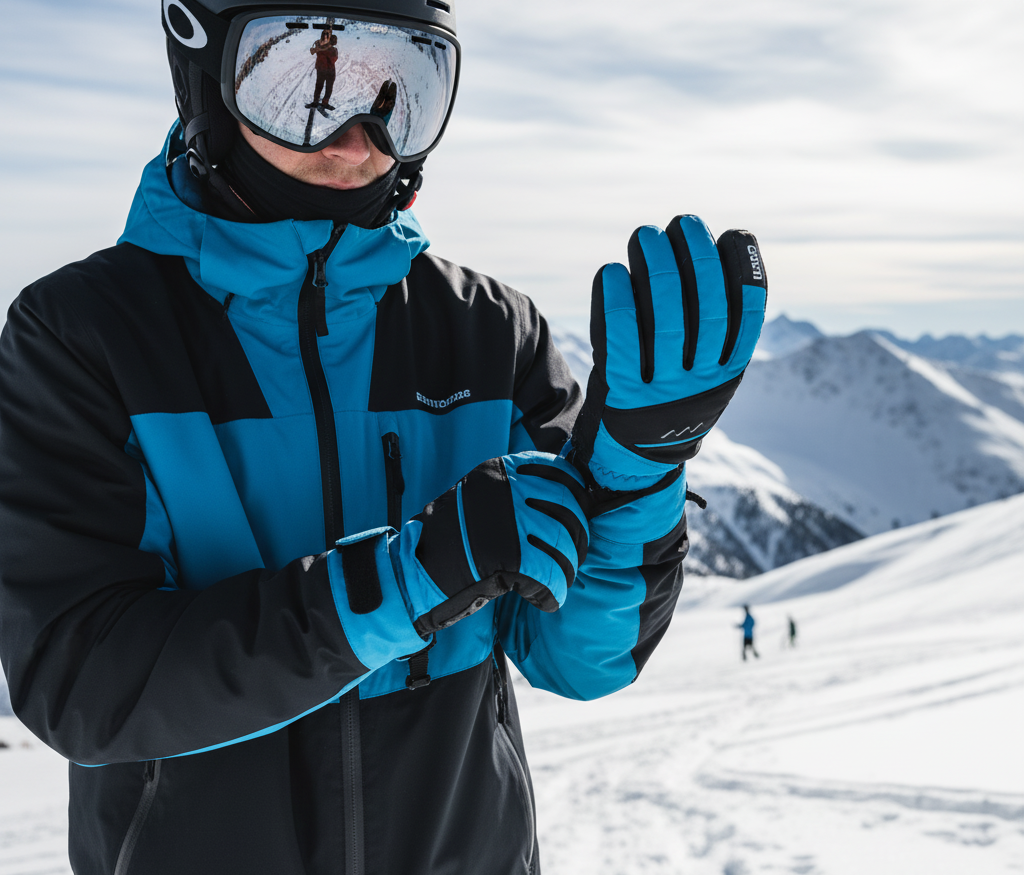
Boost ski glove performance starts with understanding one simple truth: ski gloves don’t perform the same in every weather condition. Ski glove performance changes depending on temperature, snow moisture, and how much your hands sweat while you ski. If you’ve ever had gloves that felt warm on one day but freezing or damp the next, it wasn’t the gloves — it was the conditions and how your setup responded to them.
When you don’t adjust your glove system to match the weather, a few things usually happen:
- Your fingers get cold even though your gloves feel thick
- Your gloves get damp inside from sweat buildup
- Insulation gets heavy and loses warmth throughout the day
- Grip and comfort decline the longer you ski
But when you adapt your setup, ski glove performance immediately improves — meaning warmer hands, better control of ski poles, and more enjoyable time on the mountain.
Why does this matter? Because weather affects gloves in three key ways:
- Temperature changes how insulation behaves
- Moisture (snow + sweat) affects dryness and comfort
- Wind chill accelerates heat loss, especially at the fingertips
This is especially important when learning how to stay warm skiing in different conditions — whether you’re dealing with dry powder, icy winds, or ski gloves in wet snow, where waterproofing makes or breaks comfort.
What You’ll Learn in This Guide
To boost ski glove performance, we’ll break down how to:
- Match gloves to different temperatures
- Protect insulation against moisture and wind
- Prevent sweat buildup that leads to cold hands
- Choose liners that improve warmth and breathability
- Adjust your gear setup depending on weather conditions
These are not complicated or expensive changes — just smart adjustments that skiers of any level can use.
Because when your hands stay warm and dry, you ski longer, grip better, and enjoy every run — without stopping to warm your fingers at every lodge you pass.
I learned this myself during a wet, windy day in Colorado — my gloves were warm, but because I didn’t adjust for conditions, my fingers froze within an hour. That’s when I realized ski glove performance is all about matching your setup to the weather.
- 1. Match Your Gloves to the Temperature
- 2. Use Liners When It’s Very Cold — Or Very Warm
- 3. Reapply Waterproofing Before Wet Snow Conditions
- 4. Adjust Tightness for Better Warmth & Grip
- 5. Dry Gloves Fully After Every Ski Day
- Protect Gloves from Wind Exposure
- Bonus Tip — Carry a Spare Pair in Extreme Weather
- FAQs — Boost Ski Glove Performance
- Conclusion — Stay Ready for Every Run
1. Match Your Gloves to the Temperature
To boost ski glove performance, the first step is understanding that not all gloves are built for every ski day. Temperature, wind chill, humidity, and snow type all change how your gloves behave. Many skiers make the mistake of using a single “all-season” glove for every condition — and that’s exactly how hands end up either freezing cold or sweaty and uncomfortable. Choosing the right glove for the right weather instantly improves comfort, warmth, and durability, creating the foundation you need to boost ski glove performance before you even step onto the lift.
When temperatures drop, your gloves need more insulation to trap warmth. But in warmer or high-activity days, too much insulation means sweat, and sweat leads to moisture buildup — which is the fastest way to lose heat. So matching insulation level to weather is not just a comfort trick, it’s a performance and safety strategy.

How to Read Temperature Ratings
Unlike jackets, glove warmth ratings are not standardized across brands. That means:
- One brand’s “-10°C glove” may feel colder than another’s.
- Marketing labels like “Extreme Cold” are often meaningless.
- Climate differences matter — skiing in Utah powder ≠ skiing in wet Scottish slopes.
Instead, look for these:
| Feature | Why It Matters |
| Insulation Weight (grams) | More grams = warmer gloves |
| Type of Insulation (Down, PrimaLoft, Thinsulate) | Some stay warm even when wet |
| Waterproof Membrane (Gore-Tex, Hipora, OutDry) | Protects insulation from moisture |
| Liner Material | Impacts sweat control and comfort |
| Reviews from skiers in similar climates | More reliable than manufacturer claims |
If you ski where snow is wetter (Pacific Northwest, Scotland, Japan), prioritize synthetic insulation.
If you ski in cold and dry climates (Colorado, Montana, Alps), down or thick insulated gloves work great.
General Temperature Guide (Easy Reference)
| Temperature | Conditions | Best Type of Glove |
| Above 25°F (-4°C) | Spring skiing | Lightweight gloves or softshell gloves |
| 10–25°F (-12 to -4°C) | Typical winter days | Medium-insulated gloves with waterproof shell |
| Below 10°F (-12°C and lower) | Deep winter, windy days | Heavy insulated or heated gloves |
Example You’ll Actually Use:
| Ski Day Scenario | Best Glove Choice |
| Warm sunny day | Thin, breathable gloves to avoid sweat build-up |
| Heavy snowstorm | Thick, waterproof gloves to block moisture + wind |
| Backcountry touring | Lightweight gloves + removable liners |
From my own experience, medium-insulated gloves work best on typical resort days around 15–25°F. When I tried heavy gloves in warmer weather, my hands got sweaty and then turned cold — which taught me how important temperature-matching is.
Pro Tip:
If your hands are cold at the fingertips only, your insulation is too thin.
If your hands are sweaty, your gloves are too warm.
This detailed matching approach ensures comfort, keeps insulation effective, and reduces glove wear — setting you up perfectly to boost ski glove performance on every mountain day.
2. Use Liners When It’s Very Cold — Or Very Warm
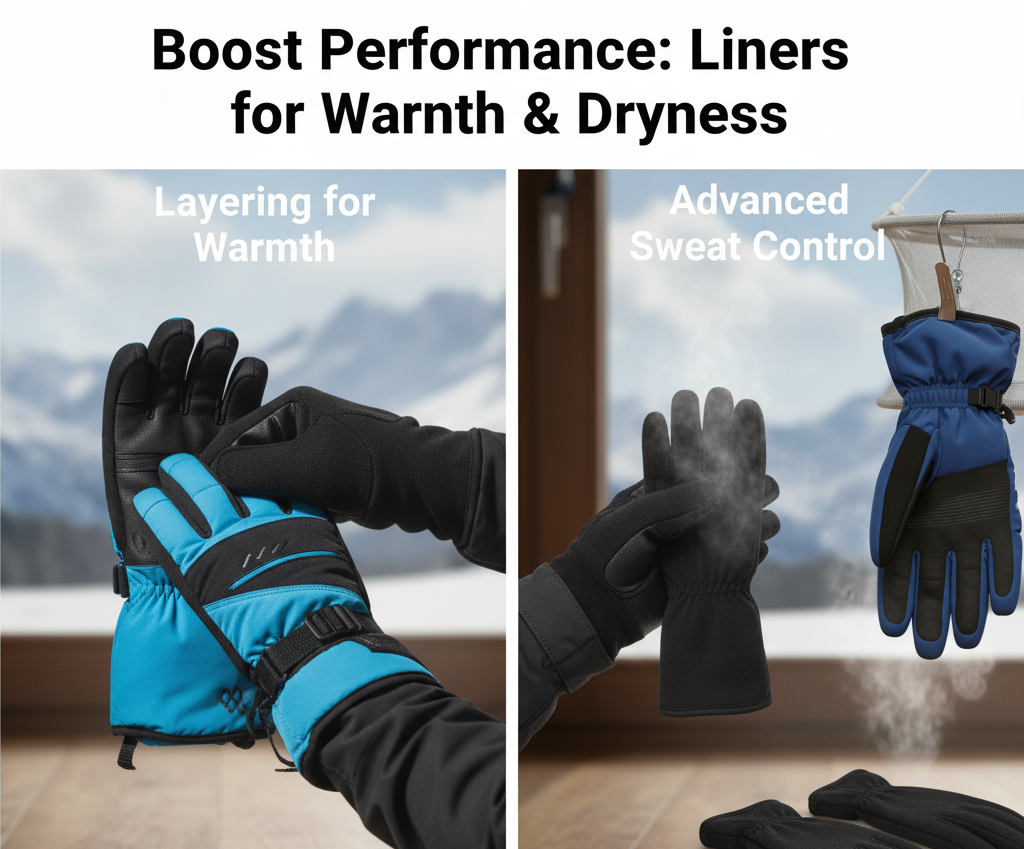
One of the most reliable ways to boost ski glove performance in changing weather is by adding glove liners. Liners act like a smart buffer layer between your skin and the main glove. They help manage both temperature and moisture, which are the two biggest factors affecting comfort on the mountain. Most skiers think liners are only for very cold days, but that’s only half true. Liners also play a huge role in preventing sweat buildup during warm conditions or high-intensity skiing.
When sweat gets trapped inside your gloves, insulation becomes damp, warmth drops fast, and odors build up over time. Using liners properly can extend glove life, reduce odor, and keep hands consistently comfortable — which directly helps boost ski glove performance throughout your entire ski day.
For Cold Days: Add Warmth Without Bulking Up
When temperatures dip into the single digits or wind chill kicks in, your gloves might start to feel “almost enough” but not quite. Instead of switching to a bulky pair that reduces dexterity, simply add a Merino wool glove liner.
Why Merino Wool Works So Well:
| Feature | Benefit |
| Natural heat-retention fibers | Keeps hands warm even when slightly damp |
| Breathable & sweat-regulating | Prevents overheating inside gloves |
| Soft & flexible | Doesn’t restrict finger movement |
| Naturally odor-resistant | Smells fresher, even after long sessions |
Real-world scenario:
You’re on a windy chairlift and your fingertips start numbing. With Merino liners, that bite disappears — without making your gloves bulky or stiff.
Control Sweat in Warm Conditions
Warm days are actually where many skiers accidentally cause cold hands — because sweat is the real enemy. When your hands sweat inside your gloves, moisture gets trapped, and your body cools itself quickly… leaving you colder than before.
This is where moisture-wicking liners come in:
- They pull sweat away from your skin
- Help the inside of your glove stay dry
- Reduce that clammy, slippery feeling
- Maintain insulation efficiency longer
Best Liners for Warm/Wet Days:
- Polyester wicking liners (light, fast-drying)
- Silk liners (smooth + breathable for all-day comfort)
If you’ve ever taken off your glove and felt “why is my palm soaked?” — this fixes that.
Smart Pro Tip (Most Skiers Don’t Know This One)
Carry a second pair of liners and swap mid-day.
It’s the same idea as changing into dry socks — suddenly everything feels warm, clean, and comfortable again.
This 15-second swap in the lodge feels like getting new gloves.
3. Reapply Waterproofing Before Wet Snow Conditions
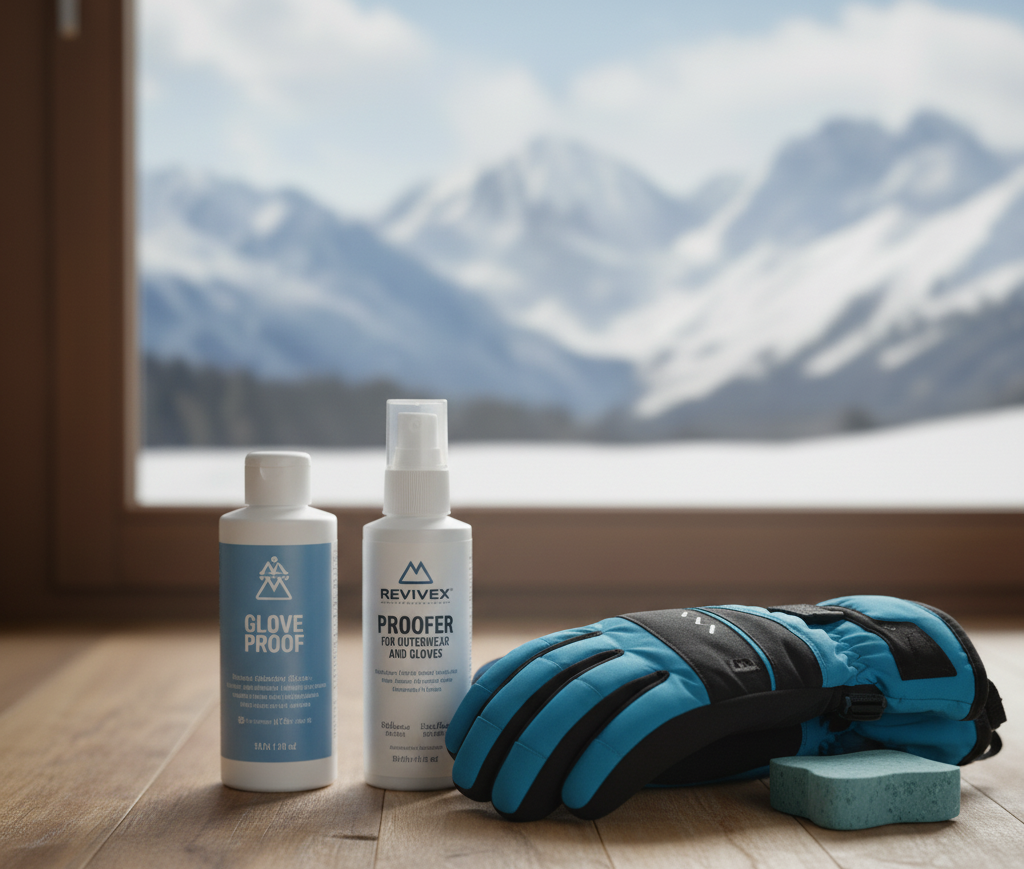
If you want to boost ski glove performance in wet or heavy snow, reproofing is absolutely essential. Over time, the outer fabric of your gloves loses its ability to repel water. This happens faster in slushy spring conditions, during wet snowfall, or just from regular wear-and-tear. Once the waterproof coating wears off, water begins to seep into the glove shell, and even the best insulation will start to feel cold, heavy, and uncomfortable.
Reapplying waterproofing isn’t about making your gloves “shinier” or “new again” — it’s about protecting the insulation so your hands stay warm and dry for longer. A glove that absorbs water will always lose warmth, no matter how expensive it is.
How to Tell Your Gloves Need Reproofing
A simple visual test can show you if your gloves are starting to lose their water resistance:
| Sign | What It Means |
| Water beads and rolls off | Waterproofing is still working |
| Water spreads out and darkens the material | Waterproofing has broken down |
| Gloves feel heavy or damp after skiing | Reproofing is urgently needed |
Do this test:
Pour a few drops of water on the back of your glove.
If it soaks in → Time to reproof.
Best Waterproofing Options That Actually Work
There are many sprays and coatings on the market, but only a few bond well with ski glove fabrics without suffocating breathability.
| Product | Works Best For | Why It’s Good |
| Nikwax Glove Proof | Leather + synthetic gloves | Adds long-lasting water repellency without changing texture |
| Revivex Durable Water Repellent Spray | Fabric gloves + shells | Easy spray-on application and excellent water beading |
Tip: Reapply before the gloves get soaked — waterproofing products work best when applied to clean, dry gloves.
Why Timing Matters
Many skiers forget waterproofing until after their gloves have already absorbed water.
That’s too late.
Apply waterproofing:
- Before a ski trip
- After cleaning or drying your gloves
- When you notice water no longer forming beads on the surface
Just this one habit alone can significantly boost ski glove performance in wet snow days — helping your gloves last longer, stay lighter, and keep your hands warm.
4. Adjust Tightness for Better Warmth & Grip
To boost ski glove performance, you need the right fit — not just the right material. Many skiers overlook this and end up with freezing fingers or poor control simply because their gloves are either too tight or too loose. Fit is directly connected to circulation, insulation efficiency, and grip control. So before you blame the glove brand, check the fit first — it can instantly boost ski glove performance on the slopes.
When gloves are too tight, they squeeze the blood vessels in your fingers. Less blood flow means less heat, which means your fingers get cold faster. Meanwhile, gloves that are too loose trap too much air, which makes movement clumsy and prevents insulation from warming evenly.
In skiing, control and warmth always start with proper fit.
How to Check the Fit
Use this quick fit test when trying gloves on:
✔ You should be able to move every finger freely.
If gripping your ski pole feels stiff → the gloves are too small.
✔ There should be a thin air gap around your fingers.
This small space is what allows insulation to warm the air around your hands.
✔ Make a fist comfortably.
If your knuckles feel pressure → try a larger size or a different shape.
✔ Check fingertips:
Your fingertips should not press hard against the glove ends — slight space is ideal.
Rule: If your fingers feel “hugged,” not squeezed — you’ve found a good fit.
Wearing Wrist Straps for Wind Protection
Most ski gloves include wrist straps or adjustable cuffs, but many people don’t use them correctly.
Here’s why they matter:
- They seal warm air inside your glove
- They prevent cold drafts or snow from entering
- They keep gloves stable when gripping ski poles
Adjust straps snugly but not uncomfortably tight.
A proper seal keeps your body heat in and stops icy wind from sneaking in at the cuff.
Quick Fit Checklist (Before Hitting the Slopes)
| Fit Factor | Good Sign | Bad Sign |
| Finger Movement | Full movement | Fingers feel squeezed |
| Air Gap | Light space around fingers | Too much empty space or none |
| Grip Control | Can grip pole comfortably | Grip feels stiff or floppy |
| Wrist Seal | Cuffs close securely | Gaps or drafts around wrist |
Getting the fit right is one of the most underrated ways to stay warm.
Adjusting tightness is quick, free, and can make even budget gloves feel noticeably better.
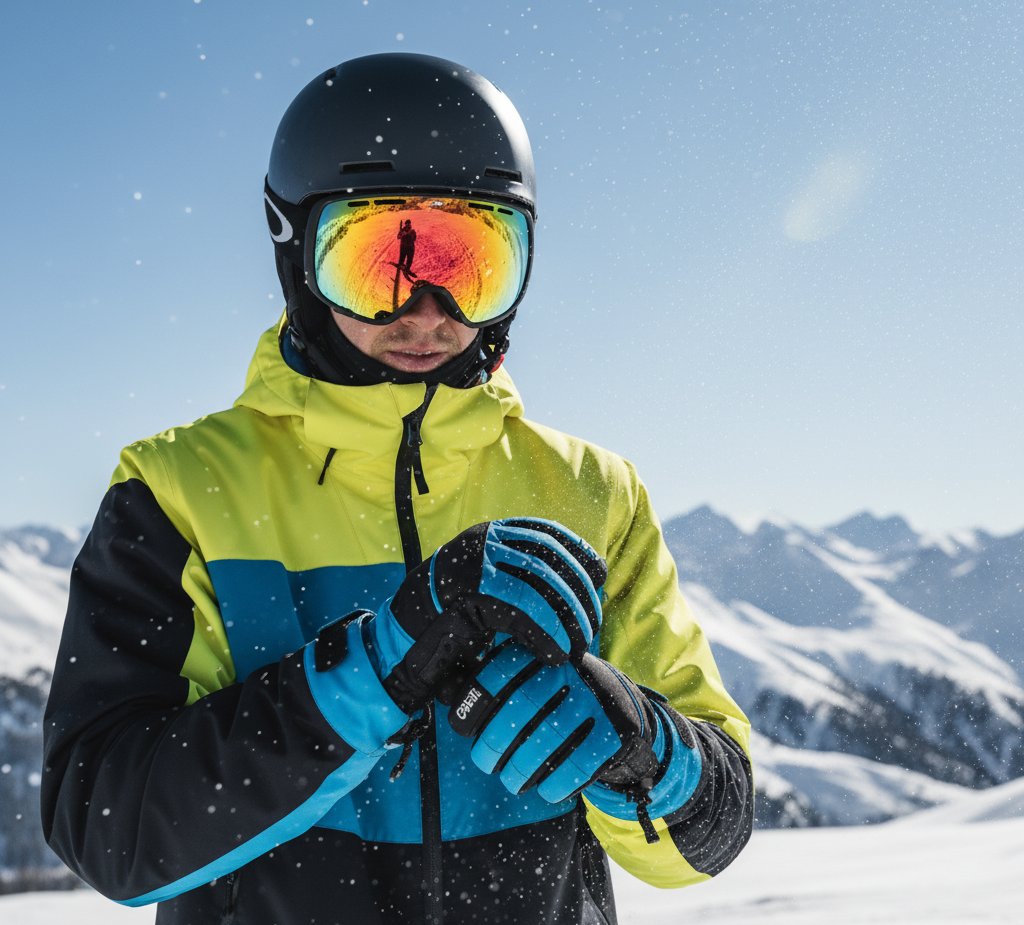
5. Dry Gloves Fully After Every Ski Day
If you want to boost ski glove performance, drying your gloves properly is one of the most critical habits you can develop. Most skiers focus on insulation, materials, or waterproof sprays — but moisture management is just as important. Even a small amount of leftover dampness inside your gloves can make your next day on the mountain feel miserable. And when moisture sits in the insulation, it reduces warmth, encourages bacteria, and breaks down fabric faster. Proper drying is one of the easiest and most effective ways to boost ski glove performance without buying new gear.
Whether the water comes from snow, sweat, or humidity, it needs to come out — fully.
Moisture trapped inside gloves leads to:
- Cold hands the next day
- Musty or sour odors
- Flattened insulation
- Reduced waterproofing over time
So think of drying as gear maintenance, not just a cleanup step.
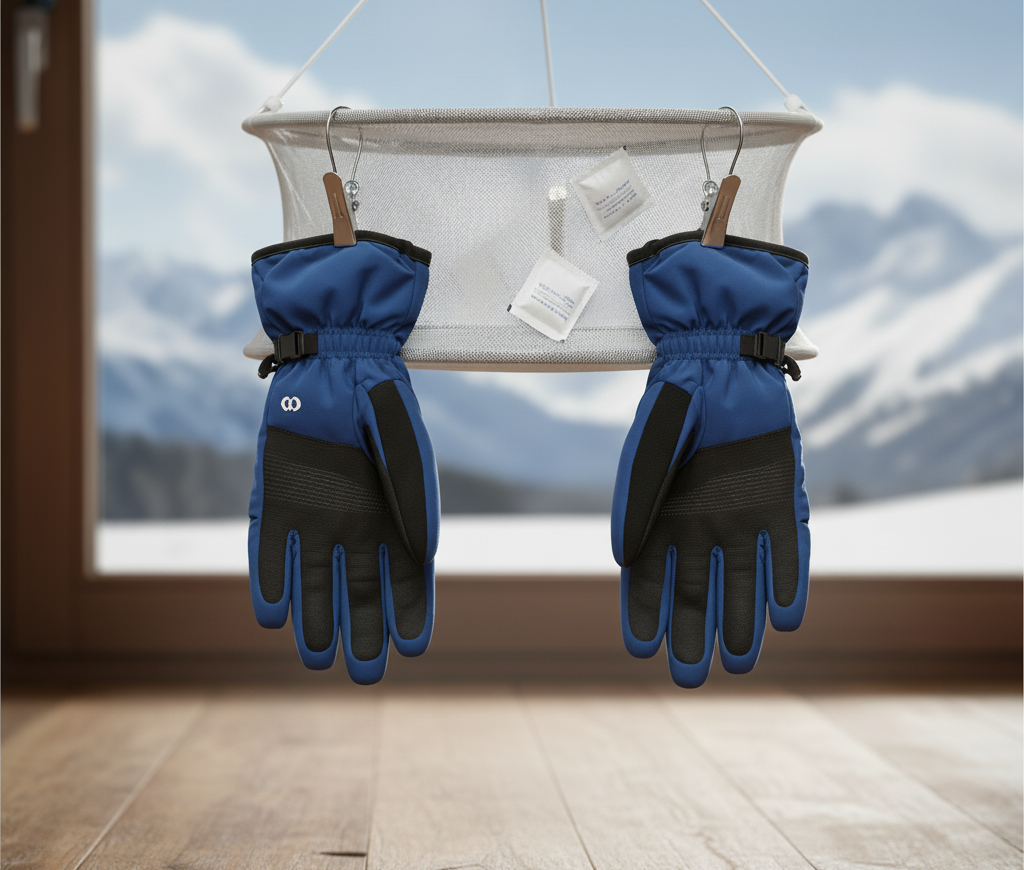
How to Dry Ski Gloves the Right Way (Safe Method)
Air dry only — never rush the process with high heat.
Follow these steps to ensure your gloves dry completely while protecting their insulation and waterproofing:
- Shake off any loose snow and gently press the gloves to remove excess water.
Do not wring or twist, as this crushes insulation fibers. - Open the glove cuffs fully.
Loosen straps, pull open the wrist opening, and let air flow freely inside. - Place gloves in a warm, ventilated room.
A spot near — but not touching — a heat source works best. - Use airflow to speed up drying.
A small desktop fan or boot/glove dryer on low heat works great. - Stuff the glove interior with paper towels or a microfiber cloth for 20–30 minutes.
This pulls out moisture trapped in the fingertips — the hardest area to dry. - Replace the paper if it becomes damp, and let gloves finish air drying overnight.
Tip: If your gloves have removable liners, take them out — they will dry much faster separately.
Avoid These Drying Mistakes
These are the most common errors skiers make — and they are the fastest ways to ruin insulation and waterproofing:
| Mistake | Why It’s a Problem |
| Placing gloves on a heater or radiator | High heat melts glue layers and warps insulation |
| Using a hair dryer directly inside gloves | Can damage membranes and shrink materials |
| Leaving gloves in a gear bag overnight | Traps moisture → odor + bacteria growth |
| Storing gloves before they are fully dry | Moisture spreads deeper and gets harder to remove |
Rule:
If the gloves feel dry but still smell damp, they are not fully dry yet. Give them more time.
Pro Tip for Multi-Day Ski Trips
Bring two pairs of liners and swap mid-day.
This keeps the inside of your gloves dry and warm longer — especially in wet snow or high-energy skiing.
Protect Gloves from Wind Exposure
If you’re trying to boost ski glove performance, wind exposure is something most skiers underestimate. Even the warmest, top-tier insulated gloves can feel cold in harsh winds because wind chill rapidly pulls heat away from the glove surface. When that outside heat barrier is stripped away, the insulation inside has to work harder—meaning your hands get cold faster. Reducing wind exposure is one of the easiest ways to boost ski glove performance without adding bulk or switching to heavier gloves.
Wind matters most on:
- Chairlifts
- Open bowls and ridgelines
- Backcountry tours
- High-speed downhill runs
Even a glove with great insulation can feel 10–20°F colder in heavy wind.
Use Long Cuffs or Gauntlet-Style Gloves
Long-cuff (gauntlet) gloves are specifically designed to block wind entry at the wrist opening. If wind sneaks into the glove cuff, it displaces warm air inside the glove and your hands cool rapidly — especially if you’re wearing lightly insulated gloves.
Why Gauntlet Cuffs Help:
- They seal the wrist area where heat escapes most easily
- They stop snow and wind from entering the glove
- They’re ideal for chairlift rides and exposed terrain
If you often ski in:
- Backcountry areas
- Windy peaks
- High elevation resorts
Then gauntlet-style gloves are worth the upgrade.
Wrist Gaiters & Jacket Cuff Positioning
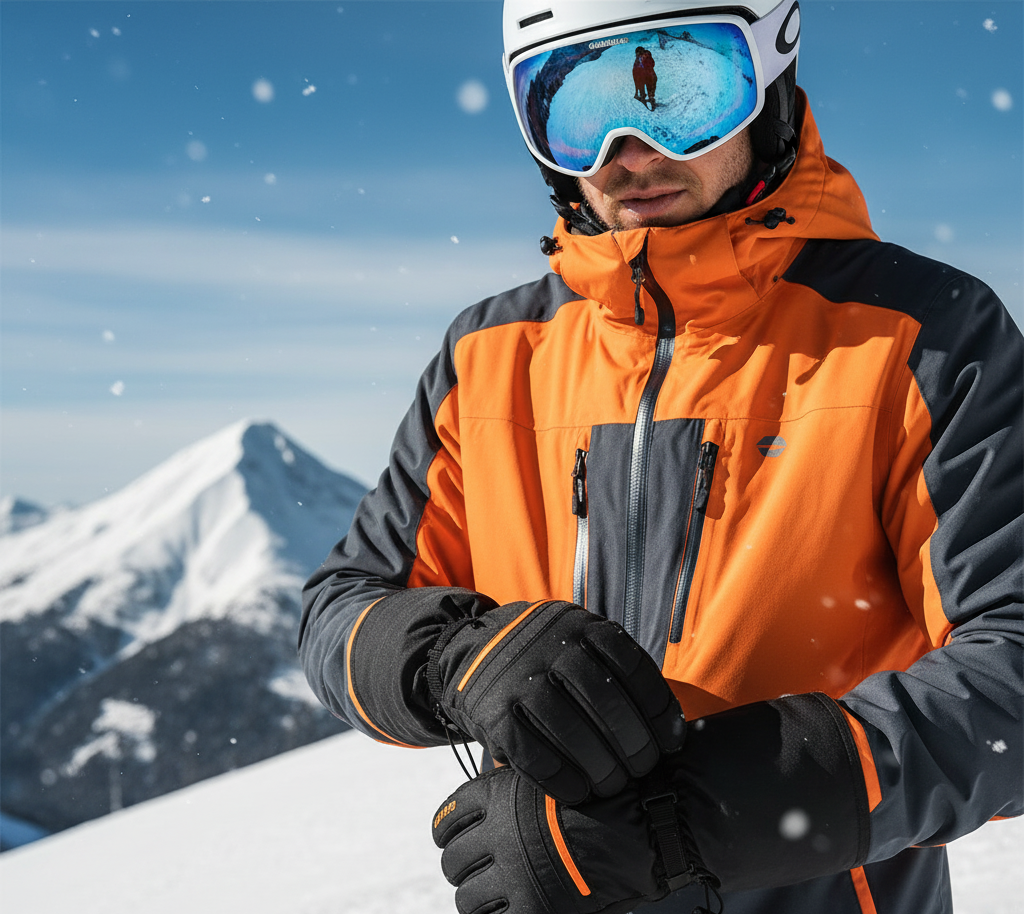
Even the best gloves won’t stay warm if there’s a gap where wind can blow in.
Here’s how to seal your wrist area correctly:
| Glove Type | Best Positioning | Why It Works |
| Gauntlet Gloves | Jacket sleeve goes inside glove cuff | Creates a wind-proof seal |
| Short-Cuff / Freestyle Gloves | Glove cuff goes under jacket sleeve | Keeps wind and snow out |
Secure the seal using:
- Velcro straps
- Elastic cinch cords
- Jacket cuff closures
This takes 5 seconds and makes a huge difference in warmth.
Extra Wind Shields for Extreme Conditions
If you ski in especially cold or windy areas, consider over-mitts or windproof shells.
These slip over your gloves and increase warmth without adding insulation weight.
Benefits of Over-Mitts:
- Add 10–20°F of perceived warmth
- Pack lightweight & compact
- Ideal for cold chairlift rides
Examples include:
- Nylon wind shells
- Down over-mitts
- Ultralight touring mitt covers
Think of them like a wind jacket for your hands — they trap heat effectively.
Bonus Tip — Carry a Spare Pair in Extreme Weather
Carrying an extra pair is one of the simplest ways to boost ski glove performance, especially on long, cold, or wet ski days. Gloves naturally absorb moisture from snow and sweat as the day goes on. Even if your gloves are high-quality, once the insulation gets damp, heat retention drops fast — and your hands start to feel cold, stiff, or uncomfortable.
Switching to a fresh, dry pair instantly restores warmth because insulation performs best when it’s dry and fluffy. This trick is commonly used by ski instructors, patrollers, and backcountry guides — the people who spend 6–10 hours on snow every day.
This bonus tip helps boost ski glove performance in:
- Wet coastal snow climates (like PNW or Alps)
- Very cold high-altitude resorts
- Long ski tours
- Multi-day ski travel & back-to-back sessions
Why Carrying a Spare Pair Works
- Dry insulation traps heat better than damp insulation
- Hands stay warm longer without needing heavier gloves
- Prevents odor and bacteria from developing
- Helps avoid numb fingers during late-day temperature drops
Think of it like changing socks during a hike — fresh = warm and comfortable.
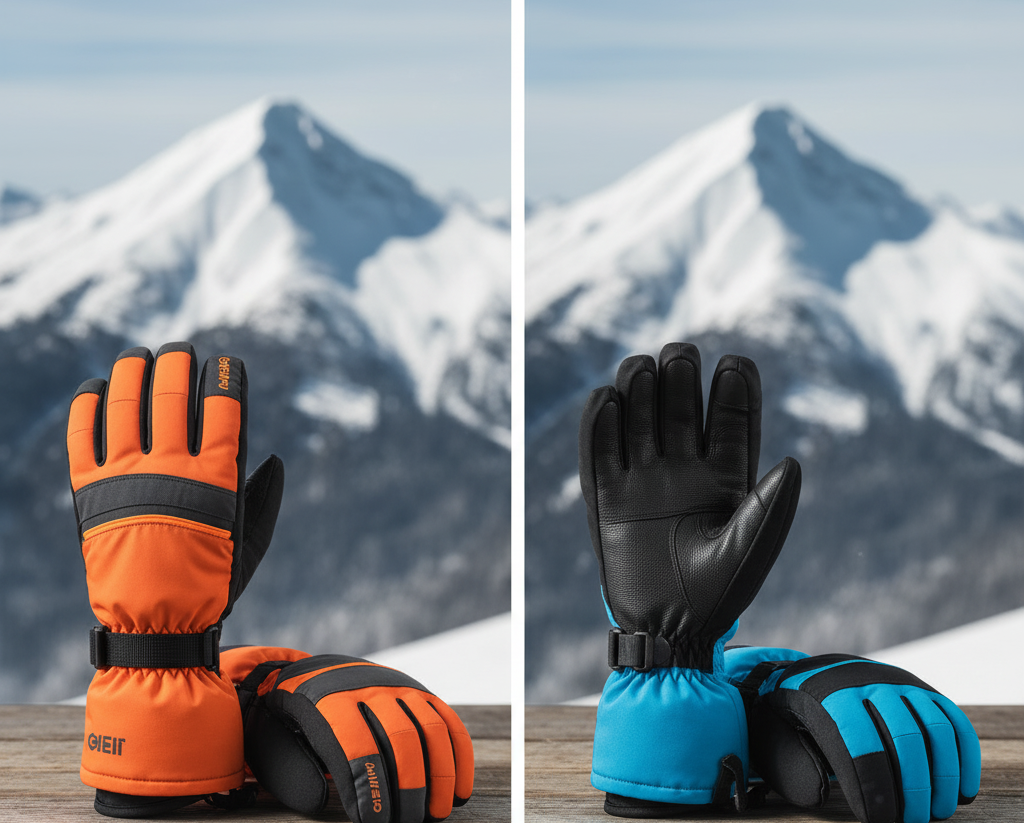
What Type of Spare Gloves Should You Carry?
You have two smart options depending on conditions:
| Condition | Best Spare Option | Why |
| Cold, dry weather | A second pair of medium- or heavy-insulated gloves | Keeps warmth consistent as insulation compresses throughout the day |
| Wet or slushy conditions | Water-resistant synthetic gloves | Synthetic materials dry faster and don’t absorb moisture like leather |
If you sweat a lot, bring extra glove liners too — swapping liners alone can make gloves feel brand-new mid-day.
How to Carry Them With No Bulk
- Store in your jacket’s lower back pocket (many ski jackets have one)
- Clip to your pack using a carabiner
- Compress and slide into goggle pocket (if soft-shell type)
A spare pair should not be bulky — choose packable designs.
FAQs — Boost Ski Glove Performance
Q1: Can I use heated gloves in warm spring skiing?
Yes — but use them carefully. Heated gloves can absolutely help boost ski glove performance, but in spring skiing the temperature is usually warmer and snow is wetter. Running heated gloves on high may cause your hands to sweat, which actually makes gloves feel colder once airflow hits.
Use the lowest setting or turn heat off during chairlift rides to prevent overheating and moisture buildup.
Q2: How often should I waterproof ski gloves?
Reapply waterproofing whenever water stops beading on the glove surface.
For most skiers, this means:
- Every 3–5 ski days in wet or slushy snow
- Every 5–10 ski days in cold, dry climates
Keeping waterproofing maintained will boost ski glove performance by preventing gloves from absorbing moisture and losing insulation power.
Q3: Do liners make gloves too tight?
They can — if you choose the wrong type.
To avoid tightness, use thin, moisture-wicking liners made from:
- Merino wool
- Silk
- Lightweight polyester
These materials add warmth and sweat control without adding bulk. If your gloves already fit snugly, size up your liners or choose ultra-thin performance liners instead.
Conclusion — Stay Ready for Every Run
When you understand how conditions affect your gear, it becomes much easier to boost ski glove performance every day on the mountain. Adjusting glove insulation, using liners, drying properly, and maintaining waterproofing all contribute to:
- Longer glove lifespan
- Consistently warmer hands
- Better grip and mobility
- More comfort during long ski sessions
Small adjustments make a big difference. Temperature changes, wind exposure, sweat, and wet snow all play a role — so adapt your glove setup based on the weather each ski day to boost ski glove performance naturally and effectively.
Warm hands equal better skiing. Take care of your gloves, and your gloves will take care of you.
If you found this guide helpful, save it for your next ski trip — and share it with a friend who’s always complaining about cold hands on the chairlift.