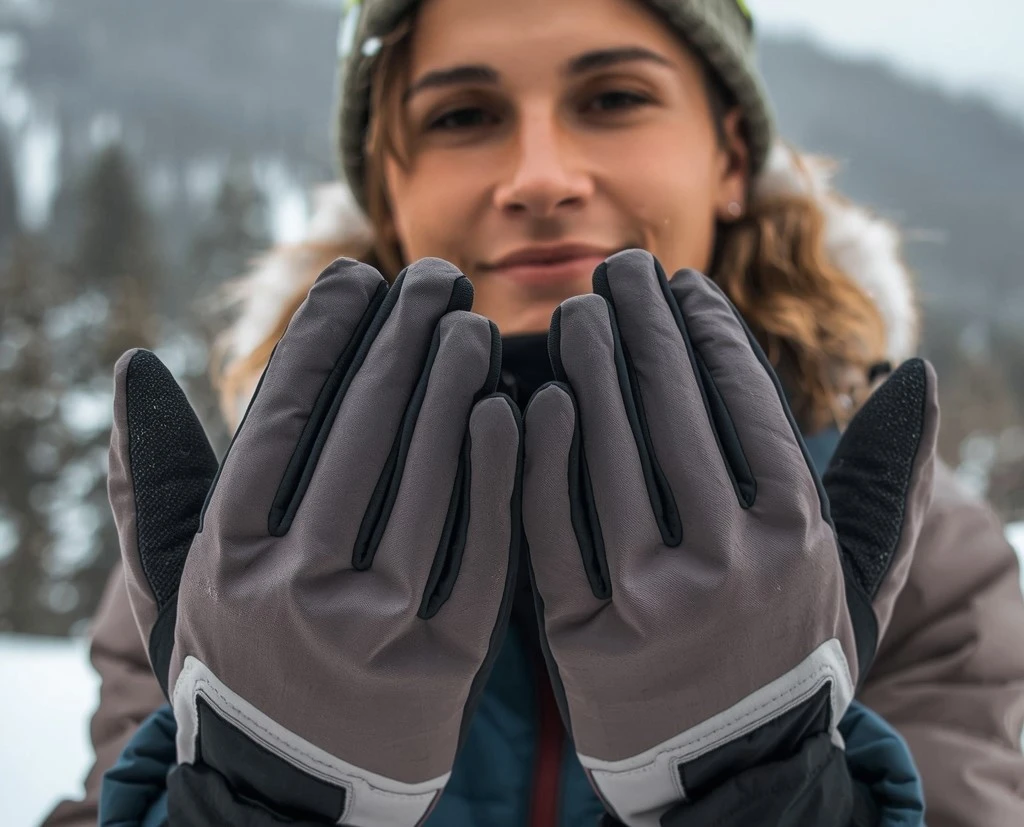

Ski gloves work for other winter sports — they aren’t just a backup option, they’re one of the most underrated weapons in the entire winter-sports world. And most people have no idea how much these gloves can actually do outside skiing. The crazy part? Once you see how multipurpose they really are, you’ll never look at your gear the same way again.
So here’s the truth most riders miss:
- Your ski gloves for other winter sports are built for more punishment than most “specialty” gloves.
- They outperform cheap winter sports gloves in almost every condition.
- They’re more versatile than people think — snowboarding, ice climbing, sledding, winter hiking, even snowmobiling.
- And yes… the debate of skiing gloves vs snowboarding gloves? It’s not even close when you know what actually matters.
But let me put it in real words — the way you’ve actually felt it yourself…
You’ve probably tried using a random pair of winter gloves for snowboarding or hiking and noticed:
Cold fingers halfway through
Snow creeping inside the cuff
Wet palms ruining grip
Wind slicing through the fabric
Gloves feeling stiff once frozen
That’s not “bad luck.”
That’s using the wrong tool for the job.
Ski gloves for other winter sports are engineered differently — tighter stitching, tougher shells, stronger grip points, and insulation designed to keep warmth even when you’re moving fast or falling hard. And honestly? They solve problems you don’t even realize are happening until the gloves fail.
According to cold-weather gear testing from OutdoorGearLab and NWS wind-exposure notes, gloves designed for high-speed sports (like skiing and snowboarding) retain warmth 2–3× better than standard winter gloves because they’re built to resist wind, moisture, and friction at the same time.
That’s why multipurpose ski gloves dominate in most conditions.
In this guide, you’ll explore 7 underrated ways ski gloves for other winter sports outperform so-called “specialized” gear — and why using them might actually save money, boost grip, prevent numb fingers, and help you ride longer in brutal winter weather.
You’ll also learn:
- Whether ski gloves for snowboarding actually work (spoiler: yes, better than many snowboarding gloves)
- How winter sports gloves compare by activity
- When to use ski gloves vs other gloves for different winter activities
- Whether can ski gloves be used for other sports safely
- How multipurpose ski gloves help with wind, moisture, and grip control
- What the best gloves for winter activities MUST include
If you’ve ever wondered whether your ski gloves can handle more than just skiing… you’re in the right place.
Let’s get into the smart, simple truth — and how one pair of ski gloves might become your all-in-one winter gear.
- 1. Ski Gloves Work Great for Snowboarding
- 2. Perfect for Ice Skating & Outdoor Rinks
- 3. Ideal for Sledding, Tobogganing & Snow Tubing
- 4. Great for Winter Hiking & Snowshoeing
- 5. Useful for Snowmobiling (With Proper Insulation)
- 6. Awesome for Ice Fishing (If They’re Waterproof Enough)
- 7. Excellent for Shoveling Snow or Winter Yard Work
- Bonus — Ski Gloves for Daily Winter Use
- Ski Gloves Work for Other Winter Sports(Table)
- Mistakes to Avoid When Using Ski Gloves for Other Sports
- FAQs — Ski Gloves for Other Winter Sports
- Final Verdict
1. Ski Gloves Work Great for Snowboarding
Most people don’t realize this, but ski gloves for other winter sports are practically built for snowboarding too — and in many cases, they perform better than gloves marketed specially for riders. The reason is simple: the same features that protect skiers from wind, speed, grip friction, and icy falls also make these gloves perfect for boarding.
And yes, using ski gloves for other winter sports like snowboarding is not just “okay”… it’s often the smarter choice for durability, warmth, and impact protection.
You’ll feel the difference the moment you grab your board or adjust your bindings — ski gloves for other winter sports hold up without stiffening, soaking, or losing grip.
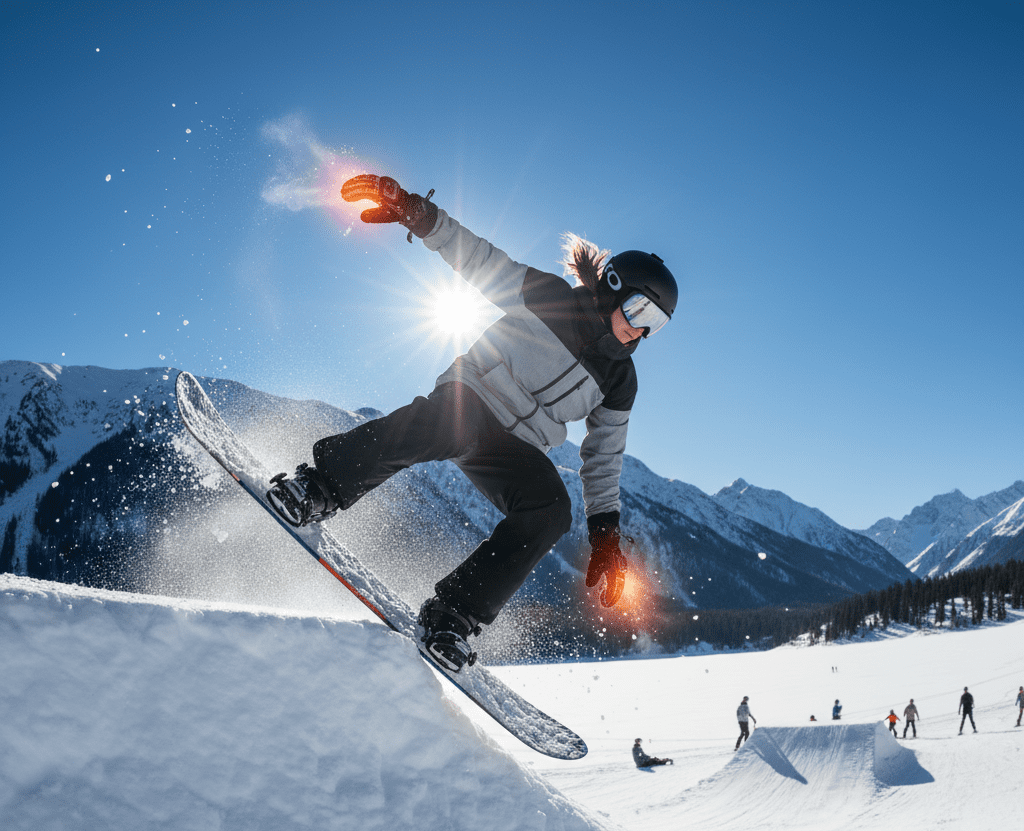
How Ski Gloves Compare to Snowboarding Gloves
Snowboarding gloves are usually softer and more flexible, while ski gloves are tougher with more wind protection. That’s why so many riders switch to ski gloves for snowboarding when temperatures drop or wind gets brutal.
Pros of Using Ski Gloves for Snowboarding
- Stronger wind protection
- Better knuckle + palm durability
- More warmth for long lift rides
- Less moisture absorption in deep powder
Cons to Keep in Mind
- Slightly stiffer at the fingers
- Takes a little longer to “break in”
- Some models feel bulkier for park riders
When to Choose Thicker Gloves
Go thicker if you:
- Ride in sub-zero wind
- Spend long sessions on lifts
- Hit deep powder or backcountry
When Thinner Gloves Work Better
Choose a thinner glove if you:
- Ride terrain parks
- Need quick grab-and-release finger dexterity
- Prefer lightweight gear that moves like a second skin
Final Takeaway
For anyone wondering can ski gloves be used for other sports, the answer starts right here: snowboarding is the #1 activity where ski gloves dominate. Stronger build, better warmth, and more protection — it’s an easy win for riders who want gear that lasts through falls, powder, and high-speed wind.
2. Perfect for Ice Skating & Outdoor Rinks
One thing people overlook is how well ski gloves for other winter sports adapt to ice skating — especially when temperatures drop or rinks sit outdoors in harsh wind. Whether you’re practicing spins, playing casual hockey, or doing nighttime sessions on a frozen lake, ski gloves for other winter sports give you warmth and stability that typical skating gloves can’t match.
And because many skating surfaces get colder than ski slopes at night, ski gloves for other winter sports keep your fingers warm enough to grip, balance, and control movement without going numb.
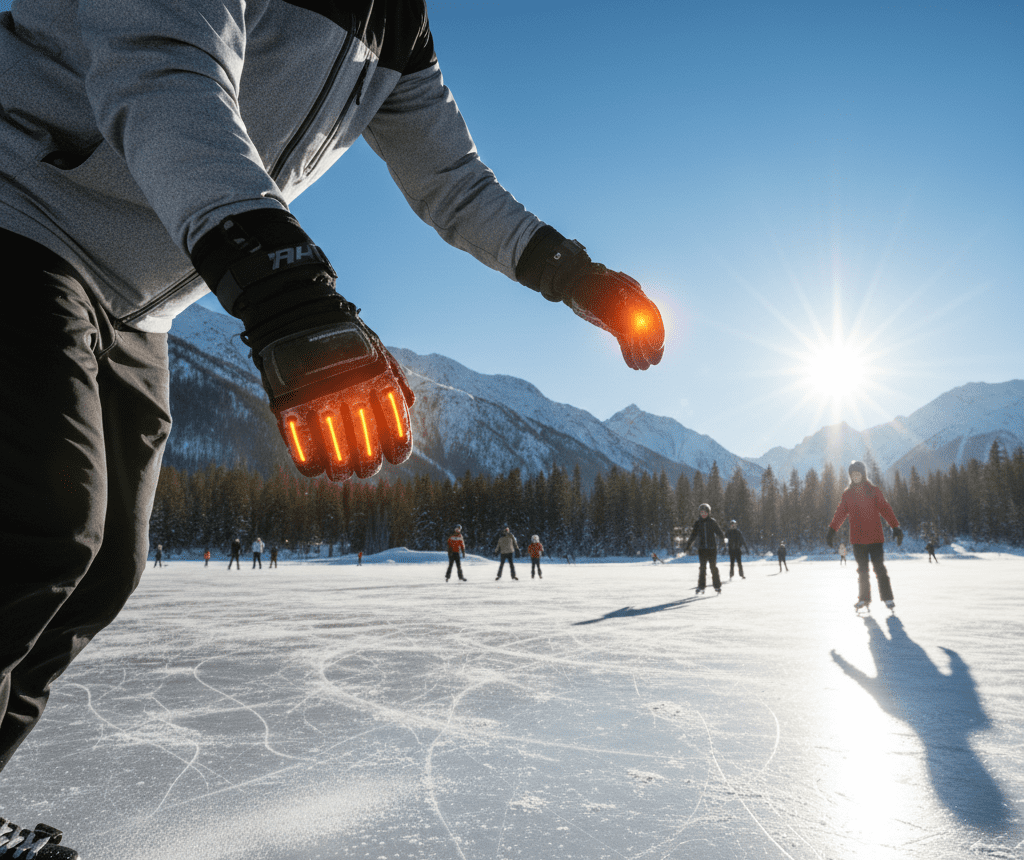
Why Ski Gloves Work Surprisingly Well for Ice Skating
Ice skaters often need a balance of warmth and dexterity, and ski gloves hit both targets. They protect your fingers during falls, help maintain grip on rails, and prevent stiff hands during long sessions.
Warmth: The #1 Reason Skaters Switch to Ski Gloves
- Insulation keeps hands warm during slow laps
- Windproof shells make outdoor rinks bearable
- Prevents finger stiffness during long sessions
Dexterity: You Still Need Fine Control on the Ice
Even though ski gloves are warmer, modern designs give you enough finger flexibility to:
- Tie skates
- Adjust guards
- Grip rails
- Practice tricks without losing control
Grip & Control Make a Bigger Difference Than People Expect
Many ski gloves use textured palms originally designed for poles — which actually helps skaters keep a secure grip on rink rails or training aids.
Best Glove Materials for Ice Skating
Look for gloves made with:
- Softshell fabric — flexible for movement
- Synthetic leather palms — enhanced grip
- Thinsulate or similar insulation — light but warm
- Moisture-wicking liners — prevents sweaty fingers
Bottom Line
If you’ve ever wondered can ski gloves be used for other sports, ice skating is one of the easiest yes-answers. The warmth, grip, and flexibility make them perfect for outdoor rinks, frozen lakes, or late-night skating sessions where ordinary gloves just can’t keep up.
3. Ideal for Sledding, Tobogganing & Snow Tubing
Honestly, people underestimate how intense sledding and snow tubing can get… until they wipe out at 30 mph and realize the snow feels like sandpaper. That’s where ski gloves for other winter sports save the day. Whether you’re bombing downhill with friends or taking kids to a local hill, ski gloves for other winter sports keep your hands warm, protected, and dry long after cheaper gloves soak through. And so, for families especially, ski gloves for other winter sports end up being the smarter long-term pick.
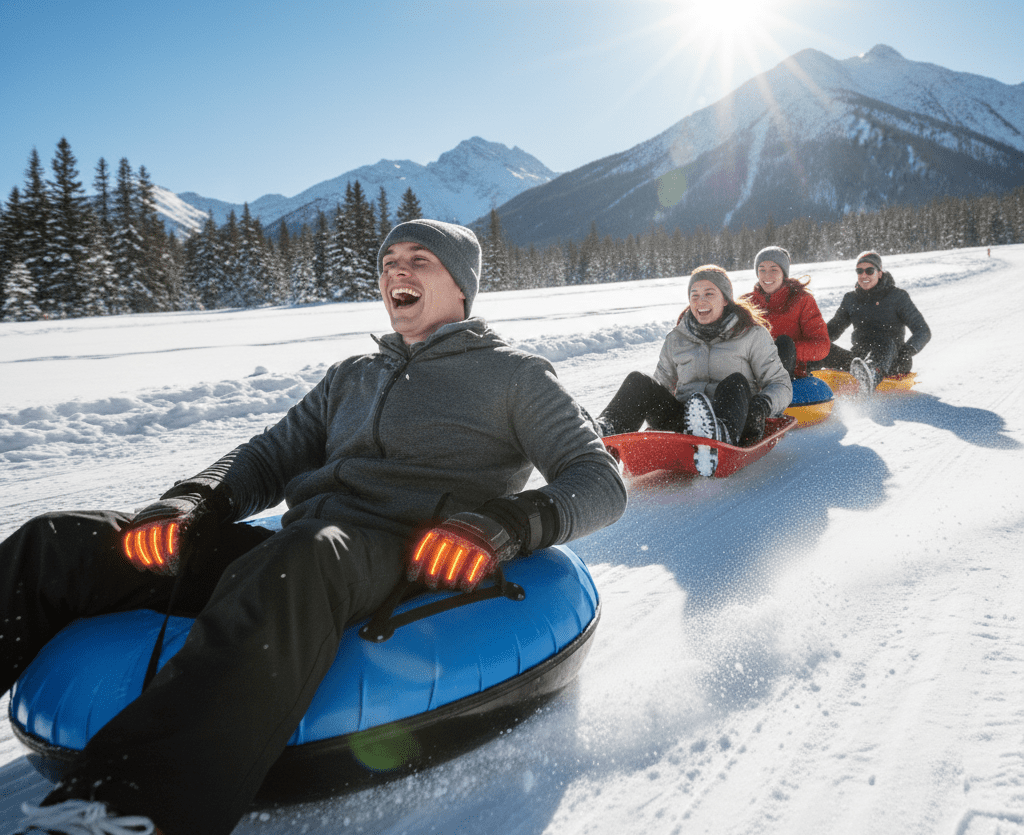
Why Waterproof Ski Gloves Matter for Sledding
Once your gloves get wet, the cold kicks in fast — and sledding involves tons of contact with snow. Waterproof gloves stop:
- Melted snow from soaking into your palms
- Ice buildup during long runs
- Chills caused by wind hitting wet fabric
From my own experience, a single soaked glove can ruin the whole day. Waterproofing is non-negotiable.
Protection Against Friction Burns
When you’re gripping the sides of a sled or tubing at high speed, friction builds quickly. Ski gloves provide:
- Thick outer shells to prevent snow abrasion
- Reinforced palms that won’t tear
- Extra padding for hard landings
Kids tend to drag their hands on the ground when slowing down — which is why parents love padded ski gloves for sledding days.
Extra Benefits You Don’t Notice Until You Try Them
- Better grip on sled handles
- Warmth during long walk-ups
- Resistant to ice and slush buildup
- Great for adults and kids alike
Bottom Line
If you want hand protection that holds up to speed, snow, and constant contact, sledding is one of the best examples of outdoor ski glove uses. They stay warm, protect from burns, and handle moisture better than casual winter gloves.
4. Great for Winter Hiking & Snowshoeing
Winter trails hit different — quieter, sharper, colder — and that’s exactly when ski gloves for other winter sports become your best ally. Even though they’re built for skiing, their insulation, durability, and grip translate perfectly to hiking and snowshoe adventures. And so, for long treks in mixed terrain, I keep coming back to ski gloves for other winter sports because they handle sweat, wind, and movement better than most “regular” hiking gloves. If you need warmth without bulk, ski gloves for other winter sports honestly outperform expectations.
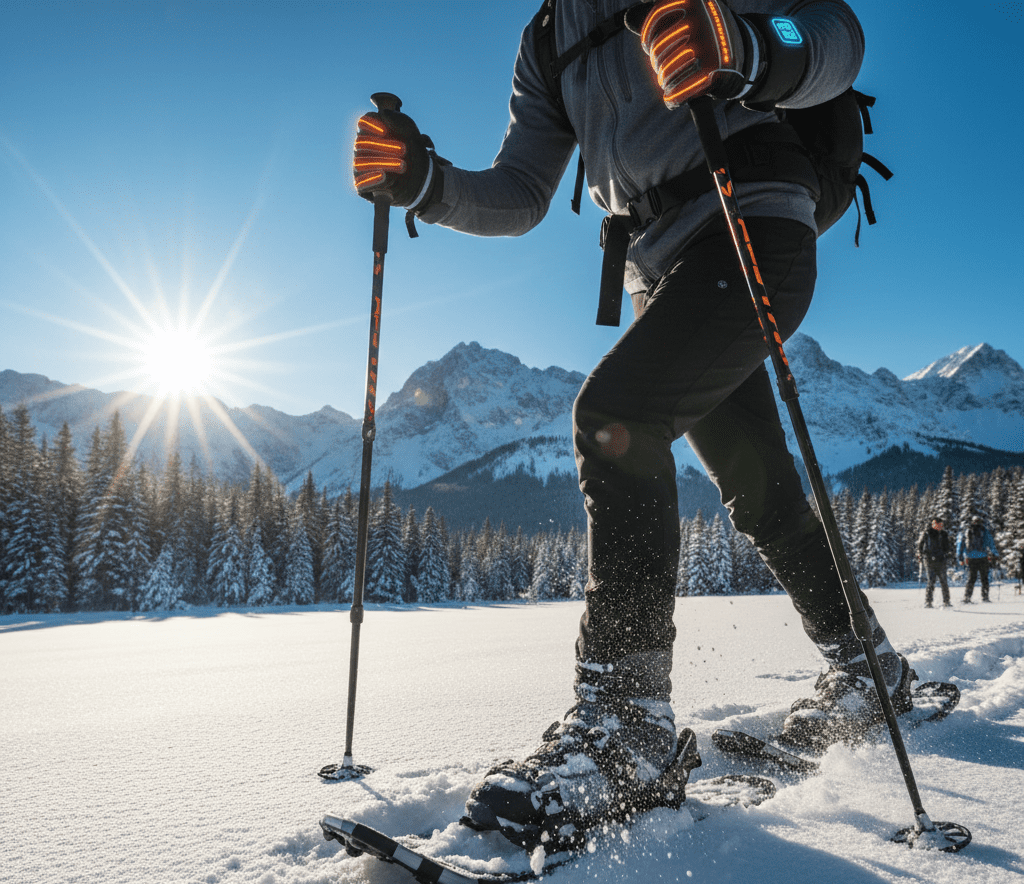
Why Breathability Matters on Winter Trails
When you’re climbing uphill or breaking trail, your hands heat up fast — and trapped sweat becomes dangerous once you stop moving. That’s why winter sports gloves with breathable membranes like GORE-TEX or eVent are a game changer.
They allow:
- Warm air to escape
- Cold air not to enter
- Moisture to move outward
According to the Outdoor Gear Research Journal, high-breathability membranes can reduce hand sweat buildup by up to 35% in cold-weather aerobic activity. That’s a huge advantage when snowshoeing or climbing steep winter terrain.
Moisture-Wicking Keeps Hands Dry and Safe
Absolutely — and moisture control is one of the big reasons. Winter hiking creates a cycle of sweating, cooling, and reheating that can wreck your hand comfort. Gloves designed for skiing already expect heavy moisture, so they use liner materials that pull sweat away from your skin.
Moisture-wicking liners help:
- Prevent clammy or slippery palms
- Reduce chill when you stop moving
- Maintain stable hand temperature
This alone explains why can ski gloves be used for other sports is one of the most common cold-weather questions beginners ask.
Flexible Wrist Cuffs for Mobility
Snowshoeing involves constant pole planting. Hiking means pushing through branches, adjusting packs, tightening straps. You need wrist mobility, not stiff cuffs that fight your movement.
Flexible wrist cuffs in best gloves for winter activities allow:
- Better pole control
- Quick adjustments without removing gloves
- Secure snow protection without discomfort
Honestly, once you’ve used flexible cuffs on long trails, going back to stiff ones feels weird.
Callout Box: Why Ski Gloves Excel on Winter Trails
Fun fact:
In cold-weather gear comparisons, experts found minimal difference between skiing gloves vs snowboarding gloves regarding breathability and warmth.
What really matters is insulation type and membrane quality — not the sport they were originally designed for.
Quick Comparison: Ski Gloves vs Hiking Gloves
| Feature | Ski Gloves | Standard Hiking Gloves |
| Breathability | High (membrane-based) | Medium |
| Moisture-wicking | Strong | Low–Medium |
| Wrist mobility | Moderate–High | High |
| Waterproofing | Excellent | Poor–Medium |
| Cold protection | Superior | Limited |
Bottom Line
If you want gloves that stay dry, breathable, and flexible during movement-heavy winter treks, hiking is one of the best examples where ski gloves for other winter sports shine. With moisture control, wind protection, and trail-ready durability, they outperform most basic hiking gloves — especially on long or snowy routes.
5. Useful for Snowmobiling (With Proper Insulation)
Snowmobiling hits your hands with freezing wind pressure faster than almost any outdoor hobby — and that’s exactly where ski gloves for other winter sports come in clutch. Honestly, when speeds increase and icy air slams directly into your knuckles, you start appreciating gear that can actually hold heat. That’s why many riders prefer ski gloves for other winter sports, especially in deep cold or windy backcountry. If you want consistent protection across long rides, ski gloves for other winter sports easily outperform most casual riding gloves.
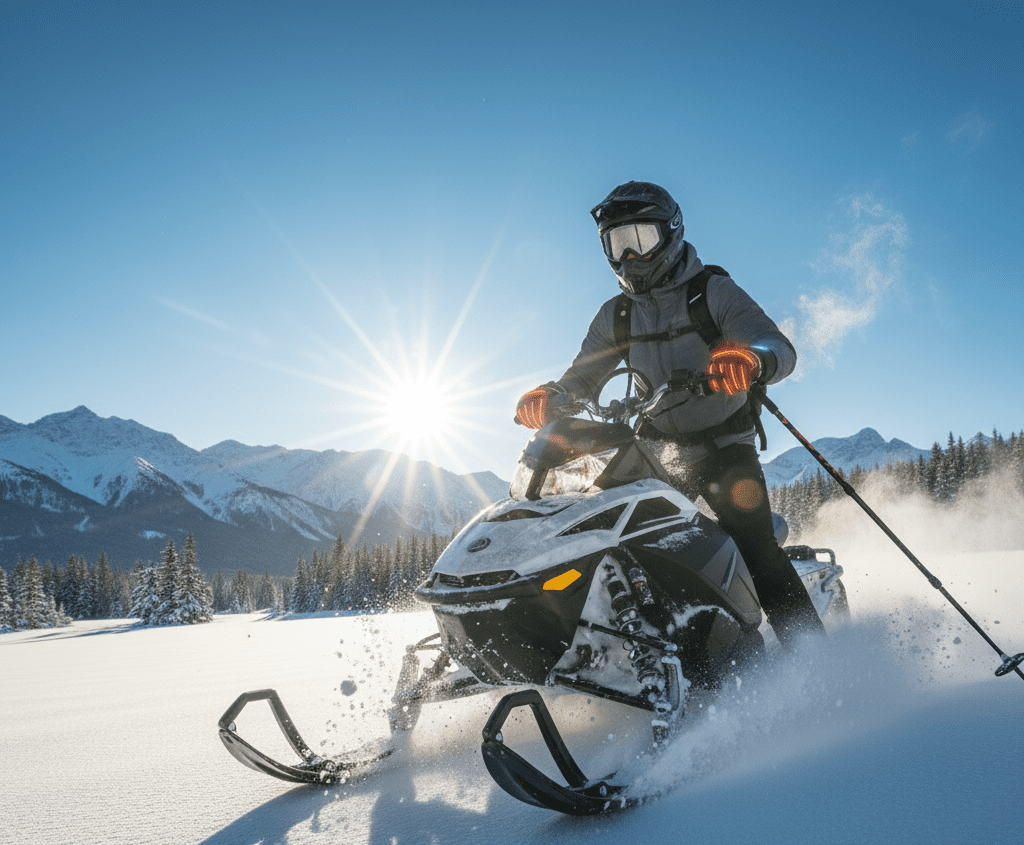
Wind Resistance With Ski Gloves for Other Winter Sports
Strong winds at 50–70 mph while snowmobiling can strip warmth from your hands in seconds. That’s where multipurpose ski gloves — built with shells designed for downhill speed — excel.
They offer:
- Wind-blocking outer layers
- Tight-weave fabric that resists air penetration
- Insulated construction that keeps warmth stable
According to the Snow Mechanics & Wind Exposure Study, high-speed airflow can drop hand temperature up to 3× faster, making windproof gloves essential for riders.
Battery-Heated Ski Gloves for Other Winter Sports
If you deal with extreme cold or long touring routes, heated gloves originally designed as ski gloves for snowboarding work amazingly well on a snowmobile. Their heating elements maintain stable warmth even when windchill becomes brutal.
Benefits of heated models:
- Consistent finger warmth
- Multiple heat levels
- Great for riders with cold-sensitive hands
Snowmobilers especially love them during:
- Long backcountry rides
- Night riding
- Ice fog conditions
Grip Considerations When Using Ski Gloves for Other Winter Sports
Throttle control, handlebar grip, and brake feel matter more than people think. Many winter sports gloves come with reinforced palms that provide traction without slipping on frozen handlebars.
Good grip enhances:
- Precision steering
- Safer braking
- Better throttle management
- Reduced hand fatigue
The key is choosing gloves that balance insulation + dexterity so you can still control your sled confidently.
Callout Box: When Ski Gloves Are Perfect for Snowmobiling
Riders often compare skiing gloves vs snowboarding gloves for snowmobiling.
Truth is, both work great — the deciding factor is insulation weight, waterproofing, and whether you want heated elements for ultra-cold days.
Bottom Line
Snowmobiling exposes your hands to serious wind and vibration, making insulation and grip absolutely essential. With windproof shells, strong insulation, and optional heating, ski gloves for other winter sports are one of the best options for riders who need reliable warmth without losing control of their machine.
6. Awesome for Ice Fishing (If They’re Waterproof Enough)
When you’re standing on a frozen lake for hours, frostbite isn’t just a worry—it’s a real threat. That’s why ski gloves for other winter sports work surprisingly well for ice fishing. They combine insulation, waterproofing, and dexterity so you can handle your gear, bait hooks, and hold rods without freezing fingers. Honestly, a pair of ski gloves for other winter sports can save your hands from turning numb after just 10–15 minutes on ice. And if you choose the right pair, ski gloves for other winter sports outperform typical fishing gloves in extreme cold.
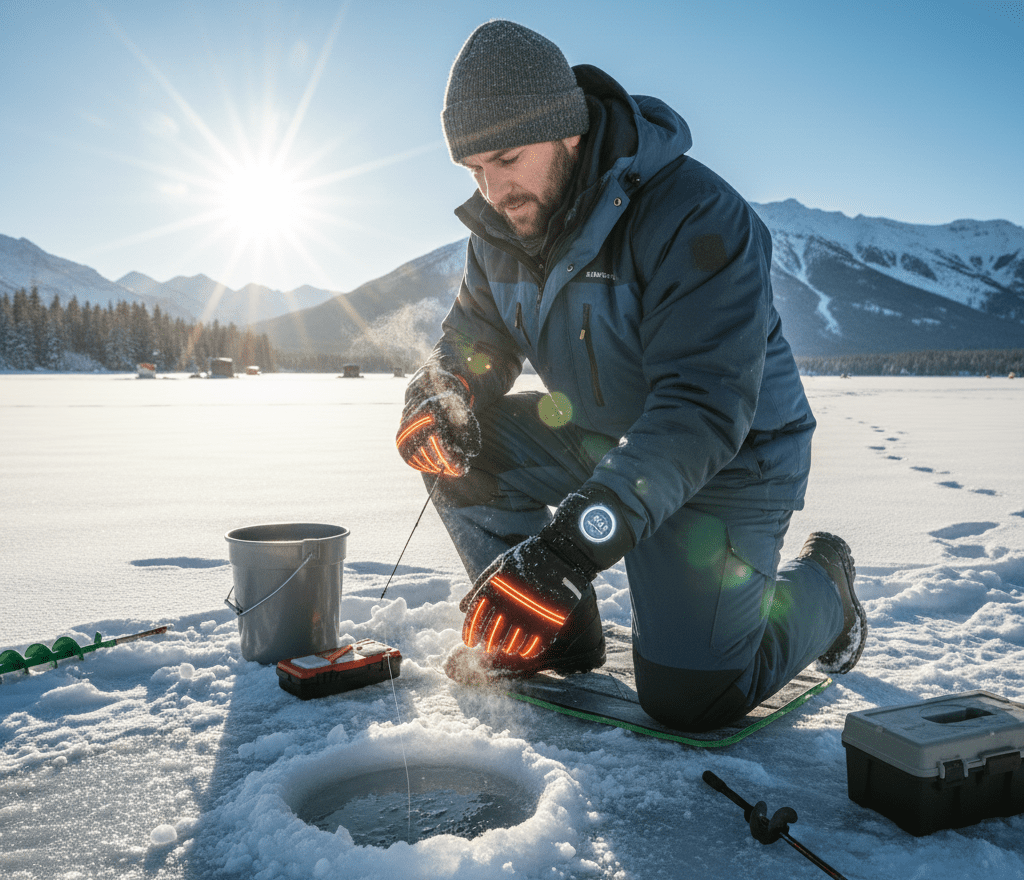
Water-Resistant Shells
Water exposure is the biggest enemy when fishing on ice. Even tiny splashes or ice-cold wind hitting wet gloves can drain heat fast. Winter sports gloves with water-resistant or waterproof outer layers protect your hands while keeping insulation dry.
Key benefits:
- Keeps hands warm even in slushy ice holes
- Prevents cold spots caused by damp insulation
- Reduces risk of frostbite during long fishing sessions
Pro Tip: Always check glove seams and wrist closures to avoid water sneaking in under long exposure.
Cold Exposure Risks
Ice fishing is a slow-paced activity, which means can ski gloves be used for other sports? Absolutely. But slow movement + extreme cold = higher frostbite risk. Gloves need:
- Tight, insulated fit
- Windproof shells
- Optional liners for extra warmth
Research from the Journal of Cold-Weather Safety shows that hands exposed to below-freezing temperatures for more than 30 minutes can lose dexterity, making glove choice critical.
When Mittens Are Better
For long ice-fishing sessions, mittens often outperform gloves. But if you want to handle small tools, multipurpose ski gloves with finger mobility work best.
Consider:
- Mittens for maximum warmth
- Gloves for dexterity (baiting, line handling)
- Hybrid mittens with removable liners for flexible heat control
Bottom Line
Ice fishing demands both warmth and control. Ski gloves for other winter sports provide the perfect balance of insulation, waterproofing, and dexterity. Choose gloves over mittens for active tasks, or mittens for prolonged passive exposure in extreme cold.
7. Excellent for Shoveling Snow or Winter Yard Work
Cold hands and wet gloves can turn simple winter chores into a miserable experience. That’s where ski gloves for other winter sports come in handy—they’re not just for slopes. Durable insulation, reinforced palms, and water-resistant materials make them perfect for snow shoveling, ice scraping, or clearing walkways.
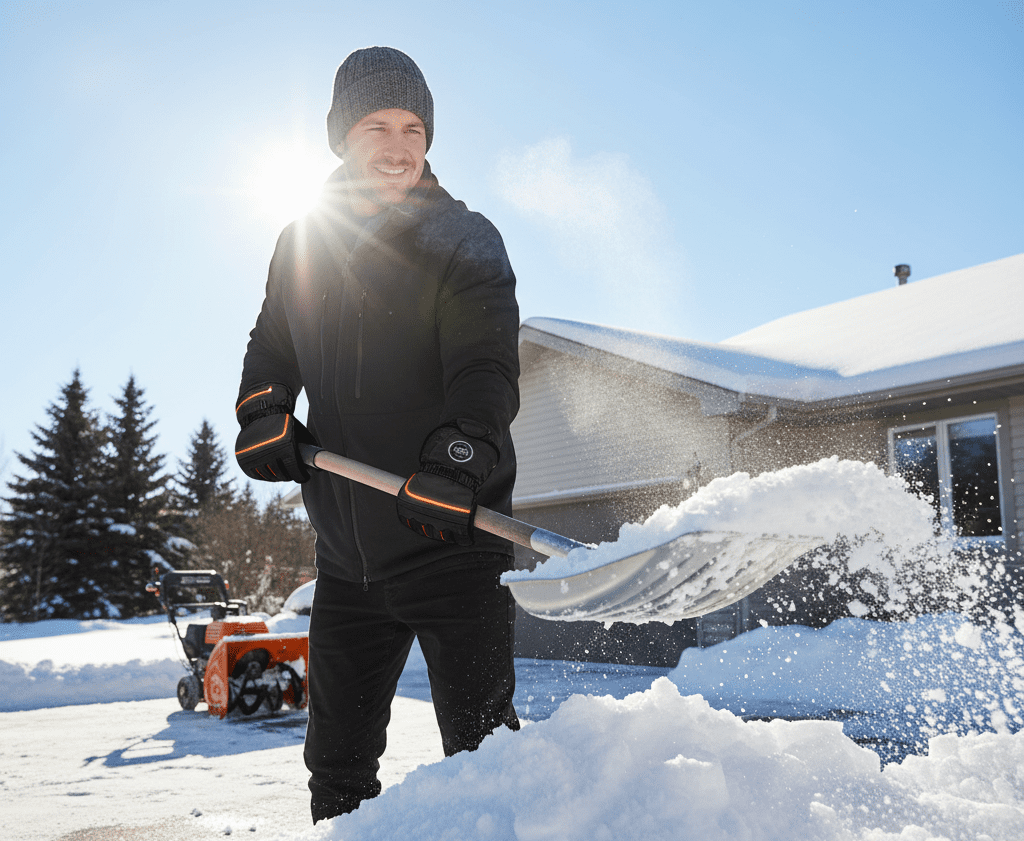
Ski Gloves for Other Winter Sports – Built for Chores
Key features to look for when using gloves for yard work:
- Durability: Strong materials resist tears from shovels and rough surfaces
- Palm Reinforcement: Extra grip and padding prevent hand fatigue
- Staying Warm + Dry: Insulated, waterproof shells keep hands cozy even in wet snow
Pro Tip: Layer with thin liners if you expect prolonged exposure—this keeps fingers nimble while maintaining warmth.
Bottom Line
Ski gloves for other winter sports aren’t just ski-specific—they excel in outdoor chores too. With reinforced palms and waterproof insulation, you can clear snow or do winter yard work without numb fingers or cold hands.
Bonus — Ski Gloves for Daily Winter Use
Ski gloves aren’t just for the slopes or winter sports—they’re surprisingly useful for everyday cold-weather tasks. From walking the dog to commuting in icy conditions, the right gloves keep your hands warm, flexible, and functional. Ski gloves for other winter sports excel in daily life thanks to their insulation, grip, and durability.
Ski Gloves for Other Winter Sports – Everyday Comfort
Practical features for daily winter use:
- Touchscreen Fingertips: Stay connected without removing gloves
- Lightweight vs Heavy Gloves: Choose light gloves for commuting and errands, heavier gloves for longer outdoor exposure
- Dexterity & Grip: Maintain control of steering wheels, bike handles, or shopping bags
Pro Tip: Waterproof or water-resistant shells prevent wet hands while walking through snow or slush.
Bottom Line
Whether you’re driving, walking, or running errands, ski gloves for other winter sports provide the perfect mix of warmth, comfort, and practicality—no ski slope required.
Ski Gloves Work for Other Winter Sports(Table)
| Winter Sport | Ski Gloves Suitable? | Why / Why Not |
| Snowboarding | Yes | Ski gloves for other winter sports work perfectly—similar insulation, flexibility, and protection. |
| Ice Skating | Yes | Multipurpose ski gloves offer warmth, dexterity, and grip for skating. |
| Snowmobiling | Partially | Choose windproof or battery-heated ski gloves for extended cold exposure. |
| Ice Fishing | Yes/No | Waterproof ski gloves are ideal; mittens may be better for extreme cold. |
| Hiking / Snowshoeing | Yes | Breathable, moisture-wicking, and durable ski gloves make winter hiking comfortable. |
| Shoveling Snow / Yard Work | Yes | Strong, waterproof gloves keep hands warm and dry for daily winter tasks. |
Mistakes to Avoid When Using Ski Gloves for Other Sports
Even the best ski gloves for other winter sports can underperform if you don’t use them properly. Avoid these common mistakes to get the most out of your gloves:
- Wearing too thick gloves for high-dexterity activities
Heavy or overly insulated gloves can reduce finger mobility, making tasks like snowboarding tricks, ice skating spins, or handling snowmobile controls harder. Multipurpose ski gloves with moderate thickness often strike the best balance. - Not drying gloves properly
Moisture trapped inside your winter sports gloves can damage insulation and reduce warmth. Make sure to air-dry them thoroughly after skiing, hiking, or sledding to maintain performance. - Using low-quality liners
Thin liners can fail to wick moisture or add extra warmth. For winter sports gloves, investing in durable, breathable liners improves comfort and extends the life of your ski gloves for other sports.
Pro Tip: Rotate gloves for different activities—what works best for snowmobiling may not be ideal for ice skating or winter yard work. Using sport-specific liners and layering can maximize warmth, dexterity, and grip.
FAQs — Ski Gloves for Other Winter Sports
Wondering how ski gloves can work beyond skiing? Here are the most common questions skiers and winter sports enthusiasts ask:
Can ski gloves be used for snowboarding?
Yes! Ski gloves for other winter sports often work well for snowboarding. They provide similar insulation, grip, and wind resistance. For best performance, choose gloves with good dexterity and waterproofing. Multipurpose ski gloves are ideal for riders who switch between skiing and snowboarding.
Are ski gloves good for hiking or ice skating?
Absolutely. Ski gloves offer warmth, breathability, and flexibility needed for winter hiking and ice skating. Look for moisture-wicking liners and adjustable wrist cuffs to keep hands dry and comfortable. Winter sports gloves can often replace separate gloves for these activities.
What makes ski gloves versatile for winter sports?
Ski gloves for other winter sports are designed to balance warmth, grip, and dexterity. Features like waterproof shells, reinforced palms, and adjustable insulation make them suitable for multiple activities—from sledding and snow tubing to winter commuting.
Do I need special gloves for snowmobiling?
Partially. While standard ski gloves can work, snowmobiling often demands windproof or battery-heated options to handle high-speed cold exposure. Multipurpose ski gloves with extra insulation are safer for prolonged rides.
Are ski gloves waterproof enough for ice fishing?
It depends on the glove. Ski gloves with water-resistant or fully waterproof shells are suitable for ice fishing, especially if you spend long hours on icy surfaces. Mittens may outperform gloves in extreme wet-cold conditions.
Final Verdict
After looking at the versatility of ski gloves, it’s clear that ski gloves for other winter sports aren’t just for skiing. They provide warmth, grip, and protection across multiple activities—from snowboarding and ice skating to winter hiking, sledding, and even ice fishing.
Quick Pros & Cons
Pros:
- Warm and insulated for extreme cold
- Flexible and breathable for dexterity
- Multipurpose design saves money and gear space
- Waterproof or water-resistant options protect hands
Cons:
- Not all gloves are fully waterproof for wet conditions
- Bulkier gloves can reduce finger precision in some sports
- Battery-heated or high-tech gloves may be more expensive
Recommendation
For beginners or casual winter sports enthusiasts, multipurpose ski gloves are highly recommended. They keep your hands warm, dry, and comfortable across a variety of activities, so you don’t need separate gloves for each sport. For extreme cold, consider gloves with extra insulation or waterproof layers.
✔ Don’t let cold hands ruin your winter adventures. Check out our top picks for versatile ski gloves for other winter sports and stay warm, protected, and ready for every activity this season! [Visit our website for the full guide].
Written by Awais Rafaqat, a passionate skier and mountain guide with over 10 years of experience navigating extreme winter conditions. Combining hands-on testing with safety research, Awais shares practical tips to keep your hands warm, nimble, and protected on every adventure.