
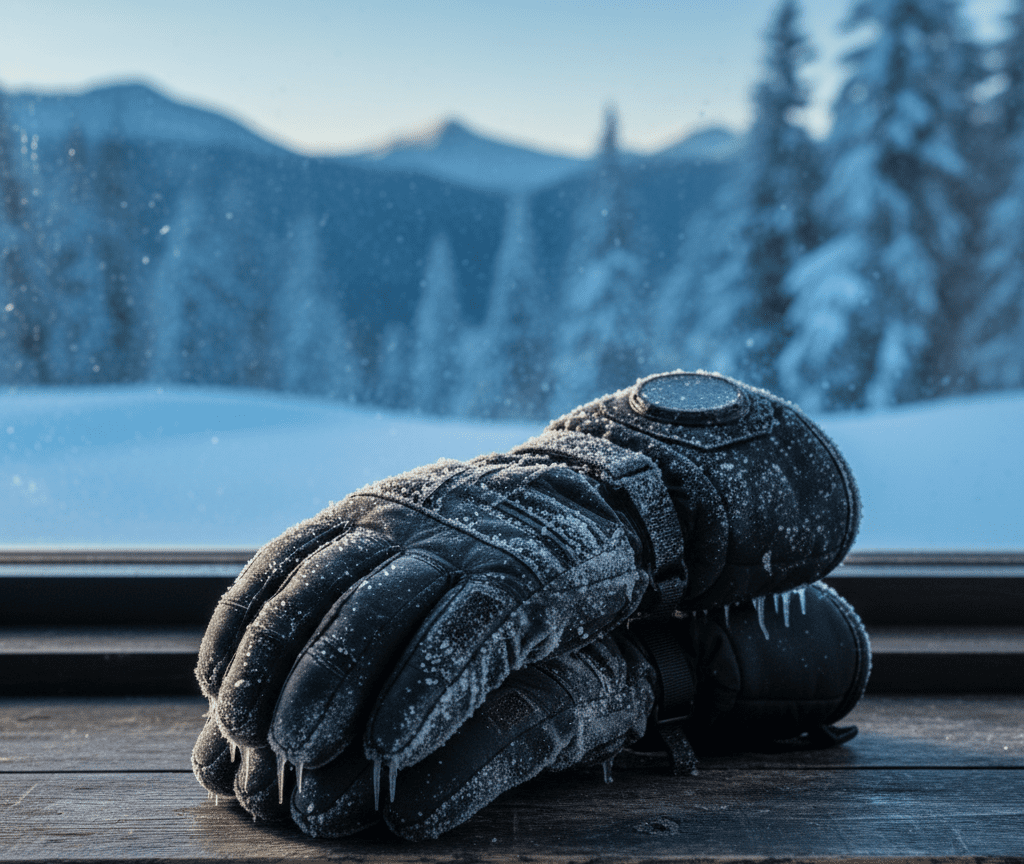
Ski gloves freeze overnight — this is a very common problem for skiers. Ski gloves freeze overnight even when you leave them inside your room. Ski gloves freeze overnight because most people don’t know how gloves really dry.
You wake up early.
You are ready to go skiing.
You pick up your gloves.
They are hard.
Cold.
Frozen.
This happens to beginners and experienced skiers. I have seen it many times on the mountain. And yes, it can ruin your whole day before it even starts.
Most people think gloves freeze only because of snow. That is not true. The real reason is moisture trapped inside the glove. When wet ski gloves freeze, they feel like ice blocks in the morning. Many skiers also don’t understand why ski gloves stay wet even after being indoors all night.
This article will help you understand the real reason.
In this guide, you will learn:
- Why ski gloves freeze overnight even indoors
- Why you wake up with ski gloves frozen in the morning
- Common drying mistakes skiers make
- The correct way to dry ski gloves fast
- The safe way to learn how to dry ski gloves overnight
Everything is explained in simple words. No technical stuff. Just real advice that works.
Let’s start with the quick answer.
Why Do Ski Gloves Freeze Overnight? (Quick Answer First)
Ski gloves freeze overnight because water stays trapped inside them. Ski gloves freeze overnight when that water cannot dry. Ski gloves freeze overnight because cold air turns trapped water into ice.
Here is the simple reason:
- Your hands sweat while skiing
- Snow melts into the gloves
- Water stays inside the padding
- There is no airflow
- The temperature drops
- The water freezes
This can happen even inside your house.
Gloves may look dry on the outside. But inside, they are still wet. When night comes and the air gets cold, the moisture turns into ice. That is why your gloves feel stiff and frozen in the morning.
This happens more when gloves are:
- Left in a car or garage
- Kept inside a closed bag
- Placed near a heater (outside dries, inside stays wet)
So the problem is not bad luck. It is not always cheap gloves. It is moisture stuck inside.
Next, we will explain the 7 main reasons this happens — and how to stop your gloves from freezing again.
- Why Do Ski Gloves Freeze Overnight? (Quick Answer First)
- Reason #1 — Moisture Trapped Inside the Insulation
- Reason #2 — Drying Ski Gloves in Cold or Unventilated Rooms
- Reason #3 — Putting Wet Ski Gloves in a Sealed Bag
- Reason #4 — Using Direct Heat That Locks in Moisture
- Reason #5 — Insulation Type That Holds Water
- Reason #6 — Sweat You Didn’t Notice While Skiing
- Reason #7 — Poor Drying Habits Between Ski Days
- Comparison Table — What Makes Ski Gloves Freeze Faster
- How to Dry Ski Gloves Overnight (Step-by-Step Guide)
- Mistakes That Make Ski Gloves Freeze Every Night
- FAQs — Ski Gloves Freezing Overnight
- Final Verdict — Frozen Ski Gloves Are Preventable
Reason #1 — Moisture Trapped Inside the Insulation
One big reason ski gloves freeze overnight is moisture stuck deep inside the insulation. This moisture mostly comes from sweat. Yes—your hands sweat even in cold weather. When you ski hard, heat builds up inside the glove. That sweat has nowhere to go.
I’ve had days where my gloves felt fine on the lift. But later that night, ski gloves freeze overnight because the inside never dried. The outside looked dry. The inside was not.

How sweat turns into ice
- Hands sweat while skiing
- Sweat soaks into the insulation
- Insulation holds water
- Night temperatures drop
- Water turns into ice
This is why wet ski gloves freeze and feel rock-hard the next morning.
Why insulation type matters
Not all insulation reacts the same way to moisture. Some freeze faster than others.
| Insulation Type | What Happens When Wet | Freeze Risk |
| Synthetic (polyester) | Holds moisture between fibers | Medium |
| Down (feathers) | Clumps when wet, loses warmth | High |
| High-loft synthetic | Dries faster, keeps shape | Low |
Down insulation is very warm when dry. But once wet, it collapses. That trapped water freezes easily, which is why ski gloves freeze overnight more often with down-filled gloves.
This matches advice from cold-weather gear experts and outdoor safety guides, including recommendations from REI and mountaineering safety resources that warn against moisture buildup in handwear during winter use.
The fix (simple and safe)
Don’t use high heat. Heat dries the outside first and traps moisture inside.
Do this instead:
- Turn gloves inside out
- Place them in an open, dry room
- Let air circulate, not direct heat
- Keep them off cold floors or windowsills
From my own experience, turning gloves inside out overnight made the biggest difference. The first time I tried it, my gloves were soft and warm the next morning—not frozen.
Quick tip: Airflow dries gloves better than heaters. This helps protect insulation and keeps gloves warmer longer.
This is only one reason. The next ones are just as common—and just as easy to fix if you know what to look for.
Reason #2 — Drying Ski Gloves in Cold or Unventilated Rooms
One reason ski gloves freeze overnight is drying them in cold or unventilated rooms. Many skiers leave their gear in lodges, garages, or cars thinking “inside is warmer.” But cold rooms with no airflow can act like freezers. That trapped moisture inside the gloves stays wet — and makes ski gloves freeze overnight even inside a building.
I once left my gloves in a ski lodge corner between runs. The room felt warm, but there was no airflow. The next morning, my gloves were stiff and icy. Ski gloves freeze overnight in places like this because moist air can’t escape, and the damp insulation never dries fully. This is exactly why wet ski gloves freeze even if you think they’re indoors.
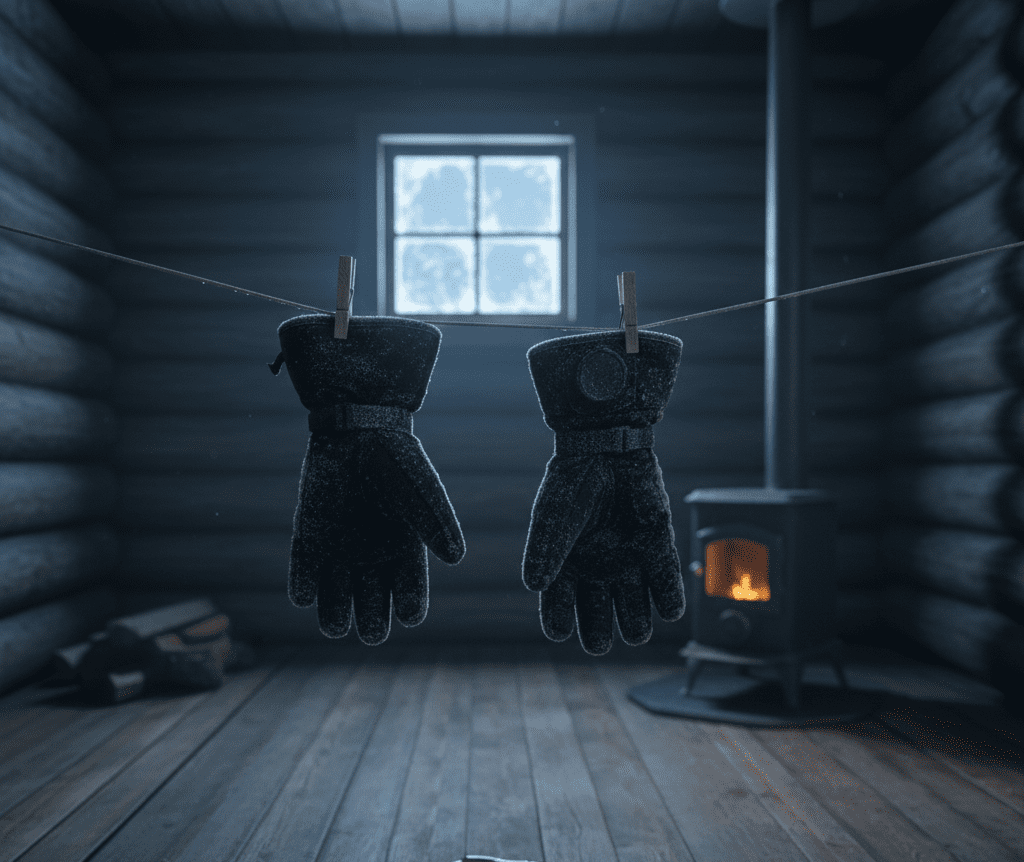
Why “indoors” doesn’t always mean warm enough to dry
- Lodges may be heated, but often have cold storage areas or ski racks where airflow is poor. Moisture stays trapped.
- Garages are usually unheated or only slightly warm — not enough to dry gloves.
- Cars cool quickly overnight, so moisture in gloves condenses and can freeze again.
Research on drying outdoor clothing shows that airflow is key to moisture evaporation — not just warmth. Without airflow, moisture stays inside fabrics and makes them heavier and colder.Free The Powder Gloves
The fix — Ventilated, warm space + proper drying tools
To stop ski gloves freeze overnight from this issue, follow these steps:
Choose a ventilated, warm space
- A living room or heated hallway with open space works best.
- Open a window slightly or use a small fan to move air around.
- Avoid rooms that are cold, humid, or stagnant.
Use glove/boot dryers or airflow tools
Electric glove dryers are designed to remove moisture safely without high heat. They gently push air inside gloves and liners, helping them dry fully. This prevents ski gloves freeze overnight again. Many ski shops and experts recommend air circulation systems like glove or boot dryers to speed up drying without damage.
Avoid heaters and radiators
High heat can damage waterproof membranes or shrink materials. Instead, think airflow, not heat. Even a basic fan helps because it moves moist air away from the gloves.
Quick checklist to dry gloves the right way
- Place gloves in a warm, well-ventilated room
- Use a glove/boot dryer to circulate air gently
- Don’t leave gloves in closed cars or garages overnight
- Don’t rely on heaters alone — they trap moisture inside
From my experience, using even a low-power glove dryer or fan overnight made gloves warm and ready by morning — no icy stiffness.
Pro tip: Stuff gloves with paper towels or microfiber cloths before drying. They absorb internal moisture fast and help prevent the dreaded ski gloves frozen in the morning feeling.
Reason #3 — Putting Wet Ski Gloves in a Sealed Bag
Another big reason ski gloves freeze overnight is storing them in sealed spaces. Plastic bags, backpacks, ski lockers — these all trap moisture. When air can’t move, water stays inside the glove. That trapped water is exactly why ski gloves freeze overnight again and again. I’ve made this mistake myself, stuffing gloves into a backpack after skiing, only to wake up with stiff hands and regret. Yes, ski gloves freeze overnight faster in closed bags than in open air.
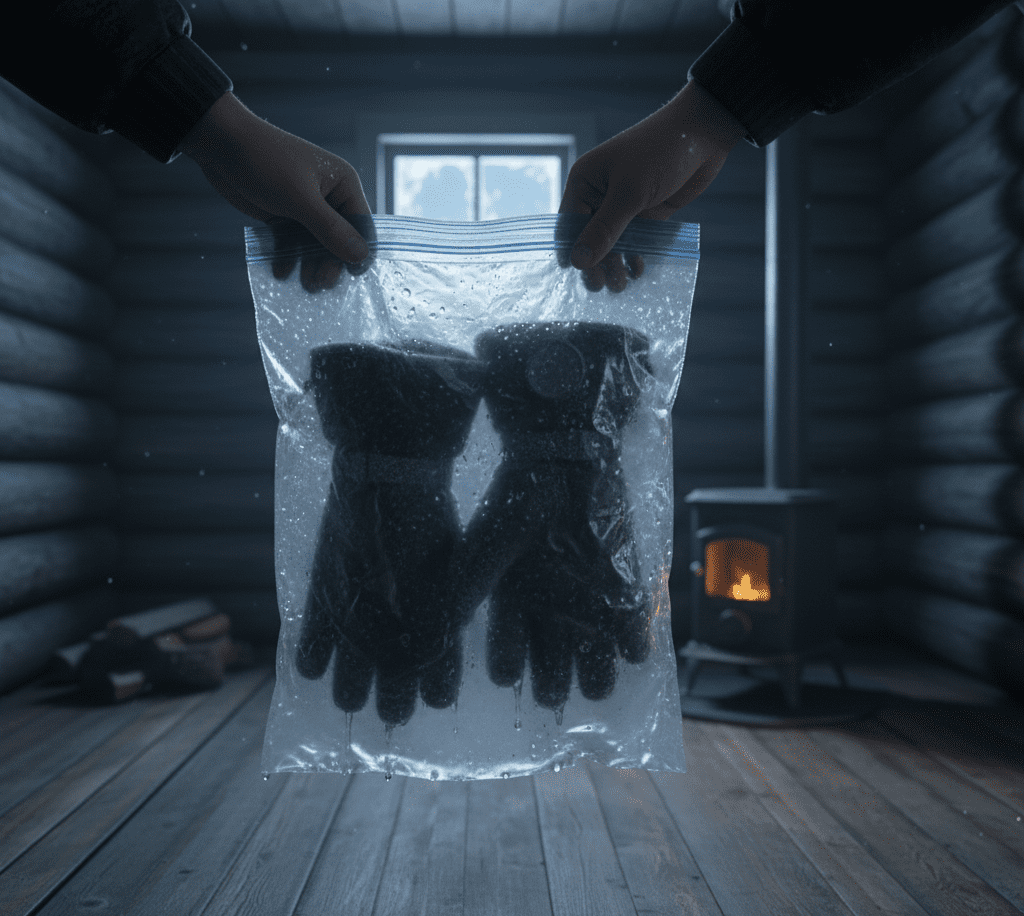
Why sealed bags cause freezing
When gloves are wet and sealed:
- Moisture has nowhere to escape
- Warm air stays trapped inside
- Cold night air cools everything down
- Water inside the insulation turns to ice
This is why you often get ski gloves frozen in the morning, even though you never left them outside.
Waterproof materials don’t fix this problem. Gloves made with membranes like GORE-TEX, eVent, or Hipora are designed to block outside water, not release trapped sweat when airflow is zero. The same goes for insulation like PrimaLoft or Thinsulate — great materials, but they still need air to dry.
Common storage mistakes skiers make
- Putting gloves in plastic grocery bags
- Zipping gloves inside backpacks overnight
- Leaving gloves in ski lockers
- Stuffing gloves inside helmet bags or boot bags
I see this all the time at resorts. People seal wet gloves to “protect” them, but it does the opposite.
The fix — store gloves open, not sealed
This fix is simple and free.
Do this instead:
- Always store gloves open, not folded
- Hang them from clips or hooks
- Separate the cuffs so air can enter
- Keep them in an open room overnight
Hanging gloves lets air move through the fingers and lining. This is one of the easiest ways to prevent ski gloves freeze overnight without buying any gear.
Quick reminder: Waterproof gloves still need airflow. No airflow = no drying.
From my experience, clipping gloves to a hanger overnight made a huge difference. The next morning, they were soft, dry, and warm — not frozen bricks.
This small habit alone can save your ski day. And it’s one most beginners never get told.
Reason #4 — Using Direct Heat That Locks in Moisture
This one surprises many people. Ski gloves freeze overnight even after you put them near a heater. Ski gloves freeze overnight because direct heat dries only the outside. Ski gloves freeze overnight when the inside stays wet and later turns into ice.
Radiators, space heaters, fireplaces — they feel like the fastest fix. I used to do this myself after long ski days. Gloves felt warm at night. Morning came. Frozen again.
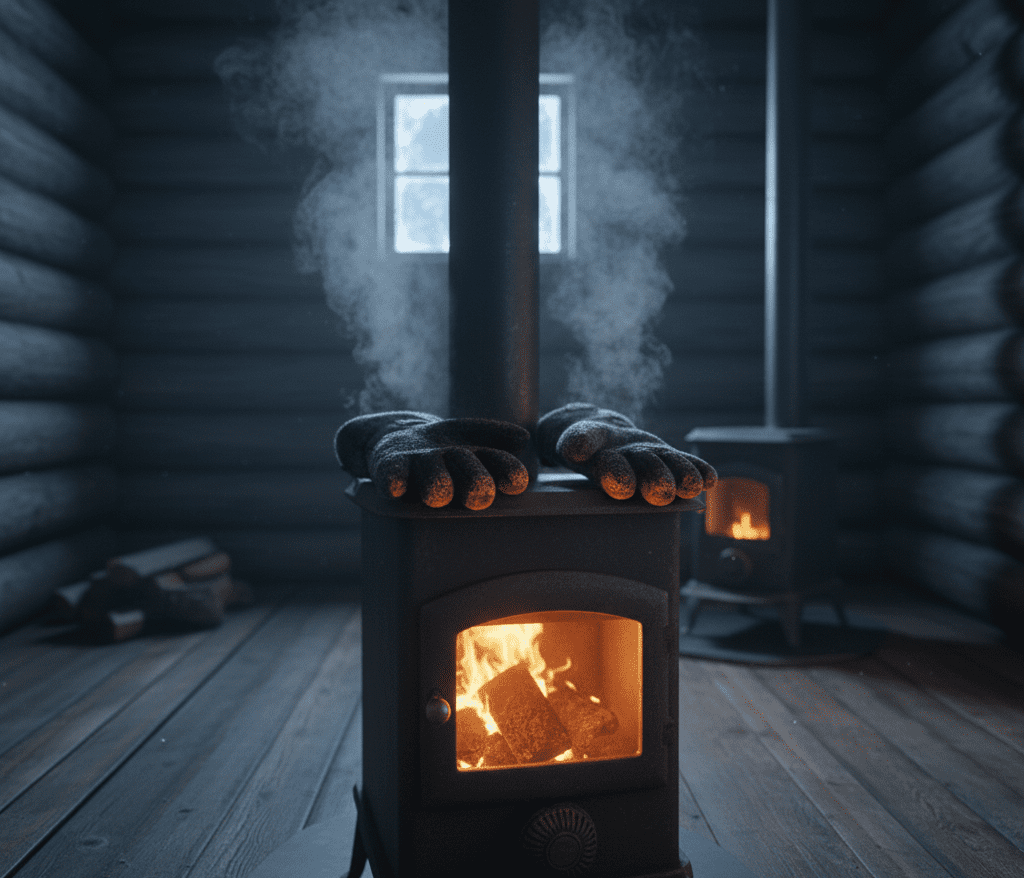
Why direct heat makes things worse
Here’s what really happens:
- Heat dries the outer shell fast
- The inside insulation stays wet
- Moisture gets trapped deep inside
- Night air cools the glove
- Trapped moisture freezes
This is why gloves with membranes like GORE-TEX, eVent, or Hipora still fail when dried on heaters. These materials block water well, but they also slow moisture escape without airflow. Insulation like PrimaLoft or Thinsulate can hold that trapped moisture, too.
So the glove looks dry.
But it isn’t.
That’s when you wake up with stiff fingers and cold hands.
Common heat mistakes
- Placing gloves directly on radiators
- Hanging gloves over heaters
- Setting gloves near fireplaces
- Blasting them with hot air
All of these dry the shell first and lock moisture inside.
The fix — low heat + airflow only
Use gentle warmth and moving air.
Do this:
- Keep gloves away from direct heat
- Dry them in a warm room
- Use airflow (fan or dryer)
- Let air move through the fingers
Airflow pulls moisture out slowly and safely. This keeps insulation healthy and stops ski gloves freeze overnight problems.
Simple rule: If it’s too hot for your hands, it’s too hot for your gloves.
From my experience, switching from heaters to airflow fixed this issue completely. My gloves stopped freezing, and they also lasted longer.
Next, we’ll look at another hidden mistake that almost every skier makes without realizing it.
Reason #5 — Insulation Type That Holds Water
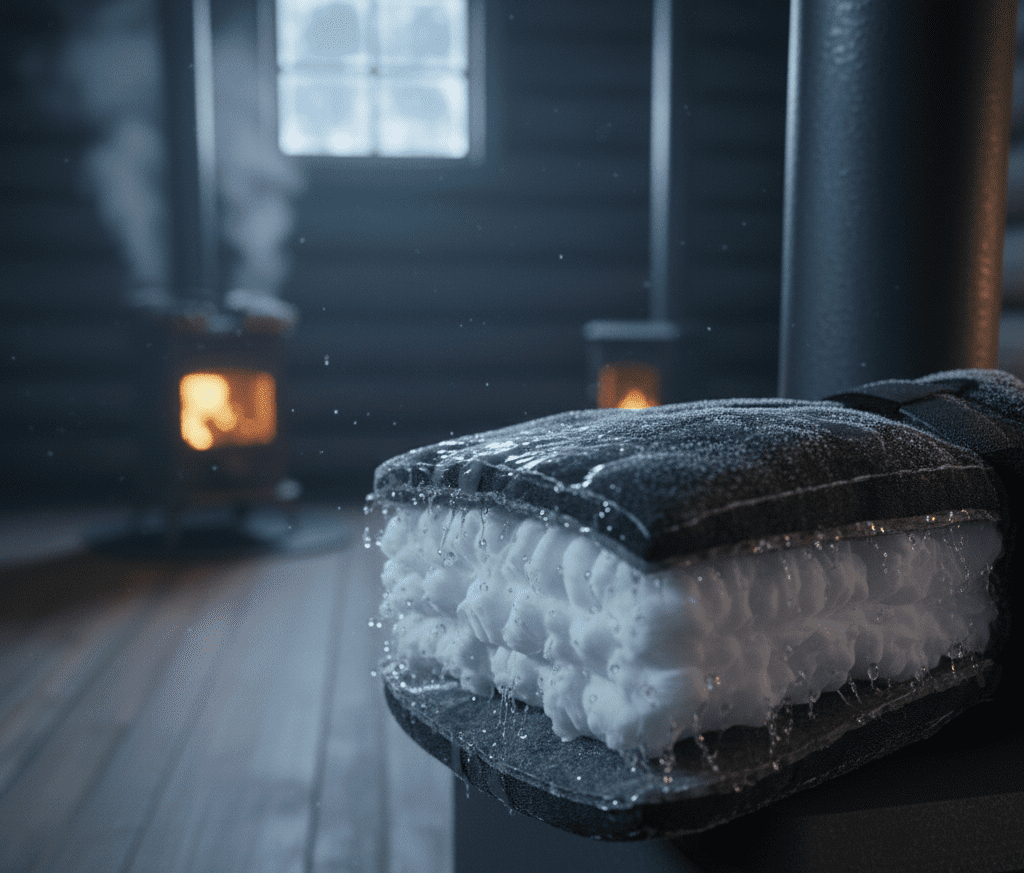
One major reason ski gloves freeze overnight is the type of insulation inside them. Not all gloves dry the same way. Some insulation traps water, making wet ski gloves freeze quickly. Ski gloves freeze overnight when moisture can’t escape from the padding. Even if the outside looks dry, trapped water inside the insulation turns to ice.
I’ve noticed this personally when using cheaper gloves. They felt warm on the lift, but by the next morning, they were stiff and frozen. That’s because the cheap synthetic fill couldn’t release moisture fast enough.
How insulation affects freezing
- Cheap synthetic fill: Often compresses and traps sweat inside. Slow to dry. Can make ski gloves frozen in the morning.
- Down gloves without waterproof liners: Extremely warm when dry, but if they get wet, they hold water. Even a small amount can freeze overnight.
- High-quality synthetics or removable liners: Allow moisture to escape faster and dry quicker. These prevent ski gloves freeze overnight most of the time.
The fix — breathable membranes & removable liners
To stop gloves from freezing:
- Choose gloves with breathable membranes — they allow trapped moisture to evaporate naturally.
- Look for removable liners — you can take them out and dry them separately. This is one of the fastest ways to dry ski gloves overnight.
- Stuff with paper towels after skiing — it helps absorb sweat inside the glove.
- Avoid sealing wet gloves in bags — moisture has to escape.
Quick tip from experience: Gloves with removable liners dry faster and feel warmer in the morning. Using them helped me stop dealing with ski gloves frozen in the morning, even after long days on the slopes.
Using the right insulation, combined with airflow and proper drying, is one of the easiest ways to prevent frozen gloves. It’s simple but often overlooked by beginners.
Reason #6 — Sweat You Didn’t Notice While Skiing
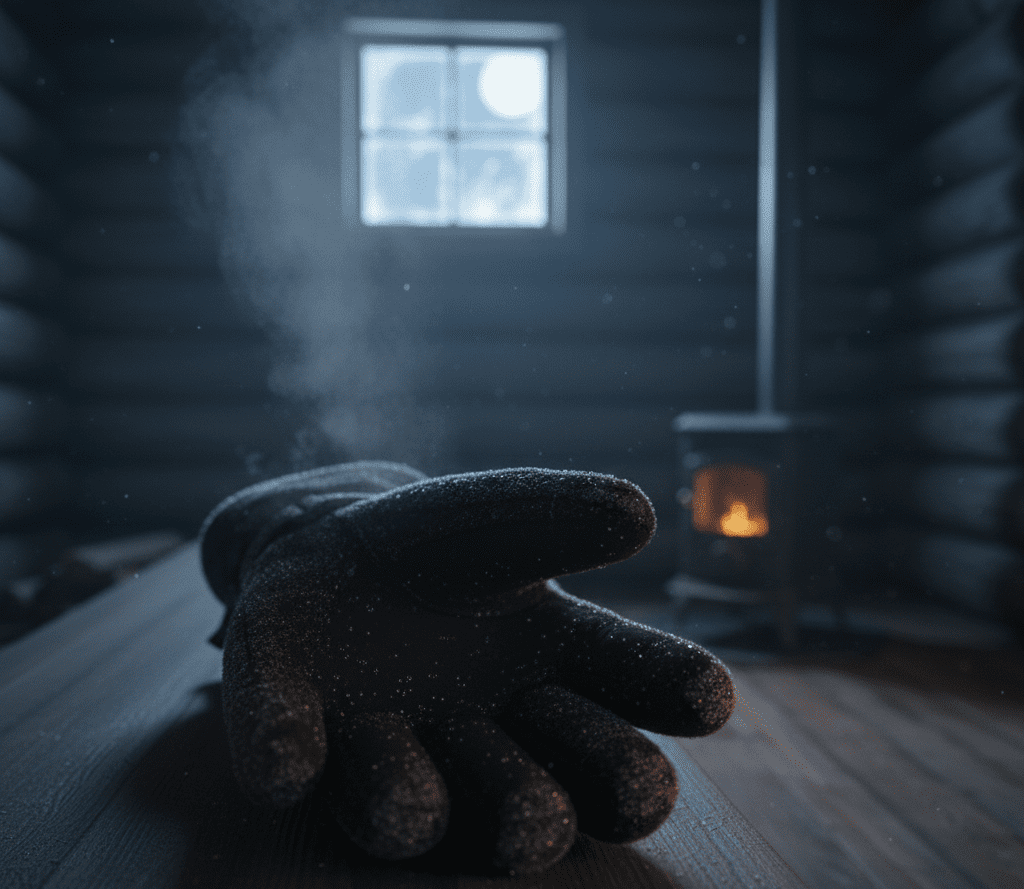
Another surprising reason ski gloves freeze overnight is sweat you didn’t even notice. Yes, your hands can sweat even in sub-zero temperatures. When you ski hard, your body generates heat. That warmth makes your hands sweat inside the gloves. If you leave that moisture trapped, ski gloves freeze overnight while you sleep.
I’ve seen it happen to beginners and pros alike. Gloves feel dry when you take them off, but the insulation is damp inside. By morning, that tiny amount of sweat turns into ice, and suddenly your ski gloves frozen in the morning feel like bricks.
Why cold + sweat = ice
- Hands sweat during skiing
- Moisture gets absorbed by the glove lining
- Cold night temperatures make trapped sweat freeze
- Gloves feel stiff and icy in the morning
Even small amounts of moisture can cause this problem, which is why wet ski gloves freeze faster than you’d expect.
The fix — glove liners & temperature management
- Use thin glove liners
- Liners absorb sweat before it reaches the main glove
- Can be removed and washed or dried separately
- Helps keep gloves drier and warmer
- Liners absorb sweat before it reaches the main glove
- Manage your core temperature
- Avoid overheating your body while skiing
- Layer clothing properly to reduce excess sweat in hands
- Cooler hands sweat less, which prevents freezing
- Avoid overheating your body while skiing
From personal experience, adding thin liners under my main gloves cut down morning freezing dramatically. I could ski longer without cold fingers, and dry ski gloves fast overnight became much easier.
Using liners and controlling sweat is one of the most overlooked steps to stop ski gloves freeze overnight. Combined with proper drying techniques, it ensures gloves stay warm and ready every morning.
Reason #7 — Poor Drying Habits Between Ski Days
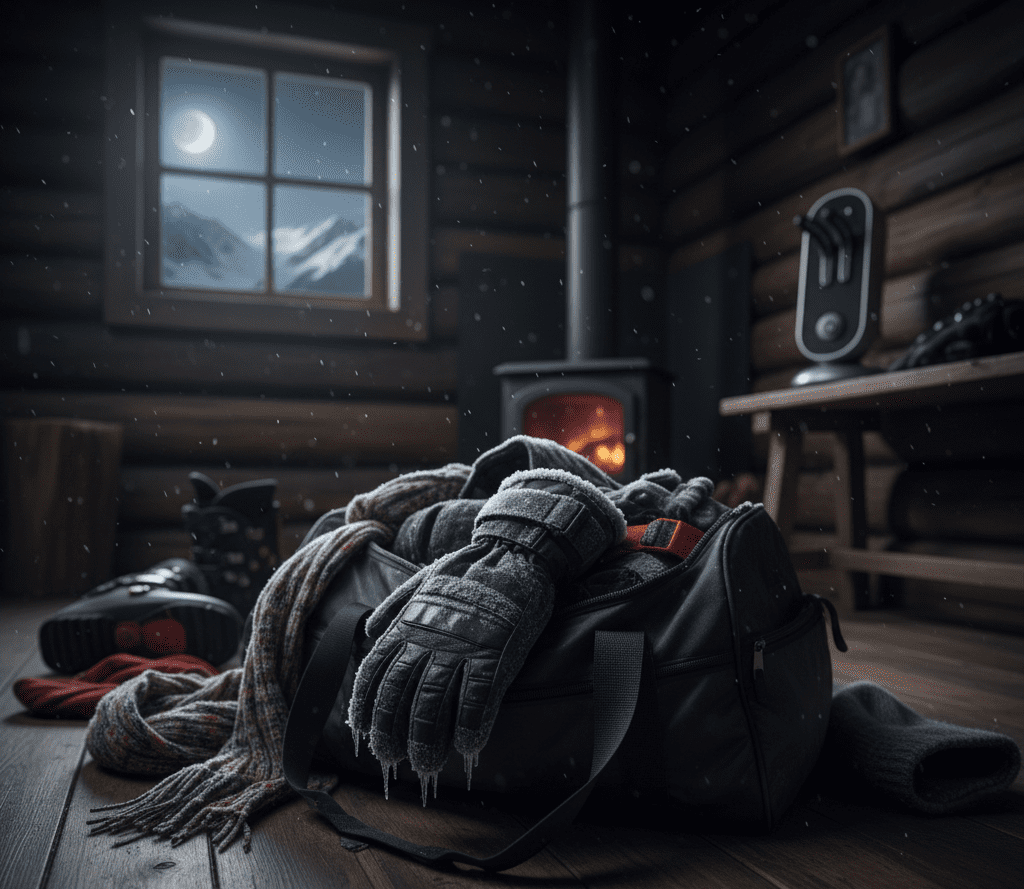
One final reason ski gloves freeze overnight is simple: poor drying habits. Many skiers leave gloves damp between ski days. Even if gloves didn’t feel soaked, repeating the wet-freeze cycle weakens insulation over time. This is why ski gloves freeze overnight more often on multi-day trips.
I’ve experienced this myself on weekend trips. Gloves that were slightly damp on Friday night felt stiff and icy by Saturday morning, even before hitting the slopes. Over time, poorly dried gloves gradually lose warmth and protection, making it harder to stay comfortable.
How gloves lose warmth
- Moisture trapped inside insulation
- Night temperatures freeze damp areas
- Insulation compresses and clumps
- Gloves hold less heat each day
- By the next morning, you notice ski gloves freeze overnight again
This cycle is especially common with gloves that are stored in backpacks, lockers, or non-ventilated areas.
The fix — daily drying routine & midday airing
- Create a daily drying routine
- Turn gloves inside out after skiing
- Let them air in a ventilated, warm space
- Use a glove dryer or fan if available
- Turn gloves inside out after skiing
- Air gloves during the day
- Midday lift breaks or lodge stops are perfect for airing
- Shake gloves out and expose fingers to airflow
- Helps reduce sweat buildup and prevents wet ski gloves freeze overnight
- Midday lift breaks or lodge stops are perfect for airing
Personal tip: After adopting a simple drying routine between ski days, I stopped seeing my ski gloves frozen in the morning. Even after heavy skiing, gloves stayed soft, warm, and ready for the next day.
Consistent care is key. Even the best gloves fail if moisture builds up and freezes repeatedly. Following these habits prevents repeated cold hands and keeps your insulation in top condition.
Comparison Table — What Makes Ski Gloves Freeze Faster
| Cause | Freezes Fast? | Why |
| Sweat inside | Yes | Moisture trapped in insulation causes ski gloves freeze overnight and stiff fingers. |
| Sealed storage (bags, lockers) | Yes | No airflow; damp insulation can’t dry, so wet ski gloves freeze quickly. |
| Direct heaters/radiators | Yes | Outer layer dries, inside stays wet — leads to ski gloves frozen in the morning. |
| Proper airflow & ventilated drying | No | Moisture escapes naturally, keeping gloves dry and preventing ski gloves freeze overnight. |
Pro tip: Even high-quality gloves with good insulation will freeze if moisture is trapped. Always combine proper drying, liners, and airflow for best results.
How to Dry Ski Gloves Overnight (Step-by-Step Guide)
If you’ve ever struggled with ski gloves freeze overnight, this step-by-step guide will help. Following the right process prevents moisture from getting trapped and keeps your gloves warm and soft. You can use this method for wet ski gloves freeze issues or just to dry ski gloves fast between ski days.
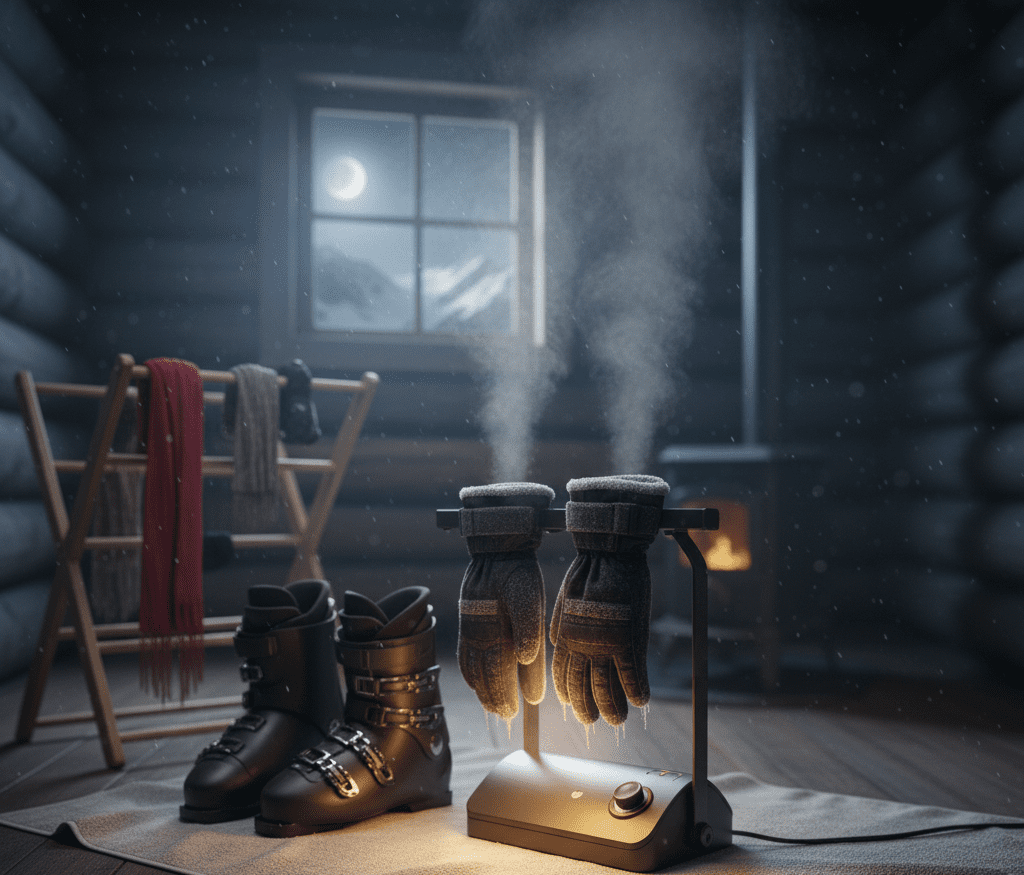
Step 1: Remove liners and separate gloves
- Take out removable liners if your gloves have them.
- Open all cuffs and fingers so air can circulate.
- This step prevents the inner insulation from staying damp.
Step 2: Turn gloves inside out
- Flip your gloves inside out to expose the wet inner lining.
- This is one of the most important steps to prevent ski gloves frozen in the morning.
Step 3: Choose a ventilated, warm space
- Place gloves in a room that is warm but not hot.
- Avoid direct heaters or radiators — heat dries the outside too fast and traps moisture inside.
- A spot near a fan or open window with gentle airflow works best.
Step 4: Use drying aids if available
- Stuff gloves with paper towels or microfiber cloths to absorb moisture.
- Optional: Use a glove or boot dryer on a low setting. This is safe for both leather and synthetic gloves.
Step 5: Let them dry overnight
- Leave gloves in the ventilated area for 8–12 hours.
- Check in the morning; the gloves should be soft, warm, and ready to wear.
- Repeat the process for liners if they were removed.
Pro tip: Managing sweat while skiing helps. Using glove liners reduces moisture inside, making it easier to dry ski gloves overnight. Combined with this method, you’ll prevent ski gloves freeze overnight almost every time.
This simple routine works for all types of gloves, including leather, synthetic, and insulated options. Following it consistently ensures your gloves stay warm, dry, and ready for skiing each day.
Mistakes That Make Ski Gloves Freeze Every Night
Even the best gloves can fail if you make simple mistakes. These habits often lead to ski gloves freeze overnight, leaving you with cold, stiff hands in the morning.
1. Leaving liners inside
- Keeping liners inside the gloves traps sweat and slows drying.
- This causes wet ski gloves freeze overnight.
- Always remove liners before drying to let airflow reach the insulation.
2. Using hair dryers or high heat
- Hair dryers dry the outside first and lock moisture inside.
- This is why gloves can feel warm at night but still be ski gloves frozen in the morning.
- Low-heat airflow or ventilated drying is much safer.
3. Ignoring moisture buildup
- Many skiers assume gloves are dry if they feel dry outside.
- Trapped moisture in insulation leads to repeated freezing cycles.
- Managing sweat and using proper drying techniques helps dry ski gloves fast and prevents nightly freezing.
Quick tip: Combine proper drying, glove liners, and ventilation. Avoid these three mistakes, and you’ll stop dealing with ski gloves freeze overnight for good.
FAQs — Ski Gloves Freezing Overnight
Many skiers struggle with ski gloves freeze overnight. These common questions cover why it happens, how to fix it, and how to prevent it in the future.
Why do my ski gloves freeze even indoors?
Ski gloves freeze overnight indoors because moisture is trapped inside the insulation. Even if the outer layer feels dry, sweat or melted snow inside the glove can turn to ice when temperatures drop. Proper airflow and removing liners help prevent this.
How long do ski gloves take to dry overnight?
Drying time depends on moisture level and drying method. With liners removed, gloves turned inside out, and placed in a ventilated, warm space, most gloves dry in 8–12 hours. Using paper towels or a glove dryer can speed up the process and help dry ski gloves fast.
Can I use a heater to dry ski gloves?
High heat is not recommended. Direct heaters dry the outer layer first, locking moisture inside. This is why wet ski gloves freeze overnight even after using a heater. Instead, use low-heat airflow or a ventilated room to dry gloves safely.
Why do my gloves smell and freeze at the same time?
Sweat trapped inside the glove causes odor. When combined with poor drying habits, the moisture can freeze overnight. Removing liners, airing gloves, and managing sweat helps stop this issue while preventing ski gloves frozen in the morning.
Are frozen ski gloves ruined permanently?
Not necessarily. Gloves can often return to normal if dried correctly. Turn them inside out, use airflow, and avoid high heat. Consistently following proper drying methods prevents repeated freezing and prolongs glove life.
Final Verdict — Frozen Ski Gloves Are Preventable
If you’ve ever struggled with ski gloves freeze overnight, the good news is: it’s almost always preventable. The problem isn’t always your gear — it’s habits. How you dry, store, and care for your gloves makes the biggest difference.
By turning gloves inside out, airing them properly, using liners, and avoiding high heat or sealed bags, you can stop the dreaded ski gloves frozen in the morning cycle. Even inexpensive gloves will stay warm and ready when you adopt these routines.
Consistency is key. A few small steps each night prevent stiffness, trapped moisture, and cold fingers — making your ski days longer, more comfortable, and more enjoyable.
Quick Takeaways:
- Air gloves overnight, don’t seal them
- Remove liners and allow airflow
- Avoid direct heat; use low-heat or fan airflow
- Manage sweat and use glove liners if needed
Start drying your ski gloves the right way tonight — your hands will thank you tomorrow. Check out SkiGlovesUSA.com for tips, gear recommendations, and expert advice to keep your hands warm and ready for every mountain adventure.
About the Author
Written by Awais Rafaqat, a passionate skier and mountain guide with over 10 years of experience navigating extreme winter conditions. Combining hands-on testing with safety research, Awais shares practical tips to keep your hands warm, nimble, and protected on every adventure.

Pingback: Why Ski Gloves Freeze Overnight (And How to Prevent It) – Ski Gloves USA