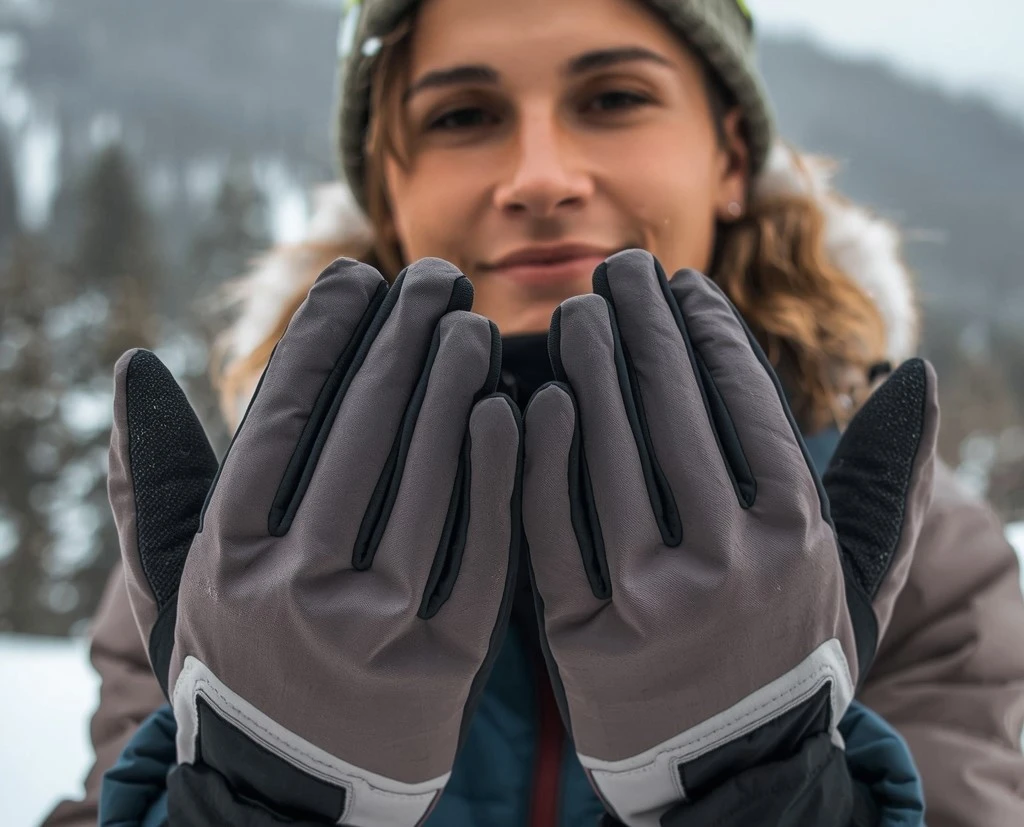
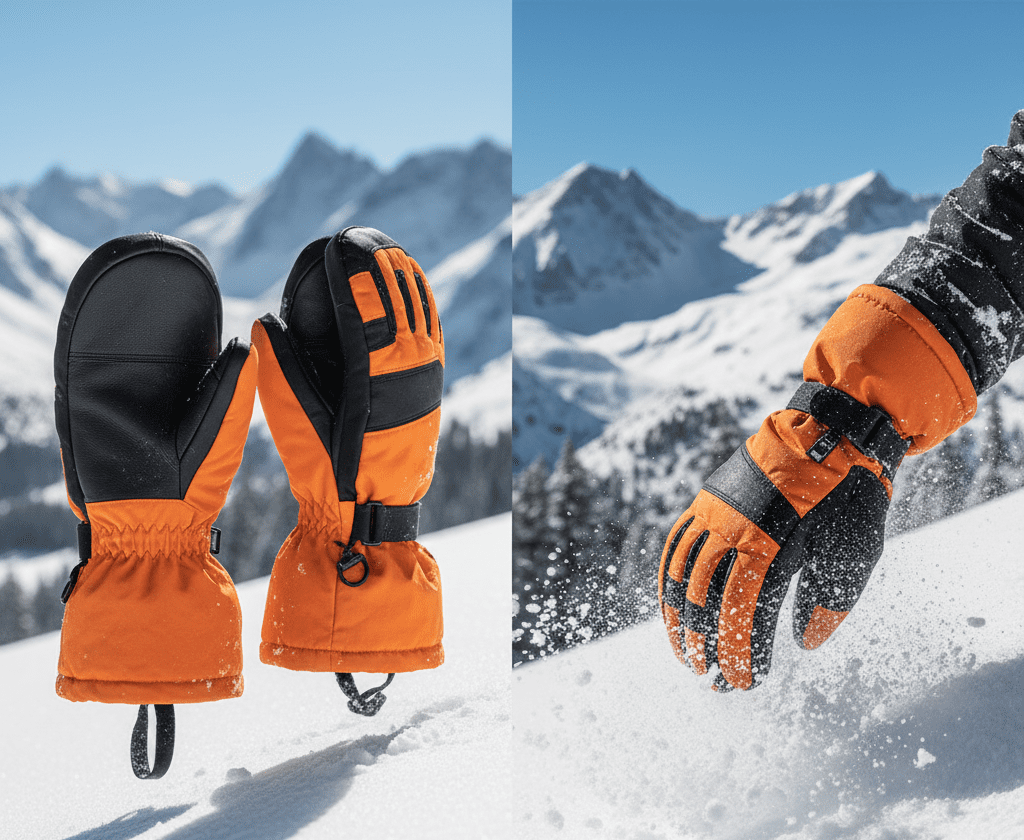
Ski gloves for powder days are not the same gloves you use on groomed runs. Ski gloves for powder days decide whether your hands stay warm or end up soaked and frozen. Ski gloves for powder days matter most when snow is deep, soft, and flying everywhere.
You drop into fresh powder.
Snow explodes around you.
It feels amazing… until snow fills your gloves.
I’ve watched many skiers ruin perfect powder days because their gloves weren’t made for these conditions. The truth is simple: regular gloves fail fast in powder.
This guide is for beginner and intermediate skiers who ski powder, fall often, or struggle with cold hands on deep snow days.
This guide explains why — in clear, simple words. No tech talk. Just real reasons and real fixes from years on snowy mountains.
Why Powder Days Demand Different Ski Gloves
Ski gloves for powder days are needed because powder skiing is different from normal skiing. Ski gloves for powder days protect your hands from deep snow, repeated falls, and constant moisture. Ski gloves for powder days are built to handle snow coming from every direction.
What makes powder days unique?
Powder days mean:
- Deep, loose snow
- Frequent falls and hand contact
- Snow blowing into sleeves
- Face shots and buried arms
Your hands don’t just brush snow — they sink into it.
This is where regular gloves fail.
Why regular ski gloves don’t work in powder
Most standard gloves are made for:
- Groomed runs
- Light snow
- Short snow contact
In powder, they struggle because:
- Short cuffs let snow enter easily
- Weak seals allow moisture inside
- Thin shells soak fast
That’s why many skiers search for ski gloves for powder skiing after one bad day.
Powder gloves are built differently
The best ski gloves for deep snow focus on:
- Longer cuffs for coverage
- Better wrist sealing
- Strong waterproof shells
- Insulation that stays warm when damp
This is why powder day ski gloves often feel bigger, longer, and more protective.
From my own experience guiding skiers in deep snow, once someone switches to proper powder gloves, cold hands stop being a problem. Falls don’t matter anymore. You get up, shake the snow off, and keep skiing.
What this guide will show you
In the next sections, you’ll learn:
- Why long cuff ski gloves matter in powder
- How waterproofing really works in deep snow
- What features actually keep hands dry
- How to choose waterproof ski gloves for powder without guessing
By the end, you’ll know exactly why powder days need different gloves — and how to choose the right ones with confidence.
Fresh snow should feel fun, not frustrating.
- Why Powder Days Demand Different Ski Gloves
- Reason #1 — Deep Powder Gets Inside Regular Gloves
- Reason #2 — Powder Skiing Means More Falls and Hand Contact
- Reason #3 — Powder Days Need Longer Cuffs (Gauntlet Style)
- Reason #4 — Regular Gloves Lose Warmth Faster in Powder
- Reason #5 — Powder Days Need Better Waterproofing
- Reason #6 — Breathability Matters More Than You Think
- Reason #7 — Powder Gloves Are Built Tougher
- Common Mistakes Skiers Make on Powder Days
- Bonus Tips for Choosing Powder Day Ski Gloves
- FAQs — Ski Gloves for Powder Days
- Final Verdict — Powder Days Need the Right Gloves
Reason #1 — Deep Powder Gets Inside Regular Gloves
Deep powder is the number one reason ski gloves for powder days fail when they are not designed for it. The problem is simple: snow goes where there are gaps. And regular gloves have plenty of them. Ski gloves for powder days are built to block those gaps. Ski gloves for powder days keep snow out when your hands sink deep into fresh snow.
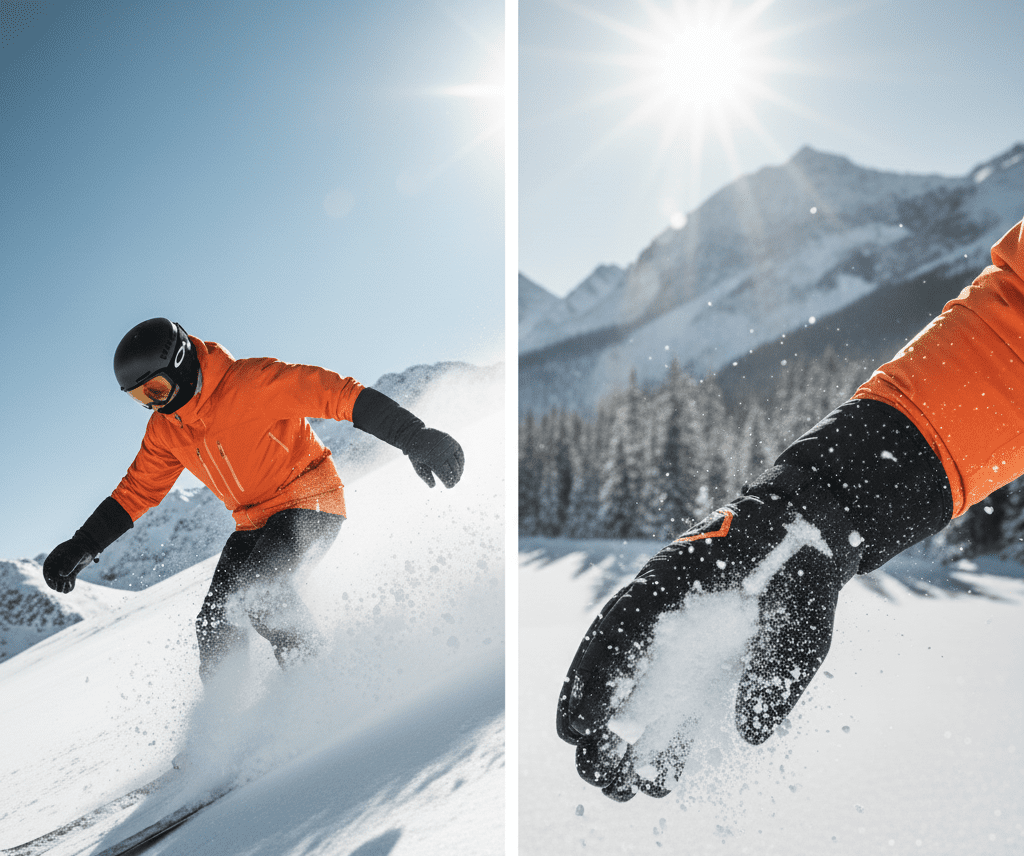
How snow enters through short cuffs
Short cuff gloves stop at the wrist.
That works fine on groomed runs.
But in powder, it’s a problem.
When you fall, turn, or plant your poles:
- Snow pushes up your jacket sleeve
- It slides straight into the glove opening
- The cuff can’t stop it
This is why many powder day ski gloves use longer cuffs that go over the jacket sleeve. That overlap matters more than most people think.
Why powder sticks and melts inside gloves
Powder snow looks light and dry.
But once it’s inside your glove, it melts fast.
Here’s what happens:
- Body heat melts the snow
- Melted snow soaks the insulation
- Wet insulation loses warmth quickly
This is why skiers think their gloves “aren’t warm enough,” even when insulation is thick. In reality, moisture is the enemy.
Cold-weather research and mountain safety experts consistently explain that wet hands lose heat much faster than dry ones, especially when wind is involved. This is why waterproof ski gloves for powder focus on sealing snow out first, not just adding insulation.
Real skiing example (this happens all the time)
From my own experience guiding skiers in deep powder:
A skier falls in knee-deep snow.
Hands go down first.
Snow rushes up the sleeves.
With short gloves:
- Liners are soaked in seconds
- Fingers go numb by the next lift
With long cuff ski gloves:
- Snow stays outside
- Hands stay dry
- The skier keeps going
I’ve watched strong skiers end powder days early because their gloves filled with snow after one fall. The gloves weren’t “bad” — they just weren’t made for powder.
Why powder gloves block snow better
The best ski gloves for deep snow solve this problem by design:
- Longer cuffs that overlap the jacket
- Adjustable wrist seals
- Waterproof shells like Gore-Tex that block meltwater
These features work together. Length blocks snow entry. Waterproof membranes stop moisture if snow sneaks in. This is exactly why ski gloves for powder skiing look and feel different from regular gloves.
Quick comparison (why regular gloves fail)
| Glove Type | Snow Entry Risk | Moisture Inside | Powder Performance |
| Short cuff gloves | High | High | Poor |
| Long cuff powder gloves | Low | Low | Excellent |
Simple takeaway
Powder doesn’t just touch your gloves — it buries them.
Regular gloves aren’t built for that.
If snow can get inside, it will.
That’s why ski gloves for powder days need longer cuffs, strong seals, and real waterproof protection.
This is the first and most important reason powder days demand different gloves — and why the right design saves your hands before insulation even matters.
Written from hands-on mountain experience by Awais Rafaqat, skier and mountain guide with over 10 years in powder skiing, storms, and deep snow conditions.
Reason #2 — Powder Skiing Means More Falls and Hand Contact
Powder skiing changes how your hands interact with snow. On groomer days, your hands rarely touch the surface. In deep powder, it’s the opposite. You fall more, you push yourself up more, and your hands sink into snow again and again.
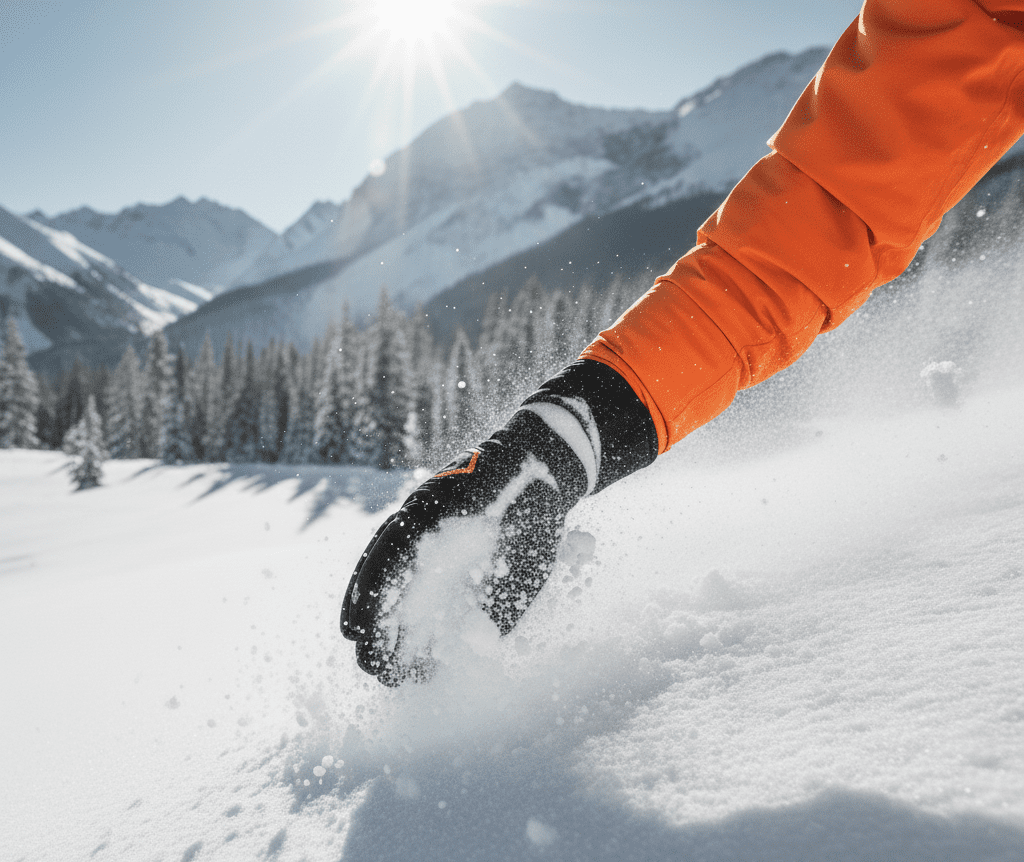
Hands touch snow more often in powder
In powder conditions:
- Falls are softer, so they happen more often
- Hands go down first to catch balance
- Poles and gloves plunge deep into snow
Every touch adds moisture risk. This repeated contact is exactly why ski gloves for powder days need better protection than regular gloves.
Why gloves must be more waterproof
Each time your glove enters powder:
- Snow melts from body heat
- Moisture builds inside the glove
- Insulation slowly loses warmth
On groomed runs, this happens rarely. On powder days, it happens all the time. That’s why waterproof ski gloves for powder focus on sealing and moisture control, not just insulation thickness.
From my own experience, I’ve seen skiers stay warm all morning on groomers, then lose hand warmth within an hour once they move into fresh powder — using the same gloves.
Groomer days vs powder days (simple difference)
On groomer days:
- Minimal falls
- Limited hand contact
- Short gloves can survive
On powder days:
- Frequent falls
- Constant snow contact
- Gloves must block moisture
This is where powder day ski gloves clearly outperform regular ones. Designed for repeated snow contact, they stay dry longer and keep insulation working.
Why this matters
When gloves aren’t built for frequent snow contact:
- Hands get wet
- Warmth disappears
- Ski days end early
That’s why experienced skiers switch gloves when conditions change. Ski gloves for powder days are not optional in deep snow — they are a necessity for comfort and performance.
Understanding this difference is the second key step to choosing the right gloves for powder skiing and enjoying deep snow without cold hands.
Reason #3 — Powder Days Need Longer Cuffs (Gauntlet Style)
Glove cuff length becomes critical once snow gets deep. Powder doesn’t fall down like rain — it moves sideways, upward, and everywhere in between. That’s why cuff design matters so much in fresh snow conditions.
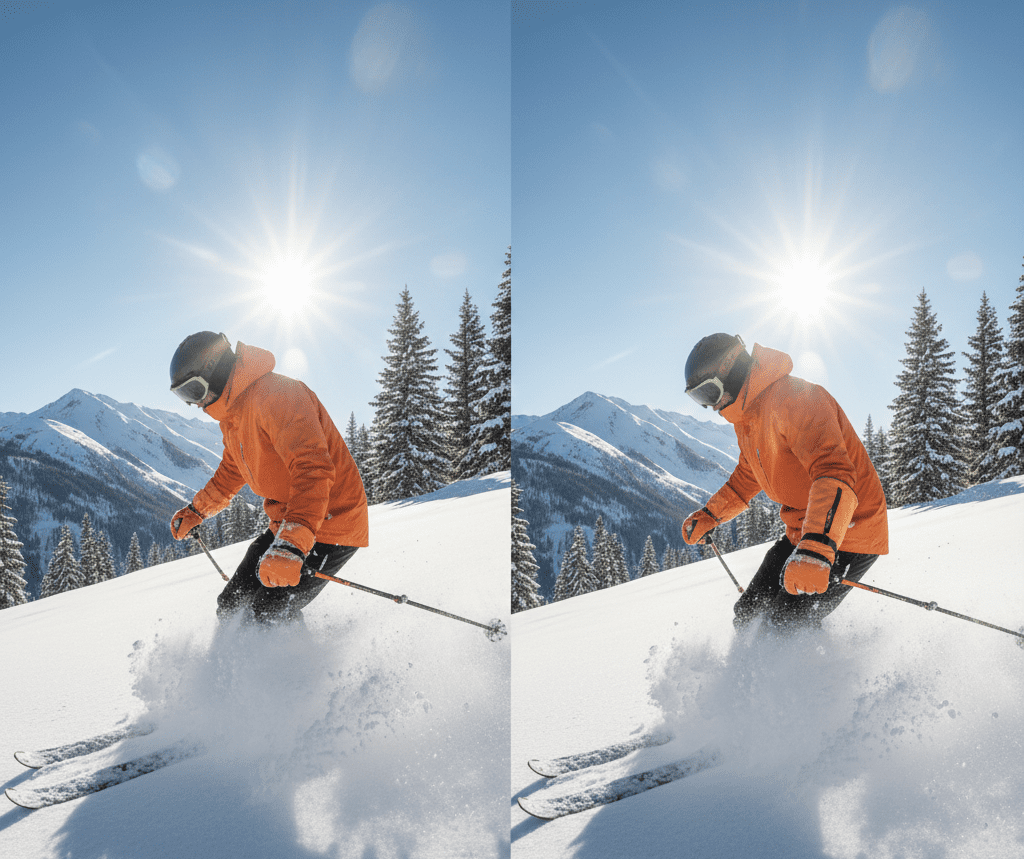
Short Cuff Gloves
Short cuff gloves sit under your jacket sleeve.
They feel light and easy to move in.
But in powder:
- Snow pushes up the sleeve
- Gaps open at the wrist
- Moisture slips inside quickly
This design works on groomed runs, but it struggles when snow is deep. Many skiers learn the hard way that short cuffs are not ideal for deep snow. After a few falls, hands end up wet and cold — even with good insulation.
This is one of the main reasons ski gloves for powder days are designed differently.
Long Cuff / Gauntlet Gloves
Long cuff or gauntlet gloves go over the jacket sleeve.
This creates a strong overlap that blocks snow before it reaches your wrist.
Why they work better:
- Snow stays outside the glove
- Jacket sleeves stay dry
- Insulation keeps its warmth
For frequent falls and deep turns, this design is hard to beat. From my own experience skiing powder and guiding others, gauntlet gloves consistently keep hands drier and warmer throughout the day.
That’s why many experienced skiers choose gauntlets as their go-to ski gloves for powder days, especially in storms or soft, deep conditions.
Simple takeaway
Short cuffs = easier movement, less protection
Long cuffs = better sealing, better dryness
For powder skiing, longer cuffs are the safer and smarter choice.
Reason #4 — Regular Gloves Lose Warmth Faster in Powder
Powder skiing looks soft and forgiving, but it’s brutal on regular gloves. Deep snow means more contact, more moisture, and faster heat loss. This is where many skiers notice the problem too late.
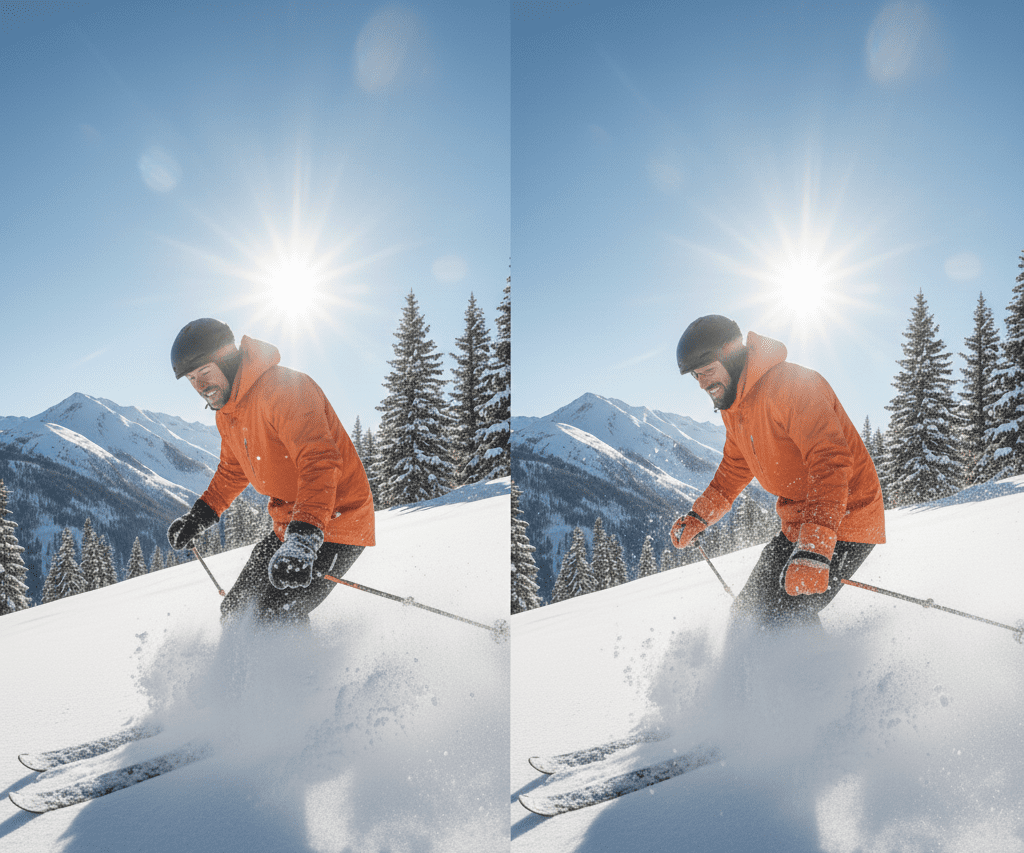
Why Powder = More Moisture Exposure
In powder, your hands are constantly brushing snow:
- Falling into soft snow
- Pushing yourself up
- Planting poles deeper than usual
All that snow doesn’t stay dry for long. It melts from body heat and soaks into the glove. This is why ski gloves for powder skiing need more protection than gloves designed for groomed runs.
Regular gloves aren’t built for this level of moisture.
Wet Gloves = Cold Hands (Always)
Once gloves get wet:
- Insulation collapses
- Heat escapes faster
- Fingers go numb quickly
Even thick gloves fail when moisture gets inside. This is why many skiers think they need “warmer” gloves, when the real issue is water exposure. Without strong moisture protection, even the best ski gloves for deep snow won’t feel warm for long.
Why Powder Gloves Protect Insulation Better
Powder-specific gloves focus on keeping insulation dry:
- Better waterproof shells
- Strong wrist seals
- Longer cuffs that block snow
High-quality waterproof ski gloves for powder often use breathable membranes like GORE-TEX. These help block outside snow while allowing sweat to escape, which keeps insulation working longer.
How ski gloves for powder days keep warmth longer
Gloves designed for powder days protect warmth by stopping moisture before it reaches the insulation. Longer cuffs, sealed wrists, and waterproof shells all work together to keep hands dry — and dry hands stay warm.
From my experience skiing long powder days, the difference is clear. Regular gloves feel fine early, then slowly fail. Purpose-built powder day ski gloves stay warm run after run because the insulation stays dry.
Simple rule to remember:
Cold hands usually mean wet gloves — not weak insulation.
Reason #5 — Powder Days Need Better Waterproofing
Powder looks light and fluffy, but it’s actually one of the toughest conditions for gloves. Snow sticks, melts slowly, and keeps pushing moisture into places regular gloves can’t handle. That’s why waterproofing matters more on powder days than almost any other ski condition.
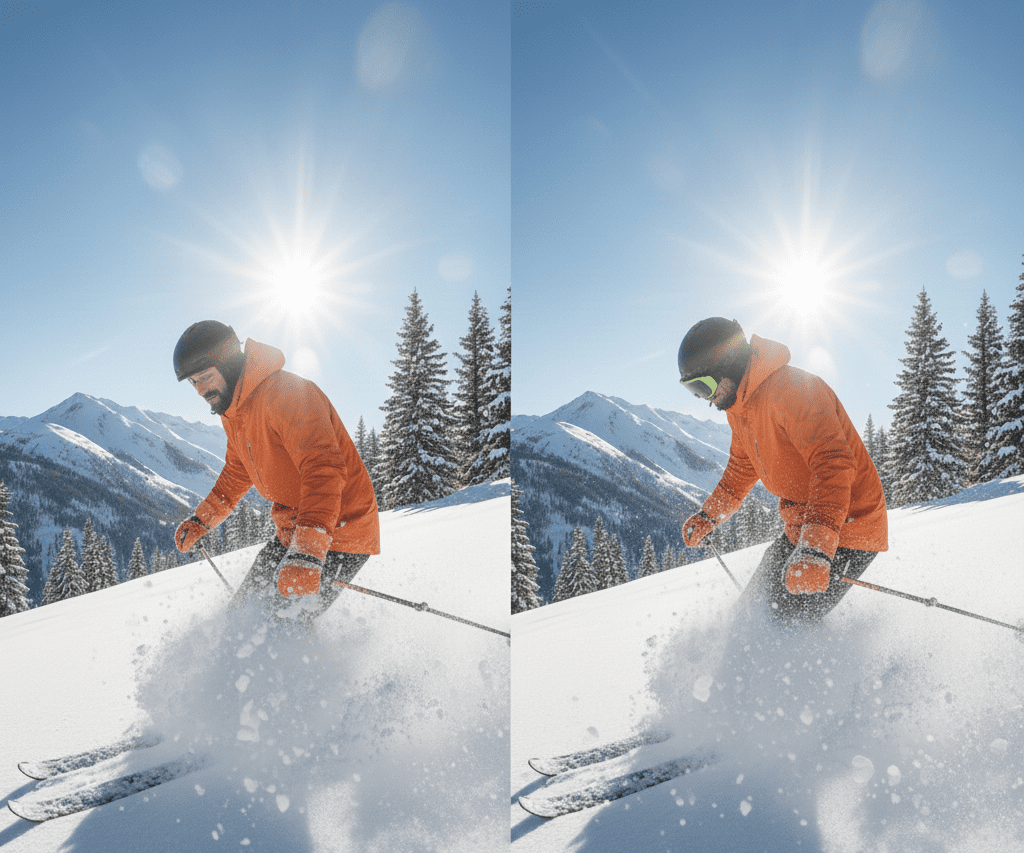
Why Light Waterproof Gloves Fail in Powder
Many gloves are labeled “water-resistant,” not truly waterproof. On groomers, that’s often enough. In powder, it’s not.
Here’s what happens:
- Snow packs into seams and stitching
- Body heat melts snow little by little
- Moisture seeps into the insulation
- Gloves feel cold even in mild weather
After some time on the mountain, ski gloves for powder days that rely on light coatings simply give up. They weren’t built for constant snow contact.
Why Strong Waterproofing Makes the Difference
Good powder gloves focus on keeping water out for hours, not minutes.
They usually have:
- A waterproof-breathable membrane layer
- Sealed or reinforced seams
- Outer shells designed to shed snow, not absorb it
This is why waterproof ski gloves for powder last longer and feel warmer. When insulation stays dry, it traps heat properly. When it gets wet, warmth disappears fast.
Outdoor safety research consistently shows that wet hands lose heat far faster than dry ones, even with thick insulation. This is why mountaineering and winter safety experts stress waterproof protection for hands in snowy environments.
Simple Comparison — Light vs Powder-Grade Waterproofing
| Feature | Light Waterproof Gloves | Powder-Ready Gloves |
| Snow resistance | Short-term | Long-lasting |
| Seam protection | Basic stitching | Reinforced or sealed |
| Moisture control | Limited | High |
| Best use | Groomed runs | Deep powder & storms |
Where Regular Gloves Fall Short
Regular gloves are often designed for:
- Dry cold
- Light snowfall
- Short exposure
Powder days are the opposite. Constant snow contact demands gloves that protect insulation first, not just add thickness. This is why many skiers upgrade to long cuff ski gloves and membranes designed for heavy snow use.
From my own experience guiding during storm cycles, gloves without strong waterproofing feel fine for the first few runs — then slowly turn cold and heavy. Powder-specific gloves stay consistent all day because water never reaches the insulation.
Bottom line:
Warmth starts with dryness.
Dryness starts with real waterproofing.
Reason #6 — Breathability Matters More Than You Think
Powder skiing looks smooth, but it’s physical. You hike a little. You fall more. You move your arms constantly. All that movement creates heat — and heat creates sweat.
This is where many gloves fail.

Powder Skiing = More Movement, More Sweat
On groomer days, your hands stay fairly dry.
On powder days, it’s different.
You’re:
- Pushing through deep snow
- Using poles harder
- Standing up after falls
- Skiing slower but working more
That extra effort causes sweat inside gloves. Even the best ski gloves for deep snow can feel cold if sweat builds up and has nowhere to go.
After some time, ski gloves for powder days don’t feel cold because of weather — they feel cold because they’re damp inside.
Sweat Buildup Is a Hidden Problem
Here’s the issue most skiers miss:
- Sweat gets trapped inside the glove
- Moisture stays near the insulation
- Insulation loses its ability to hold heat
This is why hands feel cold even when gloves are thick and waterproof. Without airflow, moisture stays stuck.
From my experience guiding powder days, I’ve seen skiers blame cold weather — but the real problem was sweat trapped inside non-breathable gloves.
Why Powder Gloves Balance Warmth + Breathability
Good powder day ski gloves are not just warm. They are designed to manage moisture.
They focus on:
- Letting sweat escape slowly
- Keeping snow and water out
- Protecting insulation from moisture buildup
This balance is critical. Gloves that are only warm but not breathable turn clammy. Gloves that breathe but aren’t waterproof fail in snow.
That’s why ski gloves for powder days are built differently than regular resort gloves — they handle sweat and snow at the same time.
Cold-weather safety research shows that moisture trapped near the skin increases heat loss significantly, even in insulated gear. This is why breathability is just as important as insulation in winter hand protection.
Simple Takeaway
- Powder skiing = more effort
- More effort = more sweat
- More sweat = colder hands if gloves can’t breathe
Choosing gloves that balance warmth and airflow is just as important as cuff length or waterproofing. When breathability works, your hands stay dry on the inside — and warm on the outside.
Reason #7 — Powder Gloves Are Built Tougher
Powder days are hard on gear. Snow is deeper, falls are more frequent, and your hands are constantly scraping, pushing, and grabbing. That’s why durability matters so much.
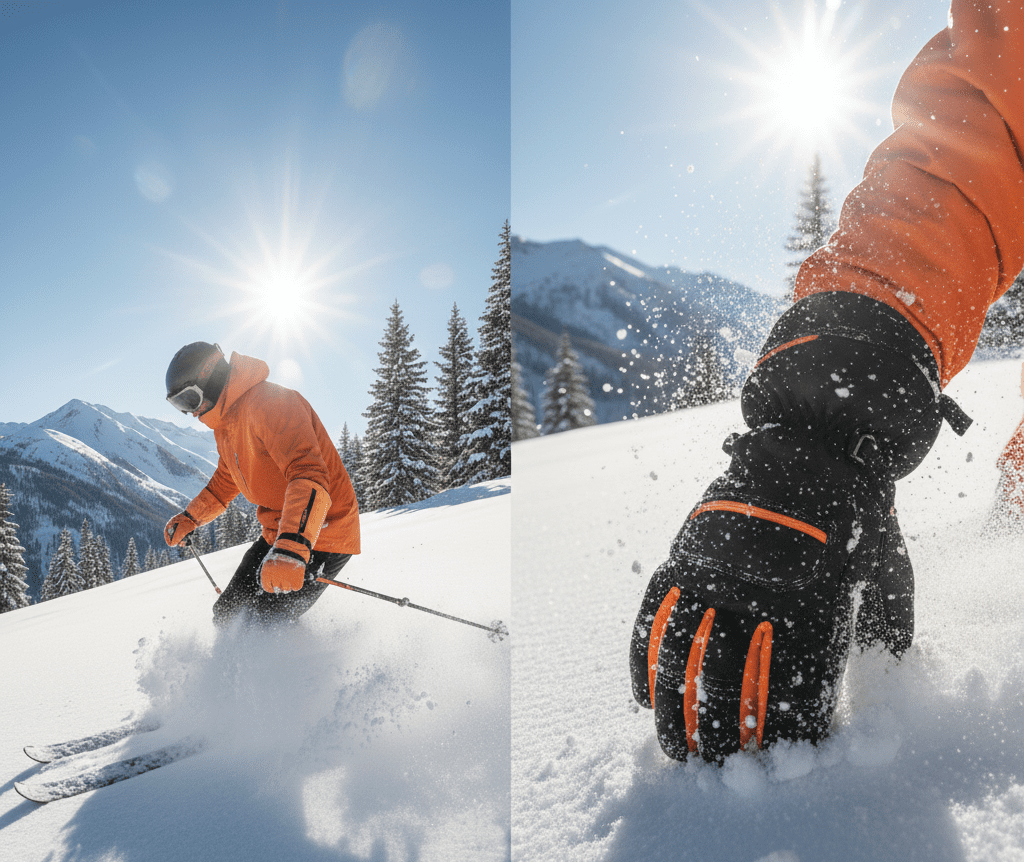
Reinforced Palms and Strong Seams
Good powder gloves are made to take abuse.
They often have:
- Reinforced palms for pole grips and snow contact
- Strong stitching that doesn’t split after falls
- Tough outer fabrics that resist tearing
Regular gloves wear out fast in these conditions. I’ve seen cheap gloves fail mid-season, while proper ski gloves for powder days kept going strong.
Why Durability Matters in Deep Snow
In deep snow, your hands:
- Push off the ground after falls
- Dig into powder to stand up
- Brush against trees, snowbanks, and gear
All this stress breaks weak gloves quickly. That’s why powder day ski gloves and long cuff ski gloves are built tougher than standard resort gloves.
From my years guiding skiers in deep conditions, glove failure usually happens at the palms or seams first — exactly where powder gloves add extra strength.
Long-Term Value vs Cheap Gloves
Cheap gloves may look fine, but they often:
- Lose waterproofing fast
- Tear at stress points
- Stop insulating once damaged
On the other hand, best ski gloves for deep snow last longer and protect better. Over time, one solid pair of ski gloves for powder days costs less than replacing weak gloves every season.
If you ski powder often, durability isn’t optional — it’s part of staying warm, dry, and safe.
Bottom line: Tough construction keeps gloves working when powder days push gear to its limits.
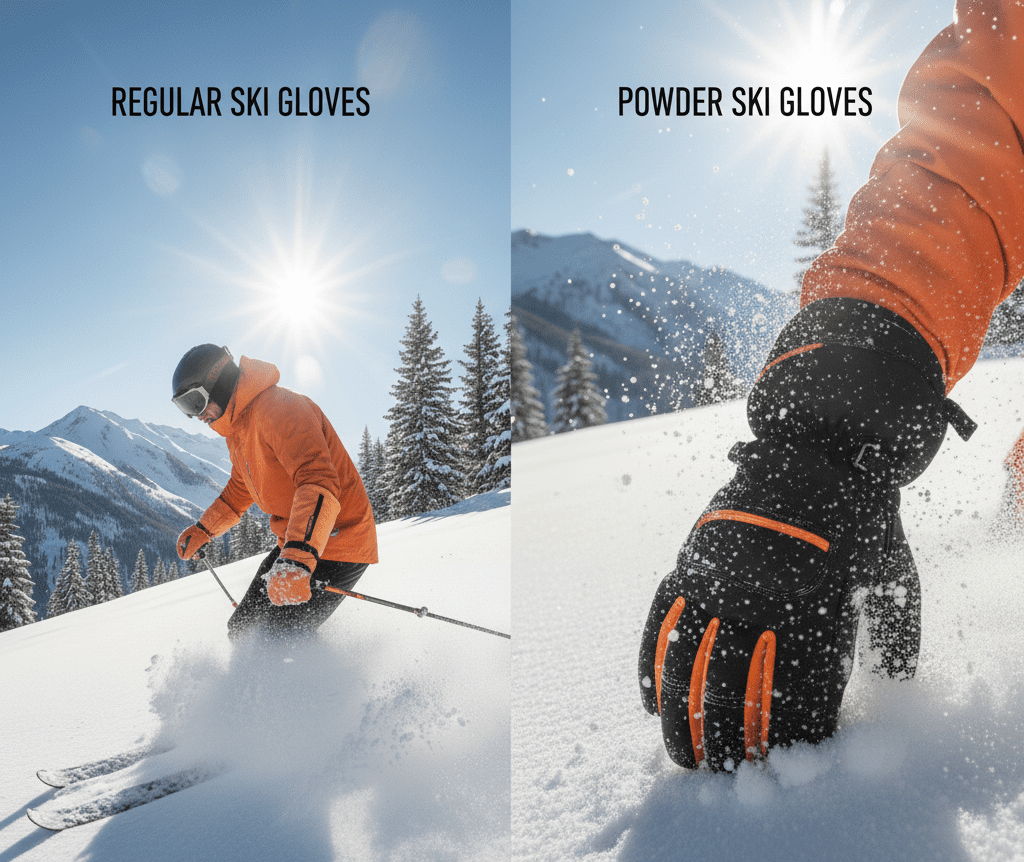
Regular Ski Gloves vs Powder Ski Gloves
| Feature | Regular Ski Gloves | Powder Ski Gloves |
| Cuff length | Short | Long (gauntlet) |
| Snow protection | Medium | High |
| Waterproofing | Basic | Strong |
| Best for powder days | No | Yes |
Common Mistakes Skiers Make on Powder Days
Powder days are a thrill, but even experienced skiers make simple mistakes with their gloves. One major error is wearing short gloves in deep snow. Regular gloves may feel fine on groomed runs, but they fail when skiing powder. Snow slips in past the cuffs, melts inside, and leaves hands cold and wet. That’s why ski gloves for powder days almost always need longer, long cuff ski gloves for proper protection.
Another frequent mistake is ignoring the cuff seal. Even high-quality powder day ski gloves lose effectiveness if the wrist closure isn’t snug. Loose cuffs let snow in, reducing warmth and comfort. Beginners often forget to check the overlap between gloves and jacket sleeves, which creates gaps where snow can sneak inside.
Some skiers focus only on warmth and neglect waterproofing. Choosing gloves based purely on insulation is risky because waterproof ski gloves for powder prevent meltwater from soaking the lining. The best ski gloves for powder skiing combine warmth, waterproofing, and mobility to keep hands dry and comfortable all day.
Finally, many skiers make the mistake of not adjusting gloves with jacket sleeves. Powder skiing involves frequent falls and hand contact with snow, so correct glove-jacket alignment is crucial. Misaligned cuffs allow snow to enter, making even the best ski gloves for deep snow ineffective.
Avoiding these mistakes ensures your hands stay warm, dry, and ready for every run on a powder day.
Bonus Tips for Choosing Powder Day Ski Gloves
Test Your Glove + Jacket Combo
- Always put on your gloves with your ski jacket before hitting the slopes.
- Check the overlap between sleeve and cuff to make sure no snow can sneak in.
- Even the best ski gloves for deep snow fail if the jacket-glove fit is off.
Tighten Cuffs Before Your First Run
- Use wrist straps, drawcords, or elastic closures to seal gloves.
- This prevents snow from entering during falls or deep turns.
- Powder day ski gloves work best when fully secured over your jacket sleeve.
Carry Spare Liners on Stormy Powder Days
- Thin liners help absorb sweat before it reaches the main glove.
- Swap them midday if your hands feel damp to maintain dryness.
- Using ski gloves for powder skiing with liners improves warmth and comfort all day.
FAQs — Ski Gloves for Powder Days
Choosing the right ski gloves for powder days can be confusing, especially for beginners. These common questions cover cuff length, warmth, waterproofing, and comfort.
Can I use regular ski gloves on powder days?
Regular ski gloves may work on groomed runs, but they often fail in deep powder. Short cuffs let snow slide inside, wetting insulation and reducing warmth. For true powder day ski gloves, long cuffs and strong waterproofing are essential.
Are mittens better than gloves for powder skiing?
Mittens provide extra warmth by keeping fingers together, but you lose some dexterity. Ski gloves for powder skiing give a balance of mobility and protection, especially with reinforced palms and waterproof membranes.
How long should ski glove cuffs be for powder?
Cuffs should extend over your jacket sleeves, forming a seal that blocks snow. Most skiers prefer long cuff or gauntlet-style gloves for ski gloves for powder days, ensuring hands stay dry during falls and deep turns.
Do powder gloves feel bulky?
High-quality powder day ski gloves are designed to protect without restricting movement. Look for flexible cuffs and ergonomic designs — warmth and mobility can coexist.
Should beginners buy powder-specific gloves?
Yes. Even if you’re new, ski gloves for powder skiing with long cuffs and waterproof membranes prevent cold, wet hands, making your first powder experiences comfortable and enjoyable.
Final Verdict — Powder Days Need the Right Gloves
Choosing the right ski gloves for powder days is more than style — it’s about keeping your hands warm, dry, and protected during every fall, turn, and face shot. Regular gloves may work on groomed runs, but powder day ski gloves with long cuffs, waterproof membranes, and reinforced palms make all the difference.
Smart skiers don’t guess. They test glove and jacket combinations, choose the correct cuff length, and balance warmth, waterproofing, and breathability. When comfort, dryness, and mobility align, powder days become fun instead of frustrating.
Quick Takeaways
- Long cuff ski gloves block snow entry and improve insulation performance.
- Waterproof ski gloves for powder keep hands dry in deep snow and storms.
- Testing your gloves with your jacket sleeves ensures optimal fit and comfort.
Next powder day, upgrade your gloves — your hands will thank you.
Visit skiglovesusa.com for expert recommendations, gear reviews, and tips to master ski gloves for powder skiing.
About the Author
Written by Awais Rafaqat, a passionate skier and mountain guide with over 10 years of experience navigating extreme winter conditions. Combining hands-on testing with safety research, Awais shares practical tips to keep your hands warm, nimble, and protected on every adventure.