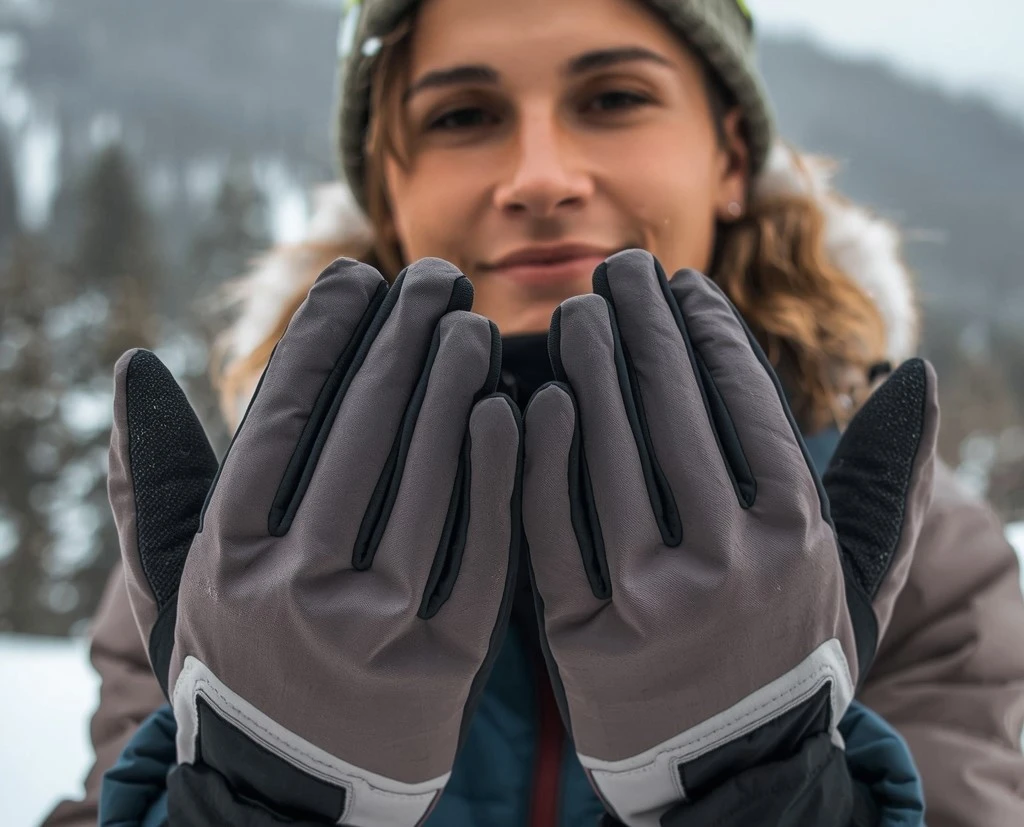
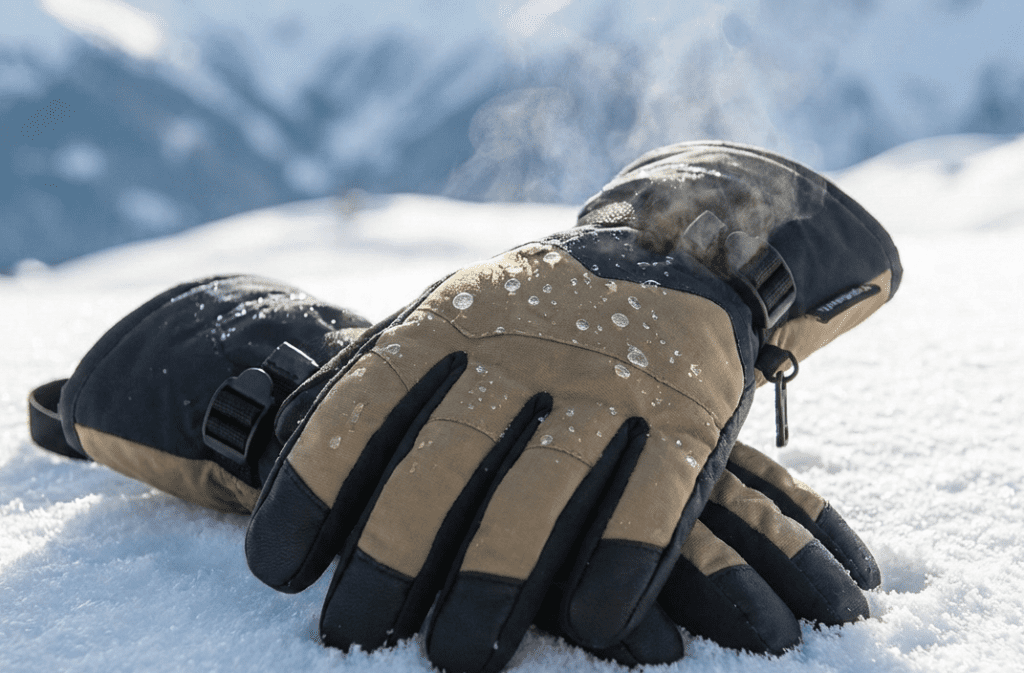
Stop moisture in ski gloves is one of the biggest problems skiers face — and most don’t even realize why it happens.
Your gloves look waterproof. They feel warm at first.
But after a few runs, your hands are cold, damp, and uncomfortable.
This guide will show you 7 proven, real-world ways to fix the wet ski gloves problem for good — without buying new gear right away.
You’ll learn why gloves get wet inside, what most skiers do wrong, and how to keep ski gloves dry all day.
Simple steps. Beginner friendly. No tech overload.
Why Moisture Builds Up Inside Ski Gloves
Most skiers think snow is the problem.
It’s not.
In reality, moisture inside ski gloves comes mostly from your own hands, not from outside snow.
Sweat vs Snow — the real cause
When you ski, your hands move constantly:
- gripping poles
- pushing off lifts
- hiking short sections
This creates sweaty hands in ski gloves, even on cold days. That sweat has nowhere to go.
That’s why people complain about ski gloves getting wet inside even when it never snows.
Why waterproof gloves still get wet
Waterproof gloves block snow and wind.
But they also trap heat and sweat.
So instead of escaping, moisture builds up inside the insulation. Over time, that turns into the classic wet ski gloves problem.
Why moisture = cold hands
Wet insulation loses warmth fast.
Moisture pulls heat away from your skin, which leads to:
- cold fingers
- stiff hands
- poor grip
- discomfort after just a few runs
This is why learning how to dry ski gloves properly — and prevent moisture in the first place — matters more than buying thicker gloves.
Simple analogy (from experience)
From my years on snow, I explain it like this:
Your gloves are like a sealed bottle.
If sweat can’t escape, it pools inside — no matter how “waterproof” the glove is.
- Why Moisture Builds Up Inside Ski Gloves
- Proven Way #1 — Choose Breathable Ski Gloves
- Proven Way #2 — Use Thin Moisture-Wicking Liners
- Proven Way #3 — Reproof Ski Gloves Regularly
- Proven Way #4 — Dry Ski Gloves the Right Way
- Proven Way #5 — Stop Moisture in Ski Gloves by Avoiding Overheating
- Proven Way #6 — Stop Moisture in Ski Gloves by Sealing the Wrist
- Proven Way #7 — Rotate & Air Out Gloves Between Ski Days
- Dry vs Wet Ski Glove Habits
- Common Mistakes That Make Ski Gloves Wet Inside
- FAQs — Stop Moisture in Ski Gloves
- Final Thoughts — Dry Hands Mean Warm Hands
Proven Way #1 — Choose Breathable Ski Gloves
Most skiers focus only on waterproofing.
But that mistake is exactly why they fail to stop moisture in ski gloves.
Waterproof gloves block snow, yes.
But without breathability, sweat stays trapped inside.
After a few runs, stop moisture in ski gloves becomes impossible because the dampness is coming from you, not the snow. This is how many skiers end up with ski gloves getting wet inside even on dry days.
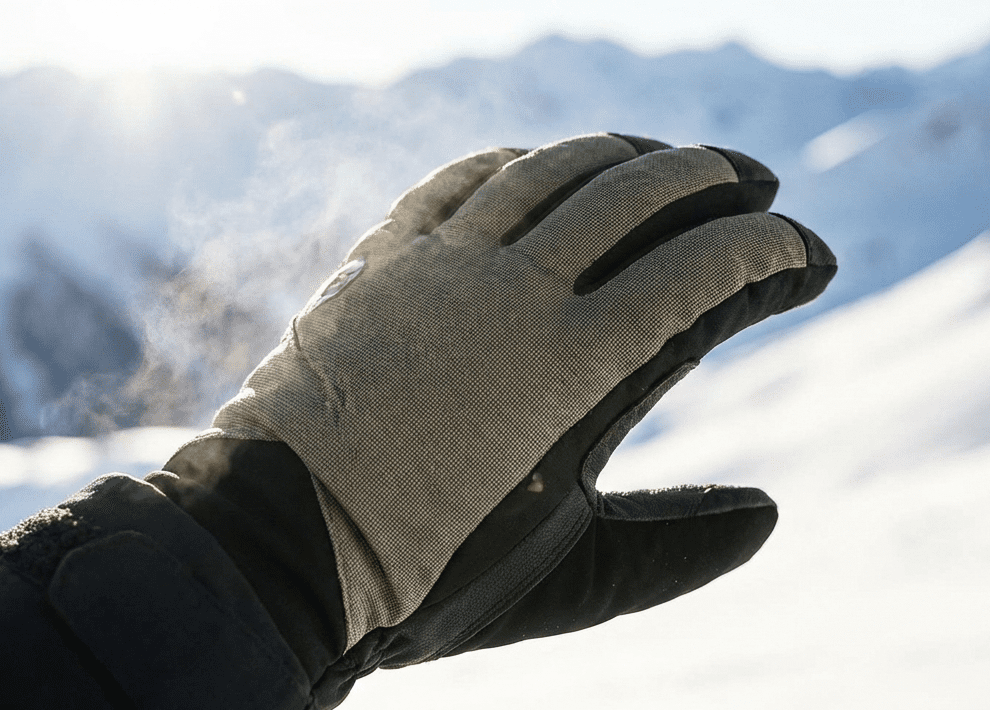
Waterproof ≠ Breathable (Simple Truth)
Waterproof means water can’t get in.
Breathable means sweat can get out.
If a glove only does one of these, it will still feel wet. That’s why learning how to stop moisture in ski gloves starts with understanding breathability.
I’ve tested cheap rental gloves and premium pairs on long days.
The ones that weren’t breathable always failed first — cold, damp, uncomfortable. That’s when I realized you can’t truly stop moisture in ski gloves without airflow.
Why Cheap Gloves Trap Sweat
Low-cost gloves often use:
- Plastic-like inner layers
- Non-breathable coatings
- Thick insulation with no vents
This design traps heat and sweat. Over time, that turns into moisture inside ski gloves, even if the outer shell never gets wet.
That’s also why people complain about sweaty hands in ski gloves during powder days or warm spring skiing.
Breathability Explained (No Tech Talk)
Think of breathable gloves like a window cracked open.
Heat escapes slowly. Sweat vapor escapes. Snow stays out.
That balance is what helps stop moisture in ski gloves for a full ski day and helps keep ski gloves dry without overheating.
Quick Buyer Tips (Easy Checks)
- Look for gloves labeled breathable, not just waterproof
- Avoid stiff, plastic-feeling interiors
- Flex the glove — it should feel soft, not sealed
These small checks reduce the wet ski gloves problem more than extra insulation ever will.
Quick Comparison: Breathable vs Non-Breathable Gloves
| Feature | Non-Breathable Gloves | Breathable Gloves |
| Sweat escape | Trapped | Released |
| Comfort after 2–3 runs | Poor | Good |
| Moisture control | Low | High |
| Best for sweaty hands | No | Yes |
Bottom line:
If your goal is to truly stop moisture in ski gloves, breathability matters just as much as waterproofing — sometimes even more.
Proven Way #2 — Use Thin Moisture-Wicking Liners
Most skiers try to stop moisture in ski gloves by changing outer gloves.
But they forget the first layer — the one touching skin.
Thin liners play a huge role in controlling sweat.
They help stop moisture in ski gloves before it ever becomes a problem.
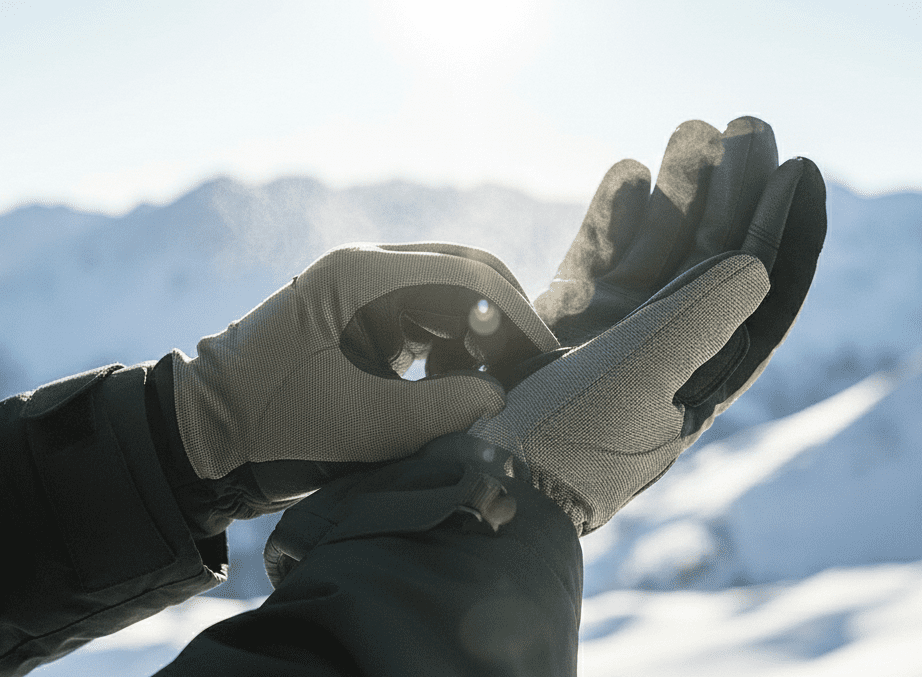
Why Liners Reduce Moisture Buildup
Your hands sweat first.
That sweat sits on skin if nothing moves it away.
A good liner pulls moisture off your hands and spreads it out.
This slows down moisture inside ski gloves and helps keep ski gloves dry longer.
From my own experience guiding long ski days, liners made the biggest difference on warm afternoons. Without them, I always ended up with ski gloves getting wet inside by midday.
How Liners Move Sweat Away (Simple Explanation)
Moisture-wicking liners work like athletic base layers.
They:
- Pull sweat off the skin
- Spread it across the fabric
- Help it evaporate into the glove
This reduces sweaty hands in ski gloves and makes it much easier to stop moisture in ski gloves on long runs.
Best Liner Materials (Keep It Simple)
Look for:
- Merino wool — warm, manages sweat well
- Synthetic blends — dry fast, lightweight
Avoid:
- Cotton liners (they hold moisture)
Many outer gloves with breathable membranes like Gore-Tex work best only when paired with proper liners underneath.
Pro Tip (Learned the Hard Way)
Always carry a spare liner pair.
Once liners are wet, heat drops fast.
Wet liners = cold hands, even if the outer glove is dry.
This tip alone has saved me from ending ski days early due to the wet ski gloves problem.
Quick Comparison: With vs Without Liners
| Feature | No Liners | Thin Liners |
| Sweat control | Poor | Good |
| Dry feeling | Short-lived | Longer lasting |
| Comfort | Inconsistent | Stable |
| Helps stop moisture in ski gloves | No | Yes |
Why Experts Recommend Liners
Cold-weather hand safety guides from outdoor safety organizations and winter sports researchers consistently explain that sweat management improves warmth, circulation, and comfort in freezing conditions.
That’s why professionals focus on layers — not just gloves — to stop moisture in ski gloves effectively.
Bottom line:
If you want a reliable way to stop moisture in ski gloves, start with thin, moisture-wicking liners. They’re cheap, lightweight, and one of the smartest upgrades you can make.
Proven Way #3 — Reproof Ski Gloves Regularly
Many skiers try everything to stop moisture in ski gloves, but skip one basic step — reproofing.
Over time, glove fabrics lose their water-repellent coating, even if they still look fine.
When that happens, moisture problems start fast.
Why Water Repellency Fades
Every ski day slowly wears gloves down.
Water repellency fades because of:
- Friction from poles and snow
- Sweat salts breaking down coatings
- Repeated drying and packing
Once the outer layer fails, it becomes harder to keep ski gloves dry, even on cold days.
How Wet Outer Fabric Traps Internal Moisture
Here’s the key thing most people miss:
If the outside fabric gets soaked, sweat can’t escape.
The glove may still be “waterproof,” but breathability drops.
That trapped sweat leads to moisture inside ski gloves and that familiar cold, clammy feeling.
This is one of the most common causes of the wet ski gloves problem, especially on long days.
How Often Should You Reproof Ski Gloves?
A simple rule:
- Every 10–15 ski days
- Or when water stops beading on the surface
If your gloves feel heavy or take longer to dry, it’s already overdue. Regular reproofing makes it much easier to stop moisture in ski gloves long-term.
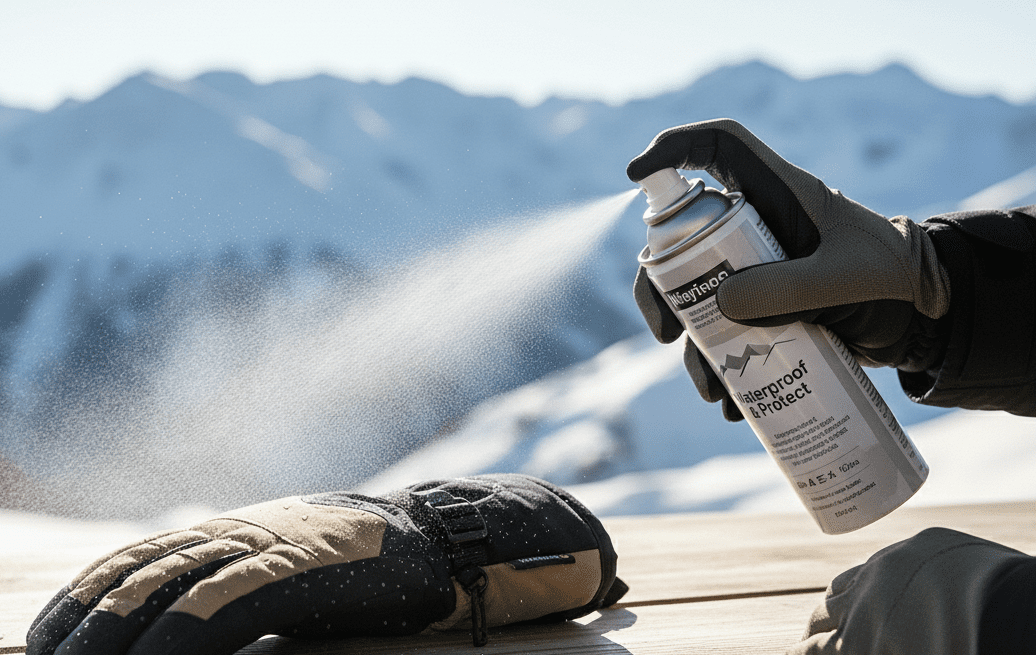
Mini How-To: Reproof Ski Gloves
Step 1: Clean gloves
Remove dirt, sweat, and oils. Dirty gloves won’t absorb treatment evenly.
Step 2: Apply water-repellent spray
Use a spray made for winter gloves. Cover evenly, especially seams.
Step 3: Air-dry properly
Let gloves dry at room temperature with good airflow. No heaters.
This simple routine helps prevent ski gloves getting wet inside and improves overall comfort.
Why This Works (Experience Tip)
From personal use, freshly reproofed gloves always feel warmer — not because they add insulation, but because they manage moisture better. Dry outer fabric = better breathability = less sweat buildup.
If you’re serious about controlling sweaty hands in ski gloves, reproofing is one of the easiest fixes people ignore.
Bottom line:
Reproofing restores breathability, improves drying, and helps stop moisture in ski gloves before it ruins your day on the mountain.
Proven Way #4 — Dry Ski Gloves the Right Way
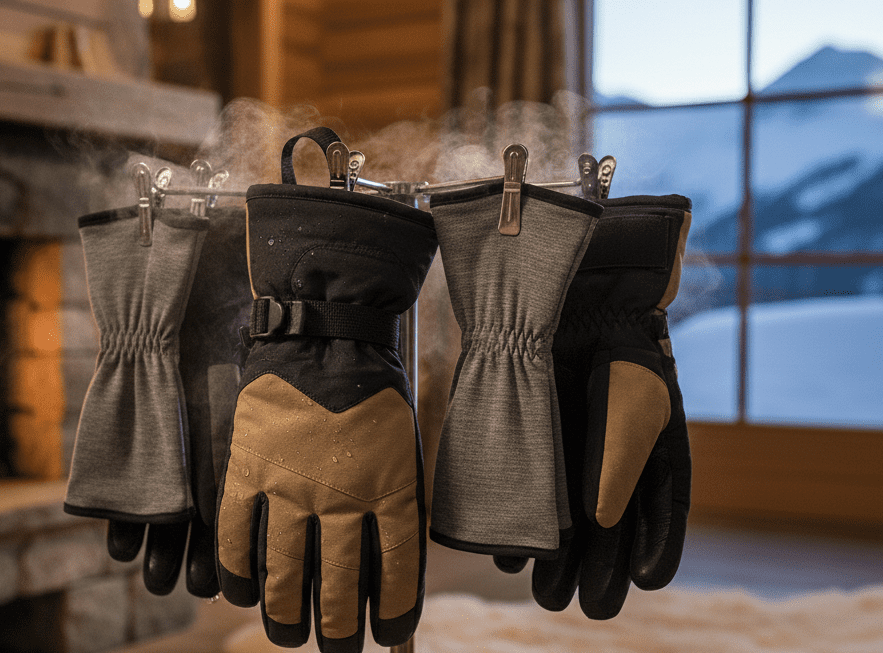
Drying your gloves properly is the best way to stop moisture in ski gloves. Many skiers make the mistake of using heaters or radiators. This can trap sweat inside and make gloves feel colder.
From my experience, even high-quality Gore-Tex gloves stay damp if dried wrong. Using the right method keeps gloves warm, dry, and comfortable all day.
Why Heaters and Radiators Make Moisture Worse
Direct heat dries only the outer layer. Moisture inside the insulation remains trapped. Over time, this can reduce warmth and damage glove materials.
Quick tips:
- Avoid putting gloves on heaters or radiators
- Don’t use high-heat hair dryers
- Let gloves air-dry slowly
Best Way to Dry Ski Gloves
Proper drying removes sweat without harming the gloves. This helps keep your hands warm and stops the wet ski gloves problem.
Step-by-step:
- Open gloves fully and separate fingers
- Stuff with newspaper or a dry towel
- Air-dry at room temperature
- Replace stuffing if gloves are very wet
I do this every night on ski trips. Gloves dry by morning and feel cozy, even after long runs.
Why Trapped Moisture Hurts Insulation
Wet insulation reduces warmth. Gloves feel cold even in mild weather. Repeated wetness can flatten insulation, making gloves less effective over time.
Using the proper drying method stops moisture inside ski gloves and keeps insulation soft.
Quick Hack: Newspaper or Towel Trick
Stuff gloves with crumpled newspaper or a dry towel overnight. This pulls moisture from inside.
In my experience, this simple trick works better than expensive drying machines. Gloves stay warm and dry for the next day.
Summary:
- Stop moisture in ski gloves by drying properly
- Avoid direct heat and radiators
- Use stuffing and airflow to protect insulation
- Keep hands warm, dry, and comfortable
Proven Way #5 — Stop Moisture in Ski Gloves by Avoiding Overheating

Overheating your hands is one of the main reasons moisture builds up inside ski gloves. Thick, over-insulated gloves can trap sweat, even if they are waterproof. This makes stop moisture in ski gloves a challenge on long ski days.
From my experience, wearing Gore-Tex gloves that were too warm caused my hands to sweat after only a few runs.
Why “Warmer” Isn’t Always Better for Moisture
More insulation does not always mean more comfort. Excess warmth increases sweat, which leads to moisture inside ski gloves. Even breathable gloves can feel damp if your hands overheat.
Quick tips:
- Layer with thin liners instead of thick gloves
- Adjust glove ventilation if possible
- Take short breaks to air out hands
Match Glove Warmth to Weather
Choosing gloves appropriate for the temperature helps stop moisture in ski gloves naturally. Gloves that are too warm in mild conditions will sweat. Gloves that are too thin in cold conditions will let snow melt inside.
I recommend testing gloves before hitting the slopes: walk around in them at home or in a ski lodge to see if your hands sweat.
Quick Hack: Ventilation & Layering
Use a moisture-wicking liner inside slightly warmer gloves. This method helps keep ski gloves dry and prevents sweat buildup. It’s simple but highly effective for all-day skiing.
Proven Way #6 — Stop Moisture in Ski Gloves by Sealing the Wrist

Snow often sneaks into gloves through loose cuffs, making it harder to stop moisture in ski gloves. Even waterproof gloves can get wet if snow enters from the wrist.
From my experience, using gloves with adjustable gauntlets or long cuffs kept my hands dry all day on powder runs.
Why Wrist Gaps Cause Wet Gloves
A small gap between your jacket sleeve and glove cuff lets snow and wind in. This increases sweat and moisture, which leads to moisture inside ski gloves.
Quick tips:
- Ensure cuffs go over jacket sleeves
- Tighten wrist straps without cutting circulation
- Use long cuff or gauntlet-style gloves for deep snow
Proper Cuff Positioning Explained Simply
Cuff position is critical to keep ski gloves dry. Gloves should cover your wrist completely and seal against your jacket. Adjust and test them before skiing so you won’t have surprises mid-run.
Proven Way #7 — Rotate & Air Out Gloves Between Ski Days
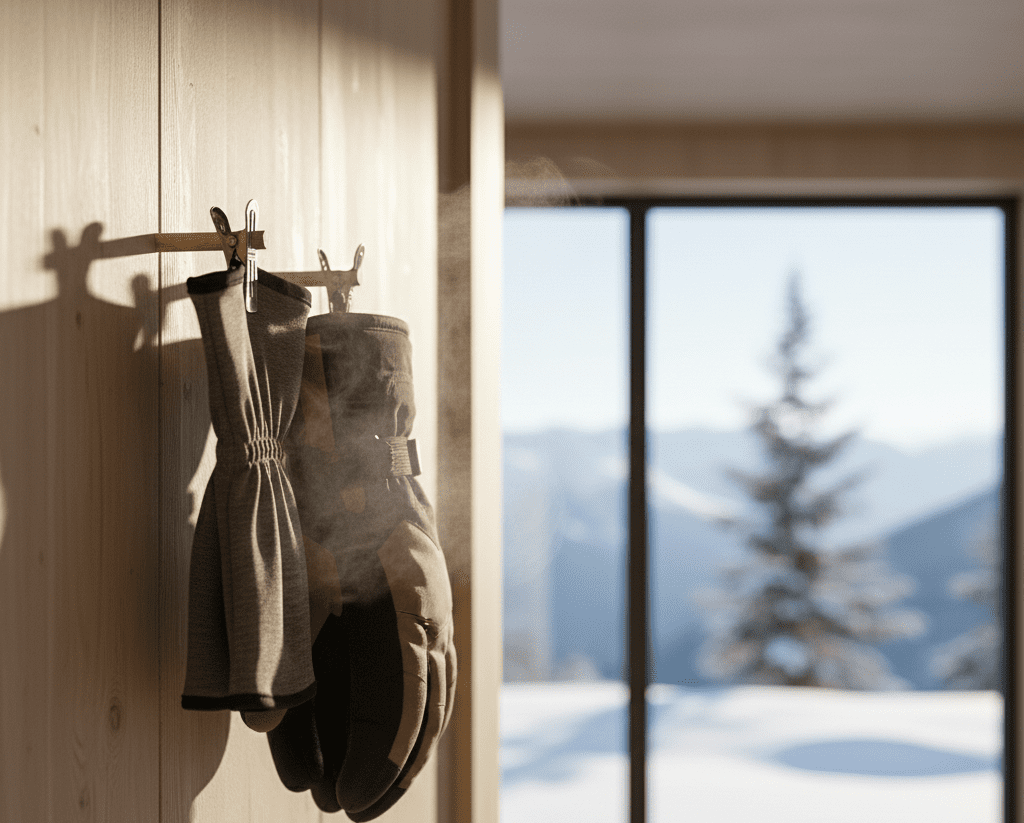
Wearing the same pair of gloves every day traps sweat and moisture inside, making your hands cold and uncomfortable. Even the best gloves can feel damp if they’re not aired properly.
From my experience, rotating gloves and letting them breathe overnight made a huge difference in comfort during multi-day trips.
Mid-Day Drying Tricks
If your gloves start feeling damp mid-day:
- Loosen wrist straps and shake out snow
- Use a small cloth or microfiber towel to absorb moisture inside
- Remove liners and let them dry in a ventilated spot
Overnight Airflow Matters More Than Heat
Avoid placing gloves on heaters or radiators — heat can damage insulation and waterproof membranes like Gore-Tex.
Better approach:
- Stuff gloves with newspaper or dry towels
- Leave in a cool, airy room overnight
- Rotate with a spare pair if possible
This prevents sweat buildup and helps keep ski gloves dry, reducing the chance of cold hands and discomfort.
Dry vs Wet Ski Glove Habits
Moisture control is crucial for comfortable skiing. The right habits prevent wet gloves, cold hands, and discomfort.
| Habit | Causes Moisture | Keeps Hands Dry |
| Tight gloves | Traps sweat inside | Properly fitted gloves allow airflow |
| Breathable liners | None | Move sweat away from skin |
| Heater drying | Can damage insulation | – |
| Air drying | None | Natural airflow removes moisture |
Wearing gloves that are too tight or relying on heaters can trap moisture and reduce insulation efficiency. Using breathable liners and air-drying gloves are simple ways to keep ski gloves dry and prevent sweaty hands in ski gloves. These habits ensure your hands stay warm, comfortable, and dry on every ski day.
Common Mistakes That Make Ski Gloves Wet Inside
Many skiers struggle to stop moisture in ski gloves, often without realizing the habits causing it. These common mistakes lead to wet hands, cold fingers, and discomfort on the slopes.
Wearing Cotton Liners
Cotton absorbs sweat quickly, trapping moisture inside your gloves. If you want to stop moisture in ski gloves, replace cotton with moisture-wicking liners. These liners keep hands dry and help prevent sweaty hands in ski gloves. Switching materials is an easy first step to stop moisture in ski gloves.
Ignoring Sweat Buildup
Even waterproof gloves can get wet if sweat accumulates. To stop moisture in ski gloves, take breaks to air out your hands or change liners. Regularly checking for moisture prevents sweat from pooling inside. This small habit helps you keep ski gloves dry throughout the day.
Drying Gloves Incorrectly
Heaters and radiators can damage glove insulation, making moisture problems worse. Proper air-drying helps stop moisture in ski gloves naturally. Stuff gloves with newspaper or towels overnight to keep ski gloves dry and maintain warmth. This simple step prevents wet ski gloves problem from recurring.
Using Gloves That Are Too Tight
Tight gloves restrict airflow, causing sweat to accumulate. Choosing the right size allows circulation and helps stop moisture in ski gloves. Well-fitted gloves reduce sweaty hands in ski gloves and avoid the wet ski gloves problem. Comfort and fit work together to stop moisture in ski gloves efficiently.
FAQs — Stop Moisture in Ski Gloves
These common questions answer why your ski gloves get wet and how to keep your hands dry. Follow these tips to stop moisture in ski gloves and enjoy warmer, more comfortable skiing.
Why do my ski gloves get wet inside?
Most moisture comes from sweat, not snow. To stop moisture in ski gloves, use breathable gloves and moisture-wicking liners. Proper fit also helps keep ski gloves dry and prevents discomfort.
Are sweaty hands normal while skiing?
Yes, sweating is normal during activity. Using liners helps stop moisture in ski gloves naturally. This also prevents sweaty hands in ski gloves and keeps fingers warm.
How do I dry ski gloves without damaging them?
Avoid heaters—they can ruin insulation. Air-dry gloves or stuff them with paper towels to stop moisture in ski gloves. Proper drying prevents moisture inside ski gloves from building up.
Can liners reduce moisture in ski gloves?
Yes. Thin, moisture-wicking liners pull sweat away from skin to stop moisture in ski gloves. They prevent ski gloves getting wet inside and help keep ski gloves dry longer.
How long should ski gloves take to dry?
Drying depends on material and method. With good airflow, gloves dry overnight and stop moisture in ski gloves effectively. This avoids the wet ski gloves problem and keeps hands comfortable.
Final Thoughts — Dry Hands Mean Warm Hands
Moisture is the real enemy, not cold. Small habits prevent sweat buildup and keep your hands comfortable.
Dry gloves make skiing more enjoyable and safer. Even minor adjustments can fix persistent wet-hand problems.
Stop moisture in your ski gloves for good — ski comfortably all season at skiglovesusa.com.
About the Author
Written by Awais Rafaqat, a passionate skier and mountain guide with over 10 years of experience navigating extreme winter conditions. Combining hands-on testing with safety research, Awais shares practical tips to keep your hands warm, nimble, and protected on every adventure.