Why ski gloves lose warmth is something every skier eventually discovers… usually the hard way. Ever wondered why those gloves that once kept your hands blazing hot now feel like they’re barely holding any heat?
It happens slowly — a little moisture here, a bit of insulation breakdown there — until suddenly your “favorite gloves” become cold ski gloves that fail when you need them most.
This guide reveals the hidden reasons your gloves lose insulation over time, how to fix them, and how to keep them warm season after season. You’ll finally understand why ski gloves lose warmth, what causes the insulation to collapse, and how to prevent your gloves from becoming weak, thin, and chilly on the slopes.
- 1. Insulation Breaks Down with Age
- 2. Moisture Buildup Deep Inside the Glove
- 3. Outer Fabric Loses Its Waterproofing
- 4. Your Gloves Are Too Tight (Blood Circulation Drops Warmth)
- 5. Liners Are Worn Out or Wrong for the Temperature
- 6. Windproofing Wears Out (Cold Air Sneaks Inside)
- 7. Gloves Are Simply Past Their Lifespan
- Quick Ways to Warm Up Gloves Instantly on the Slopes
- Comparison Table — Why Ski Gloves Lose Warmth Over Time
- FAQs — Why Ski Gloves Lose Warmth
- Final Thoughts — Keep Your Gloves Warm Longer
1. Insulation Breaks Down with Age
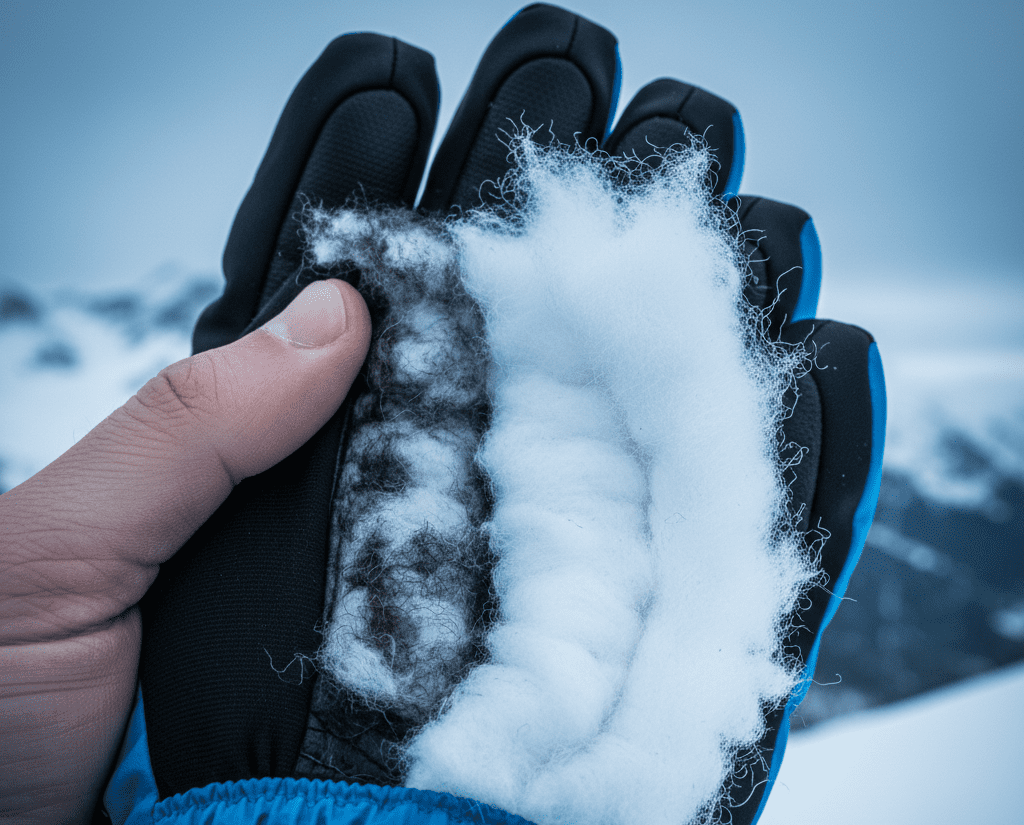
When you start wondering why ski gloves lose warmth, the biggest culprit is almost always the insulation slowly breaking down. Every time you ski, grip poles, tighten straps, or stuff your gloves into a bag, the insulation fibers inside begin to compress. And once that happens, the gloves simply can’t trap warm air the way they used to.
That trapped air is what keeps your hands warm — so when the insulation collapses, you end up with gloves losing insulation, feeling colder even on mild days. This is one of the clearest signs of why ski gloves lose warmth over time, especially after a few heavy ski seasons.
You’ll notice fading warmth, uneven padding, and cold spots in the fingers. These are all warnings that your insulation is thinning, and another reminder of why ski gloves lose warmth unexpectedly.
Signs Your Insulation Is Dying
- Gloves feel thinner than when new
- Cold fingertips even in warm conditions
- Padding feels lumpy, uneven, or flat
- Takes longer for gloves to warm up
Mini Table: Insulation Lifespan by Material
| Insulation Type | Typical Lifespan | Notes |
| Thinsulate | 2–4 years | Loses loft fastest with compression |
| PrimaLoft | 3–5 years | More resilient but still compresses |
| Synthetic Down | 2–3 years | Warm but breaks down quickly when wet |
| Wool Blend | 4–6 years | Most durable natural option |
2. Moisture Buildup Deep Inside the Glove
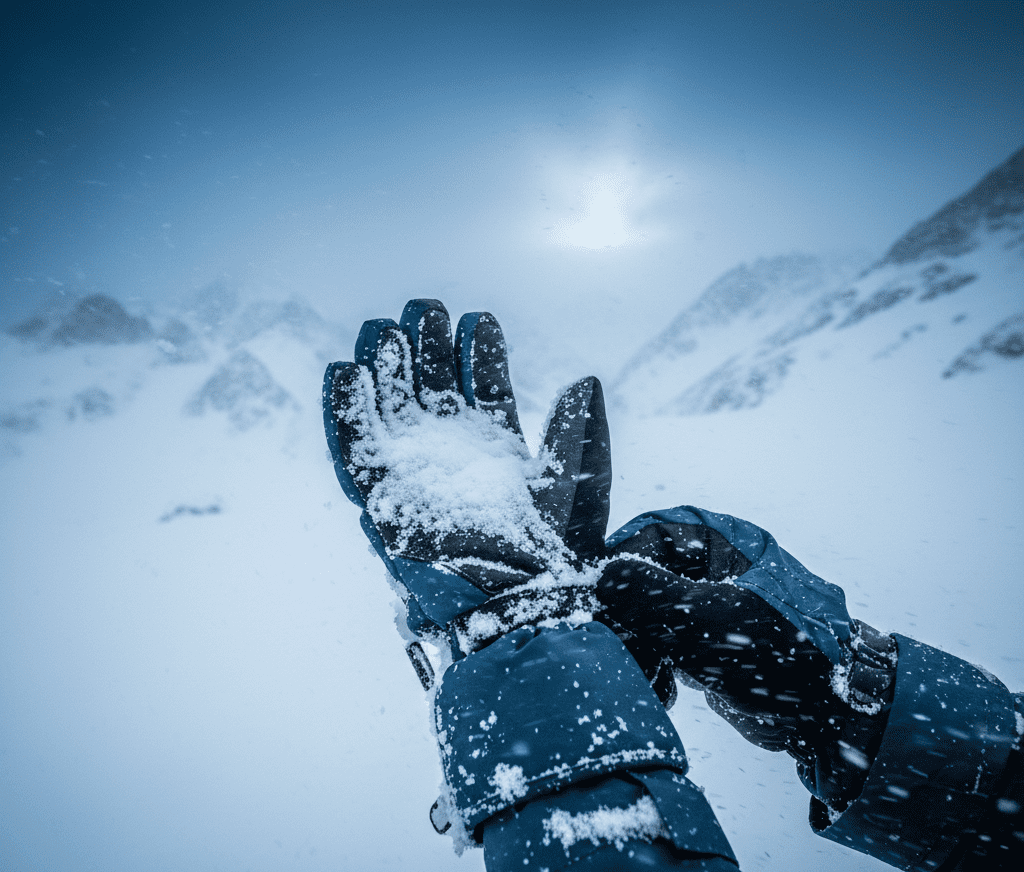
One of the sneakiest reasons why ski gloves lose warmth is moisture slowly building up inside the layers. Even if your gloves look dry on the outside, sweat, melted snow, and condensation can soak deep into the insulation. And once moisture gets trapped, it becomes a major reason why ski gloves lose warmth much faster than expected.
Wet insulation can’t trap warm air — it collapses, feels heavy, and makes the fingers icy cold. This is also why many skiers complain that their ski gloves not warm anymore even though they seem “fine” visually. Over time, lingering moisture leads to gloves losing insulation, and that just reinforces why ski gloves lose warmth season after season.
The worst part? Many skiers try fixing this by placing gloves directly on heaters. But that intense heat destroys synthetics, cracks leather, and melts waterproof membranes… making warmth loss even worse.
How Moisture Ruins Warmth
- Sweat fills the insulation and removes the air pockets
- Melted snow seeps in through seams when waterproofing wears off
- Damp gloves accelerate insulation breakdown
- Cold moisture transfers heat away from your skin instantly
Correct Way to Dry Gloves (Without Damaging Them)
- Remove liners if possible — they hold the most sweat
- Air-dry at room temperature, away from heaters
- Place gloves near a fan for steady airflow
- Stuff with paper towels to pull moisture from deep inside
- Use a boot/glove dryer (low heat only) for safe drying
- Reapply waterproofing once fully dry
3. Outer Fabric Loses Its Waterproofing
When the outer fabric stops repelling water, your ski gloves start absorbing moisture like a sponge — and that’s one of the biggest hidden reasons why ski gloves lose warmth over time. At first, it feels like the gloves are just “getting old,” but the real issue is that once DWR (Durable Water Repellent) wears off, cold water sits on the surface, pushes into the insulation, and slowly steals heat from your hands.
As the DWR layer breaks down, the insulation underneath stays damp longer, leading to ski gloves not warm anymore by the middle of the day. And once the fabric stays wet repeatedly, the insulation collapses quicker, which is why so many skiers notice gloves losing insulation even when the gloves still look perfectly fine from the outside. This slow moisture creep is exactly why ski gloves lose warmth season after season if you don’t reproof them regularly.
You’ll usually spot the problem when dark water patches appear on the fabric. Instead of beading off, snow melts and soaks straight in. A wet, heavy outer shell always equals a cold ski gloves fix waiting to happen — and another sign of why ski gloves lose warmth without you realizing.
Signs Your Waterproofing Is Gone
- Water no longer beads — it spreads into dark wet spots
- Gloves feel colder even when insulation is still good
- Fabric stays wet for hours after skiing
- Hands feel clammy because moisture can’t escape
Quick Fixes to Restore Waterproofing
- DWR Spray: Fastest surface-level reproofing; great for synthetics
- Leather Wax: Perfect for leather gloves; restores softness + protection
- Technical Wash-In: Treats the fabric from the inside and outside; best for very worn gloves
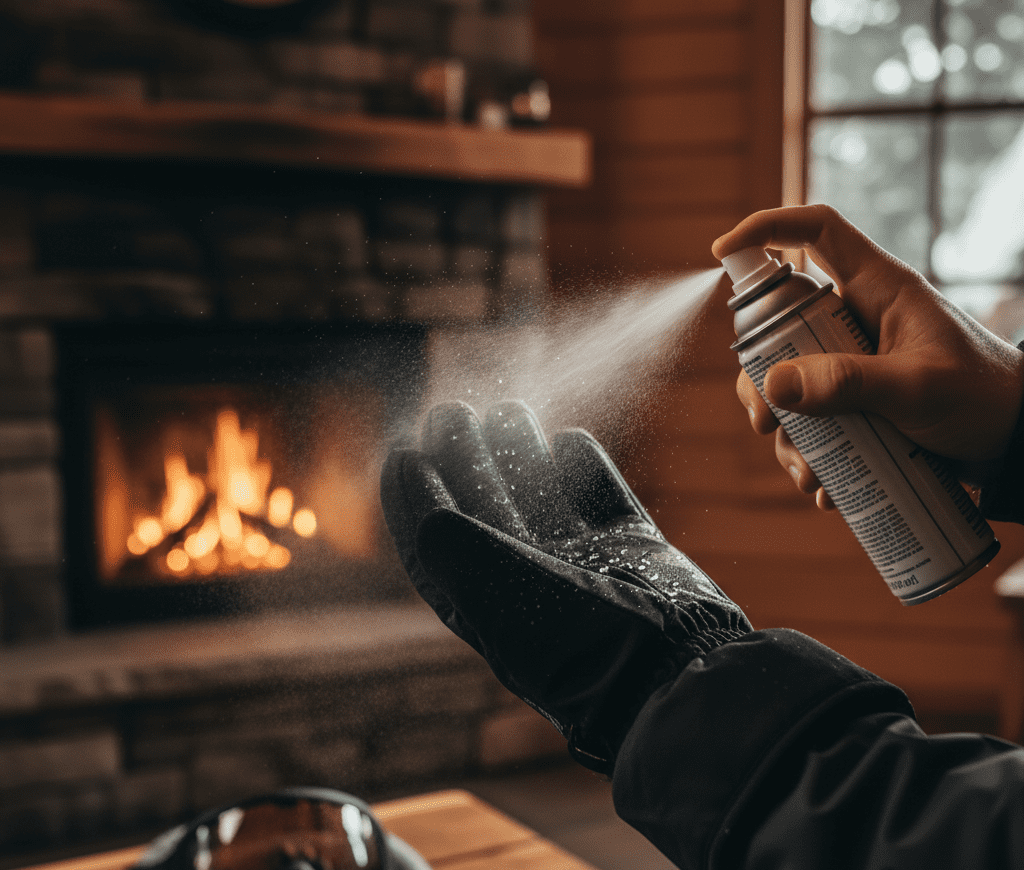
DWR Spray vs Wax vs Wash-In
| Method | Best For | Pros | Cons |
| DWR Spray | Nylon, polyester gloves | Fast, easy, inexpensive | Wears off quicker |
| Leather Wax | Leather gloves | Adds waterproofing + softness | Not ideal for synthetics |
| Wash-In Treatment | Older gloves, mixed materials | Deep, long-lasting reproofing | Requires machine wash cycle |
4. Your Gloves Are Too Tight (Blood Circulation Drops Warmth)
One of the sneakiest reasons why ski gloves lose warmth has nothing to do with insulation or waterproofing — it’s simply that the gloves are too tight. When gloves squeeze your fingers, blood circulation drops instantly, and that slow circulation makes even premium gloves feel like they’re not warm anymore. Many skiers blame old insulation or worn fabric, but in reality, tight gloves cause the same effect as gloves losing insulation because compressed insulation stops trapping warm air.
A tight fit also reduces the internal loft of Thinsulate, PrimaLoft, or wool liners. And since warmth depends on air pockets, crushed insulation directly affects how to keep ski gloves warm, especially in freezing wind. This is another subtle but frustrating reason why ski gloves lose warmth even when they look brand new.
So if your fingertips start going numb after a run, or your gloves feel “cold from the inside,” the problem might not be the glove quality — just the fit.
How to Test If Your Gloves Are Too Tight
- Make a fist — if the glove resists or feels stiff, it’s too tight
- Wiggle your fingers — you should feel free movement
- Pinch test — if you can’t pinch any glove material at the fingertips, insulation is compressed
- Check circulation — fingers turning pale or red = restricted flow
- Gloves feel colder during breaks than while skiing
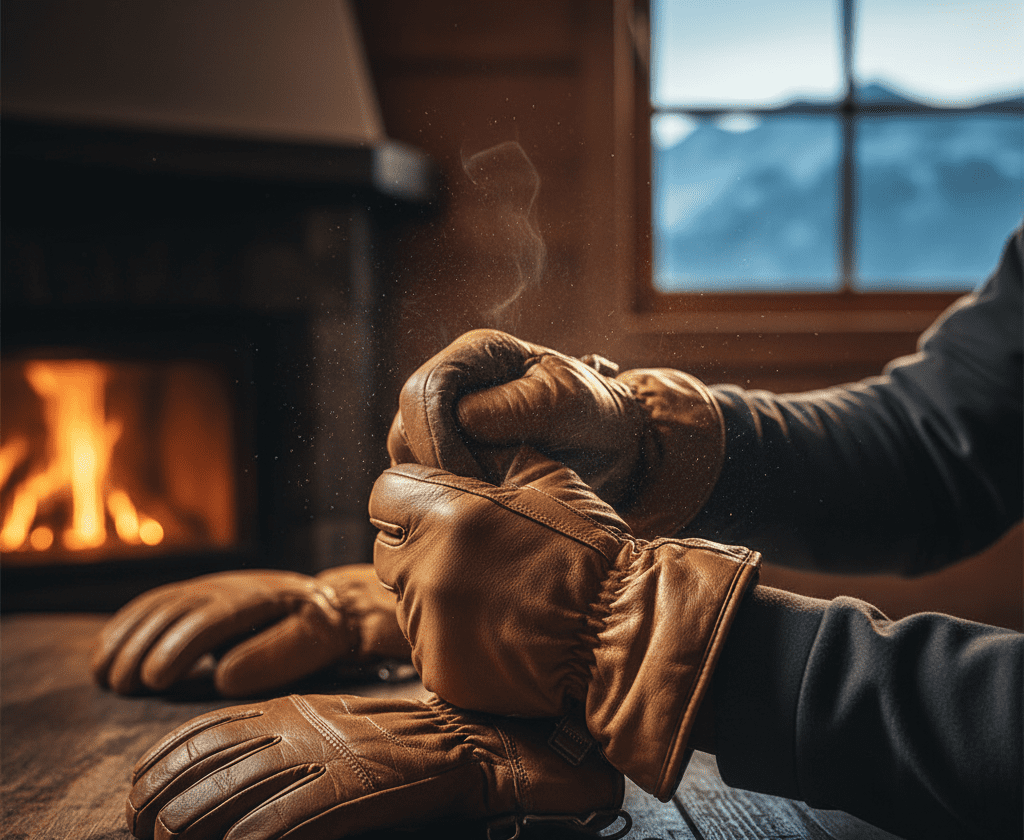
Mini Checklist: Signs Your Gloves Are Too Tight
- Fingers tingle or go numb
- Gloves feel colder than older, looser pairs
- Hard to grip poles comfortably
- Takes effort to remove gloves
- Insulation feels thin or “flat” at the fingertips
5. Liners Are Worn Out or Wrong for the Temperature
A lot of skiers don’t realize that worn-out liners are a major reason why ski gloves lose warmth over time — even if the outer glove still looks perfect. Liners are the first layer to absorb sweat, friction, and constant movement, and as they age, the fibers flatten. Once that loft disappears, they stop trapping warm air, which makes your ski gloves not warm anymore, even on mild-temperature days.
Old fleece is the biggest culprit. It pills, compresses, and ends up feeling thin and scratchy instead of plush. When liners lose loft, they mimic the same effect as gloves losing insulation, because air pockets collapse and warmth escapes. This becomes a serious issue in windy conditions when your gloves need every bit of insulation to perform.
But here’s the twist — using the wrong liners can make things even worse. Thick liners inside tight gloves crush the glove insulation even more. That compression directly affects how to keep ski gloves warm, because squeezed insulation holds less heat. Many skiers add bulky liners thinking they’ll boost warmth, but they unknowingly make their gloves colder.
Why Liners Matter for Warmth
- They create the first insulation barrier
- They absorb sweat, and wet liners = instant heat loss
- Good liners maintain loft even after repeated use
- Bad or old liners make you think why ski gloves lose warmth, even if the glove shell is fine
You’ll notice problems especially in the fingertips — if the liner feels thin, slippery, or worn smooth, that’s usually the first sign of insulation failure.
Best Liner Combinations for Warm Hands
To avoid cold fingers and maintain how to keep ski gloves warm, choose liners based on activity level and temperature:
1. Merino Wool Liners (Best Overall Warmth)
- Excellent moisture wicking
- Stays warm even when damp
- Great for very cold days
- Helps prevent ski gloves not warm anymore effect
2. Silk Liners (Best for Mild Days or High Activity)
- Ultra-thin, doesn’t compress insulation
- Smooth feel, low friction
- Ideal if your gloves already feel snug
3. Synthetic Thermal Liners (Best for Sweat Management)
- Dry quickly
- Maintain shape longer than fleece
- Reduce the risk of gloves losing insulation due to moisture buildup
Avoid fleece liners if your gloves are already tight — fleece is bulky and will make you lose more warmth due to insulation compression.
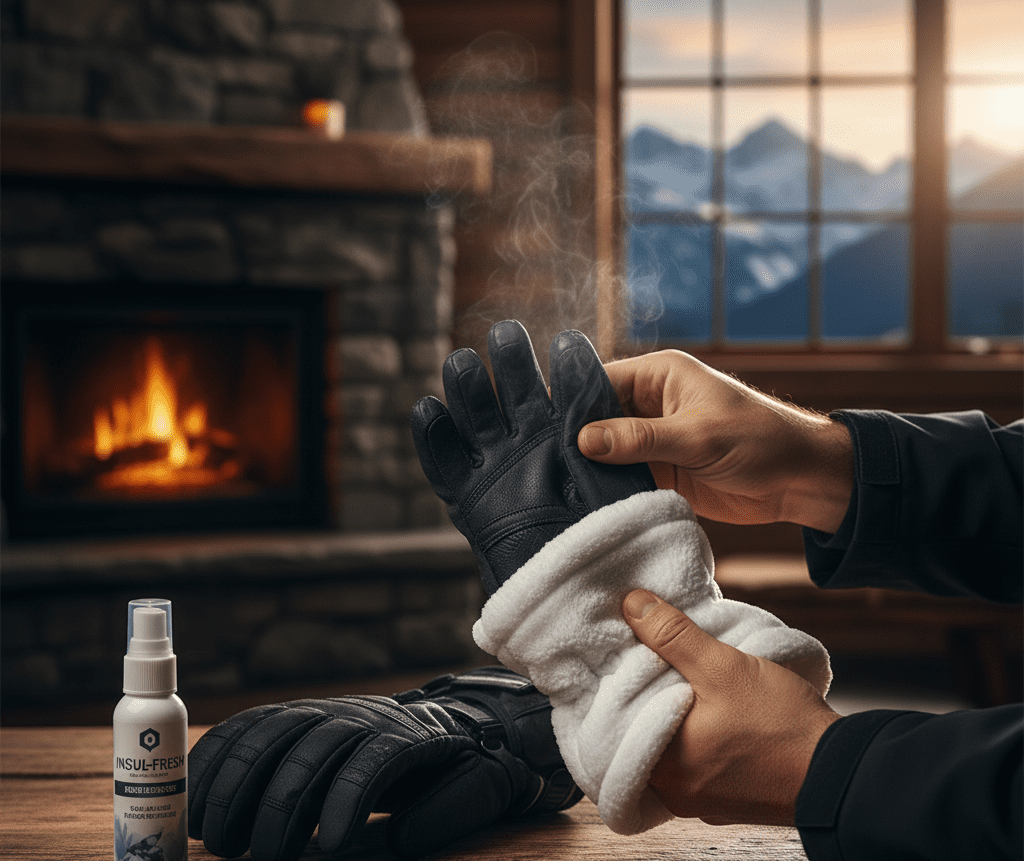
When to Replace Your Liners
- They feel thin or patchy
- Fabric looks shiny instead of fluffy
- They stay damp longer than they used to
- You start wondering why your ski gloves lose warmth even after drying them
Replacing liners is one of the cheapest and most effective ways to fix cold ski gloves fast — often more effective than buying new gloves entirely.
6. Windproofing Wears Out (Cold Air Sneaks Inside)
One of the sneakiest reasons why ski gloves lose warmth is fading windproofing. Even if your insulation is healthy, moisture is controlled, and liners are fresh, cold air can cut straight through a tired outer shell and make ski gloves not warm anymore. Wind chill doesn’t just cool the outside — it steals heat from inside the glove, collapsing warm air pockets and making you think your gloves are losing insulation, even when the real problem is airflow.
Over time, the fabric that once blocked icy gusts starts to loosen, stretch, or wear thin. Once that wind barrier weakens, your hands feel the full force of the cold, especially on chairlifts where wind chill is at its absolute worst. Many skiers try to figure out how to keep ski gloves warm and never realize the wind layer is the silent culprit behind the heat loss.
The tricky part? You can’t always see windproofing damage — but you can definitely feel it. Gloves that used to feel toasty suddenly let icy air creep into the fingertips, and that alone is enough to make you wonder why ski gloves lose warmth even after using conditioners, liners, or DWR.
How Windproofing Breaks Down
- Repeated flexing weakens fibers
- Outer shell becomes porous with age
- Dirt, snow, and oils clog windproof coatings
- Membranes inside the glove delaminate over time
Once this happens, wind pushes through the material, stripping heat far faster than poor insulation alone ever would.
Why Wind Chill Destroys Warmth
Wind chill forces cold air directly against the glove surface. When the outer shell can’t block wind:
- Heat escapes through the fabric faster
- Insulation can’t trap warm air properly
- Fingers become cold even when moving
- Gloves feel colder on lifts or open slopes
This is often why people think their ski gloves are not warm anymore, when the real issue is the failing wind-blocking layer.
Simple “Blow-Through Test” (Takes 3 Seconds)
This is the easiest way to check if windproofing is gone:
- Hold the glove’s outer shell against your mouth.
- Try blowing air through the fabric.
- If you can feel air on your hand inside… the windproofing is failing.
A properly windproof glove should block almost all airflow.
This quick test helps you diagnose why ski gloves lose warmth without guessing.
Fixes for Failing Windproofing
Here’s how to restore warmth and block cold air again:
1. Use Gloves with Windproof Membranes
Look for:
- Gore-Windstopper
- PU or TPU windproof layers
- Softshell gloves with active wind barriers
These give an instant warmth boost by stopping airflow completely.
2. Add a New Shell Layer
A thin windproof over-mitt instantly fixes ski gloves not warm anymore issues.
Perfect for extremely windy days or chairlift-heavy terrain.
3. Adjust Your Cuffs Properly
Loose cuffs let cold air rush straight into the glove.
To keep gloves from losing insulation performance, do this:
- Tuck cuffs under your jacket sleeve in high wind
- Tighten wrist straps to seal air gaps
- Avoid letting snow sit at the cuff opening
Sometimes warmth loss isn’t the insulation — it’s simply air leaking in.
7. Gloves Are Simply Past Their Lifespan
Sometimes, no amount of care or maintenance can fix why ski gloves lose warmth — they’ve simply reached the end of their usable life. Even the best gloves eventually wear out, and continuing to use them means your ski gloves not warm anymore, insulation fails, and cold fingers become a daily problem. Knowing when to replace them is just as important as learning how to keep ski gloves warm.
How Long Ski Gloves Really Last
High-quality ski gloves generally last 2–6 years, depending on use, care, and weather conditions:
- Casual skiers: 2–3 years
- Regular skiers: 3–4 years
- Heavy or extreme-condition skiers: 4–6 years
Synthetic gloves often lose insulation faster, while leather or Gore-Tex gloves can last longer if properly maintained. But after several seasons, even the sturdiest gloves show signs of breakdown that can’t be reversed.
When Materials Reach the Point Where Repair Won’t Help
Even with patching, reproofing, or new liners, some wear is irreversible:
- Compressed or flattened insulation that no longer traps heat
- Torn or delaminated membranes that let cold air in
- Leather that’s cracked or permanently stiff
- Worn-out windproof or waterproof coatings
If you notice these issues, your gloves are past their prime — continuing to use them explains exactly why ski gloves lose warmth despite all your efforts.
Signs It’s Time for New Gloves
- Fingers always cold no matter warming or layering
- Insulation fails to spring back after flexing
- Tears or holes in windproof/waterproof layers
- Leather or fabric feels brittle and stiff
- Cuffs no longer seal properly
Replacing gloves restores insulation performance, windproofing, and warmth — solving problems like gloves losing insulation and giving you full control over comfort on the slopes.
Brand Longevity Examples
Some brands are known for lasting quality and warmth if maintained:
| Brand | Lifespan | Notes |
| Hestra | 5–6 years | Durable leather, excellent insulation |
| Black Diamond | 4–5 years | Synthetic and hybrid gloves, robust build |
| Outdoor Research | 3–5 years | Gore-Tex options, good waterproofing longevity |
| Gore-Tex Gloves (General) | 4–6 years | Membrane retains water resistance but may lose insulation over time |
Investing in high-quality gloves ensures warmth, durability, and better performance, making it easier to maintain how to keep ski gloves warm over multiple seasons.
Quick Ways to Warm Up Gloves Instantly on the Slopes
Sometimes, you don’t have time for slow warming or conditioning — and you just need your hands warm immediately. These quick fixes help you stay comfortable without damaging your gloves. They also address why ski gloves lose warmth in the middle of a ski day.
1. Hand Warmers
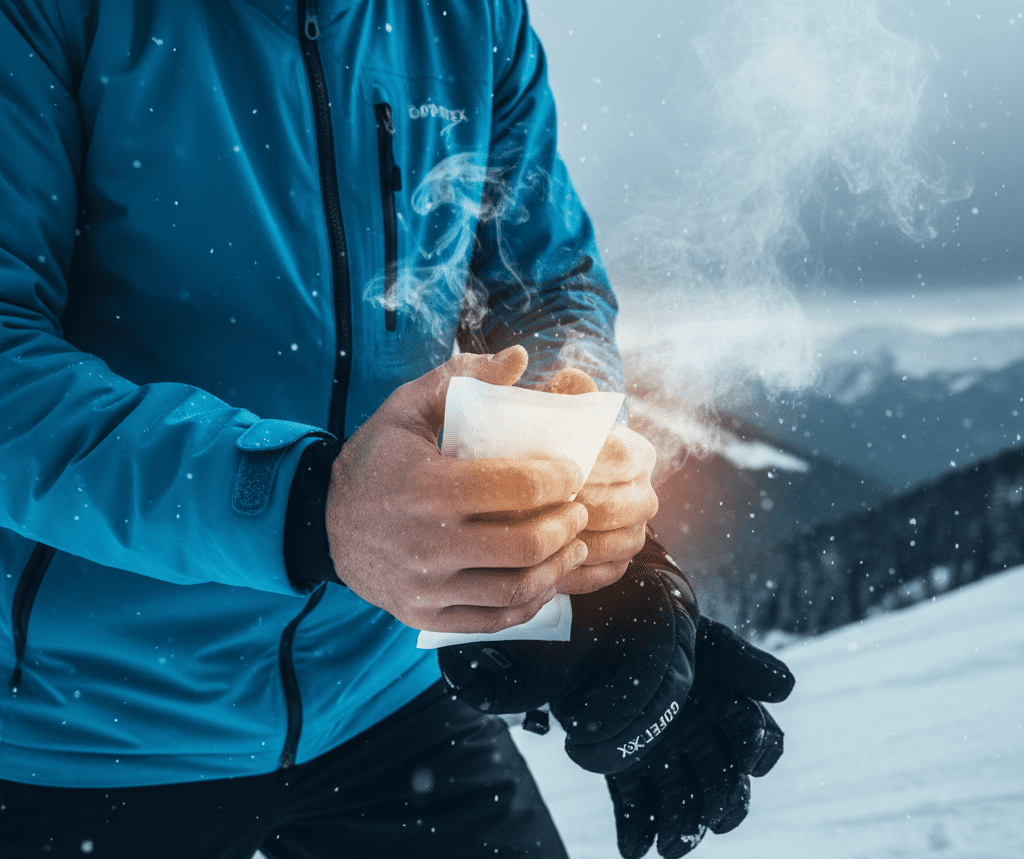
- Activate chemical or reusable hand warmers and place inside gloves or liners.
- Great for synthetic or leather gloves.
- Can extend comfort for 1–4 hours depending on brand.
- Perfect for those mid-run emergencies when ski gloves not warm anymore.
2. Shake-to-Reactivate Insulation
- Gently shake or slap gloves to redistribute compressed insulation.
- Helps restore loft in down or synthetic gloves temporarily.
- Works best for gloves with slightly flattened padding.
- This trick is useful when gloves losing insulation makes fingers cold.
3. Avoid Moisture Traps
- Remove snow or dampness inside gloves quickly.
- Open vents or shake out wet gloves before re-wearing.
- Moisture directly reduces insulation effectiveness, so managing it helps how to keep ski gloves warm.
4. Warming Liners Inside Jacket
- Pull liners or glove inserts inside your jacket near body heat for 5 minutes.
- Slowly warms the gloves without risking damage.
- Especially effective for gloves that feel cold even with hand warmers.
- Helps prevent cold ski gloves fix situations on the slopes.
Pro Tip: Combining one or more of these methods can give immediate warmth and prevent heat loss from recurring problems like compressed insulation, wet gloves, or wind penetration.

Comparison Table — Why Ski Gloves Lose Warmth Over Time
| Problem | Cause | Fix |
| Cold spots | Compressed or worn insulation | Replace insulation, shake-to-reactivate, or use hand warmers |
| Wet feeling | Lost DWR / waterproofing | Reproof with DWR spray, leather wax, or technical wash |
| Stiff gloves | Water or improper drying | Condition leather or synthetic gloves, avoid heaters |
| Sweaty hands | No breathable liners or poor fit | Add moisture-wicking liners, adjust glove fit, improve ventilation |
| Fingers feel cold | Gloves too tight or blood circulation restricted | Loosen gloves slightly, test tightness, choose proper sizing |
| Gloves not warm anymore | Old gloves past lifespan | Replace gloves, choose high-quality insulated brands (Hestra, Black Diamond, Outdoor Research) |
FAQs — Why Ski Gloves Lose Warmth
Q1: Why do my ski gloves stop being warm?
A: Ski gloves lose warmth due to compressed insulation, worn liners, broken waterproofing (DWR), or gloves that are too tight. Proper care, correct sizing, and using hand warmers can help restore heat. Understanding why ski gloves lose warmth ensures your hands stay comfortable on the slopes.
Q2: Do ski gloves lose insulation over time?
A: Yes. Materials like Thinsulate or PrimaLoft compress with use, reducing the trapped air that provides warmth. Gloves losing insulation is a natural process, but shaking, refluffing, or adding liners can extend their effectiveness.
Q3: How long should good ski gloves last?
A: High-quality gloves typically last 2–6 years, depending on usage and care. Brands like Hestra, Black Diamond, and Outdoor Research maintain insulation and windproofing longer. If your gloves feel cold despite proper layering, it may be time to replace old gloves.
Q4: How can I revive old ski gloves?
A: To revive cold gloves, restore insulation by shaking or refluffing, reproof the outer shell with DWR sprays, condition leather or synthetic fabrics, and use moisture-wicking liners. These steps can improve warmth and help how to keep ski gloves warm even on chilly days.
Q5: Why are my hands cold even in expensive gloves?
A: Even premium gloves lose warmth if insulation compresses, waterproofing wears off, or the gloves are too tight, restricting blood flow. Checking fit, layering properly, and maintaining the glove materials will help prevent heat loss.
Final Thoughts — Keep Your Gloves Warm Longer
Understanding why ski gloves lose warmth helps you take action before your hands start freezing on the slopes. From compressed insulation and moisture buildup to worn liners and lost waterproofing, most problems are fixable with proper care, sizing, and maintenance.
By following the tips outlined in this guide—warming your gloves properly, using hand warmers, reproofing outer fabrics, and choosing the right liners—you can keep your gloves cozy, flexible, and ready for every winter adventure.
Don’t let cold hands ruin your skiing experience! Try these strategies on your next trip to stay warm, comfortable, and in control. For expert advice, gear reviews, and the best products to keep your gloves warm, visit skiglovesusa.com and enjoy every run to the fullest.