QUICK ANSWER: The same insulation performs differently at different temperatures, even brand new and completely dry. Colder air creates a steeper temperature gradient between your hand and the outside world, which pulls heat out faster regardless of how good the insulation is. On top of that, different insulation materials respond to cold in genuinely different ways — down loses loft dramatically if it picks up even slight dampness in cold air, while synthetic fill holds its structure much better in the same conditions. This is a real-time performance difference, not gradual wear.
This is a different question than “why did my gloves get less warm over the season” — that’s usually compression or moisture damage, and ski glove care tips covers that separately. If you’re trying to figure out what insulation weight actually fits your conditions, the Ski Glove Finder matches you to specific gloves based on your temperature range and hand sensitivity instead of a general rule of thumb. This is about why the exact same undamaged glove performs differently at 10°F than it does at -10°F.
- Heat Loss Speeds Up as It Gets Colder — Even With Identical Insulation
- Why Down and Synthetic Insulation Behave Differently in Cold Specifically
- Why Your Hands Get Cold Fast on a Chairlift, Even in Good Gloves
- Matching Insulation Weight to Actual Temperature Range
- Where Cold-Weather Circulation Makes This Worse
- Common Mistakes People Make Chasing Warmth in Cold Conditions
- Decision Checklist
- Frequently Asked Questions
- Final Thoughts
Heat Loss Speeds Up as It Gets Colder — Even With Identical Insulation
Insulation doesn’t generate warmth. It slows down how fast your body heat escapes.
That escape rate depends heavily on the temperature difference between your skin and the outside air. A bigger gap means heat moves out faster, through the same material, at the same thickness.
This is basic heat transfer physics, not something specific to ski gloves — but it explains something skiers notice constantly and rarely have a name for: a glove that felt genuinely warm on a 15°F day can feel noticeably less adequate at -5°F, even though nothing about the glove itself changed.
The insulation isn’t failing. The temperature gradient driving heat loss simply got steeper, and the same barrier is now working against a bigger difference.
Why Down and Synthetic Insulation Behave Differently in Cold Specifically
Down and synthetic fill aren’t just “different levels of warm” — they respond to cold conditions through genuinely different mechanisms.
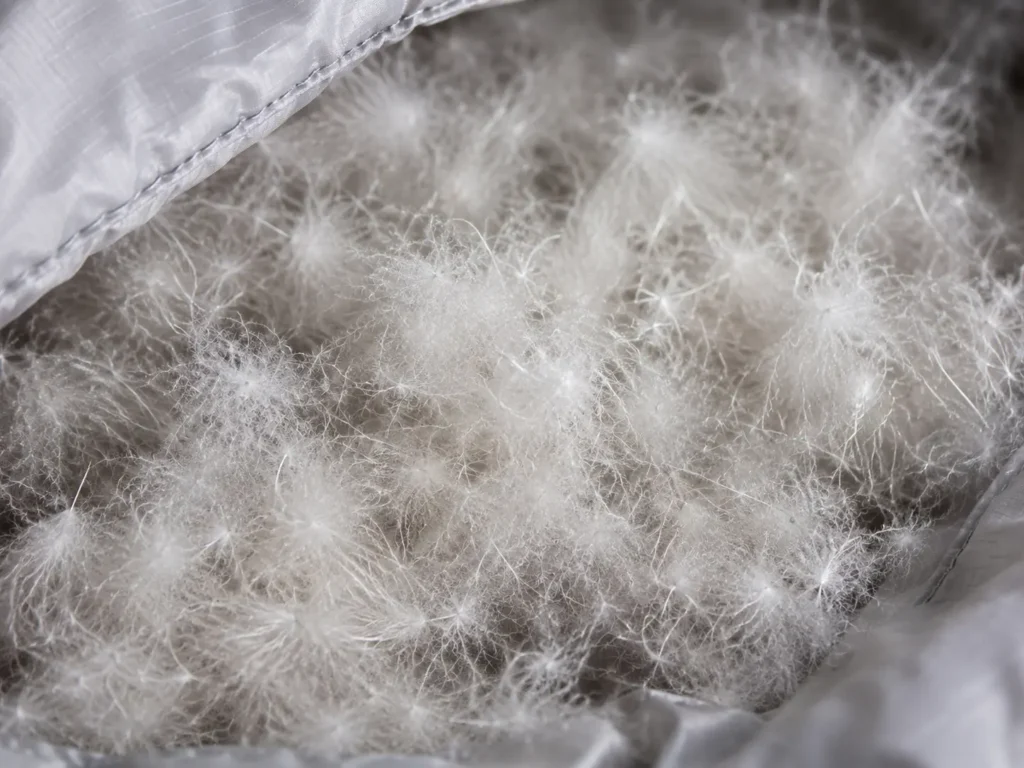
Down works by trapping enormous amounts of still air between its fine, branching structure. That’s why it has the best warmth-to-weight ratio of any common insulation. The problem is specific to cold, damp conditions: down clumps when it picks up even a small amount of moisture, and clumped down loses the air-trapping structure that makes it work in the first place.
Synthetic insulation — PrimaLoft, Thinsulate, and similar materials — uses shorter, more numerous fibers that don’t rely on the same delicate structure. It holds up better specifically when cold and slightly damp at once, which is a common combination on a real ski day, even though it doesn’t match down’s warmth-to-weight ratio when both are completely dry.
Wool behaves differently again — it retains a meaningful amount of insulating capacity even when wet, through a different fiber structure than either down or synthetic fill, which is part of why wool liners remain a common recommendation for genuinely cold, wet conditions.
None of these materials is universally “better.” Each one trades off differently specifically as temperature and moisture both shift, which is exactly the combination a real ski day involves.
Why Your Hands Get Cold Fast on a Chairlift, Even in Good Gloves
Active skiing generates real body heat. Your hands, working the whole time — gripping poles, adjusting gear — stay warmer partly because of the insulation and partly because of that ongoing heat production.
A chairlift ride removes the second half of that equation. You stop generating significant heat, wind exposure often increases, and the temperature gradient driving heat loss stays just as steep or steeper than it was on the run.
Research on cold-weather hand protection backs up something worth understanding directly: insulation performance in controlled testing consistently drops during low-activity, high-exposure conditions compared to active use — which is exactly the difference between skiing a run and sitting still on a lift.
This is why “my hands are fine until the chairlift, then they go numb” is such a common, specific complaint. It’s not usually a sign of insulation failure — it’s the predictable result of losing your own heat generation while the temperature gradient stays the same or gets worse from wind.
Matching Insulation Weight to Actual Temperature Range
Insulation weight recommendations exist because the same fill amount performs differently depending on the temperature range you’re actually skiing in, not because heavier is categorically better.
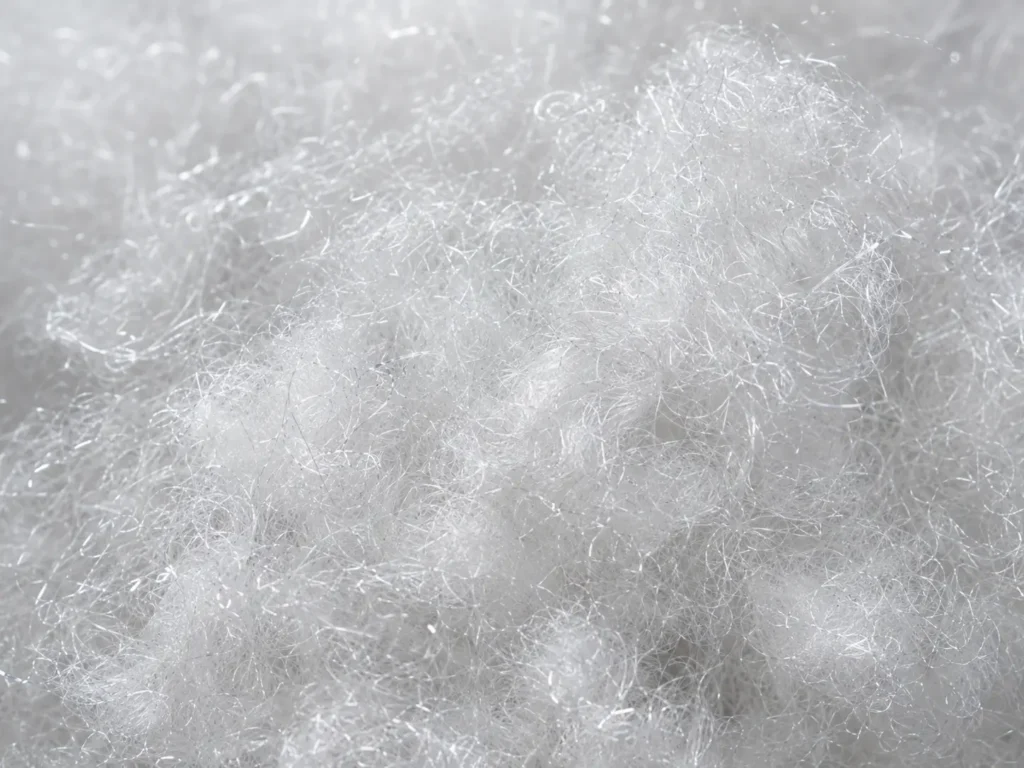
Lighter insulation — generally in the 60-100g range — performs fine in mild conditions but leaves a real gap once temperatures drop into consistently cold territory, since there’s less trapped air volume to work with against a steeper heat-loss gradient.
Heavier insulation — 150g and up — closes that gap in genuinely cold conditions, but the same weight in mild weather typically means overheated, sweaty hands, which creates its own moisture problem entirely separate from anything discussed above.
Matching insulation weight to your actual coldest regular conditions, not your single coldest day ever, avoids both failure modes — under insulated on a normal cold day, or overheated and sweating through mild ones. Best Insulation for Ski Gloves breaks down specific fill weights by temperature range in more detail.

Where Cold-Weather Circulation Makes This Worse
Insulation isn’t the only variable — blood flow to your hands drops in cold conditions as your body prioritizes core temperature, and that’s a real physiological factor layered on top of whatever the glove itself is doing.
Cold stress guidance from occupational safety research confirms this reduced peripheral circulation is a normal, expected cold-weather response — not a sign that something is specifically wrong with your hands or your gear.
This matters practically because it means two people in identical gloves, in identical conditions, can have genuinely different experiences based on individual circulation — which is part of why glove recommendations aren’t one-size-fits-all even when insulation type and weight are held constant.

Common Mistakes People Make Chasing Warmth in Cold Conditions
Assuming a colder day always calls for a thicker glove. Sometimes the actual gap is fit or wind-blocking at the cuff, not insulation weight — a thicker glove with a gap at the wrist can still lose heat fast regardless of fill amount.
Choosing down for consistently wet-cold conditions. Down’s advantage disappears fastest exactly where cold and damp overlap, which is common resort weather, not just an edge case.
Ignoring wind entirely when picking insulation weight. The temperature gradient driving heat loss isn’t just about air temperature — wind chill increases that gradient significantly, and insulation weight recommendations that ignore wind exposure on your specific mountain can undersell what you actually need.
Layering a thick liner into a glove that wasn’t sized for it. Compressed insulation traps less air regardless of the reason it’s compressed — a liner that’s too bulky for the outer shell defeats some of the insulation’s purpose by squeezing out the air space that makes it work.
Decision Checklist
- Consistently cold, dry conditions: Down or high-fill-power synthetic both work well — dampness isn’t the limiting factor here
- Cold and frequently damp — coastal resorts, spring storms: Synthetic fill or wool over down, since down’s advantage collapses fastest in exactly this combination
- Long, exposed chairlift rides in your typical day: Weight insulation choice toward your stationary exposure, not just your active-skiing comfort
- Sweaty hands even in cold conditions: The problem may be insulation weight mismatched to your activity level, not insufficient warmth — moisture management matters as much as raw insulation here
- Circulation runs naturally cold for you specifically: Size insulation weight up from the general recommendation, since physiological cold response varies person to person regardless of glove quality
Frequently Asked Questions
Does colder air actually make insulation perform worse, or does it just feel that way?
It’s a real, measurable effect, not just perception — heat loss rate depends on the temperature gradient between your skin and the outside air, and that gradient gets steeper as air temperature drops. The insulation itself isn’t degrading; it’s working against a bigger difference.
Is down or synthetic insulation better for genuinely cold conditions?
Depends specifically on moisture. In cold, dry conditions, down’s superior warmth-to-weight ratio wins. In cold, damp conditions — common at many resorts — synthetic fill holds its structure and performance better, since down loses loft dramatically once it picks up moisture.
Why do my hands go numb on the chairlift even though they’re fine while skiing?
Active skiing generates body heat that supplements your insulation; sitting still on a lift removes that heat generation while wind exposure often increases. That combination — steeper heat loss and no active heat production — is the real cause, not necessarily inadequate insulation.
Should I always buy the heaviest insulation available for winter skiing?
No. Heavier insulation in mild conditions typically causes overheating and sweating, which creates a separate moisture problem. Match insulation weight to your typical coldest regular conditions, not your single most extreme day.
Does wind change how much insulation I actually need?
Yes, significantly. Wind increases the rate of heat loss beyond what air temperature alone would suggest, which is why insulation recommendations that only account for temperature can undersell what a genuinely windy, exposed mountain actually requires.
Final Thoughts
Cold air doesn’t damage insulation the way moisture or compression does — it changes how hard that insulation has to work in real time, and different materials respond to that challenge differently. Down performs best in cold, dry conditions and struggles specifically once dampness enters the picture. Synthetic fill trades some warmth-to-weight efficiency for consistency across a wider range of cold-and-damp conditions. Matching material and weight to your actual temperature range — including wind and how much time you spend stationary versus active — solves more of the “why are my hands cold” problem than simply buying a heavier glove ever will.