QUICK ANSWER: Snow and ice damage gloves through two distinct physical processes, not just “getting wet.” Freeze-thaw cycling forces trapped moisture to expand inside fabric and stitching every time it refreezes, gradually stressing fibers and seams. Ice crystal abrasion physically grinds down shell material through repeated contact — packed snow, lift bars, and ice scraping all behave more like sandpaper than soft snow. Understanding which mechanism is doing the damage changes what actually prevents it.
- Why "Getting Wet" Isn't the Real Explanation
- Mechanism One: Freeze-Thaw Expansion
- Mechanism Two: Ice Crystal Abrasion
- How the Two Mechanisms Interact
- Material Behavior Under These Two Mechanisms
- Common Mistakes That Accelerate Both Mechanisms
- Quick Diagnosis: Which Mechanism Is Causing Your Specific Problem
- Decision Checklist
- Frequently Asked Questions
- Final Thoughts
Why “Getting Wet” Isn’t the Real Explanation
Most skiers assume wet gloves and damaged gloves are the same problem. They’re related, but they’re not identical.
A glove can get wet and dry out completely fine, season after season, if that’s all that happens. What actually causes lasting damage is water that gets trapped, then freezes, thaws, and freezes again — repeatedly, over the course of many ski days.
The other major mechanism is abrasion, and it has almost nothing to do with moisture at all. Ice and hard-packed snow are physically harder than fresh powder, and repeated contact with them wears down fabric the same way any abrasive material would.
Separating these two mechanisms matters because the prevention for each is different — you can’t fix abrasion damage by drying gloves better, and you can’t fix freeze-thaw stress by avoiding ice contact alone.
Mechanism One: Freeze-Thaw Expansion
This isn’t unique to ski gloves — it’s the same physical process that cracks pavement and breaks apart rock over time. Water expands by roughly 9% in volume when it freezes, and when that expansion happens inside a confined space — a fiber, a seam, a small pore in leather — it creates real internal pressure.
In a ski glove, that confined space is the microscopic structure of the fabric or leather itself, plus the tight stitching at seams. Moisture works its way in from handling snow, brushing off boots, or general contact throughout a ski day, even when the glove technically stays “dry” on the surface.
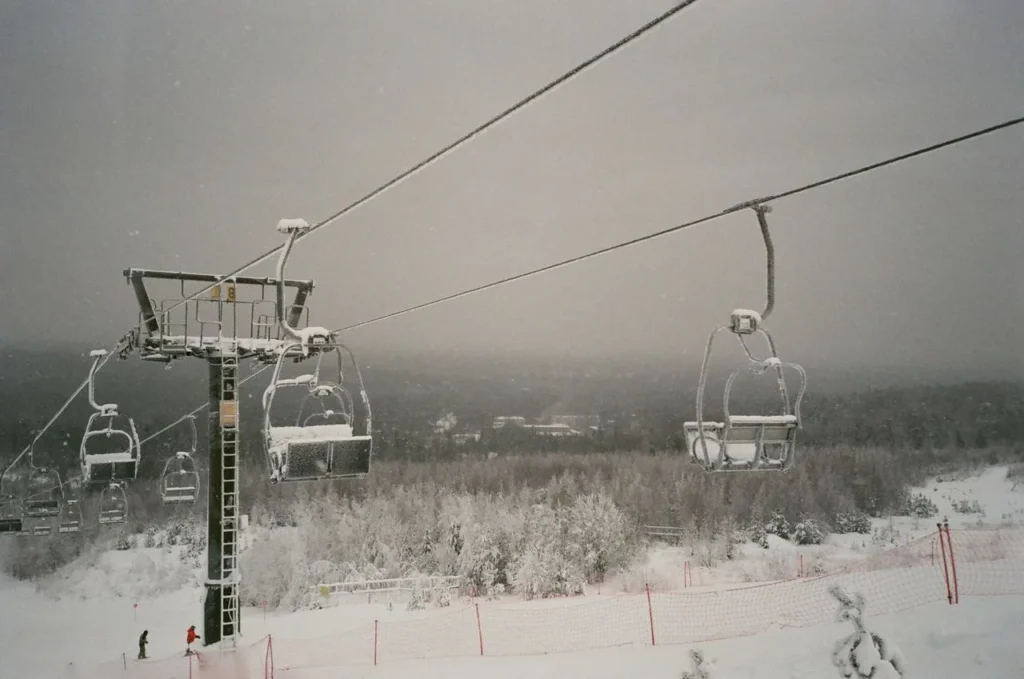
Then you sit on a chairlift. Temperature drops, wind increases heat loss, and that trapped moisture freezes. The volume increase happens inside material that has very little room to accommodate it.
One freeze-thaw cycle does essentially nothing. The real damage comes from repetition — a full ski day can put a glove through this cycle multiple times, and a full season can mean hundreds of cycles. Each one adds a small amount of stress that doesn’t fully reverse when the glove thaws and dries.
This is the actual mechanism behind gloves that gradually crack, stiffen, or develop seam separation over a season, even without any single dramatic damage event.
Mechanism Two: Ice Crystal Abrasion
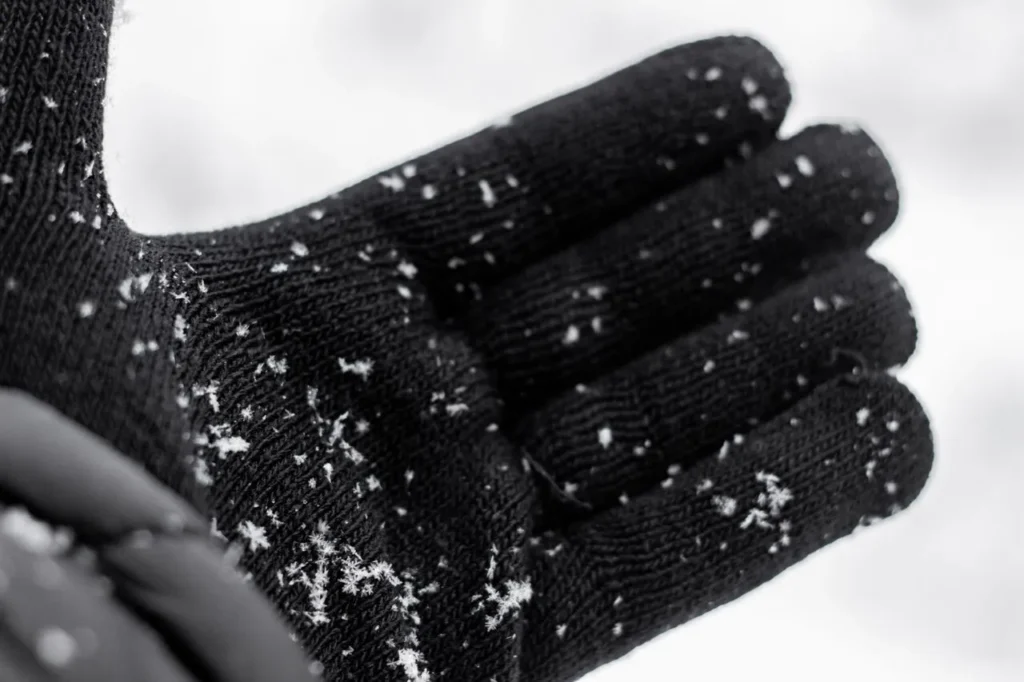
Fresh powder is soft. Packed, refrozen, or wind-hardened snow is a different material entirely — dense, and often edged with sharp ice crystal structure.
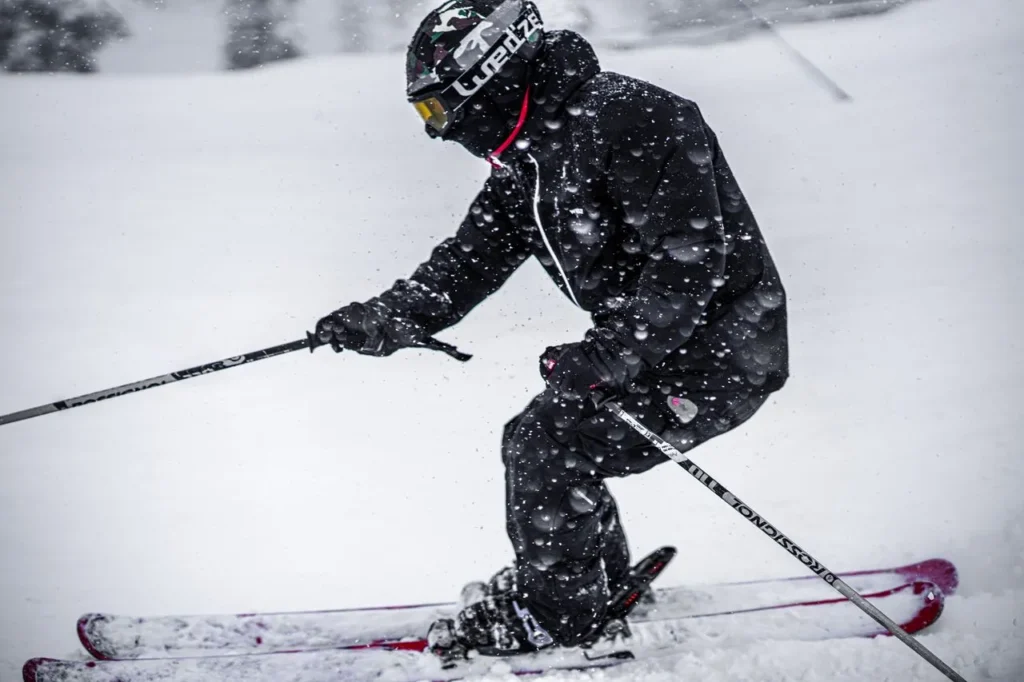
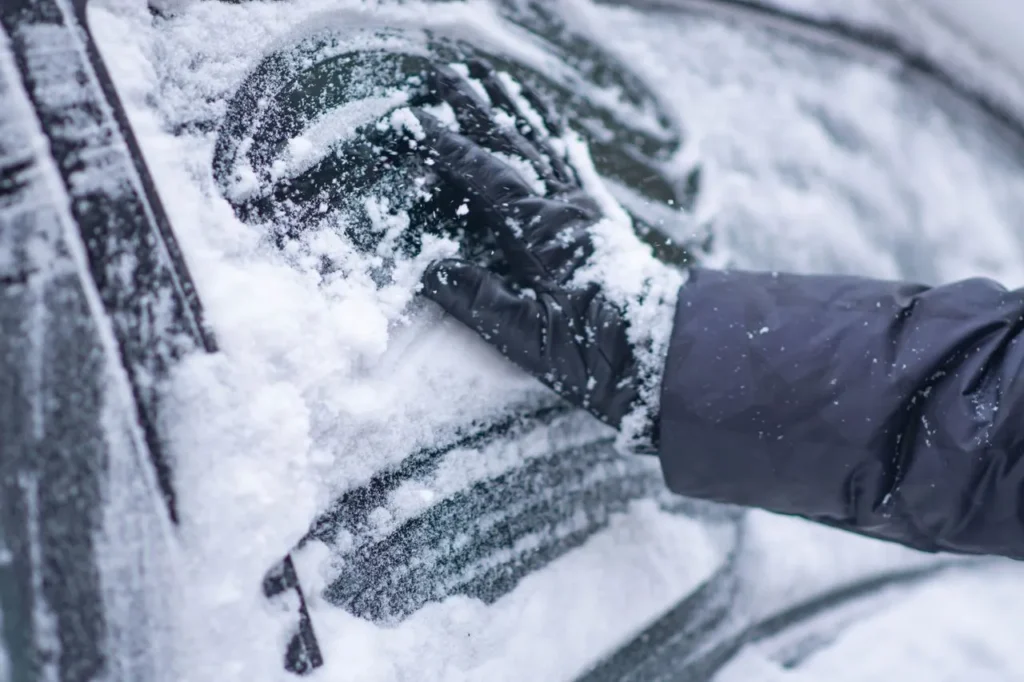
Contact between that hardened surface and glove fabric works like light sandpaper. It’s not damage from a single dramatic scrape — it’s the accumulation of thousands of small contact points over a season: gripping poles, brushing ice off bindings, catching yourself after a fall on hard-packed snow.
The palm and thumb take the most abrasion specifically because they’re in contact with equipment constantly — pole grips, buckles, zippers, bindings. Leather resists this type of wear better than most synthetic fabrics, which is part of why leather palms remain common even on otherwise synthetic gloves.
Using bare fabric to scrape ice off gear is one of the more avoidable sources of this kind of wear. A plastic scraper or a pole tip does the same job without putting the glove’s own material through repeated hard contact.
How the Two Mechanisms Interact
Freeze-thaw stress and abrasion aren’t independent — they make each other worse.
Fabric that’s already been weakened by repeated freeze-thaw cycling has less structural integrity to resist abrasion. A fiber under internal stress from ice expansion breaks down faster when it’s also being rubbed against hard-packed snow.
Similarly, abrasion that thins the outer material makes it easier for moisture to work its way in deeper, which means more material is exposed to freeze-thaw cycling than would be with an intact outer layer.
This is why gloves used in icy, variable conditions — repeated freezing and thawing, plus hard-packed snow contact — tend to show wear faster than gloves used mainly in consistently cold, dry powder, even at similar total usage.
Material Behavior Under These Two Mechanisms
| Material | Freeze-Thaw Response | Abrasion Response |
| Leather | Loses natural oils, stiffens with repeated cycles | Resists abrasion well, especially goatskin |
| Synthetic shell | Fibers can become brittle when repeatedly frozen wet | Outer coating and surface wear thin faster than leather |
| Gore-Tex membrane | Membrane itself stays intact; surrounding fabric still affected | Membrane doesn’t abrade, but surrounding shell material does |
No material is immune to either mechanism — they just fail differently and on different timelines.
Common Mistakes That Accelerate Both Mechanisms
Storing gloves wet
Packing damp gloves into a bag or leaving them in a cold car overnight guarantees a full freeze cycle happens with maximum trapped moisture, which is close to the worst-case setup for freeze-thaw stress.
Scraping ice with bare glove material
The palm and thumb already take the most abrasion from normal use — deliberately using them against sharp ice crystals adds unnecessary wear on top of what’s unavoidable.
Drying gloves on direct heat
A heater or radiator dries the surface fast but can degrade the same leather oils and synthetic seam adhesives that freeze-thaw cycling is already stressing, compounding the damage rather than fixing it.
Assuming a waterproof rating prevents this entirely
A membrane keeps liquid water from reaching your hand, but it doesn’t stop moisture from being present in the outer shell material itself, and it does nothing to prevent abrasion.
Quick Diagnosis: Which Mechanism Is Causing Your Specific Problem
Gradual stiffness that builds over a season, especially after cold lift rides: freeze-thaw cycling. Focus on full drying between days rather than just wiping gloves down.
Smooth, thinned, or shiny-worn patches specifically at the palm or thumb: abrasion. Check whether you’re using bare hands to clear ice or snow from gear, and switch to a scraper or pole tip.
Seams opening specifically at the thumb or finger joints: likely freeze-thaw stress concentrated at stitching, where trapped moisture has the least room to expand without pushing against thread and fabric simultaneously.
Insulation becoming visible through the outer shell: a combination of both mechanisms working together over an extended period — the shell has abraded thin enough that the underlying freeze-thaw stress has broken through it.
Decision Checklist
- Skiing consistently icy, variable-temperature conditions: prioritize full overnight drying to interrupt the freeze-thaw cycle — this matters more here than in consistently dry cold
- Frequently clearing ice or hard snow from gear: switch to a scraper or pole tip immediately — this is the single most preventable source of abrasion damage
- Noticing stiffness building over a season: that’s freeze-thaw stress accumulating, not a sign the glove is simply wearing out from age
- Palm or thumb wearing thin faster than the rest of the glove: normal abrasion concentration, but accelerated if bare-hand ice scraping is part of the habit
Frequently Asked Questions
Does a single freeze-thaw cycle actually damage a glove?
Not meaningfully on its own — the damage comes from repetition. One cycle causes a small amount of stress that mostly reverses. Hundreds of cycles across a season don’t fully reverse each time, and that accumulated stress is what eventually shows up as stiffness or seam wear.
Can a fully waterproof glove still suffer freeze-thaw damage?
Yes. A membrane like Gore-Tex blocks liquid water from reaching your hand, but moisture can still be present in the outer shell fabric itself, which is where freeze-thaw expansion actually happens. Waterproofing and freeze-thaw resistance are separate properties.
Is ice abrasion really comparable to sandpaper?
The mechanism is genuinely similar — a harder material in repeated contact with a softer one gradually wears the softer material down. Hard-packed or refrozen snow has enough structural rigidity to abrade fabric and even leather over enough repeated contact, the same basic physics as any abrasive material.
Which matters more for glove lifespan — freeze-thaw or abrasion?
Depends on your conditions. Skiers in consistently icy, variable-temperature climates see more freeze-thaw stress. Skiers who frequently handle ice-covered gear or ski on hard-packed snow see more abrasion. Most skiers experience some combination of both.
Does this mean any glove will eventually fail regardless of quality?
Yes, eventually — these are physical processes that affect all materials to some degree, just at different rates. The goal of good habits isn’t to stop wear entirely, it’s to slow it enough that a glove lasts a reasonable number of seasons instead of one.
Final Thoughts
Snow and ice don’t damage gloves simply by making them wet — they damage them through two specific physical processes that compound each other over time. Freeze-thaw cycling stresses material from the inside through repeated expansion; abrasion wears it down from the outside through repeated hard contact. Neither is something a single habit fixes completely, but understanding which one is actually happening changes what’s worth doing about it. If stiffness is your main issue, focus on drying. If thinning at the palm is your main issue, focus on what you’re using your hands to scrape.
For specific symptoms this leads to — actual cracking, gloves stiffening overnight, or general wear timelines — those get their own dedicated breakdown rather than repeating the same ground here. If your gloves are feeling stiff specifically in cold conditions, why ski gloves feel stiff in extreme cold covers that symptom directly, and general upkeep between ski days is covered in ski glove care tips. If you’re shopping for a replacement built to handle these conditions better, the Ski Glove Finder matches you to specific gloves based on how and where you actually ski.