
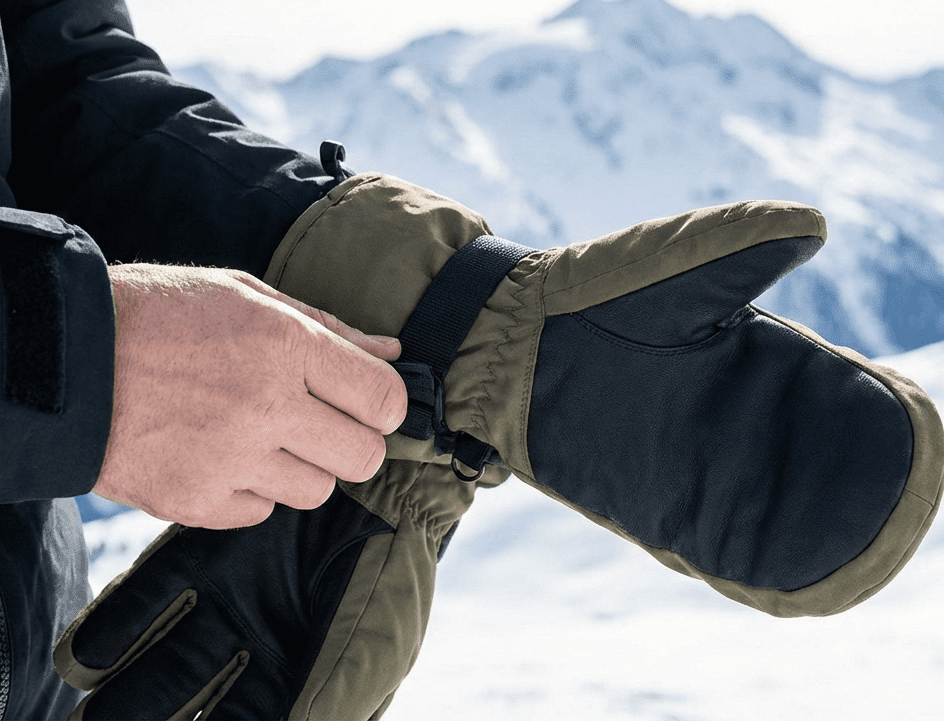
Loose ski gloves are more than annoying.
They let cold air in, reduce your grip on ski poles, and often cause blisters and hand fatigue by mid-day.
If your ski gloves feel loose, the good news is this: most of the time, you can fix the fit without buying new gloves right away. Small adjustments make a big difference.
In this guide, you’ll learn why ski gloves become loose, easy ways to fix them, when it’s time to stop fixing and replace them, and how to prevent this problem next time.
Everything here is beginner-friendly, practical, and focused only on one thing — how to fix loose ski gloves properly.
Why Do Ski Gloves Become Loose?
Understanding why ski gloves become loose is the first step in learning how to fix loose ski gloves the right way.
Most skiers blame the brand, but the real reasons are usually simple and fixable.
Liner Compression Over Time
Inside every glove is soft padding and lining.
After many ski days, this liner flattens and packs down.
When that happens, the glove feels bigger and less secure.
This is one of the most common reasons people start searching for how to fix loose ski gloves after one season of use.
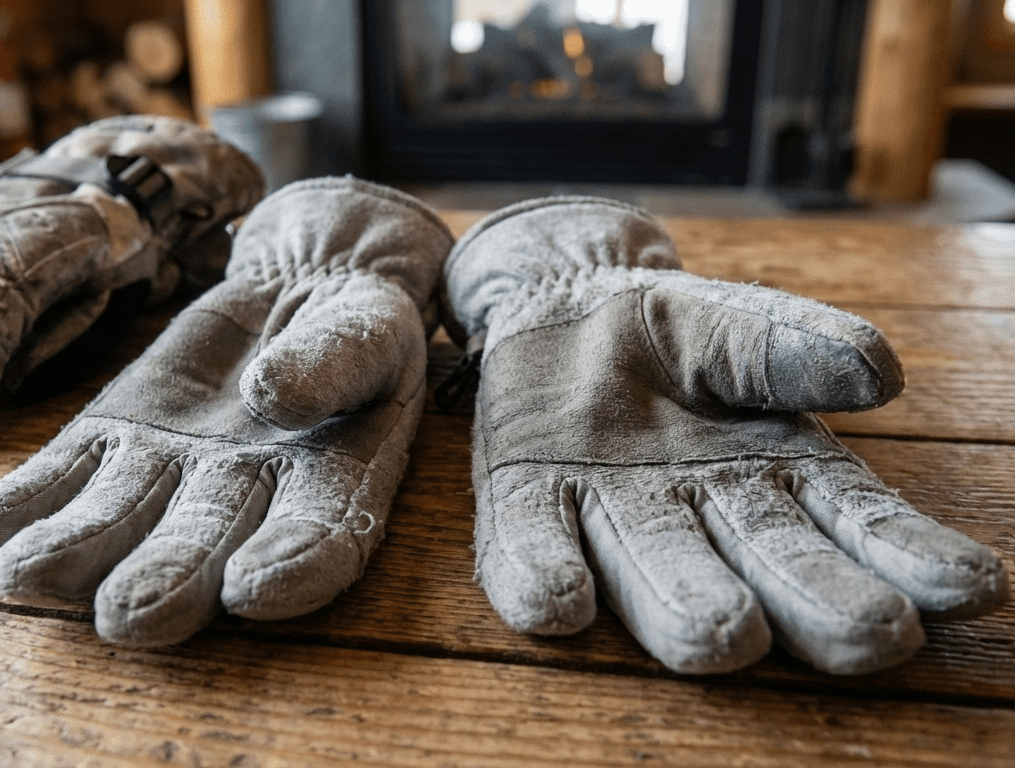
Stretching From Moisture and Heat
Repeated exposure to sweat, snow, and drying near heaters slowly stretches glove materials.
Warmth makes fabrics relax, especially around fingers and palms.
Over time, the glove loses its original snug fit.
Loose gloves caused by stretching often lead to poor pole control and cold hands.
Wrong Size Bought Initially
Many beginners buy gloves slightly larger “for warmth.”
But extra space quickly turns into movement and slipping.
That’s when blisters, fatigue, and grip issues begin.
Learning how to fix loose ski gloves often starts with realizing the size was never ideal.
Wearing Thin Liners Incorrectly
Thin liners are helpful, but only when used correctly.
If liners are too slick or too small, they slide inside the glove.
This makes the outer glove feel loose even if the size is right.
This problem is common with new skiers layering without testing fit first.
Cheap Wrist Closures Losing Tension
Low-quality Velcro and elastic wear out fast.
Once wrist closures lose grip, cold air enters and gloves shift around.
The glove may fit fine in the fingers but feel loose overall.
This is often mistaken for a sizing issue when it’s really a closure failure.
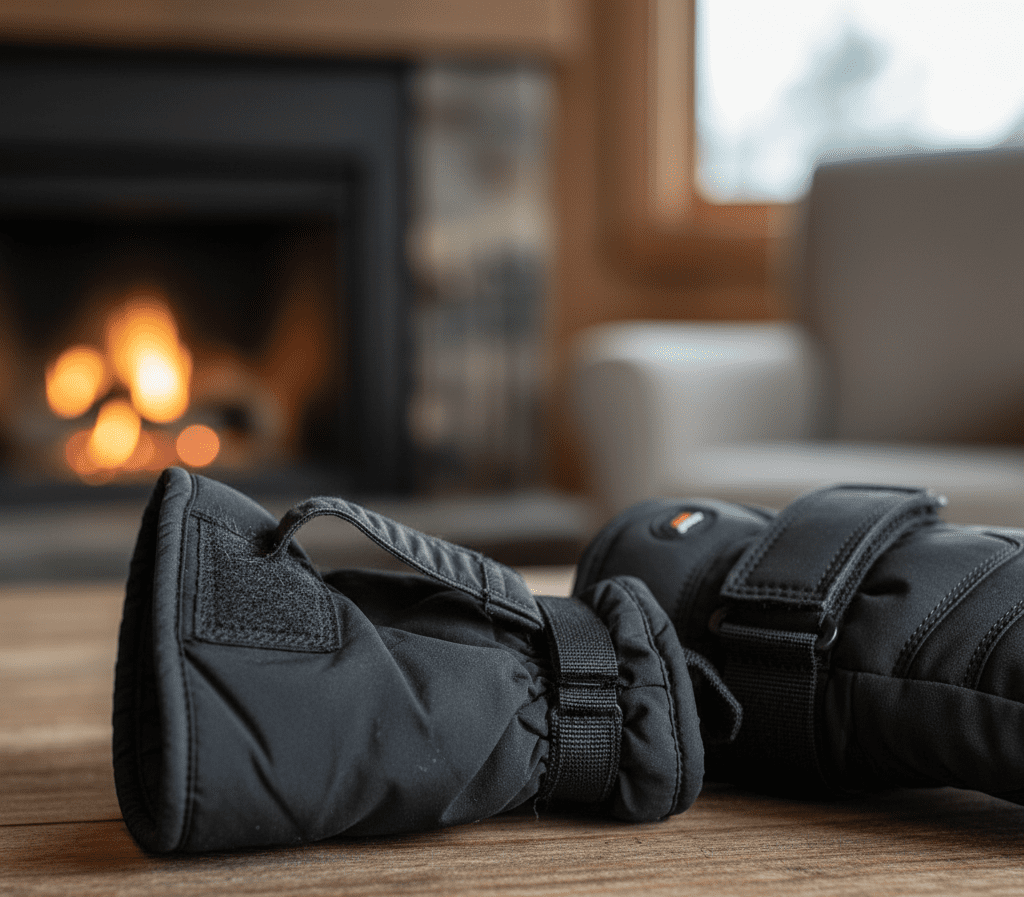
Common Reasons Ski Gloves Become Loose (Quick List)
- Inner liner compresses with use
- Materials stretch from heat and moisture
- Gloves bought slightly too big
- Liners sliding instead of gripping
- Weak or worn-out wrist straps
Once you understand these causes, how to fix loose ski gloves becomes much easier.
In the next section, you’ll learn practical fixes you can try at home before replacing your gloves.
How to Check If Your Ski Gloves Are Too Loose
Loose gloves are easy to miss until they cause cold hands or blisters.
This quick check helps beginners spot problems early.
It also saves you from guessing how to fix the fit later.
Simple Fit Test You Can Do at Home
These tests take less than two minutes.
You don’t need skis, just your gloves and a pole or stick.
They clearly show if glove fit issues are causing problems.
Finger Reach Test
Put your gloves on fully.
Your fingertips should lightly touch the ends without curling.
Too much empty space means poor hand control.
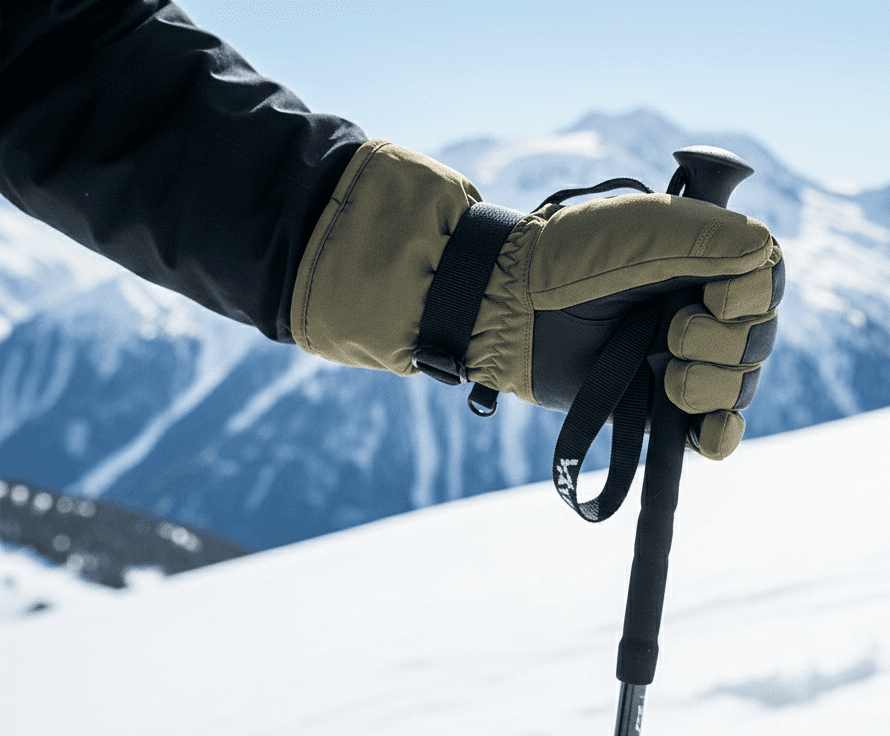
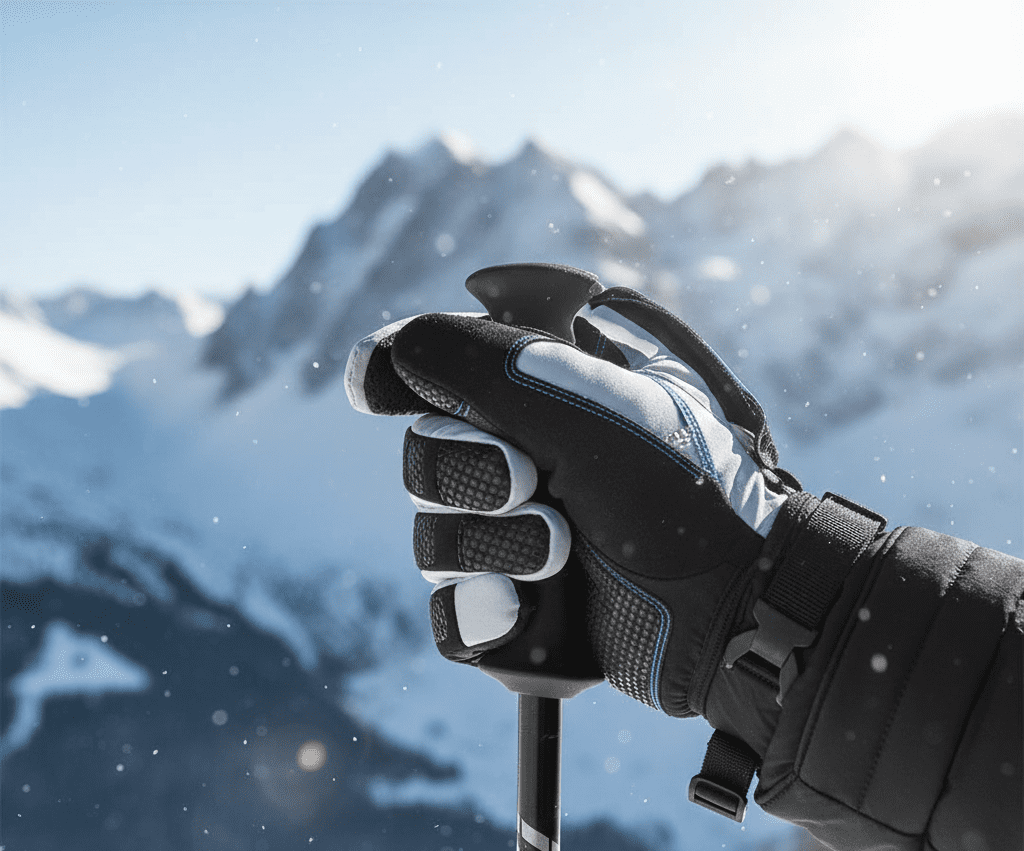
Grip Test With a Ski Pole
Hold a ski pole like you would on the slope.
If the glove twists or bunches when you squeeze, that’s a warning sign.
Good grip means the glove moves with your hand, not against it.
Wrist Shake Test
Relax your hand and gently shake it.
If the glove slides back and forth, the wrist closure isn’t secure.
This often leads to cold air entering while skiing.
How to Fix Loose Ski Gloves: Clear Warning Signs to Watch For
If you notice these signs, your gloves are not fitting correctly.
They also explain why learning how to fix loose ski gloves matters.
Ignoring them usually makes the problem worse.
- Fingers sliding inside the glove while moving
- Cold fingertips even in mild ski conditions
- Blisters or rubbing spots on thumbs or palms
Loose ski gloves reduce grip, warmth, and comfort.
They also increase hand fatigue on long ski days.
Once you confirm the fit issue, you can move on to simple fixes instead of guessing.
7 Easy & Effective Ways to Fix Loose Ski Gloves
Loose gloves don’t always mean you need a new pair.
Most fit problems come from small mistakes or worn parts.
These fixes are beginner-friendly and work on most ski gloves.
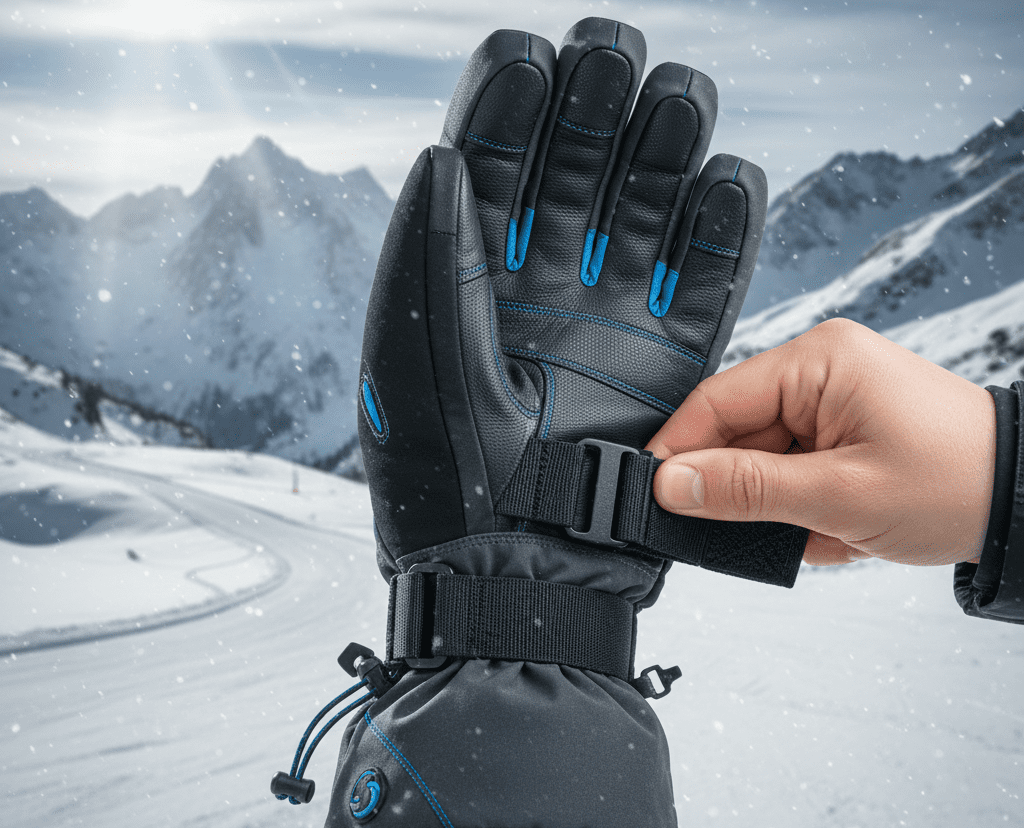
1. Use Adjustable Wrist Straps Correctly (Fix Loose Ski Gloves First)
Most people tighten wrist straps the wrong way.
They pull hard once and forget about finger position.
That leaves space inside and weak grip.
Correct order that actually works:
- Put gloves on fully and straighten fingers
- Tighten inner wrist strap first
- Then secure the outer cuff strap
From my own skiing, this alone fixed loose ski gloves on cold days.
It improves grip control and reduces cold air gaps fast.
Callout — Common mistake
Tightening cuffs before wrist straps makes gloves slide forward.
2. Add a Thin Glove Liner to Improve Fit
Thin liners help fill extra space inside gloves.
They also reduce finger movement and hand fatigue.
This is one of the easiest ways to fix loose ski gloves.
Best liner materials:
- Merino wool for warmth and comfort
- Synthetic liners for quick drying
Avoid cotton liners.
Cotton traps moisture and makes gloves feel loose again.
Many glove brands, including those using Gore-Tex shells, are designed to work best with liners.
3. Shrink the Liner Slightly (Safe Method)
Some removable liners stretch over time.
You can gently tighten them with controlled drying.
This is a real-world fix many skiers use.
Safe method only:
- Remove liners from gloves
- Air-dry in a warm room
- No heaters, no radiators, no dryers
I’ve used this on older gloves with success.
It helped fix loose ski gloves without damaging insulation.
Do not use direct heat
High heat ruins liner shape and reduces warmth.
4. Use Foam or Grip Pads Inside Gloves
This is a temporary but effective solution.
It works well for rental gloves or older pairs.
It also helps reduce finger sliding.
How to do it safely:
- Place thin foam near palm or finger base
- Test grip before skiing
- Remove if pressure feels uneven
This method helps fix loose ski gloves when resizing isn’t possible.
5. Tighten the Cuff Over Your Jacket Sleeve
Loose cuffs cause gloves to slide forward.
That creates empty space at the fingers.
Cold air also enters more easily.
Simple adjustment:
- Pull glove cuff over jacket sleeve
- Tighten evenly, not too hard
- Check wrist movement after
This small change improves glove stability and warmth.
6. Replace Worn-Out Closures or Velcro
Velcro loses grip after seasons of use.
Wrist straps stop holding tension properly.
This is often ignored by beginners.
Easy fix options:
- Replace Velcro strips
- Sew new strap material
- Use aftermarket wrist straps
This cheap fix can fully solve loose ski glove problems.
7. When Resizing Isn’t Possible (Last Resort)
Sometimes gloves are beyond fixing.
The shell may be stretched or insulation collapsed.
At this point, comfort and safety matter more.
Time to replace if:
- Fingers slide even after all fixes
- Wrist straps won’t stay tight
- Grip feels weak on poles
Replacing saves time, frustration, and cold hands.
Expert note
Cold-weather hand safety research shows poor glove fit increases fatigue and grip loss.
A secure fit matters as much as insulation.
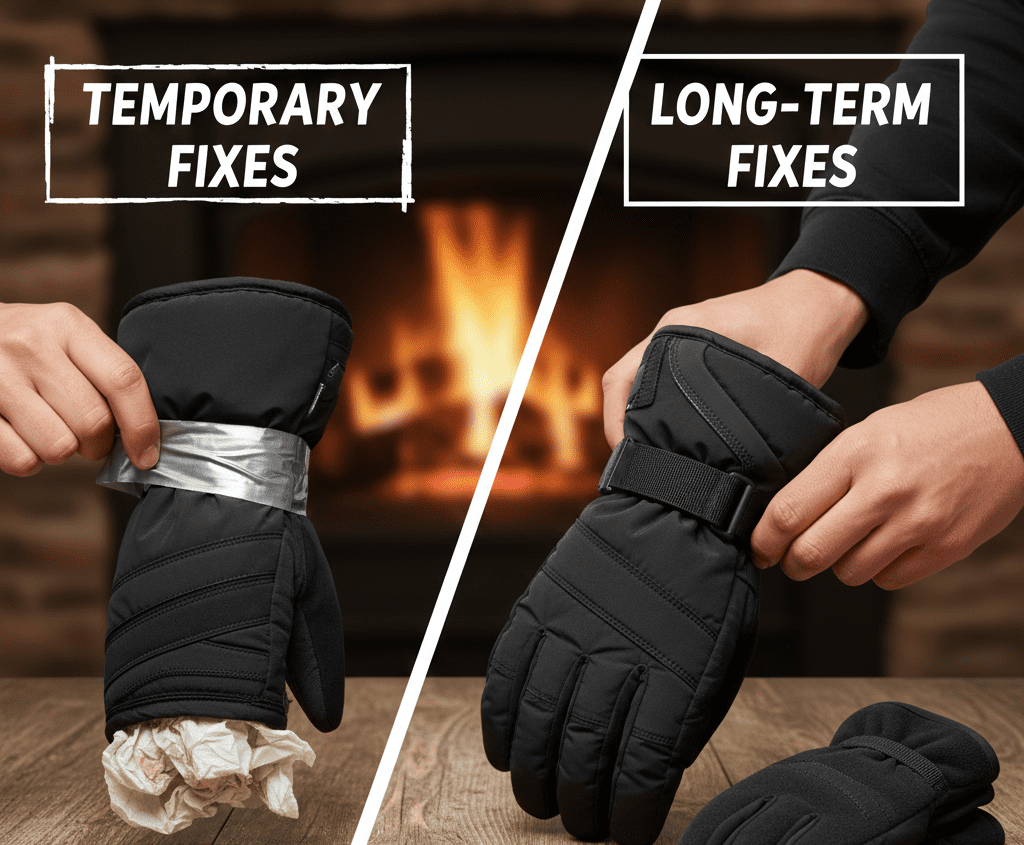
Temporary Fixes vs Long-Term Fixes
Not every solution works the same way.
Some options help right now, while others solve the problem for good.
Knowing the difference helps you fix loose ski gloves without wasting money.
Loose gloves often feel “okay” at first.
But after a few runs, cold air sneaks in and grip control drops.
That’s why choosing the right fix matters.
Comparison: Short-Term vs Long-Term Solutions
| Fix Type | Works Short-Term | Works Long-Term | Cost |
| Liners | Yes | Limited | Low |
| Wrist tightening | Yes | No | Free |
| Closure replacement | No | Yes | Low |
| New gloves | No | Yes | High |
Temporary fixes help reduce finger movement and improve warmth fast.
They are useful for trips, rentals, or older gloves.
But they do not fully fix loose ski gloves over time.
Long-term fixes focus on structure and fit.
Replacing worn closures or choosing the correct size restores control.
This is the most reliable way to fix loose ski gloves permanently.
From my experience, skiers who rely only on quick fixes often feel cold again by midday.
Those who address glove sizing and worn parts enjoy better grip and comfort all day.
That’s the key difference between managing the problem and actually solving loose ski gloves.
If gloves keep slipping, bunching at the fingers, or letting cold air in, it’s a sign.
Temporary solutions buy time, but long-term fixes protect your hands and performance.
When You Should Replace Loose Ski Gloves
Sometimes the honest answer is this: fixing won’t work anymore.
And saying that actually builds trust, not fear.
Loose gloves can be annoying at first.
But when they cross certain limits, they become unsafe.
At that point, replacing them is smarter than forcing another fix.
Clear Signs Loose Ski Gloves Are Beyond Fixing
Liner fully compressed
Over time, the inner liner gets flat and thin.
When this happens, loose ski gloves lose shape and finger control.
No strap or liner can bring that padding back.
No insulation left
If your hands feel cold even on mild ski days, that’s a red flag.
It usually means the insulation is broken down.
This is common in old gloves with heavy use.
Lost waterproofing (even with GORE-TEX)
Waterproof membranes like GORE-TEX are durable, but not forever.
Once moisture seeps in, gloves stretch and feel sloppy.
Outdoor gear testing labs and GORE-TEX care guidelines confirm that worn membranes can no longer block cold wind and moisture effectively.
Unsafe grip on ski poles
If your hand slides inside the glove while turning or stopping, that’s dangerous.
Loose ski gloves reduce pole control and reaction time.
Ski safety studies often point to hand fatigue and grip loss as preventable risk factors.
Why Replacing Is Sometimes the Best Fix
I’ve tried to “save” gloves that were clearly done.
Extra liners, tighter straps, even padding hacks.
They felt okay for one run, then failed again.
Once insulation and structure are gone, fixes only delay the problem.
Replacing gloves restores warmth, control, and confidence.
That’s especially important for long ski days or colder conditions.
What to Look for in the Replacement
- Proper hand size with light finger contact
- Firm wrist closure that doesn’t loosen
- Durable insulation with proven materials
- Waterproof lining (many trusted brands use GORE-TEX or similar membranes)
Gear manufacturers and winter safety organizations consistently recommend replacing gloves once insulation and waterproofing fail.
Not because brands want sales—but because hand protection directly affects safety.
If you’ve reached this stage, don’t fight it.
Replacing loose ski gloves isn’t giving up.
It’s choosing warm hands, better grip, and a safer day on the mountain.
How to Prevent Ski Gloves From Becoming Loose Again
Fixing the problem is good.
Not repeating it is even better.
Loose gloves usually come back because of small habits, not bad luck.
These simple steps help your ski gloves keep their shape and fit for years.
Buy Snug, Not Tight
New gloves should feel snug around fingers and palm.
But they should not squeeze or cut circulation.
A snug fit allows the liner to settle without stretching.
If gloves feel loose on day one, they’ll only get worse.
Avoid Overheating Your Hands
Overheating causes sweat.
Heat plus moisture weakens liners and stretches fabric.
This is one of the fastest ways ski gloves become loose.
Take short breaks and loosen straps between runs if needed.
Dry Gloves the Right Way
Always dry gloves fully after skiing.
Use room air or gentle warm airflow only.
Never place them on heaters or radiators.
Direct heat damages insulation and causes loose ski gloves over time.
Store Gloves Flat
When gloves are dry, store them flat in a gear bag or drawer.
This helps the insulation keep its natural shape.
Crumpling or stuffing gloves leads to uneven wear.
Don’t Hang Gloves When Wet
Hanging wet gloves pulls the liner downward.
Gravity slowly stretches the inside material.
This is a common reason gloves lose fit after one season.
Lay them flat instead and let them dry naturally.
Quick Prevention Checklist
- Choose the correct size from the start
- Keep hands from overheating
- Dry gloves gently after every trip
- Store flat, never twisted
- Treat gloves like safety gear, not just clothing
From my experience, most loose ski gloves are preventable.
A little care goes a long way.
Do this right, and you won’t need to fix the same problem again next season.
Frequently Asked Questions
Can loose ski gloves cause blisters?
Yes, loose ski gloves can cause blisters.
When gloves move around, they create friction on your skin.
Over time, this rubbing leads to hot spots and painful blisters.
Are loose gloves colder than tight ones?
Loose gloves are often colder.
Air gaps reduce insulation and let cold air reach your fingers.
A proper fit traps warm air and improves heat retention.
Can I shrink ski gloves safely?
You can slightly shrink the liner, not the outer shell.
Use gentle warm air drying and never direct heat.
Aggressive heat can damage insulation and waterproof layers.
Should ski gloves fit tight or loose?
Ski gloves should fit snug, not tight or loose.
Your fingers should touch the ends without pressure.
This balance prevents cold hands and loss of control.
Do glove liners make gloves tighter?
Yes, thin liners can make loose ski gloves feel tighter.
They improve grip, reduce movement, and add warmth.
Merino or synthetic liners work best for this purpose.
Final Thoughts
Loose ski gloves are frustrating—but they’re usually fixable.
You don’t need to panic or buy new gloves right away.
Start with the simple adjustments first, then reassess.
From my own skiing days, I’ve learned this the hard way.
I once ignored loose gloves on a long resort day, thinking I’d “deal with it.”
By the afternoon, my hands were cold, tired, and my pole grip felt unsafe.
Fit matters more than people think.
Not just for comfort, but for control, warmth, and safety on the mountain.
When gloves fit right, skiing feels easier and more confident.
So try the easy fixes.
Know when it’s time to stop fixing and replace.
And don’t settle for discomfort—you deserve better days on snow.
Want more no-nonsense ski gear advice that actually helps?
Visit my website for practical guides, honest gear tips, and real skier experience that keeps you warmer, safer, and skiing longer.
About the Author
Written by Awais Rafaqat, a passionate skier with years of hands-on experience in cold mountain conditions. I have tested countless glove setups and learned the hard way what causes hand pain on long ski days. Combining practical experience with safety research, Awais shares tips to keep your hands warm, nimble, and protected on every adventure.
Pingback: Loose Ski Gloves: How to Fix Them – Ski Gloves USA