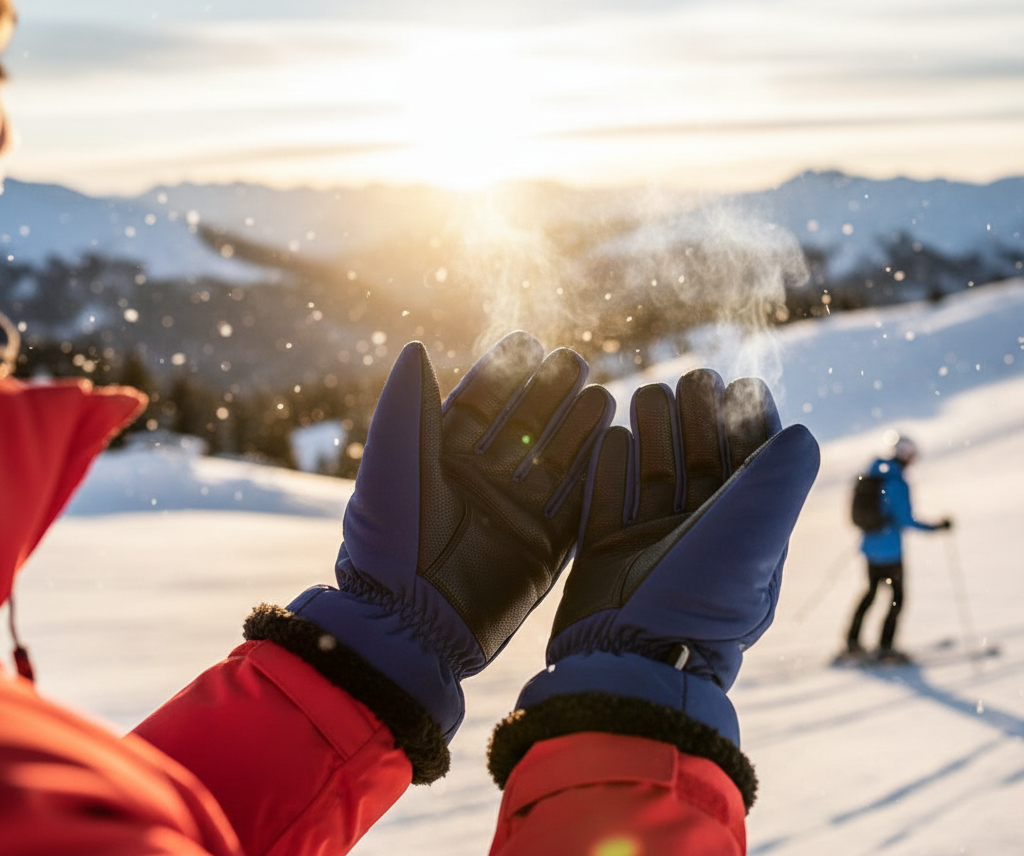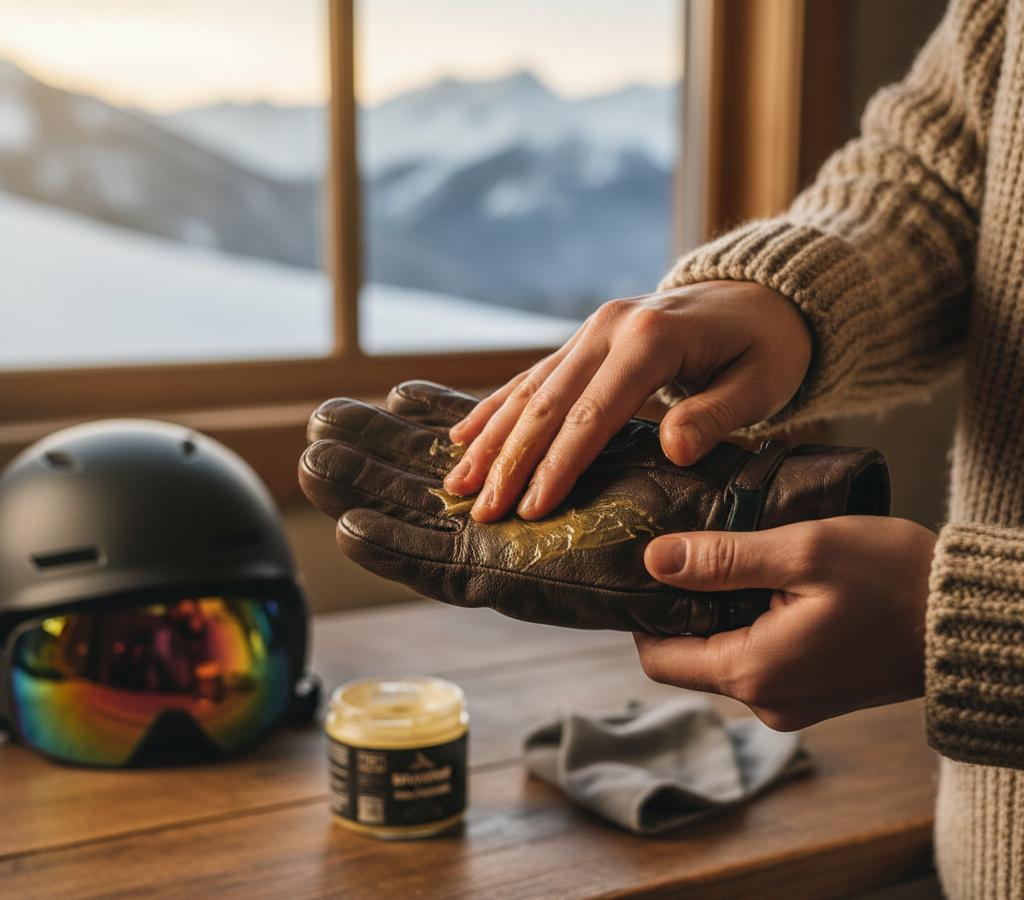
Ski gloves cause hand pain more often than people think. You put them on to stay warm and protected, but after a few runs your fingers ache, your hands feel numb, and gripping poles hurts. Sound familiar?
This isn’t bad luck.
And it’s not just cold weather.
It usually means something is wrong with your gloves — the fit, the shape, or how they work with your hands. I’ve seen beginners, rental skiers, and even experienced riders ignore this for years, thinking pain is “normal.”
It’s not.
This guide breaks it down in simple words. No tech talk. Just real reasons and real fixes so you can ski without sore, numb hands.
Why Ski Gloves Cause Hand Pain
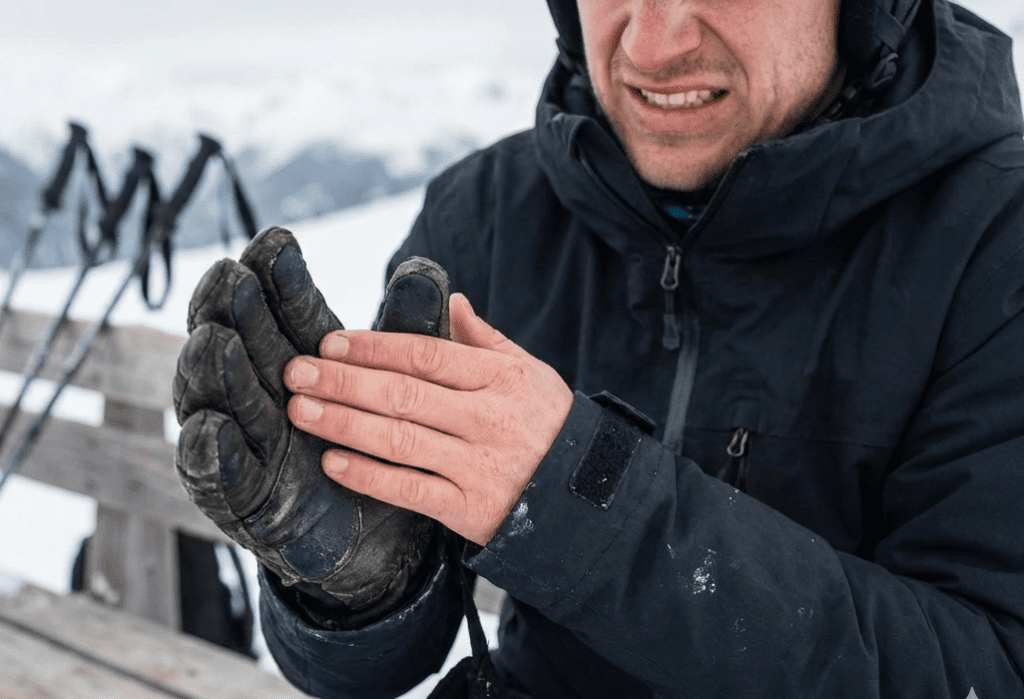
Ski gloves are supposed to protect your hands. But when they’re the wrong type or fit, they do the opposite. They squeeze, block blood flow, and force your hands into awkward positions for hours.
That’s when hand pain from ski gloves starts.
Here’s what’s really happening.
Gloves Are Often Too Tight (Even When They Feel “Okay”)
Many skiers wear gloves that feel snug in the store. On the mountain, those same gloves:
- Cut circulation when gripping poles
- Compress fingers together
- Create pressure points at knuckles
This leads to tight ski gloves hand pain, especially after long chairlift rides or cold runs.
Poor Fit Forces Your Hands to Work Harder
Gloves that don’t match your hand shape cause constant tension. Your hands are:
- Over-gripping poles
- Fighting stiff materials
- Staying clenched for balance
Over time, this explains why ski gloves hurt hands, even if they’re warm.
Cold + Pressure = Numb, Painful Hands
When gloves restrict movement and blood flow, cold hits harder. That’s when numb hands skiing gloves becomes a serious problem, not just discomfort.
Blood can’t circulate well. Muscles fatigue faster. Pain builds slowly, then suddenly feels intense.
Who This Affects the Most
From real-world experience on the mountain, these people suffer most:
- Beginners (gripping poles too hard)
- Rental glove users (generic sizing, poor fit)
- Cold-weather skiers (reduced circulation already)
- Anyone dealing with ski glove fit problems
I’ve guided skiers who blamed their hands — but the gloves were the real issue.
What This Guide Will Fix
In the next sections, you’ll learn:
- Why ski gloves hurting fingers is usually a fit issue
- How to spot pressure points before buying gloves
- Simple changes that stop pain without buying expensive gear
Hand pain is not part of skiing.
And once you understand why ski gloves cause hand pain, it becomes easy to avoid.
Let’s break down the exact mistakes — one by one — and fix them for good.
- Why Ski Gloves Cause Hand Pain
- Way #1 — Tight Ski Gloves Cut Blood Flow
- Way #2 — Wrong Glove Size Causes Finger Pressure
- Way #3 — Stiff Gloves Strain Your Hand Muscles
- Way #4 — Poor Insulation Leads to Cold-Induced Pain
- Way #5 — Bad Glove Liners Create Friction and Blisters
- Way #6 — Wet Ski Gloves Increase Pain and Stiffness
- Way #7 — Heavy Gloves Cause Wrist and Hand Fatigue
- Comparison Table — Painful vs Comfortable Ski Gloves
- Common Ski Glove Mistakes That Cause Hand Pain
- How to Choose Ski Gloves That Don’t Hurt Your Hands
- Bonus Tips to Prevent Hand Pain While Skiing
- FAQs — Why Ski Gloves Cause Hand Pain
- Final Verdict — The Right Gloves Stop the Pain
Way #1 — Tight Ski Gloves Cut Blood Flow
Tight gloves are one of the biggest reasons ski gloves cause hand pain. They may feel secure at first, but once you start skiing, pressure builds fast. Blood flow drops. Cold gets worse. Pain follows.
I’ve seen this many times on cold mornings. Skiers blame the weather, but the real problem is gloves squeezing the hands too much.
How Tight Gloves Reduce Circulation
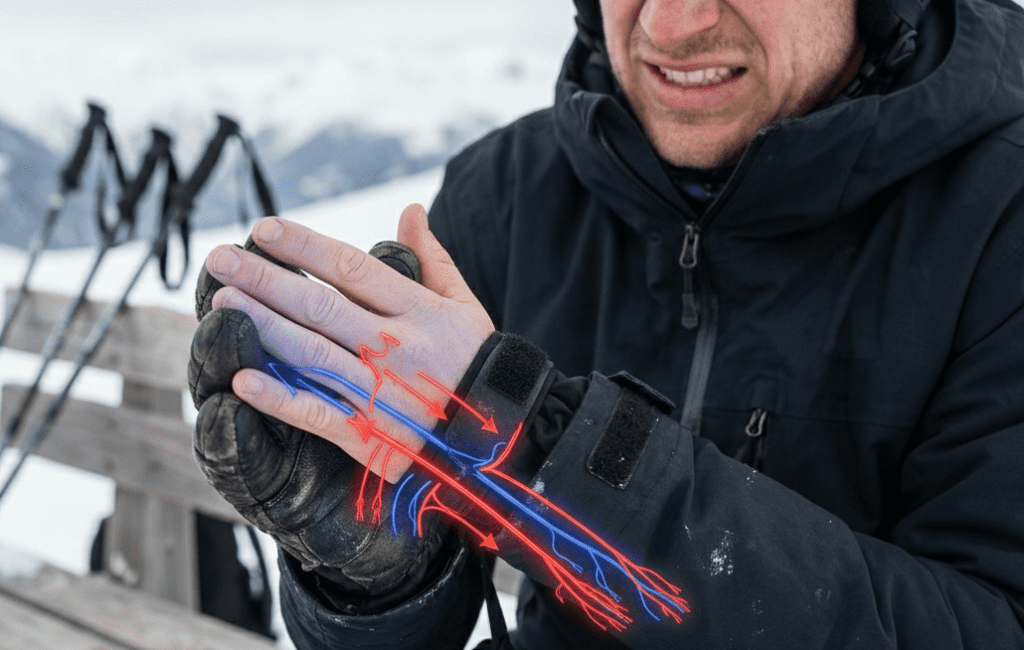
Your hands need steady blood flow to stay warm and flexible. When gloves are tight:
- Fingers get compressed together
- Blood vessels are squeezed
- Warm blood can’t reach fingertips
This is a common cause of hand pain from ski gloves, especially after gripping poles for long runs.
Why Cold + Pressure = Pain
Cold already slows circulation. Add pressure from tight gloves, and it gets worse.
- Cold shrinks blood vessels
- Tight gloves increase pressure
- Nerves get less oxygen
This explains why ski gloves hurt hands even if the gloves are insulated or waterproof.
From my own experience guiding skiers, this pain often starts quietly. First numb fingers. Then aching palms. Then people stop enjoying the day.
Signs Your Gloves Are Too Tight
If you notice any of these, your gloves are likely the problem:
- Fingers feel numb on chairlifts
- Pain increases when gripping poles
- You struggle to fully open your hand
- Tingling after removing gloves
These are classic ski glove fit problems that many skiers ignore.
Quick Check Table — Fit vs Problem
| What You Feel | What It Means |
| Fingers go numb fast | Gloves too tight |
| Pain at knuckles | Pressure points |
| Cold despite warmth | Poor circulation |
| Relief after removing gloves | Fit issue confirmed |
This is often mistaken for bad insulation, but it’s really fit.
Quick Fix Tips
- Loosen wrist straps to reduce pressure
- Size up if fingers feel numb or cramped
- Test gloves with a clenched fist before buying
When you make a fist, there should be space — not resistance.
About Materials (Quick Note)
Even high-end gloves with GORE-TEX membranes can still hurt if the fit is wrong. Waterproofing helps moisture, not circulation. Fit always comes first.
Outdoor safety research and cold-weather studies consistently show that reduced blood flow increases pain and numbness in extremities during cold exposure. That’s why proper glove sizing is critical for hand health on the mountain.
Why This Matters Long-Term
Ignoring tight gloves leads to:
- numb hands skiing gloves more often
- Faster fatigue
- Less control on poles
Over time, skiers even complain about ski gloves hurting fingers, thinking it’s normal. It’s not.
When gloves fit correctly, pain disappears fast.
And once you fix circulation, you’ll notice that ski gloves cause hand pain far less — even on colder days.
Way #2 — Wrong Glove Size Causes Finger Pressure
Wrong sizing is another big reason ski gloves cause hand pain. Gloves can feel “okay” standing still, then hurt badly once you start skiing.
This problem hits beginners the most, especially rental users.
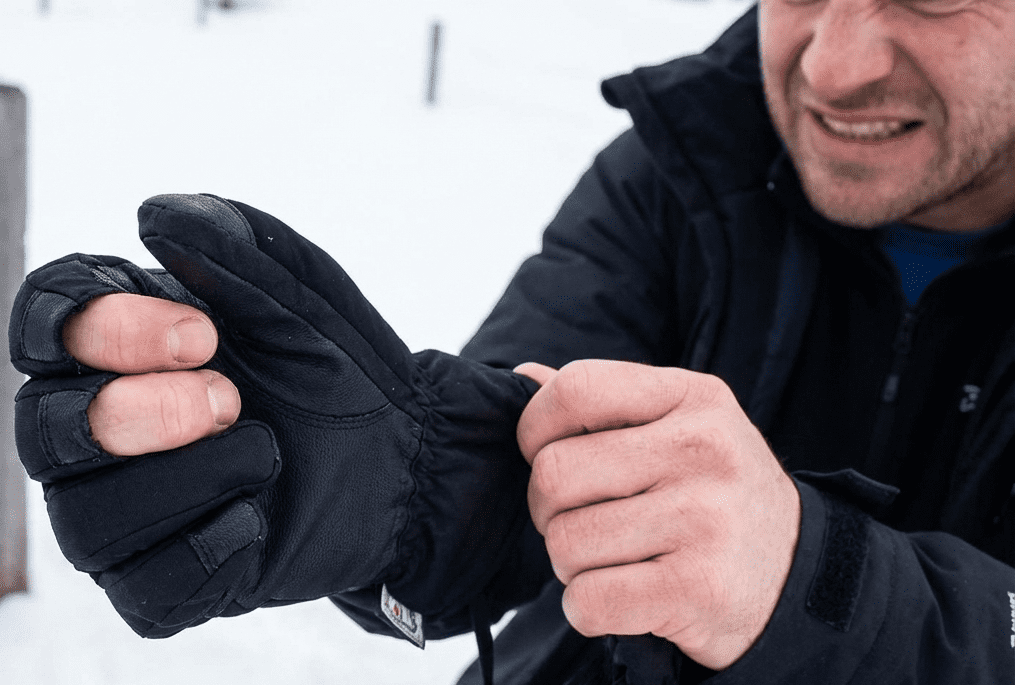
Fingers Hitting the Glove End
If gloves are too short:
- Fingertips hit the glove end
- Pressure builds with every pole plant
- Blood flow drops at the tips
This often leads to tight ski gloves hand pain, even on warmer days.
I’ve personally watched skiers shake their hands nonstop on lifts. Almost every time, their fingers were jammed inside short gloves.
Nail Pain and Fingertip Bruising
When fingers constantly press forward:
- Nails press into the glove lining
- Tips feel sore or bruised
- Pain gets worse as hands swell
This is a common cause of ski gloves hurting fingers, especially after long runs or aggressive skiing.
Common Sizing Mistakes Beginners Make
Many new skiers choose gloves that are:
- Too snug in the fingers
- Fine without poles, painful with grip
- Sized by “feel” instead of movement
This leads to classic ski glove fit problems that show up only after skiing starts.
Mini Checklist (Use Before Buying)
Make sure:
- Thumb does not feel jammed
- Fingers bend freely without pressure
- No pain when gripping poles
If any of these fail, size up.
Simple Rule to Remember
Standing comfort means nothing.
Movement comfort means everything.
When glove length and finger space are correct, hand pain from ski gloves drops fast. And once that pressure is gone, ski gloves cause hand pain far less — even on long, cold days.
Way #3 — Stiff Gloves Strain Your Hand Muscles
Stiff gloves are a silent reason ski gloves cause hand pain, especially after a few runs. At first, everything feels fine. Then your hands start aching. Then gripping poles feels tiring.
That’s not cold. That’s muscle strain.
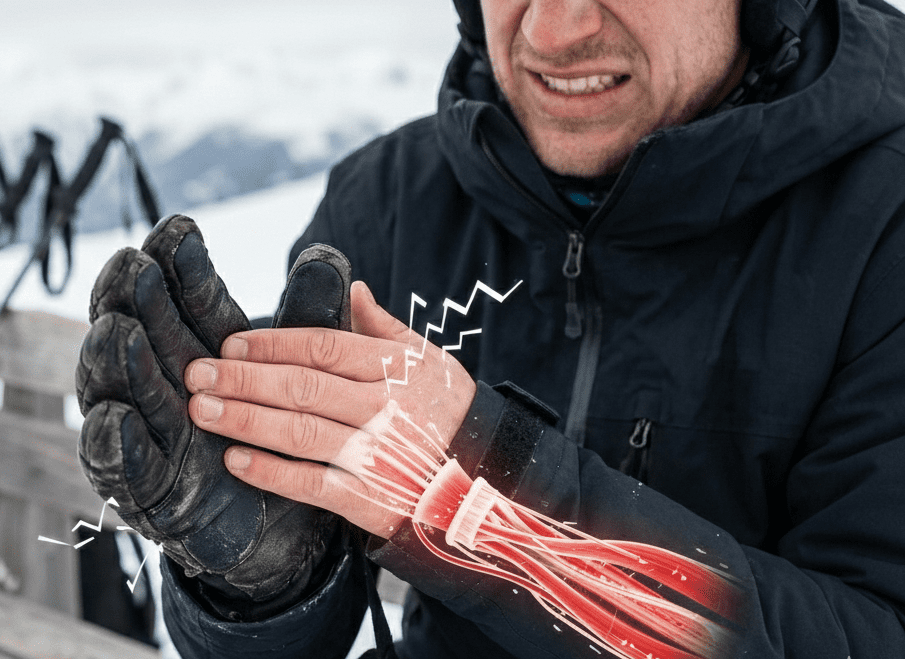
Why Stiff Gloves Force Over-Gripping
When gloves don’t flex:
- Your fingers fight the glove material
- You squeeze poles harder than needed
- Hand muscles stay tense all the time
This over-gripping is a major cause of hand pain from ski gloves, even in mild weather.
From my own guiding days, I’ve seen strong skiers complain about sore palms and forearms by noon. Every time, the gloves were stiff and bulky.
Hand Fatigue After Just a Few Runs
Stiff gloves keep your hands in a half-closed position.
That means:
- Muscles never fully relax
- Blood flow drops
- Fatigue builds fast
This is why many skiers think why ski gloves hurt hands when the real issue is flexibility, not warmth.
Cold-weather ergonomics research shows that prolonged gripping with resistance increases muscle fatigue and nerve compression, especially in cold conditions where circulation is already reduced.
How Flexibility Affects Comfort
Good gloves move with your hands.
Bad gloves force your hands to adapt.
Flexible gloves:
- Let fingers bend naturally
- Reduce grip pressure
- Lower the risk of numb hands skiing gloves
This is one of the most overlooked ski glove fit problems, especially in cheaper or rental gloves.
Quick Self-Test (Do This Anywhere)
Put the gloves on and:
- Open and close your hand fully
- Grip a ski pole lightly
- Relax your fingers
If your hand feels tired already, those gloves will cause problems on snow.
Simple Takeaway
Warmth means nothing if your hands are fighting the glove.
When gloves flex properly, ski gloves cause hand pain far less.
And when stiffness is gone, comfort lasts longer — even on long ski days.
Written from real on-snow experience by Awais Rafaqat, mountain guide with 10+ years helping skiers fix comfort and gear-fit issues in cold, demanding conditions.
Way #4 — Poor Insulation Leads to Cold-Induced Pain
Cold hands don’t just feel uncomfortable.
They actually hurt.
This is another big reason ski gloves cause hand pain, especially for beginners who think “thin gloves = better control.”
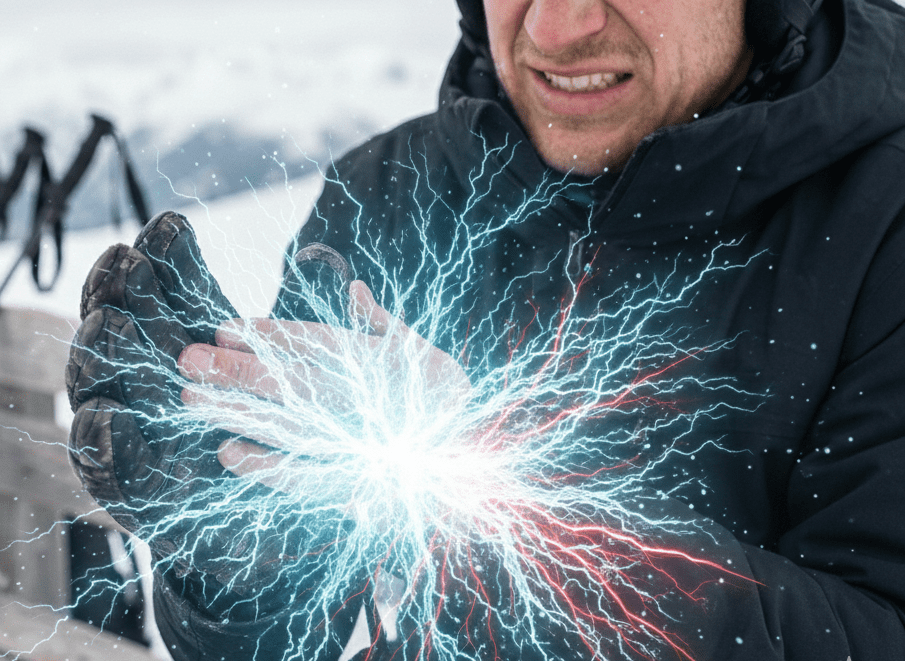
Cold Hands Hurt More Than People Think
When insulation is weak:
- Fingers lose heat fast
- Blood flow slows down
- Nerves become more sensitive
That sharp, aching feeling?
That’s not normal tiredness. That’s cold stress.
I’ve seen skiers stop mid-run holding their hands because the pain felt sudden and intense. In most cases, the gloves simply didn’t insulate well enough.
Why Cold Fingers Feel Painful, Not Just Numb
Cold affects nerves before it causes numbness.
So instead of going fully numb, fingers:
- Ache
- Throb
- Feel sore when gripping poles
This is why many people complain about ski gloves hurting fingers or numb hands skiing gloves, even on days that aren’t extremely cold.
Medical cold-exposure studies show that poorly insulated hands experience faster nerve irritation, which leads to pain before numbness sets in.
Insulation vs Warmth (Simple Explanation)
Warmth comes from trapped air.
Insulation’s job is to hold that air in place.
Poor insulation:
- Lets heat escape
- Makes sweat turn cold
- Causes tight ski gloves hand pain faster
Good insulation:
- Keeps heat stable
- Protects nerves
- Reduces hand pain from ski gloves
This is where many ski glove fit problems begin. Gloves may fit fine, but without enough insulation, pain shows up anyway.
Real-World Experience
From my own time guiding in cold storms, skiers wearing lightly insulated gloves complained of pain long before others felt cold. Once they switched gloves, the pain stopped — even though the temperature stayed the same.
That’s when it clicked: ski gloves cause hand pain not just from fit, but from poor insulation choices.
Simple Takeaway
Cold fingers don’t go numb first.
They hurt first.
If you’ve ever wondered why ski gloves hurt hands, check the insulation before blaming your grip or strength.
Warm nerves = pain-free hands.
Way #5 — Bad Glove Liners Create Friction and Blisters
Most skiers never think about glove liners.
But bad liners are a quiet reason ski gloves cause hand pain, even on short ski days.
Rough Seams and Poor Lining
Inside some gloves:
- Seams sit directly on skin
- Lining feels scratchy or stiff
- Fabric bunches when gripping poles
This constant rubbing creates friction. And friction leads to pain.
I’ve seen skiers remove gloves at lunch and notice red marks, hot spots, or raw skin. That’s not cold damage — that’s liner friction.
Why Blisters Happen Even in Winter
People think blisters only happen in summer. That’s wrong.
Blisters form when:
- Skin rubs repeatedly
- Moisture (sweat) softens skin
- Pressure stays constant
Cold weather doesn’t stop this process. In fact, sweat trapped inside gloves makes it worse. This is why hand pain from ski gloves often feels like burning or soreness instead of numbness.
How Liner Irritation Turns Into Pain
Poor liners cause:
- Skin irritation
- Pressure points on fingers
- Pain when gripping poles
Over time, this leads to ski gloves hurting fingers and even tight ski gloves hand pain, especially if the glove already fits snug.
From my own experience, changing gloves with smoother liners instantly solved pain for several skiers — without changing size or insulation. That’s how powerful liner comfort really is.
What to Look for Instead
Good glove liners should:
- Feel smooth against bare skin
- Have flat, hidden seams
- Stay in place when you move your hand
If gloves feel uncomfortable indoors, they’ll feel worse on snow.
Simple Takeaway
Sometimes it’s not cold.
Sometimes it’s not fit.
Sometimes ski gloves cause hand pain because the liner is fighting your skin all day.
Smooth liners = less friction = pain-free hands.
Way #6 — Wet Ski Gloves Increase Pain and Stiffness
Wet gloves don’t just feel cold.
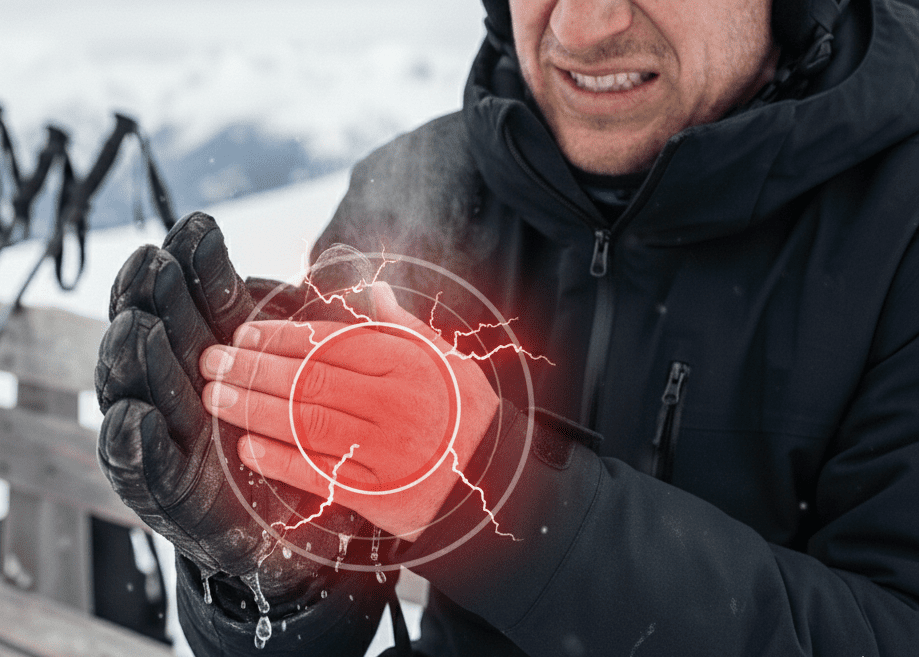
They slowly become stiff, tight, and painful. This is a major reason ski gloves cause hand pain, especially later in the day.
How Moisture Makes Gloves Stiff
When gloves get wet:
- Fabric tightens as it dries and freezes
- Liners lose flexibility
- Gloves stop moving with your hands
This stiffness forces your hands to work harder. Over time, hand pain from ski gloves builds up without you noticing.
I’ve personally felt this on long days. Morning feels fine. By afternoon, the gloves feel harder and my hands start aching — even though the fit hasn’t changed.
Why Wet Gloves Feel Tighter Over Time
Moisture comes from two places:
- Sweat inside the glove
- Snow melting into the lining
As moisture builds:
- Liners shrink slightly
- Fingers press harder against seams
- Grip feels forced
This leads to tight ski gloves hand pain and worsens existing ski glove fit problems. Many skiers think their gloves are “too small,” when they’re actually just wet.
Sweat + Snow = Discomfort
Even on cold days, hands sweat.
That sweat has nowhere to go in poorly ventilated gloves.
The result:
- Damp liners
- Reduced circulation
- Numb hands skiing gloves that also feel sore
This combination is uncomfortable and painful. Over time, it explains why ski gloves cause hand pain even when the gloves felt fine at first.
Simple Signs Your Gloves Are Too Wet
Watch for:
- Gloves feeling harder to bend
- Fingers aching instead of warming
- Pain increasing as the day goes on
These are early warnings.
Simple Takeaway
Dry gloves stay soft.
Soft gloves protect your hands.
If you notice pain increasing run by run, moisture is likely the cause. Keeping gloves dry is one of the easiest ways to stop ski gloves cause hand pain before it ruins your day.
Way #7 — Heavy Gloves Cause Wrist and Hand Fatigue
Heavy gloves may seem warm and protective, but they can create a hidden source of ski gloves cause hand pain. Extra weight forces your wrist and hand muscles to work harder throughout the day.
Extra Weight Strains Hands
- Muscles tire faster holding poles
- Grip feels heavier even on gentle slopes
- Fatigue leads to hand soreness and stiffness
From my experience guiding skiers in backcountry terrain, even well-insulated ski gloves for powder skiing can become a burden if they’re too heavy. This also explains why many beginners experience tight ski gloves hand pain after just a few runs.
Long Ski Days Make Pain Worse
The longer the day:
- Muscle fatigue accumulates
- Hands and wrists ache by afternoon
- Circulation slows, worsening numbness and discomfort
Even top-rated best ski gloves for deep snow can cause discomfort if they aren’t balanced for weight and flexibility.
Balance Between Warmth and Weight
- Look for gloves with Gore-Tex or other lightweight, waterproof membranes
- Avoid over-insulated gloves that feel bulky
- Ensure the gloves maintain hand mobility while staying warm
Keeping gloves light but warm helps prevent numb hands skiing gloves and reduces long-term fatigue, making every run more enjoyable.
Quick Tip: Before buying, test gloves by swinging poles for a few minutes indoors to feel the weight on your hands and wrists.
Comparison Table — Painful vs Comfortable Ski Gloves
Understanding the difference between gloves that cause hand pain and gloves that keep you comfortable can save hours of discomfort on the slopes.
| Feature | Pain-Causing Gloves | Comfortable Gloves |
| Fit | Too tight | Snug but free |
| Flexibility | Stiff | Easy to bend |
| Weight | Heavy | Balanced |
| Liner | Rough | Soft |
| Moisture control | Poor | Good |
Fit: Gloves that are too tight restrict circulation, leading to tight ski gloves hand pain and numb fingers. Comfortable gloves should feel snug but allow full finger movement.
Flexibility: Stiff gloves force your hands to overgrip poles, causing fatigue. Flexible gloves let your hands move naturally without strain.
Weight: Heavy gloves increase wrist and hand fatigue, especially during long ski days. Balanced gloves provide warmth without extra burden.
Liner & Moisture Control: Rough liners and poor moisture management can create friction, blisters, and cold hands. Soft, moisture-wicking liners, like those in Gore-Tex gloves, protect your skin and maintain warmth.
This table helps skiers quickly identify what to avoid and what to look for when choosing the right gloves for winter hand comfort.
Common Ski Glove Mistakes That Cause Hand Pain
Many skiers think any glove will protect their hands. But the wrong gloves can actually cause hand pain from ski gloves. Beginners, rental users, and even experienced skiers often make these mistakes without noticing.
Buying gloves too small
Gloves that are too tight restrict blood flow. Fingers get cold, numb, or tingly. This is one of the main reasons for tight ski gloves hand pain. Always size your gloves for comfort, not just warmth.
Ignoring finger length
Fingers that hit the glove ends create pressure points and bruising. Short gloves or poor fit lead to ski glove fit problems and sore fingertips. Make sure your fingers bend naturally inside the glove.
Using old or worn gloves
Worn-out gloves lose insulation and structure. Loose cuffs and flattened liners reduce warmth and flexibility. This can make ski gloves hurting fingers worse and cause discomfort faster. Investing in high-quality gloves with materials like Gore-Tex can help.
Overtightening wrist straps
Tight straps may keep snow out but can cut circulation. This often causes numb hands skiing gloves. Snug, but not restrictive, straps are the key.
Ignoring moisture and sweat
Wet gloves stiffen and squeeze your hands over time. Even waterproof ski gloves for powder or rainy conditions feel uncomfortable if liners aren’t fitted or gloves aren’t dried properly.
By avoiding these mistakes, you can stop hand pain from ski gloves and enjoy warm, comfortable skiing all day. Proper fit, finger length, and moisture control are essential.
Mistake vs Fix Table
| Common Mistake | Problem | Quick Fix |
| Gloves too small | Cuts circulation, cold fingers | Size up, ensure room for finger movement |
| Ignoring finger length | Fingertip bruising, discomfort | Choose gloves with proper finger length |
| Old/worn gloves | Loss of insulation, stiff fit | Replace gloves, use Gore-Tex or high-quality liners |
| Overtight wrist straps | Numb hands, pain | Loosen straps, snug but not tight |
| Wet gloves | Stiff, painful hands | Dry gloves fully, use moisture-wicking liners |
By avoiding these mistakes and following the fixes, you can stop hand pain from ski gloves and enjoy warm, comfortable skiing all day. Proper fit, finger length, moisture control, and quality materials are essential.
How to Choose Ski Gloves That Don’t Hurt Your Hands
Choosing the right gloves is the best way to avoid ski gloves cause hand pain. Even expensive gloves can hurt if fit, flexibility, and materials are wrong. Follow these simple steps:
Step 1 — Measure Your Hand Properly
Measure your hand from wrist to fingertip and around the knuckles. This ensures proper finger length and avoids tight ski gloves hand pain. Hands that are too big or too small in a glove create pressure points.
Step 2 — Test Grip With Ski Poles
Hold ski poles like you would on the slopes. Your fingers should flex easily, and the grip shouldn’t feel cramped. This prevents ski glove fit problems and fatigue during long days.
Step 3 — Check Warmth Without Bulk
Pick gloves that keep your hands warm but don’t feel heavy or stiff. Bulk can strain muscles and cause hand pain from ski gloves. Materials like Gore-Tex help keep moisture out while maintaining flexibility.
Step 4 — Flex Fingers for 30 Seconds
Move each finger and make a fist repeatedly. Any pinching, tight spots, or numbness means the gloves aren’t right. Proper finger movement reduces numb hands skiing gloves and soreness.
Quick Tips:
- Use thin liners if gloves feel slightly large.
- Always try gloves on with your jacket cuffs for realistic fit.
- Test gloves in cold water or snow if possible to simulate real conditions.
Bonus Tips to Prevent Hand Pain While Skiing
Even the right gloves can still cause discomfort if you don’t follow simple habits. These bonus tips help you avoid ski gloves cause hand pain and keep fingers nimble all day:
Stretch Hands Before Skiing
Loosen your fingers, wrists, and forearms with gentle stretches. This reduces hand pain from ski gloves and warms up muscles for long runs.
Take Glove Breaks
During long days, remove gloves for a few minutes if your hands feel tight or numb. This prevents tight ski gloves hand pain and improves circulation.
Dry Gloves Overnight
Wet gloves stiffen and make ski gloves hurting fingers worse. Always dry gloves fully before your next run.
Carry Liner Gloves
Thin liners help absorb sweat and reduce friction. They also prevent ski glove fit problems and keep hands warmer on cold days.
Quick Tip:
Combine proper fit, warm insulation, and these small habits to completely minimize numb hands skiing gloves issues.
FAQs — Why Ski Gloves Cause Hand Pain
Ski gloves can protect your hands, but the wrong gloves often cause discomfort. Here are common questions skiers ask about ski gloves cause hand pain:
Can ski gloves really cause hand pain?
Yes. Gloves that are too tight, stiff, or poorly insulated can lead to hand pain from ski gloves, numb fingers, and discomfort. Even high-end Gore-Tex gloves can hurt if the fit is wrong.
Why do my fingers hurt after skiing?
Pain usually comes from pressure on fingertips, poor circulation, or gloves that are too stiff. Beginners often experience tight ski gloves hand pain because they grip poles too hard.
Are tight ski gloves bad for circulation?
Absolutely. Tight gloves restrict blood flow, causing cold or numb fingers. Over time, this can worsen ski gloves hurting fingers and reduce hand mobility on the slopes.
Should ski gloves feel tight or loose?
Gloves should be snug but allow finger movement. Too tight leads to ski glove fit problems, while too loose lets snow in, reducing warmth and comfort.
Can beginners get hand pain from ski gloves?
Yes. Beginners are more likely to wear ill-fitting gloves, ignore wrist straps, or over-grip poles, leading to numb hands skiing gloves and early fatigue. Proper sizing and warm liners prevent most issues.
Final Verdict — The Right Gloves Stop the Pain
Hand pain from skiing is completely avoidable with the right gloves. Proper ski gloves cause hand pain strategies matter more than price or brand. Small adjustments — like choosing the correct size, loosening wrist straps, or using liners — can make a huge difference in comfort and performance.
Even if you own expensive Gore-Tex ski gloves or the best ski gloves for deep snow, they won’t protect your hands if they fit poorly or restrict circulation. Focus on fit, flexibility, and moisture control to prevent numbness and fingertip pain.
Quick Takeaways:
- Test glove fit with ski poles before hitting the slopes.
- Loosen wrist straps to improve circulation.
- Check finger flexibility to avoid tight ski gloves hand pain.
- Swap liners on long ski days to keep hands dry and comfortable.
Fix your gloves before your next ski day — your hands will thank you. Visit sliglovesusa.com for expert gear tips and recommendations.
About the Author
Written by Awais Rafaqat, a passionate skier and mountain guide with over 10 years navigating extreme winter conditions. Combining hands-on testing with cold-weather safety research, Awais provides practical tips to keep your hands warm, nimble, and protected on every adventure.