Your ski gloves look warm.
They feel thick.
But somehow, your fingers still turn cold halfway down the slope.
That’s because warmth doesn’t disappear by accident — it escapes.
Most skiers don’t realize how heat loss in ski gloves actually happens. It’s not just about temperature. Cold air leaks in, sweat builds up, blood flow slows down, and suddenly your hands feel frozen even on a good day.
The good news?
You don’t need new gloves right away.
In this guide, you’ll learn how to stop heat loss in ski gloves, why your hands get cold even with insulation, and the proven fixes that actually keep warmth trapped where it belongs — inside your gloves.
Simple tips.
No gear hype.
Just what works on the mountain.
Why Ski Gloves Lose Heat (The Real Reasons)
Cold hands are not bad luck.
Heat loss happens for clear reasons, and most skiers miss them.
Once you understand where warmth escapes, fixing cold hands becomes much easier.
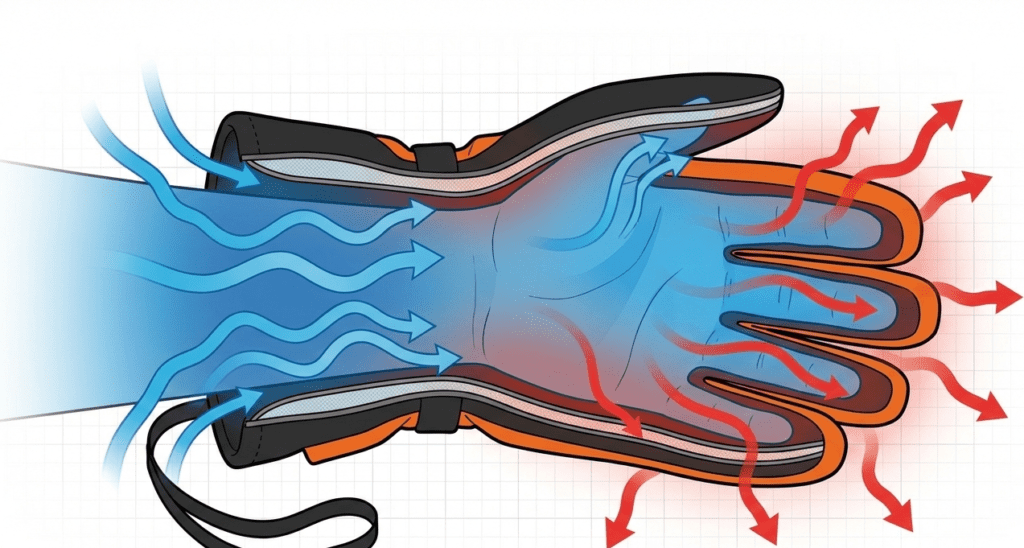
Cold Air Getting Inside the Glove
This is the most common problem on the mountain.
Cold air sneaks in through small gaps and never leaves.
It usually happens because of:
- Loose glove cuffs
- Jacket sleeves that ride up
- Gaps around the wrist when moving
Every time you plant a pole or lift your arms, cold air rushes inside.
Warm air escapes fast, and your fingers pay the price.
Poor Insulation Placement
Not all insulation works the same way.
Where it sits matters more than how thick it looks.
Many gloves lose heat because:
- Insulation gets thin at the fingertips
- Palm padding flattens when gripping poles
- Warmth shifts away from high-use areas
Once insulation is pressed flat, it traps less heat.
Your hands feel cold even though the glove looks bulky.
Sweat Making Hands Colder
This surprises many beginners.
Sweat is one of the fastest ways to lose heat.
When your hands get wet:
- Skin loses heat much faster
- Cold air cools wet skin instantly
- Hands feel colder, not warmer
This happens even on freezing days.
Moisture inside gloves pulls warmth away with every movement.
Tight Gloves Blocking Blood Flow (Ski Gloves Heat Loss)
Warmth doesn’t come only from insulation.
It comes from blood moving through your fingers.
If gloves are too tight:
- Blood flow slows down
- Fingers lose natural warmth
- Hands feel cold no matter the insulation
I’ve worn thick gloves that felt warm at first, then went numb fast.
The problem wasn’t the cold — it was circulation being cut off.
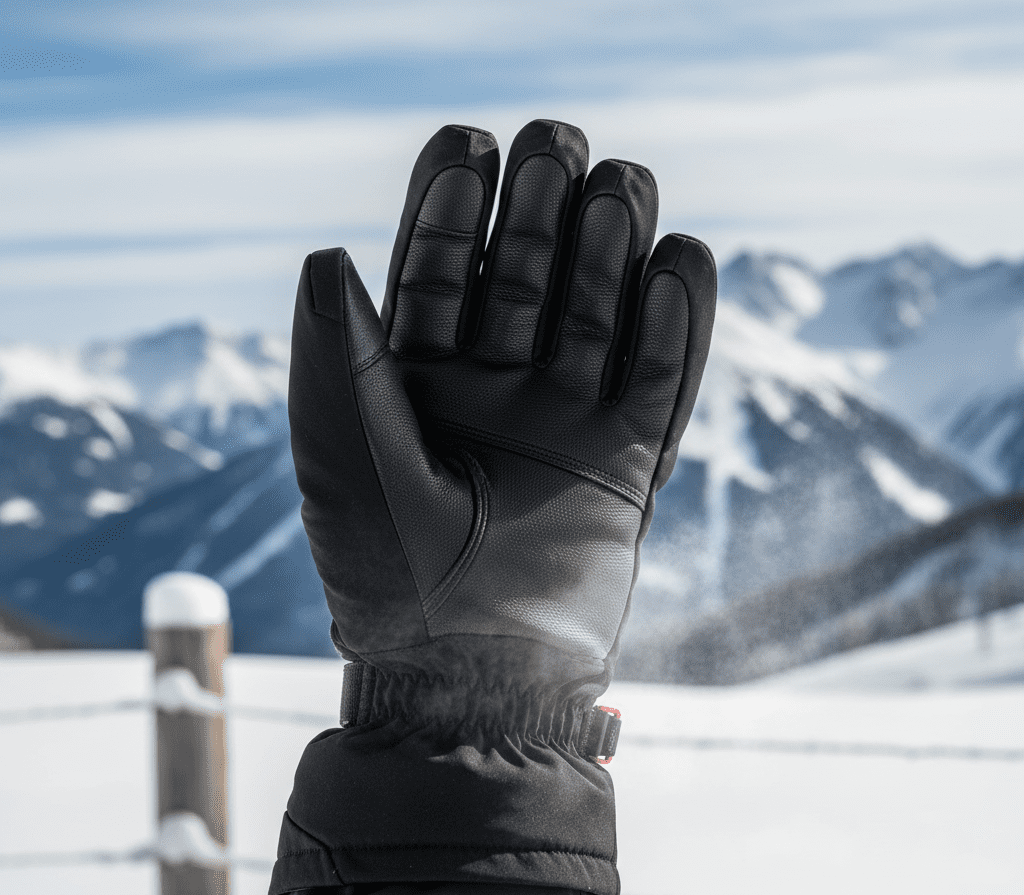
Quick Reality Check
If your gloves are blocking air, staying dry, and allowing blood flow, they can stay warm even in harsh weather.
Miss just one of these, and heat loss starts immediately.
Up next, we’ll break down proven fixes that stop heat loss in ski gloves, step by step, without buying new gear.
Proven Ways to Stop Heat Loss in Ski Gloves
Cold hands ruin good ski days fast.
The fixes below are simple, proven, and work even with gloves you already own.
I’ve used every one of these on real ski trips.
They’re not theory — they’re mountain-tested.
Seal the Wrist Area Properly
Most heat escapes at the wrist.
This is where cold air attacks first.
Do this every time:
- Pull jacket cuffs over your gloves
- Tighten wrist straps snug, not tight
- Check gaps when you move your arms
If cold air reaches your wrist, warmth can’t stay inside.
Quick Tip:
If cold air reaches your wrist, heat loss is guaranteed.
Use Thin Liners (Not Thick Ones)
This feels backward, but it’s true.
Thin liners keep hands warmer than thick ones.
Why thin liners work better:
- They trap warm air closer to skin
- They allow better blood flow
- They reduce sweaty hands
Thick liners often squeeze fingers and block circulation.
Cold fingers follow fast.
I switched to thin liners years ago, and the difference was instant.
Keep Gloves Dry Inside
Wet gloves lose heat fast.
Even a little sweat causes big heat loss.
To prevent this:
- Take liners out after skiing
- Air-dry gloves fully overnight
- Never pack damp gloves
Dry gloves = warm gloves.
It’s that simple.
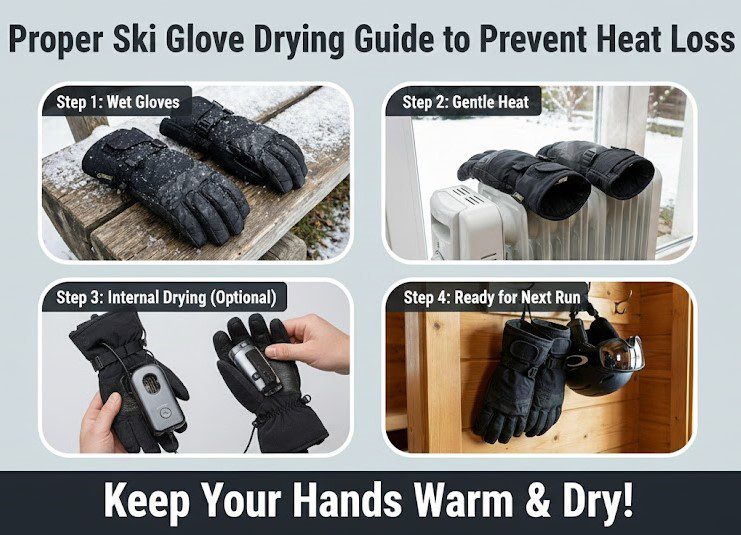
This also helps if you’re searching for how to dry ski gloves without damaging them.
Choose Pre-Curved Gloves
Flat gloves fight your hand shape.
That constant fight wastes heat.
Pre-curved gloves:
- Match your natural grip
- Reduce hand strain
- Keep warmth stable
Less effort gripping poles means less heat loss.
Your hands stay relaxed and warmer longer.
Stop Heat Escaping Through the Palm
The palm loses heat first.
It presses against cold poles all day.
Good gloves fix this by:
- Using layered insulation in the palm
- Adding grip without flattening padding
- Reducing direct cold transfer
Cheap gloves flatten here fast.
Once that happens, warmth disappears.
This matters a lot if you’re trying to prevent wet gloves while skiing.
Avoid Overtightening Wrist Straps
Tight straps feel secure, but they steal warmth.
Blood flow creates heat.
Warning signs:
- Tingling fingers
- Numbness
- Pale skin
Loosen straps until fingers feel alive again.
Warmth should come from circulation, not pressure.
I learned this the hard way on a windy chairlift.
Block Wind Chill
Wind pulls heat faster than cold air alone.
That’s why hands freeze on lifts.
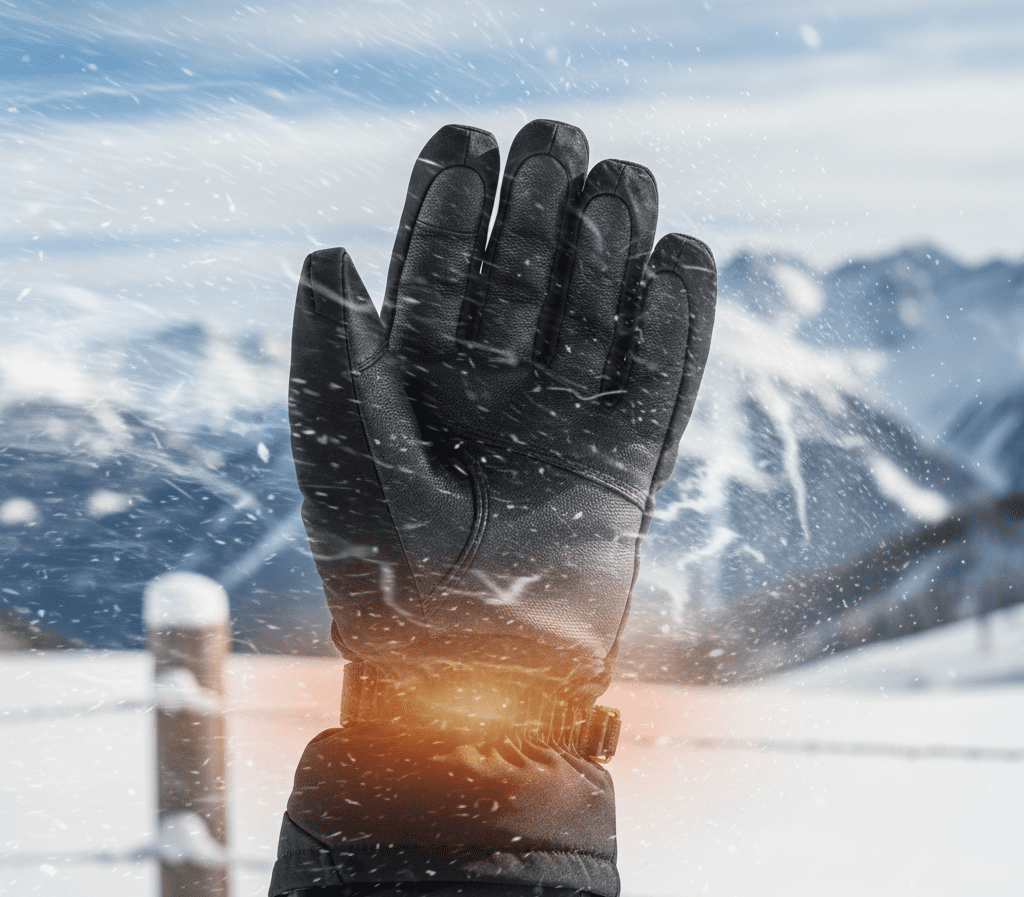
To block wind:
- Use gloves with windproof shells
- Look for membranes like GORE-TEX
- Make sure seams are sealed
Cold-weather safety studies show wind chill can double heat loss.
Blocking wind is non-negotiable.
This is especially important for best gloves for sweaty hands, since wind plus moisture is brutal.
Quick Reality Check
You don’t need new gloves to stay warm.
You need better heat control.
Seal air gaps.
Stay dry.
Protect blood flow.
Block wind.
Do these, and heat stays where it belongs — inside your ski gloves.
Next, we’ll cover common mistakes that still cause cold hands, even with “good” gloves.
Quick Heat Loss Checklist (Before Your Ski Day)
Run through this checklist before you click into your skis.
It takes one minute and saves your hands all day.
Gloves feel snug, not tight
Your fingers should feel secure but relaxed.
If there’s pressure, warmth can’t circulate.
Wrist sealed with your jacket
Jacket cuffs should fully cover the glove opening.
No skin, no gaps, no airflow.
Liners are completely dry
Even slight dampness pulls heat away fast.
Dry liners are non-negotiable for warm hands.
Fingers move freely
You should be able to make a fist easily.
Stiff or forced movement means wasted heat.
No cold air gaps
Move your arms and flex your wrists.
If you feel air sneaking in, heat will leak out too.
I still do this check every ski morning.
When I skip it, my hands remind me by lunchtime.
Warm gloves don’t come from luck.
They come from small checks done right.
Common Mistakes That Make Heat Loss Worse
Many skiers think cold hands mean bad weather.
Most of the time, it’s simple mistakes causing heat to escape.
I’ve made every one of these mistakes myself, especially when I first started skiing.
Once I fixed them, my hands stayed warm without buying new gloves.
Wearing Gloves That Are Too Small
Small gloves feel tight and secure at first.
But they are one of the biggest causes of heat loss.
Tight gloves squeeze your fingers and palm.
This slows blood flow, and blood is what brings warmth to your hands.
When circulation drops, your fingers cool fast.
Even thick insulation can’t help if blood can’t move.
A quick test:
Make a fist inside your glove.
If it feels strained or painful, the glove is too small.
Warmth always starts with comfort, not pressure.
Using Old, Packed-Down Insulation
Insulation only works when it has space.
That trapped air is what holds heat.
Over time, gloves get crushed.
Gripping poles, falls, and stuffing gloves into bags all flatten insulation.
Once insulation is packed down, it stops trapping warm air.
The glove may look fine, but it won’t keep heat inside.
I’ve kept old gloves for “one more season” and paid for it with frozen fingers.
If your gloves feel thin at the fingertips or palm, heat loss is already happening.
This is common in older gloves and budget models.
Ignoring Wet Liners
Wet liners are instant heat killers.
Moisture pulls heat away from your skin faster than cold air.
Sweat builds up even on cold days.
Once liners are damp, your hands start to chill.
Many beginners ignore this and keep skiing.
But heat loss gets worse with every run.
Always remove liners after skiing.
Let them air dry fully before the next day.
This one habit alone has saved me countless cold afternoons.
Choosing Warmth Over Breathability
More insulation does not always mean more warmth.
This mistake surprises many skiers.
Non-breathable gloves trap sweat inside.
That moisture turns into cold very quickly.
Your hands may feel warm for the first hour.
Then suddenly, they feel colder than ever.
Breathable materials let moisture escape while holding heat.
This balance is critical for stopping heat loss in ski gloves.
This is why many high-quality gloves use breathable membranes like Gore-Tex, paired with proper insulation.
Dry hands stay warm longer.
Sweaty hands lose heat fast.
Quick Reality Check
Cold hands are rarely random.
They are usually caused by fit, moisture, or airflow problems.
Fix these mistakes first.
Only then should you blame the weather.
If you avoid these errors, you’ll notice a difference on your very next ski day.
When Heat Loss Means You Need New Gloves
Sometimes, cold hands are not fixable.
No trick, liner, or adjustment will solve the problem.
Knowing when to stop fixing — and start replacing — matters for comfort and safety.
Cold Fingers After One Run
If your fingers turn cold after a single run, something is wrong.
Good gloves should hold warmth for hours, not minutes.
This usually means insulation is worn out or misplaced.
Once heat escapes that fast, it won’t come back.
I’ve tried “pushing through” days like this.
It never worked, and it ruined the whole ski session.
Numbness or Tingling
Numb or tingling fingers are a warning sign.
This is not just discomfort.
It often means blood flow is restricted or heat loss is severe.
Ignoring it can lead to poor control and unsafe skiing.
If loosening straps and drying liners don’t help, stop using the gloves.
Hands need warmth to function properly.
No Warmth Even After Fixes
You sealed the wrist.
You dried the liners.
You loosened the fit.
And your hands are still cold.
That’s the clearest sign the gloves are done.
The insulation or shell can no longer trap heat.
At this point, replacing the gloves is the smart move — not an upgrade, just a fix.
Simple Rule to Remember
If circulation and dryness don’t fix the problem → replace the gloves.
Warm hands mean better grip, better control, and safer skiing.
No glove is worth keeping if it can’t protect your hands.
FAQs – How to Stop Heat Loss in Ski Gloves
These are the most common questions beginners ask.
If your hands keep getting cold, one of these answers usually explains why.
Why do my ski gloves feel warm at first, then cold?
At the start, your hands still have body heat.
The gloves feel warm because they trap that heat for a short time.
After a few runs, heat escapes through the wrist, palm, or fingers.
If sweat builds up or air gets inside, warmth drops fast.
This is one of the most common heat loss problems I see on the mountain.
Do thicker gloves always mean warmer hands?
No. Thicker does not always mean warmer.
Very thick gloves can squeeze your hands.
That slows blood flow, and blood flow is what keeps fingers warm.
Some thinner gloves feel warmer because they fit better and breathe well.
Can liners actually make gloves colder?
Yes, they can.
Thick liners inside snug gloves reduce circulation.
They can also trap sweat, which makes hands colder over time.
Thin liners work better when gloves already fit well.
I learned this the hard way after many cold afternoons.
Why do my fingers get cold but my palms don’t?
Fingers lose heat faster than palms.
They have less blood flow and more surface area exposed to cold.
Palms stay warmer because they move more and have better circulation.
That’s why finger insulation matters more than palm padding.
If your fingers are cold first, check fit, seams, and wrist sealing.
Quick reminder for beginners
Cold hands are not just about outside temperature.
Fit, airflow, moisture, and circulation all matter.
Fix those four things, and most heat loss problems disappear.
Final Verdict – Keep Heat In, Ski Longer
Cold hands are not normal, and they are not something you should “just deal with.”
Heat loss in ski gloves comes from small leaks, poor fit, wet liners, and slow blood flow — not bad luck.
When your gloves seal well, stay dry inside, and let your fingers move freely, warmth stays where it belongs.
That means better control, safer skiing, and longer days without pain or numb hands.
If simple fixes stop the cold, keep skiing and enjoy it.
If they don’t, replacing the gloves is the smart and safe choice.
Protect your hands. Warm hands mean better grip, better balance, and more confidence on every run.
For more beginner-friendly guides, real mountain tips, and honest glove advice that actually works, explore our other ski glove posts on skiglovesusa.com and keep your hands ready for every ski day.
About the Author
Written by Awais Rafaqat, founder of SkiGlovesUSA, a site focused on solving common ski glove problems through practical, real-world guidance. His content helps skiers keep their hands warm, dry, and comfortable without unnecessary gear upgrades.