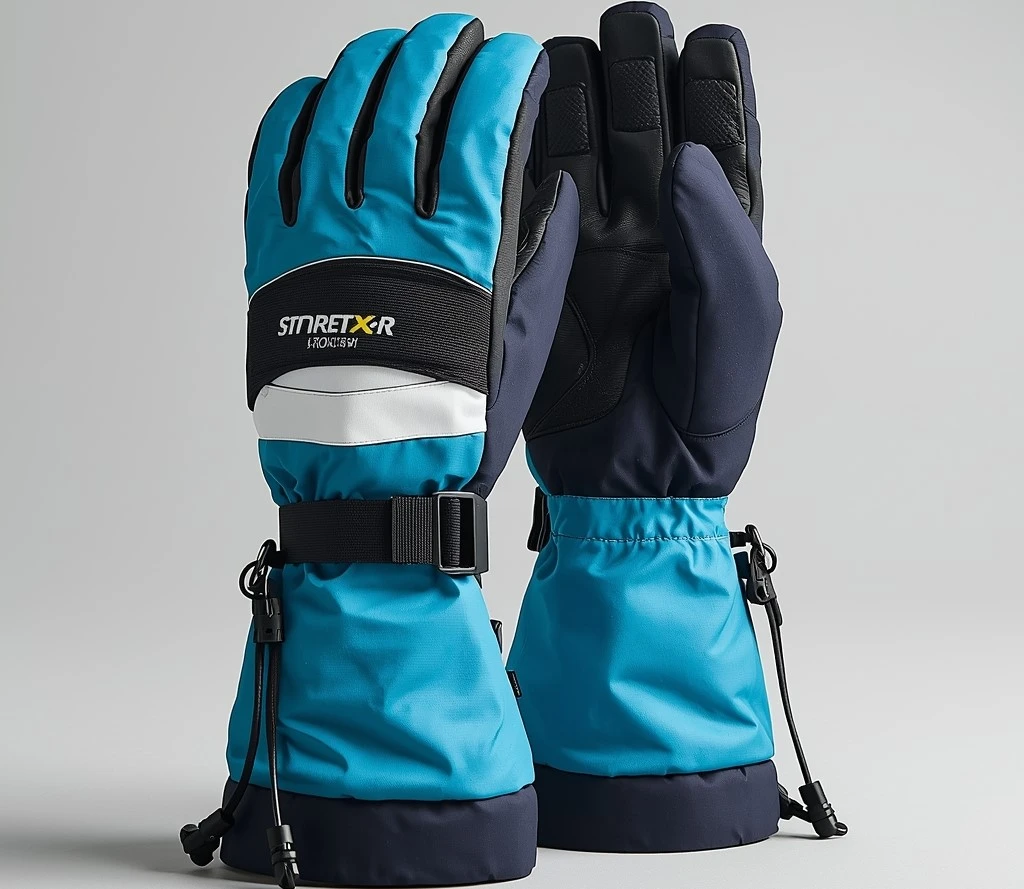
QUICK ANSWER: For most families, the Dakine Kids’ Tracker (~$50) hits the right balance — a real DK Dry waterproof insert instead of just a coating, at a price that makes sense for a kid who’s still growing. On a tight budget, the N’Ice Caps Kids Thinsulate (~$20) is genuinely good, not just cheap — it’s Amazon’s #1 best seller in the category with over 17,000 reviews. For a regular skier where money isn’t the deciding factor, the Burton Kids’ Gore-Tex (~$70) is the most complete glove on this list.
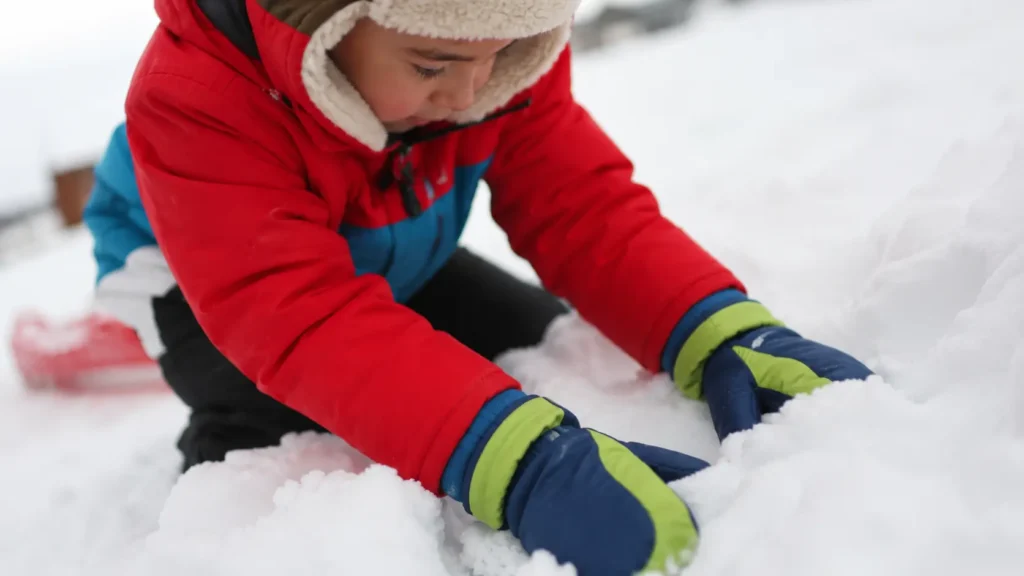
Cold, wet hands end a kid’s ski day faster than anything else — faster than tired legs, faster than a bad lunch, faster than losing interest in the bunny hill. Part of that is physiology, not just bad luck: kids lose body heat faster than adults because their surface area is proportionally larger relative to their body mass, and younger children often can’t tell you their hands are dangerously cold until it’s already a real problem. A glove rated “warm enough” for an adult at a given temperature isn’t automatically warm enough for a kid at that same temperature.
This guide covers five kids’ ski gloves from $20 to $70, what each one actually gets right, and — just as important — who should skip it and buy something else instead.
Not sure which of these actually fits your situation? The Ski Glove Finder asks seven quick questions about your conditions, hand temperature, and budget, then matches you against the full glove database instead of making you read five reviews to figure it out yourself.
- Mittens or Gloves? Settle This First
- All 5 Gloves — Side by Side
- N'Ice Caps Kids Waterproof Thinsulate Gloves — Best Budget
- Dakine Kids' Yukon Snow Gloves — Best for Kids Who Fall Often
- Dakine Kids' Tracker Snow Glove — Best for Regular Skiers
- Gordini Junior Gore-Tex Glove — Best Genuine Gore-Tex Value
- Burton Kids' Gore-Tex Gloves — Best Overall
- Common Mistakes Parents Make Buying Kids' Ski Gloves
- Decision Checklist
- Frequently Asked Questions
- Final Thoughts
Mittens or Gloves? Settle This First
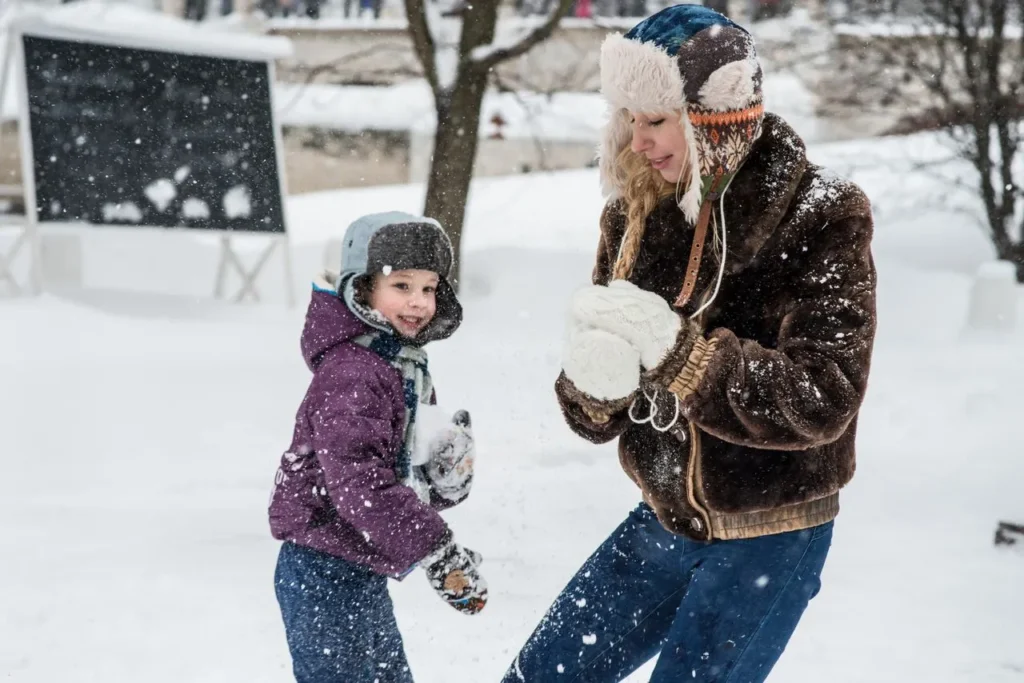
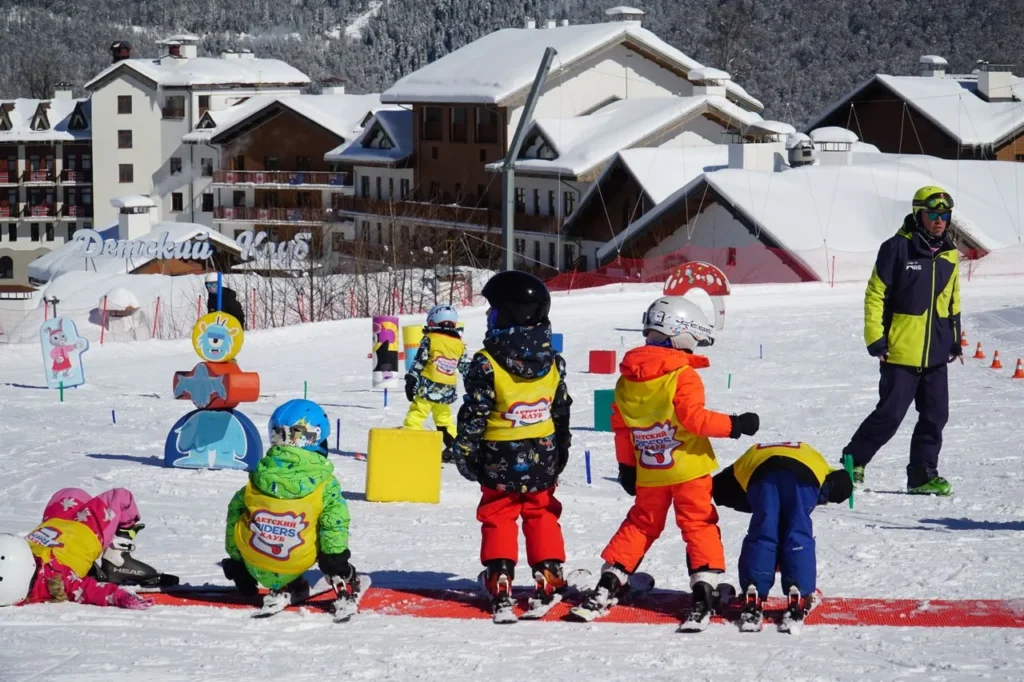
Before comparing products, this decision matters more than which brand you pick. Mittens keep fingers together in one pocket, which means they share body heat instead of losing it individually through four separate finger channels — mittens are simply warmer than gloves at the same insulation weight. Gloves give up some of that warmth in exchange for individual finger movement, which matters once a kid is old enough to grip a ski pole properly.
The rough age line most instructors and parents land on: under 7, lean toward mittens. Once a kid starts using poles and needs real grip control — usually 6 to 7 and up — gloves become the practical choice. If your child runs cold regardless of age, mittens are still the better call even past that line; warmth matters more than pole dexterity for a kid who’s miserable and wants to go inside. Every product below is a glove — the cuff design and insulation principles apply the same way if you end up choosing a mitten instead.
All 5 Gloves — Side by Side
| Glove | Best For | Waterproofing | Rating | Price |
| N’Ice Caps Kids Thinsulate | Budget, occasional skiers | DWR + 3M Thinsulate | 17,249 reviews, 4.6★ | ~$20 |
| Dakine Kids Yukon | Kids who fall often | DWR shell, recycled insulation | 17 reviews, 4.2★ | ~$35 |
| Dakine Kids Tracker | Regular skiers, wet snow | DK Dry insert | 59 reviews, 4.4★ | ~$50 |
| Gordini Junior Gore-Tex | Genuine Gore-Tex on a budget | Gore-Tex membrane | 29 reviews, 4.3★ | ~$52 |
| Burton Kids’ Gore-Tex | Frequent skiers, full feature set | Gore-Tex membrane | 23 reviews, 4.4★ | ~$70 |
N’Ice Caps Kids Waterproof Thinsulate Gloves — Best Budget
N’Ice Caps Kids Waterproof Thinsulate Gloves
– 3M Thinsulate insulation, fully waterproof construction
– Rubber grip on palms, thumbs & fingers, elastic wrist
– 5 precise size ranges, ages 3–4 up to 13–15
~$20
★★★★½ (4.6/5 — 17,249 Amazon reviews)
Check Price on Amazon →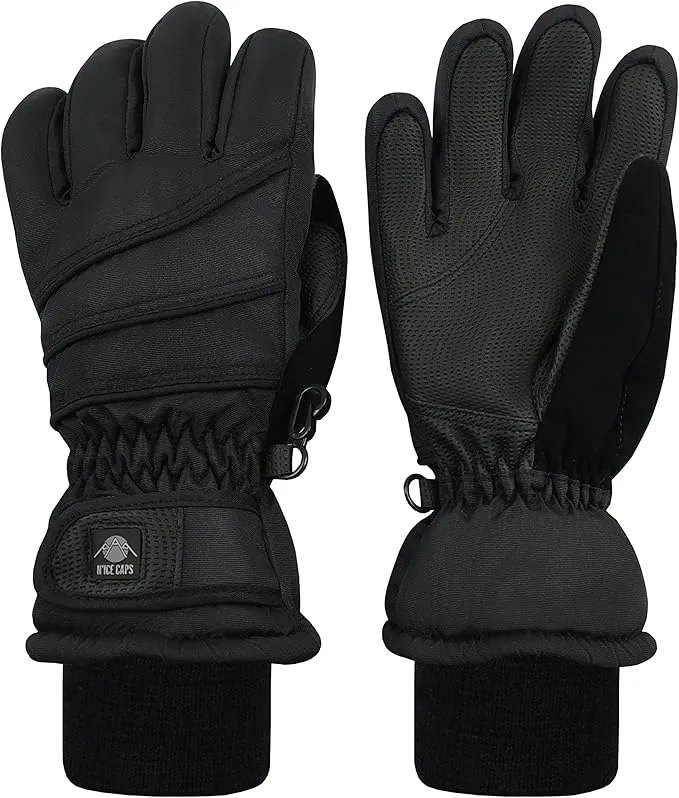
This is the single most reliable purchase signal on this entire list: 17,249 reviews at 4.6 stars— roughly 300 times the sample size of anything else here. At that volume, the rating reflects real experience across a huge range of kids and conditions, not a small batch of early, enthusiastic buyers.
The construction is honest for the price: Thinsulate is a genuine 3M product, the same core material used in gloves costing three times as much, and the waterproofing is a fully waterproof build rather than a thin water-resistant coating — though it’s still DWR-based rather than a membrane insert, which matters over time (more on that below). The elastic wrist design is worth calling out specifically: it’s genuinely easy for a young kid to pull on and off without help, which is a bigger deal on a cold chairlift line than it sounds.
The sizing chart is unusually detailed for a budget product — five distinct ranges with actual hand measurements rather than just “age 5-7,” which means you can size by your kid’s actual hand rather than guessing from age alone.
Who should buy this: Kids skiing fewer than five days a season in moderate conditions above roughly 18°F. First-timers where you’re not sure skiing is going to stick. A backup pair worth keeping in a jacket pocket.
Honest limitation: DWR waterproofing without a membrane insert — it holds up fine for normal snow contact but can saturate during extended wet-snow exposure or a kid who falls constantly. For that situation, the Tracker below is the better construction.
Dakine Kids’ Yukon Snow Gloves — Best for Kids Who Fall Often
Dakine Kids’ Yukon Snow Gloves
– 61% recycled polyester shell, PFC-free DWR waterproofing
– Rubbertec palm, 110g/170g Hi Loft recycled insulation
– One-hand cinch gauntlet cuff — seals over jacket sleeve
~$35
★★★★☆ (4.2/5 — 17 Amazon reviews)
Check Price on Amazon →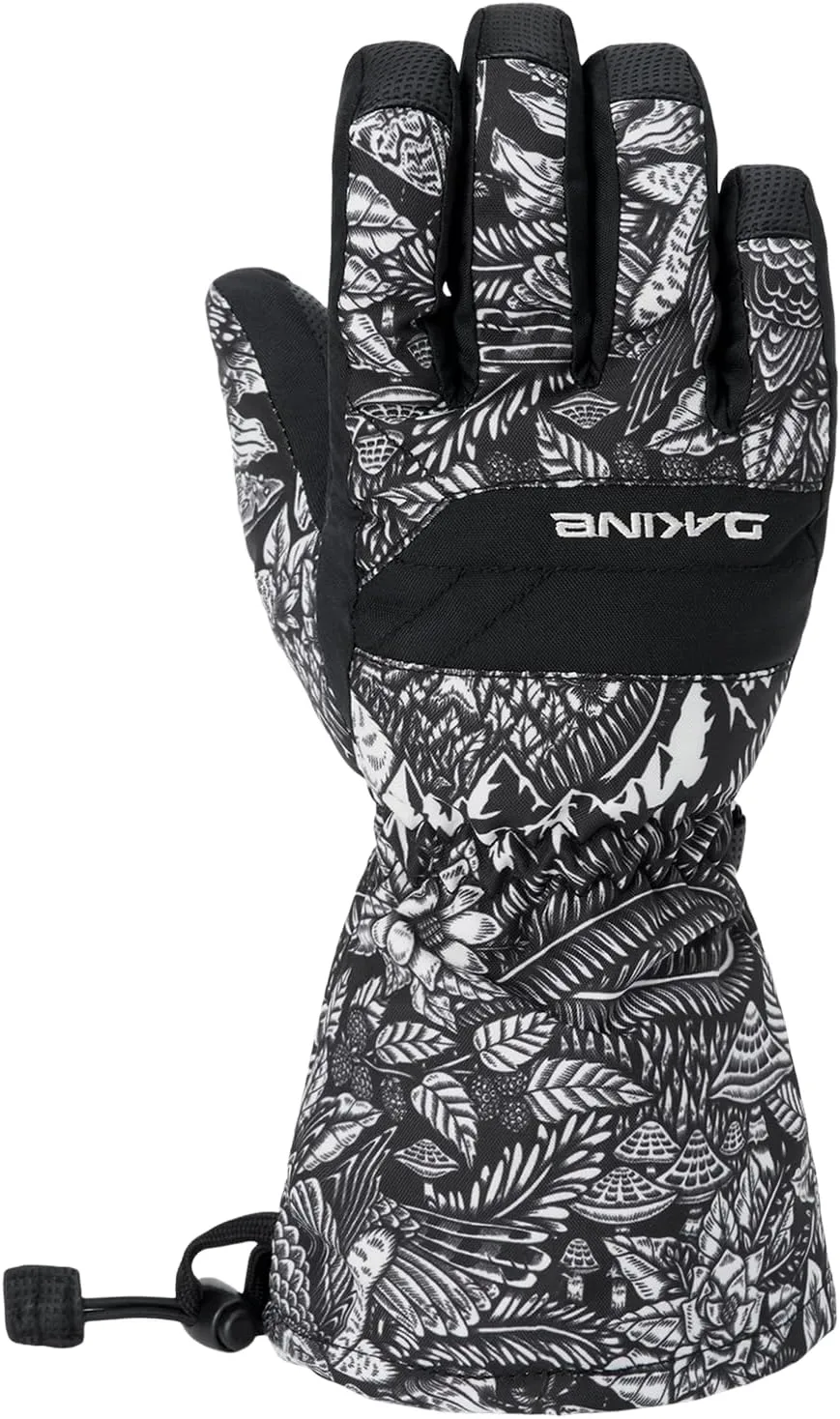
The standout feature here is the gauntlet cuff, and it’s worth explaining why that matters more for kids than for adults: kids fall constantly, and a fall usually means a hand goes straight into the snow, wrist-first. A gauntlet cuff that seals over the jacket sleeve closes off the single most common entry point for snow — and this one cinches with one hand, meaning a kid can tighten it themselves between runs instead of needing an adult every time.
The Rubbertec palm is a real step up in grip and durability compared to the budget tier, and the recycled-material construction (61% recycled polyester shell, PFC-free DWR) matches Dakine’s standard across their youth line — not a marketing add-on specific to this one product.
With only 17 reviews, this has the thinnest purchase data on the list. Dakine’s established brand reputation offsets some of that, but it’s worth knowing you’re relying more on brand trust than large-sample review confidence here.
Who should buy this: Kids skiing 5-10 days a season who fall a lot and need the wrist sealed against snow. A reasonable step up from the budget tier without paying for Gore-Tex a casual skier won’t fully use.
Honest limitation: Same DWR-only waterproofing as the N’Ice Caps — the gauntlet cuff is the upgrade here, not the waterproofing tier. If your kid needs both, the Tracker is the next step up.
Dakine Kids’ Tracker Snow Glove — Best for Regular Skiers
Dakine Kids’ Tracker Snow Glove
– DK Dry 100% polyurethane waterproof insert (not just DWR)
– 110g palm / 220g back of hand insulation, Rubbertec palm
– Best for kids who fall frequently and ski 10+ days/season
~$50
★★★★☆ (4.4/5 — 59 Amazon reviews)
Check Price on Amazon →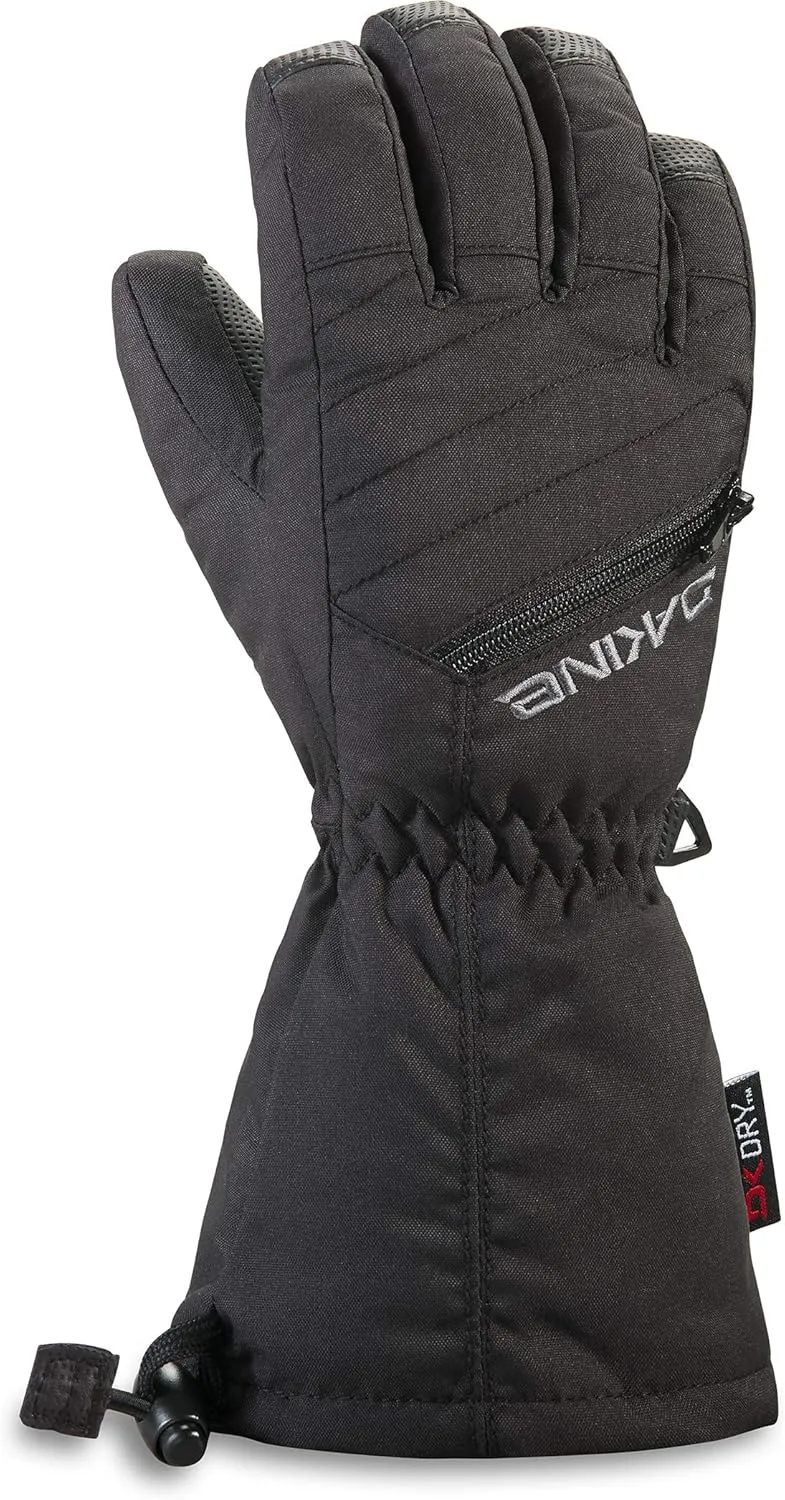
The real upgrade from the Yukon is the DK Dry insert: a waterproof layer bonded inside the glove between the shell and lining, rather than a coating on the outer fabric. A DWR coating can saturate after extended wet-snow contact; an insert construction keeps blocking water regardless of how wet the outer shell gets. For a kid who’s still learning and spends real time with hands in the snow, that’s a meaningful practical difference, not just a spec-sheet upgrade.
The insulation is also weighted correctly: 220g on the back of the hand versus 170g on the Yukon, and the back of the hand is where kids lose heat fastest — it’s the side exposed to wind when holding a pole or reaching forward.
At 59 reviews and 4.4 stars, this is the second-most-reliable review sample on the list after the N’Ice Caps — a reasonable amount of real purchase data, even if it’s nowhere near 17,000.
Who should buy this: Kids skiing 10+ days a season, or any kid who falls constantly and spends real time with wet hands. Anyone who’s already had a DWR-only glove fail on a wet day — this solves that specific problem.
Honest limitation: If your kid skis a handful of days a season in mild conditions, this is more waterproofing than you need, and the $30 saved on the N’Ice Caps buys other gear. For consistently severe cold, the Gore-Tex options below go a step further.
Gordini Junior Gore-Tex Glove — Best Genuine Gore-Tex Value
Gordini Junior Gore-Tex Glove
– Genuine Gore-Tex membrane waterproofing (not DWR, not insert)
– Megaloft synthetic insulation, moisture-wicking breathable lining
– Entry-level Gore-Tex for kids — same tech as adult gloves at 2× the price
~$52
★★★★☆ (4.3/5 — 29 Amazon reviews)
Check Price on Amazon →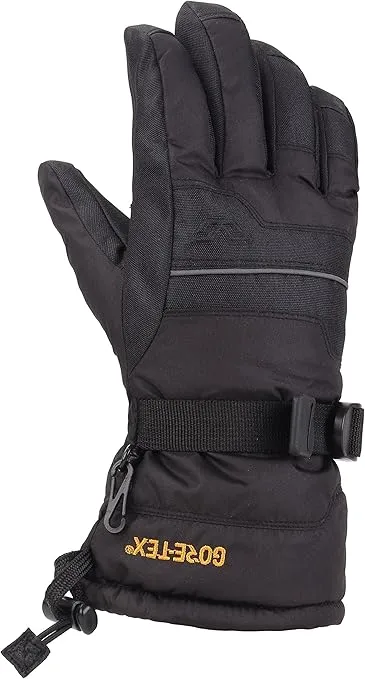
This is the entry point into real Gore-Tex for a kids’ glove, and at $52 it’s genuinely the same core membrane technology used in adult gloves costing $80-120. A Gore-Tex membrane doesn’t depend on a surface treatment at all — it keeps blocking water at the material level no matter how saturated the outer shell gets, and unlike a plain waterproof insert, it’s also breathable, which matters for an active kid generating real body heat on the hill.
Gordini has built gloves since 1956, and that manufacturing history is worth something at just 29 reviews — a review count this low means the star rating could still shift meaningfully with more purchases, so brand track record is carrying more of the confidence here than the review data alone.
Who should buy this: Kids skiing 10+ days a season in variable or wet conditions, especially with long exposed chairlift rides in real cold. Parents who want genuine Gore-Tex at the lowest price point available in the kids’ category.
Honest limitation: For a kid skiing occasionally in mild weather, this is more glove than the situation calls for — the N’Ice Caps or Yukon covers that use case for less money. If you want the maximum feature set on top of Gore-Tex (touchscreen, wrist leash, wider gauntlet), the Burton below adds that for $18 more.
Burton Kids’ Gore-Tex Gloves — Best Overall
Burton Kids’ Gore-Tex Gloves
– Gore-Tex membrane, ThermacoreECO insulation (95% recycled)
– Removable wrist leash, Screen Grab touchscreen, wide gauntlet cuff
– Certified ski instructor endorsed · Lifetime warranty
~$70
★★★★☆ (4.4/5 — 23 Amazon reviews)
Check Price on Amazon →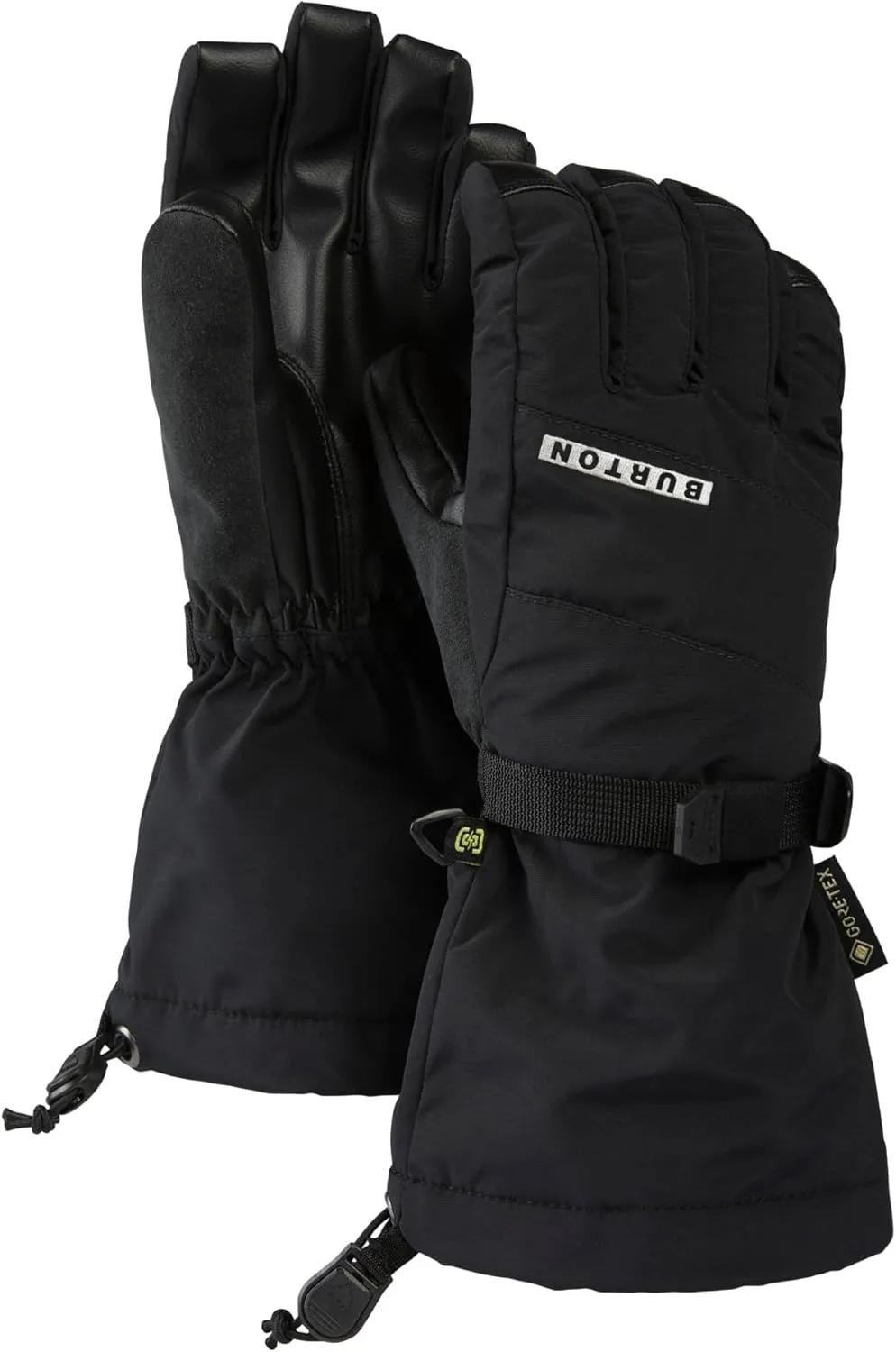
Same Gore-Tex reliability as the Gordini, built into the most kid-specific feature set on this list. The wider, longer gauntlet cuff fits more easily over a jacket sleeve than a standard cuff — directly addressing the most common snow-entry point for kids. The pre-curved fit matches a child’s natural resting hand position, which reduces the grip fatigue that’s often the actual reason a kid pulls their gloves off mid-run.
The wrist leash deserves its own mention: losing a glove — dropped from a chairlift, pulled off and left behind at the lodge — is a genuine, common problem with kids specifically. The removable leash clips the glove to the jacket sleeve when it’s off, so it stays physically attached instead of getting left somewhere. It’s a small feature that solves a real, recurring annoyance most other gloves on this list don’t address at all.
At 23 reviews, the sample is on the thinner side, similar to the Gordini — Burton’s brand reputation and their lifetime warranty on outerwear are the added confidence here beyond the review count alone.
Who should buy this: Kids skiing 10+ days a season in variable or cold conditions. Kids who consistently lose gloves. Anyone who wants the most complete feature set with genuine Gore-Tex.
Honest limitation: At $70, this is the most expensive pick here, and that expense only pays off with real use. For a kid skiing two or three days a year, the N’Ice Caps at $20 does the job just as well, and the $50 difference is better spent elsewhere.
Common Mistakes Parents Make Buying Kids’ Ski Gloves
Sizing by age instead of hand measurement. Age ranges on packaging are a starting point, not a guarantee — kids’ hand sizes vary a lot within the same age. A glove that’s too tight restricts blood flow and makes hands colder, not warmer; too loose lets cold air pool inside. If a product lists actual hand measurements (like the N’Ice Caps does), use those over the age label.
Buying the warmest possible glove regardless of activity level. A heavily insulated glove on a kid who’s actively skiing hard can cause sweating, and damp hands get cold faster than dry ones once activity slows down. Match insulation to how active your kid actually is on the hill, not just to the coldest number on the thermometer.
Skipping the gauntlet cuff to save money. The cuff is where snow gets in during a fall, and kids fall a lot more than adults. A cheaper glove with a proper gauntlet cuff usually beats a slightly warmer glove with a short cuff, because the cuff failure point matters more in practice than an extra 20g of insulation.
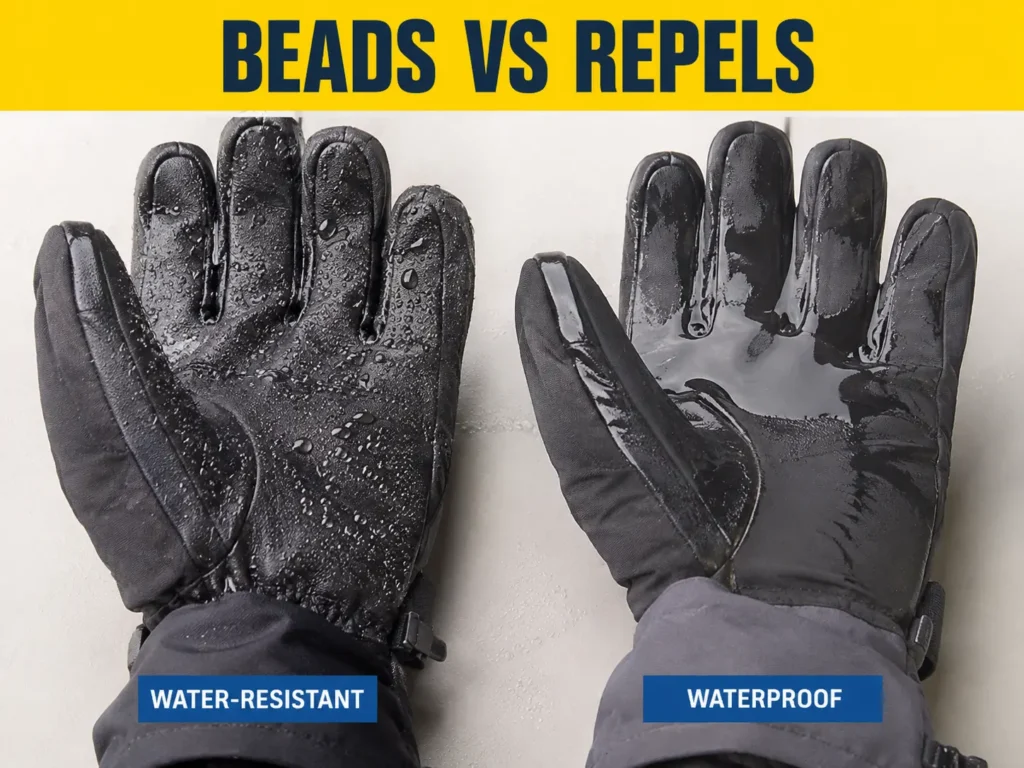
Assuming waterproof and water-resistant mean the same thing. They don’t — DWR coatings wear down over repeated use while a membrane or insert construction keeps working regardless. For a kid who’s occasionally in the snow, that difference rarely shows up. For a kid who’s constantly falling and playing in wet snow, it shows up by lunchtime.
Decision Checklist
- Skis 2-5 days a year, mild conditions, budget matters: N’Ice Caps (~$20)
- Falls constantly, needs the wrist sealed against snow: Dakine Yukon (~$35)
- Skis 10+ days a season, needs reliable waterproofing in wet snow: Dakine Tracker (~$50)
- Regular skier, wants genuine Gore-Tex at the lowest available price: Gordini Junior (~$52)
- Frequent skier, wants the full feature set — leash, touchscreen, widest gauntlet: Burton Kids’ Gore-Tex (~$70)
- Cold hands regardless of conditions: Size up one increment on any of the above — a glove that’s too snug loses warmth fast on a kid
- Consistently below 10°F: Gordini or Burton, plus a thin liner glove underneath for chairlift rides
For the adult version of this same comparison, see Best Ski Gloves for Men and Best Ski Gloves for Women.
Frequently Asked Questions
Should I buy gloves or mittens for my child?
Under age 7, mittens are usually the warmer choice since fingers share heat in one pocket. Once a kid is old enough to use poles and needs individual finger grip — typically 6 to 7 and up — gloves become the practical option. A kid with consistently cold hands can stay in mittens past that age if warmth matters more than pole dexterity for them.
Are these kids’ ski gloves actually waterproof, or just water-resistant?
It depends on the construction, not just the word on the label. The N’Ice Caps and Dakine Yukon use DWR coatings, which resist water well but can saturate over extended wet exposure. The Dakine Tracker uses a bonded polyurethane insert, and the Gordini and Burton use genuine Gore-Tex membranes — both of those keep blocking water regardless of how wet the outer shell gets.
How should kids’ ski gloves fit?
Snug through the palm with a little room at the fingertips — tight enough that snow can’t easily work its way in, loose enough that it doesn’t restrict blood flow, since restricted circulation makes hands colder rather than warmer. If you’re between sizes, size up rather than down for a growing kid.
Is a $20 glove actually good, or just cheap?
For the right use case, genuinely good — the N’Ice Caps’ 17,000+ reviews are real evidence it performs well for occasional, moderate-condition skiing. The honest limitation is DWR-only waterproofing, which is a real tradeoff for the price, not a hidden flaw. It becomes the wrong choice specifically for a kid skiing frequently in wet, heavy snow.
Do touchscreen-compatible ski gloves matter for kids?
Mostly for older kids and teens who want to use a phone for photos between runs without pulling gloves off in the cold. It’s a nice-to-have rather than a core warmth or safety feature — worth prioritizing for an older kid, not something to chase for a younger one just learning to ski.
When should I replace my kid’s ski gloves?
When the waterproofing genuinely fails — hands come out damp after normal use rather than only after unusually long wet exposure — or when the insulation has compressed and flattened from wear, which shows up as a kid who’s cold in the same glove that used to keep them warm. Growth is usually the real reason kids’ gloves get replaced before they wear out.
Final Thoughts
If you’re not sure where to start, the Tracker is the safest default for most families — real waterproofing construction without paying Gore-Tex prices, at a point where the extra $30 over the N’Ice Caps is easy to justify for a kid who skis more than a handful of days. But don’t overbuy for an occasional skier: the N’Ice Caps’ review record is strong enough that spending more only makes sense once your kid’s actually racking up real days on the mountain.
Affiliate Disclosure: This post contains affiliate links. If you buy through them, we may earn a commission at no extra cost to you. It never changes which gloves we recommend. Prices correct as of April 2026, subject to change. Last updated July 2026.