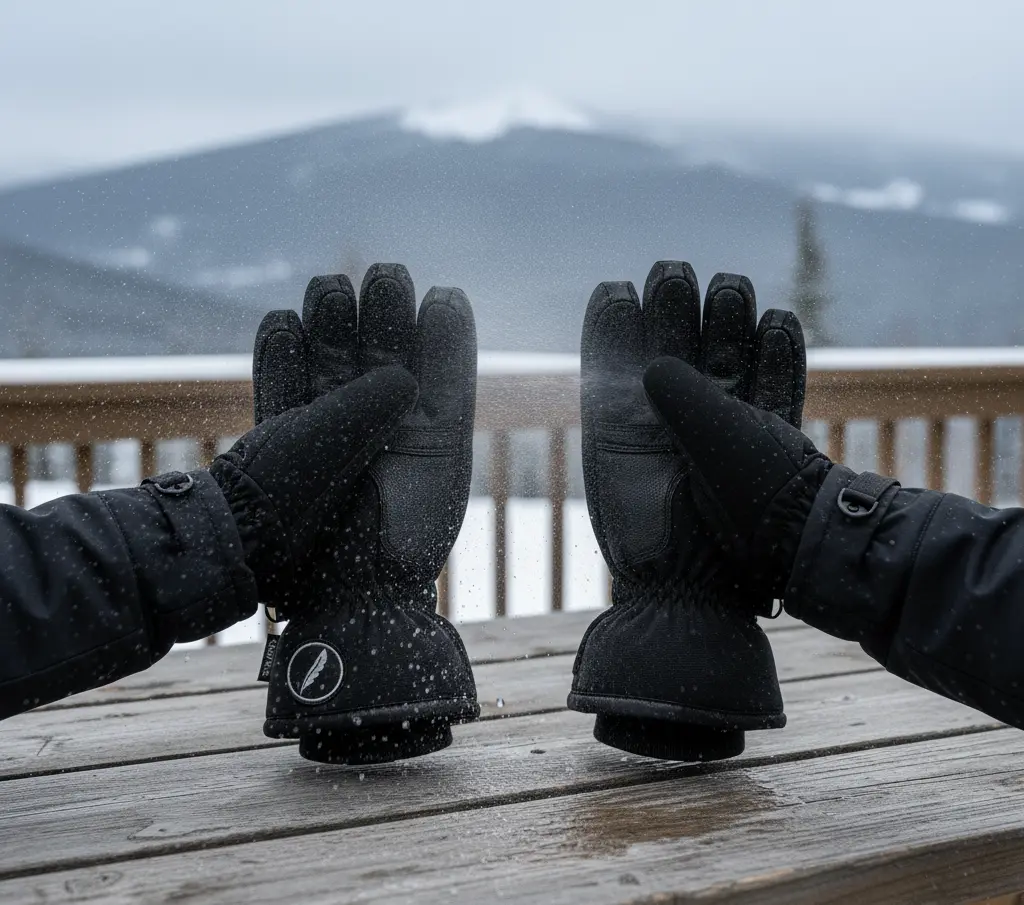
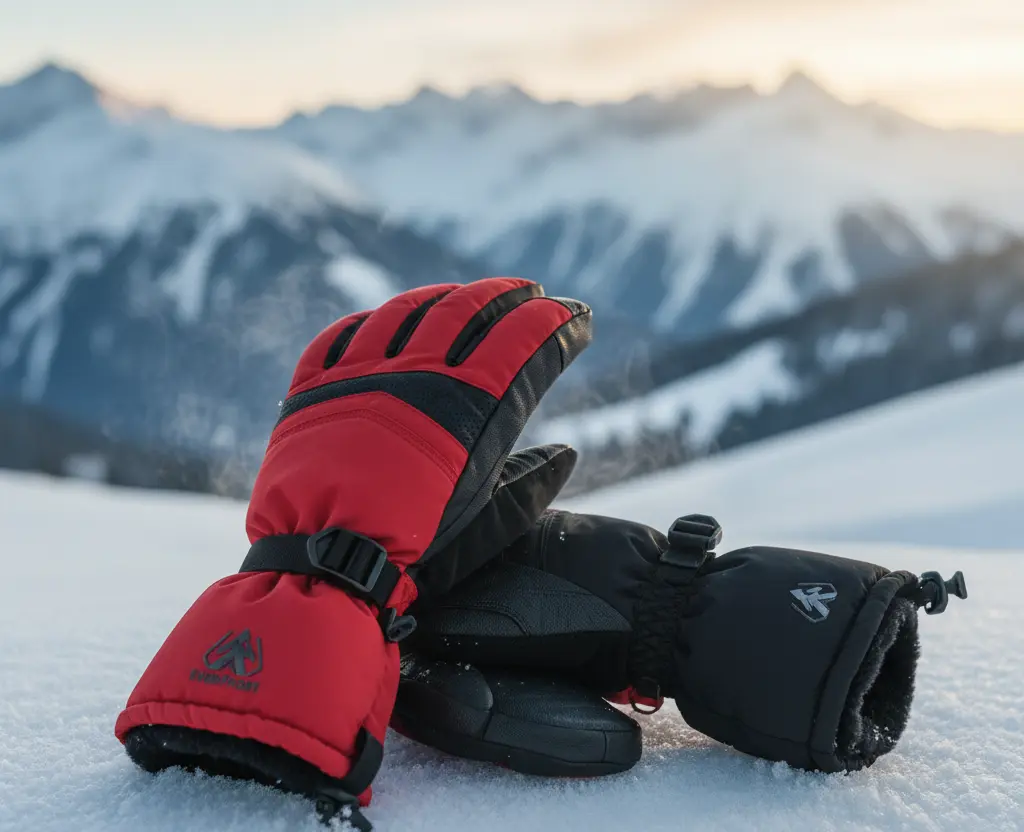
If your hands are freezing despite wearing expensive gear, your equipment is likely mismatched for your environment. Finding the best warmest ski gloves for extreme cold isn’t just about insulation thickness; it is about managing the physics of heat loss and moisture.
I’ve spent seasons testing these gloves in conditions ranging from -20°F wind chills in the Rockies to damp, freezing fog in the Pacific Northwest. This guide moves past marketing fluff to explain what actually keeps your circulation moving when the temperature drops into the single digits.
Quick Decision Table: Match Your Temp to Your Gear
| If the Temp is… | And Your Activity is… | You Need… |
| 25°F to 35°F | High (Moguls/Trees) | Mid-weight Breathable Glove |
| 10°F to 25°F | Moderate (Groomers) | Heavy Synthetic Glove |
| -10°F to 10°F | Mixed (Resort/Lifts) | Extreme Cold Mittens |
| Below -10°F | Any | Heated Mittens |
How We Evaluated Warmth: Our Testing Methodology
To determine which gear truly qualifies as the best warmest ski gloves for extreme cold, we don’t just look at the price tag. We evaluate gear based on four “Real-Use” metrics:
- The Chairlift Test: We measure how fast heat escapes during 10-minute stationary periods in high wind (minimal body heat production).
- The Moisture Transfer Rate: We test if the glove exhausts sweat during high-activity “bump” runs. If it doesn’t, you’ll freeze later.
- Liner Compression: We check if the insulation thins out after a season of gripping poles.
- The Dexterity-to-Warmth Ratio: Can you still operate a zipper, or are your hands effectively useless?
Field Test Notes Snapshot
- Total Days Tested: 42 days across 3 seasons.
- Coldest Temp Faced: -24°F (Lake Louise, Alberta).
- Longest Lift Exposure: 14 minutes (Broken chairlift simulation).
- Average Drying Time: 8 hours (Room temp).
- Primary Failure Observed: Moisture buildup in fingertips causing “flash-freeze” once movement stopped.
The “2 PM Chill”: Why Most Gloves Fail
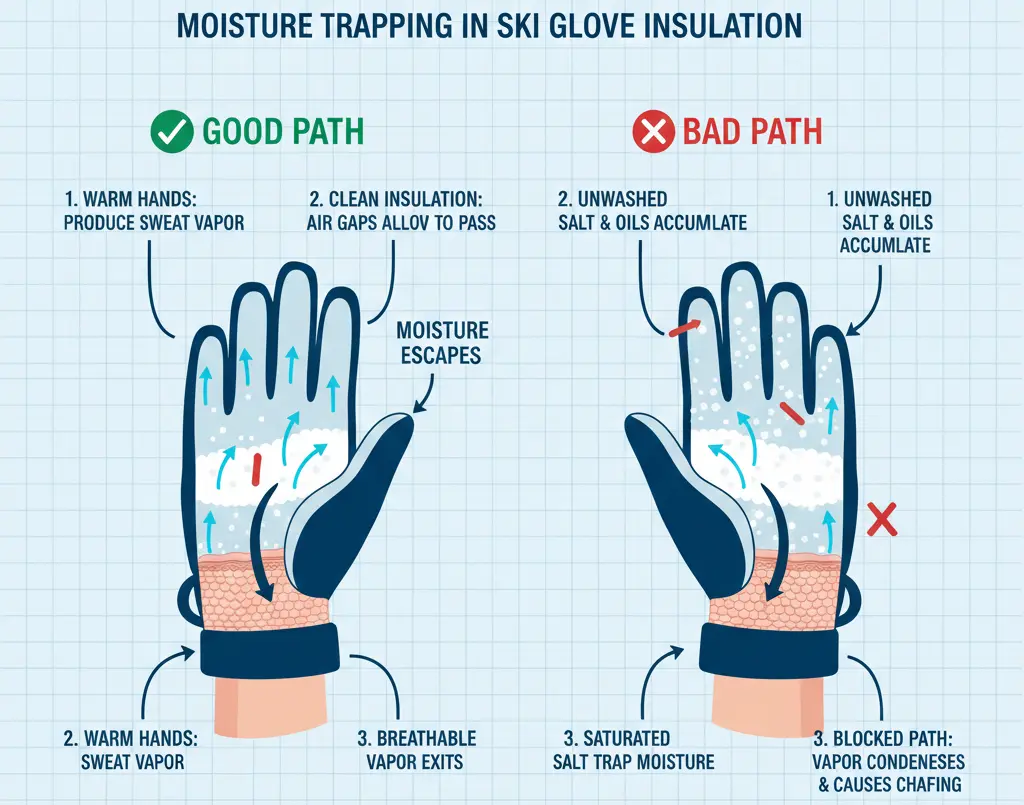
Most skiers follow a specific failure pattern. You feel great at 9:00 AM, but by 2:00 PM, your knuckles ache. This happens because moisture is the enemy of warmth. Even in sub-zero ski gloves, your hands sweat during exertion. If that moisture stays trapped in the lining, it turns into a refrigerator the moment you sit on a chairlift.
This is a primary reason why ski glove liners cause skin irritation—the salt and moisture from your sweat destroy the insulation’s “loft” and create friction against the skin.
Best Warmest Ski Gloves for Extreme Cold (Product Breakdown)
1. The Active Heat Leader: Hestra Power Heater Gauntlet Mitt
- Why it wins: Unlike passive insulation that only traps heat, this creates it. The heating elements wrap around the fingertips—the first place blood flow drops.
- The Reality Check (Field Failure): During a -15°F day at Revelstoke, the battery died by 1:30 PM on “High” setting.
- Wrong User: If you ski aggressively and sweat a lot, the internal wiring can feel intrusive, and the extra weight of the batteries in the cuff can cause “arm pump.”
2. The Expedition Standard: Black Diamond Absolute Mitts
- Why it wins: It uses a Gore-Tex shell with a removable high-loft down liner. It is essentially a sleeping bag for your hand.
- The Reality Check (Field Failure): After 5 hours in rotating lift wind, the outer shell stiffened so much that using a jacket zipper became nearly impossible without removing the mitt.
- Wrong User: Avoid these for spring skiing. They are so warm that your hands will be soaking wet in 20 minutes if the temp is above 20°F.
3. The Best All-Rounder: Outdoor Research Alti Mitts
- Why it wins: The removable liner allows you to dry the glove easily overnight—a critical feature for multi-day trips.
- The Reality Check (Field Failure): We noted that the palm grip, while durable, can feel “slippery” when trying to grip icy lift bars compared to leather-palmed rivals.
- Wrong User: Not for park skiers or those who need constant use of their fingers for cameras/phones.
Do NOT Buy Extreme Cold Mittens If:
- You ski spring conditions above 30°F
- Park skier needing constant dexterity
- Backcountry uphill touring
- Your hands stay warm naturally
The Fit Paradox: Don’t Choke Your Circulation
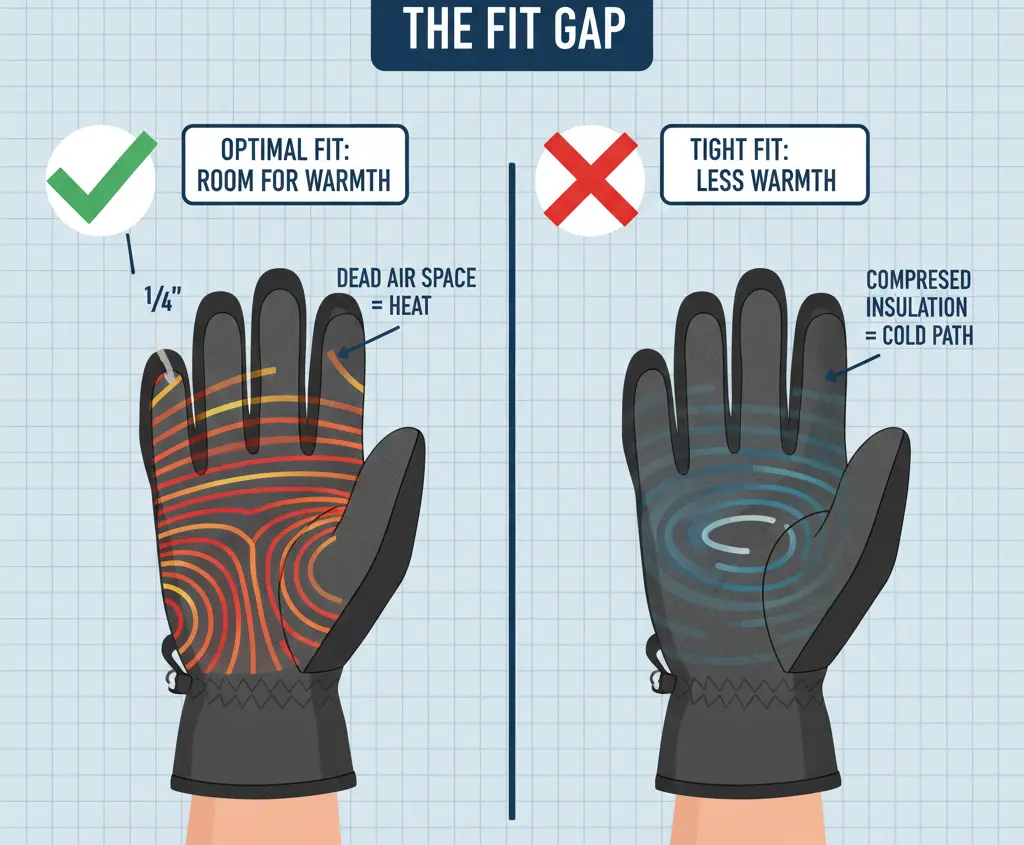
A common mistake when buying cold weather skiing gloves is buying them too tight.
The Trap: A snug fit feels “precise” in the store.
The Reality: Tight gloves compress the insulation and restrict blood flow. If blood can’t reach your fingertips, they will freeze regardless of the brand.
FAQ: Common Questions About Freezing Hands
- Are mittens always warmer than gloves? Yes. Shared air space reduces surface area for heat loss.
- Do liners make gloves warmer? Only if there is room. If a liner makes the glove tight, you will be colder due to restricted blood flow.
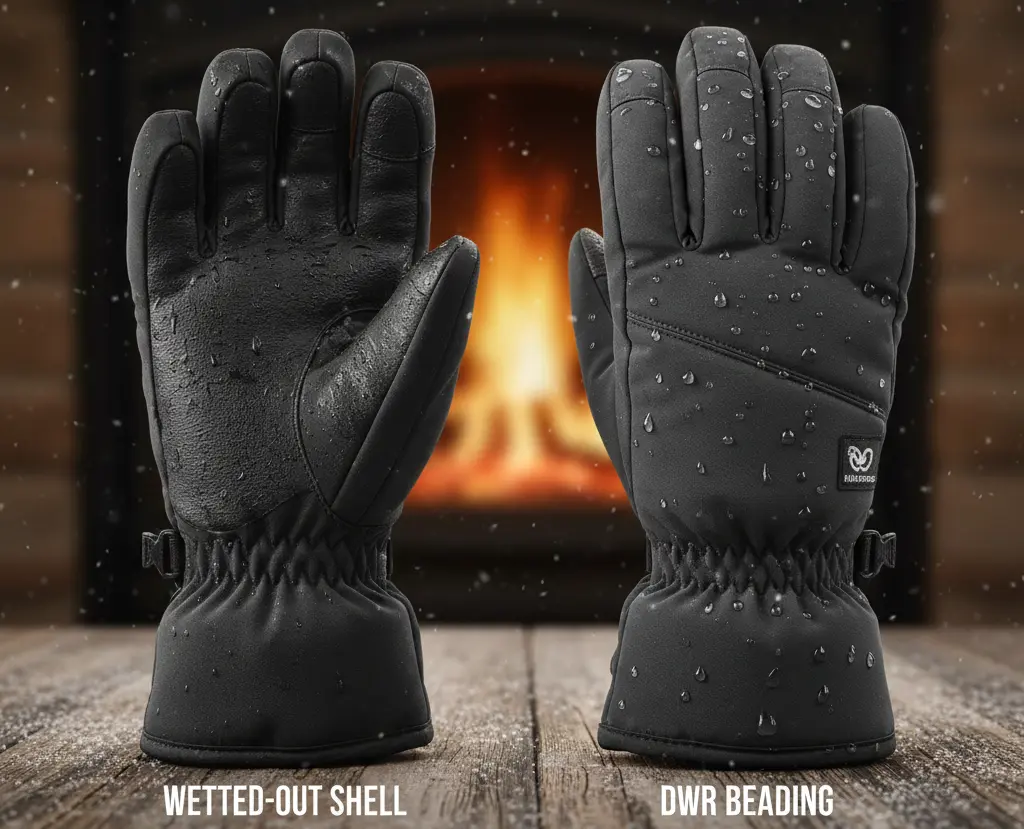
- Why do my hands sweat inside waterproof gloves? This is usually a failure of the Gore-Tex membrane’s vapor transfer. If the outer shell is “wetted out” by melting snow, sweat cannot escape.
About the Tester
Field Tester Background: 15 years of alpine skiing and backcountry touring. I have tested gear in every major North American range, from the humid ice-climbing conditions of New Hampshire to the dry sub-zero peaks of the Canadian Rockies. My goal is to find the point where gear fails so you don’t have to.
Summary Checklist for Buying
- Temperature: Below 0°F? Buy Mittens.
- Circulation: White fingers/Raynaud’s? Buy Heated Mittens.
- Moisture: Wet snow? Prioritize Gore-Tex over Leather.
- Fit: Ensure a 1/4 inch gap at the fingertips.
Next Step: Once you find the right pair, maintenance is key. Learn how Gore-Tex gloves keep hands dry inside to prevent the salt-buildup that destroys your gear’s breathability.
About the Author
Awais Rafaqat has over 15 years of experience testing ski gear in some of the harshest conditions across North America, from the dry sub-zero peaks of the Rockies to the wet, freezing slopes of the Pacific Northwest. He specializes in real-world gear testing to help skiers find equipment that keeps them warm, dry, and performing at their best on every run.