As an Amazon Associate, I earn from qualifying purchases.
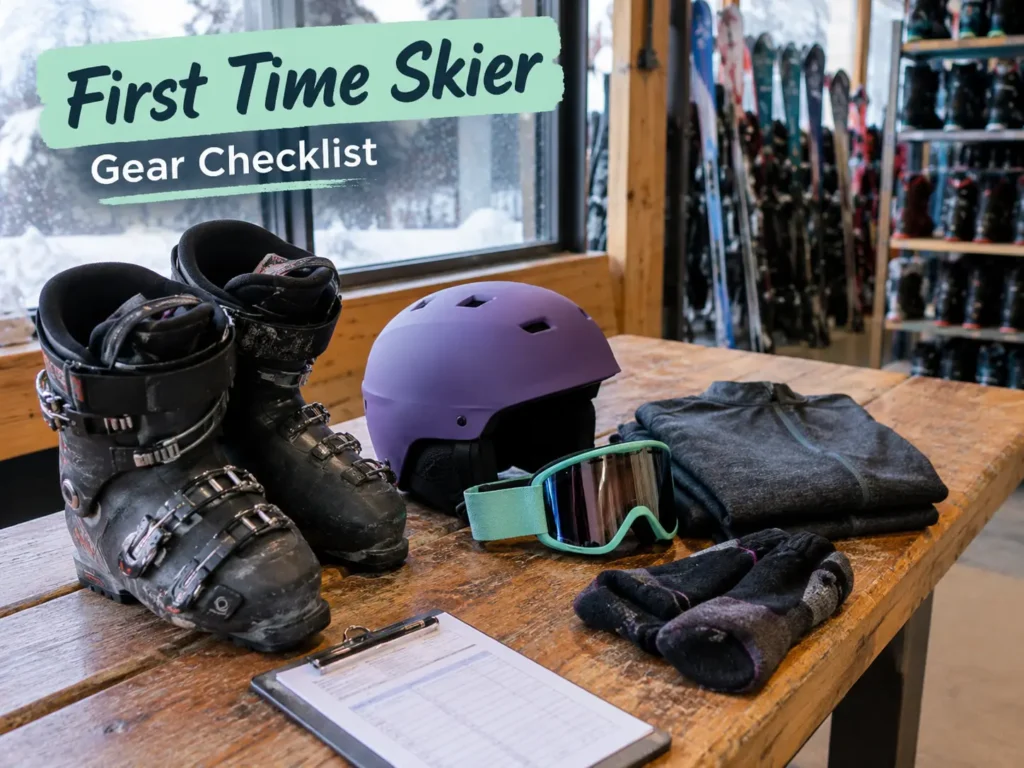
Quick Answer: For your first ski day, rent the big stuff and bring the small stuff. Skis, boots and a helmet come from the rental shop, where staff fit them to you. From home, bring warm layers that are not cotton, waterproof gloves or mittens, goggles or sunglasses, sunscreen and lip balm. The only things most beginners need to buy are one pair of ski socks and a pair of gloves that stay dry. Everything else can wait until you know you like skiing.
Gloves are the one item people often get wrong, so start there. The Ski Glove Finder helps you pick a pair for your budget and weather in about a minute.
| Item | Rent it | Bring from home | Worth buying first |
| Skis and bindings | Yes | No | No |
| Ski boots | Yes | No | No |
| Helmet | Yes | If you own one made for skiing | Later |
| Poles | Often skipped in a first lesson | No | No |
| Jacket and snow pants | Some resorts rent them | Yes, if waterproof | Later |
| Base layer | No | Yes, not cotton | Maybe |
| Socks | No | Yes, one thin pair | Yes |
| Gloves or mittens | No | Yes, waterproof | Yes |
| Goggles or sunglasses | Sometimes | Yes | Maybe |
| Sunscreen and lip balm | No | Yes | Yes |
Rental options change by resort, so check your mountain’s website a few days ahead.
- Why Renting Beats Buying on Day One
- The Full Day-One Checklist
- Skis, Boots and Helmet: Let the Rental Shop Work
- What to Wear From Your Closet
- How Much to Wear at Different Temperatures
- Gloves: The One Thing to Buy Right
- Socks: Buy One Good Pair
- Eyes, Skin and Neck
- What to Buy Now and What Can Wait
- Safety Gear Every Skier Needs
- How Your First Morning Should Go
- Know the Rules Before You Click In
- Small Surprises on Your First Day
- What to Carry in Your Pocket and Bag
- If You Wear Glasses or Bring Kids
- Mistakes First-Timers Make With Gear
- Questions New Skiers Ask
- Your Short List
Why Renting Beats Buying on Day One
Skis and boots are the costly parts of skiing. They are also the parts you cannot judge until you have skied. A beginner does not know yet if they want a stiff boot or a soft one, a short ski or a longer one. Renting lets you learn what you like before you spend.
Fit is the second reason. A rental tech measures your foot, checks the boot and sets the bindings for your weight and level. Borrowing gear from a friend skips all of that, and a boot that is the wrong size can ruin a day. If you rent from a shop the day before, you also avoid the morning rush.
The third reason is simple: you might not love it. Many people try skiing once and decide it is not for them. If you rent, you lose a rental fee. If you buy, you own a pile of gear you never use. After your third or fourth day, you will have a clear idea of what to upgrade first.
The Full Day-One Checklist
Print this table or save it on your phone. Tick each line as you pack, and bring it to the rental counter so you do not forget anything.
| Done | Item | Why it matters | Where it comes from |
| ☐ | Lift ticket and lesson voucher | You cannot ride or start class without them | Book ahead online |
| ☐ | Rental skis and boots | Fitted to your foot and your level | Resort or local shop |
| ☐ | Helmet made for skiing | Protects your head in a fall | Rent or bring |
| ☐ | Thin base layer top and bottom | Keeps sweat off your skin | Bring from home |
| ☐ | Warm mid-layer, such as fleece | Holds heat on cold mornings | Bring from home |
| ☐ | Waterproof jacket and snow pants | You will sit and fall in snow | Bring or rent |
| ☐ | One pair of ski socks | Warm feet without wrinkles in the boot | Buy |
| ☐ | Waterproof gloves or mittens | Wet hands get cold fast | Buy or bring |
| ☐ | Goggles or sunglasses | Snow glare and wind | Bring or rent |
| ☐ | Neck gaiter or scarf | Covers your neck and chin | Bring from home |
| ☐ | Sunscreen and lip balm, SPF 30 or higher | Snow reflects sun, even on cloudy days | Bring from home |
| ☐ | Snow boots for walking | Ski boots are hard to walk in on ice | Bring from home |
Skis, Boots and Helmet: Let the Rental Shop Work
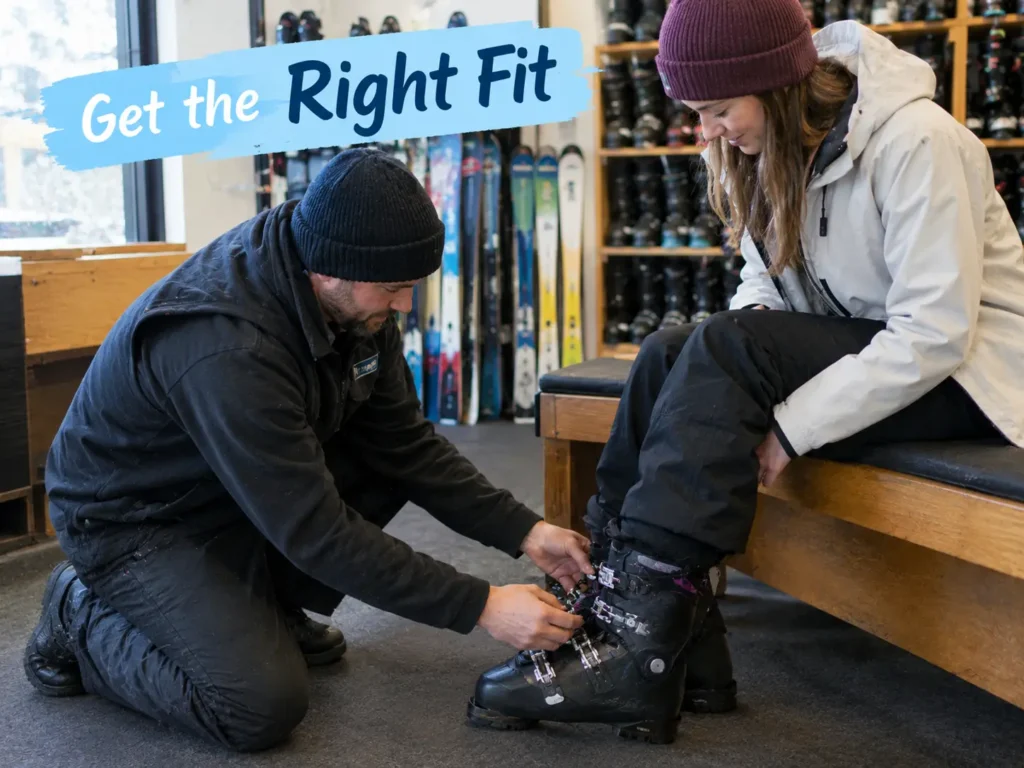
Arrive early. The base area can feel like a maze for a new skier, so give yourself time to find the rental counter, the ski school meeting spot and the bathrooms. A tech will ask your height, weight, shoe size and skill level, and then hand you boots to try on.
Boots are the most important part of the fit. They should feel snug, with your heel held down and your toes able to wiggle a little. If a boot pinches, says so right away. Do not wait until you are on the hill. Many techs will swap a boot in a minute if you speak up early.
You do not need poles for a first lesson. Many beginner classes teach balance and turning first, so poles can wait. A helmet, though, is worth having from day one. Pick one made for skiing, make sure it fits well and keep the chin strap fastened.
What to Wear From Your Closet
Think in three layers. The first sits on your skin and pulls sweat away. The second holds heat. The third blocks wind and snow. Avoid cotton as a first layer, since it soaks up sweat and stays wet.
| Layer | What to wear | What to skip |
| Base layer | Thin polyester, wool or merino long sleeve and leggings | Cotton T-shirts and cotton leggings |
| Mid-layer | Fleece or a light puffy jacket | A heavy hoodie that soaks up water |
| Outer layer | Waterproof jacket and snow pants | Jeans or sweatpants |
| Head | Helmet, with a thin hat or headband if needed | A bulky winter hat under a helmet |
| Neck | A thin gaiter or buff | A long scarf that can catch |
Jeans are a common beginner mistake. They soak through in minutes and then freeze against your legs. If you do not own snow pants, ask your resort if they rent them, or try a thrift shop before you buy new.
Start the day slightly cool. You warm up quickly once you move, and a first-timer who starts warm is often sweaty by the second run. Dress in layers you can take off, and carry a small bag for the ones you shed.
How Much to Wear at Different Temperatures
The same outfit does not work every day. A warm spring morning and a windy January day need very different layers. Use this table as a rough guide, and adjust for how warm or cold you usually run.
| Weather | Base layer | Middle layer | Extras |
| Mild, mid 30s to 40s | Thin top, maybe no bottoms | Light fleece, or skip it | Sunglasses, sunscreen |
| Cold, 20s | Thin top and bottoms | Fleece | Neck gaiter, goggles |
| Very cold, teens or below | Top and bottoms, a bit warmer | Fleece or light puffy jacket | Mittens, neck gaiter, hand warmers |
| Windy or snowing | Same as above | Add a layer | Goggles, face cover |
If you are not sure, bring one extra layer. Taking a layer off is easy, and wishing you had it on the chairlift is not. Many first-timers also run hot once they start moving, so open your jacket vents before you start to sweat.
Gloves: The One Thing to Buy Right
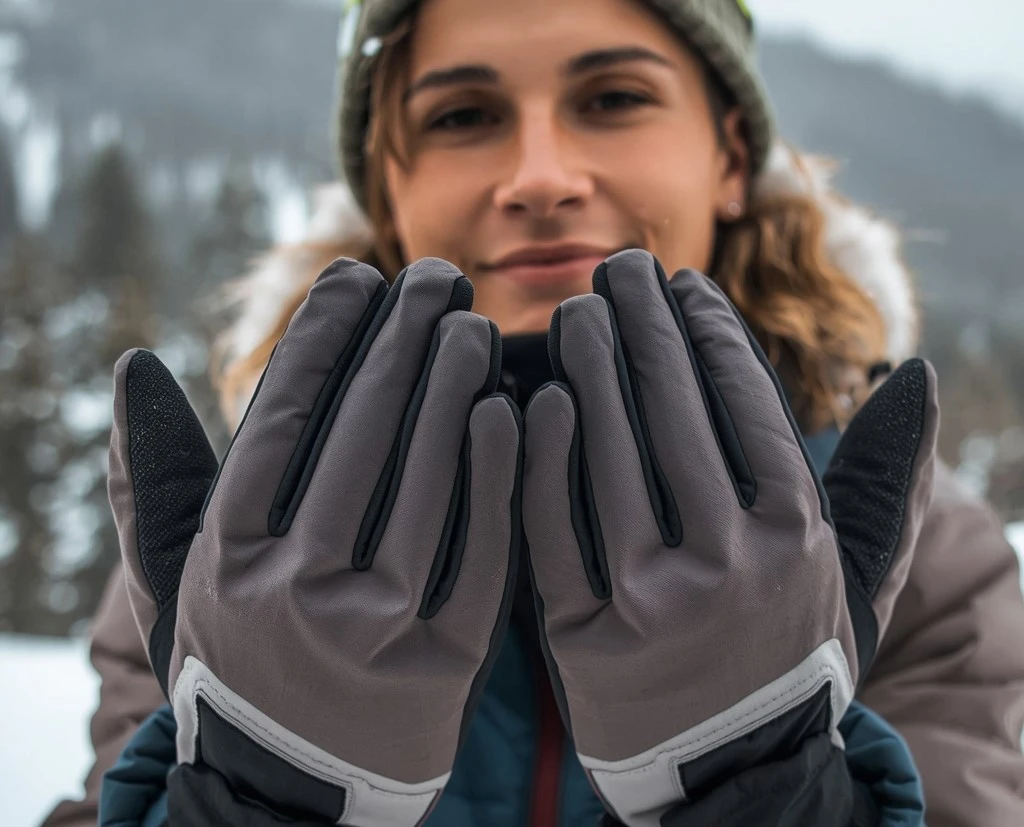
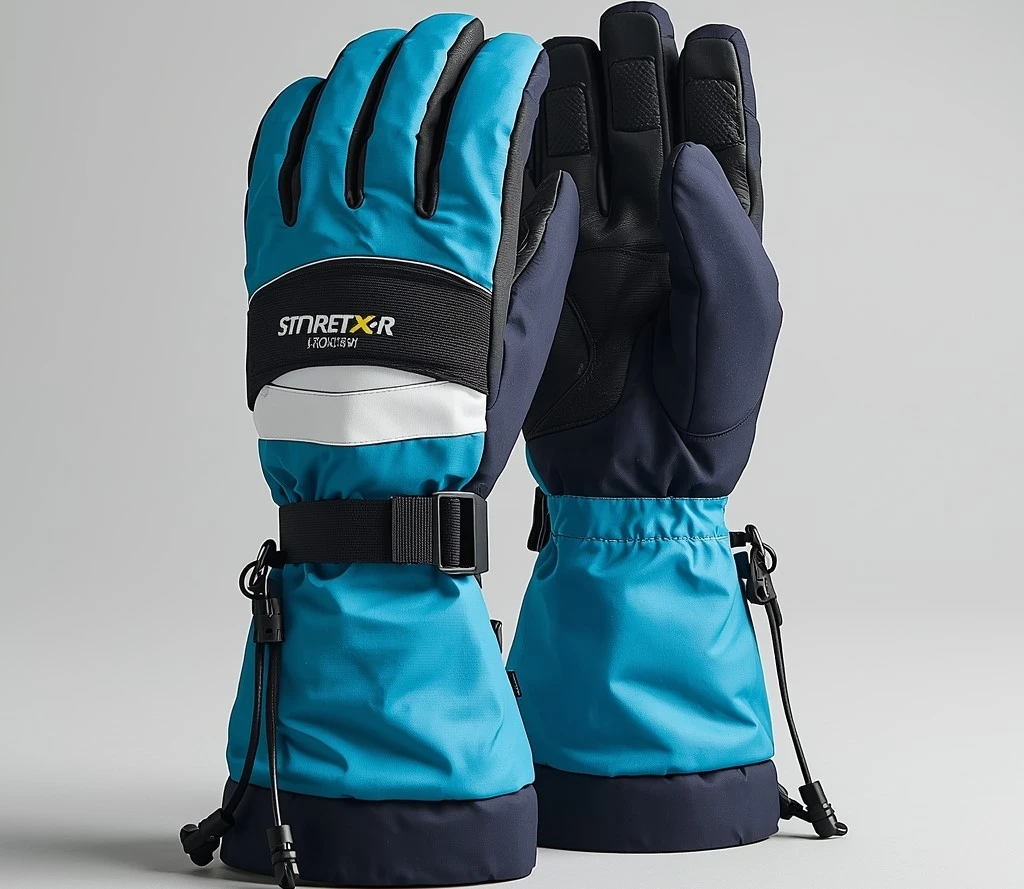
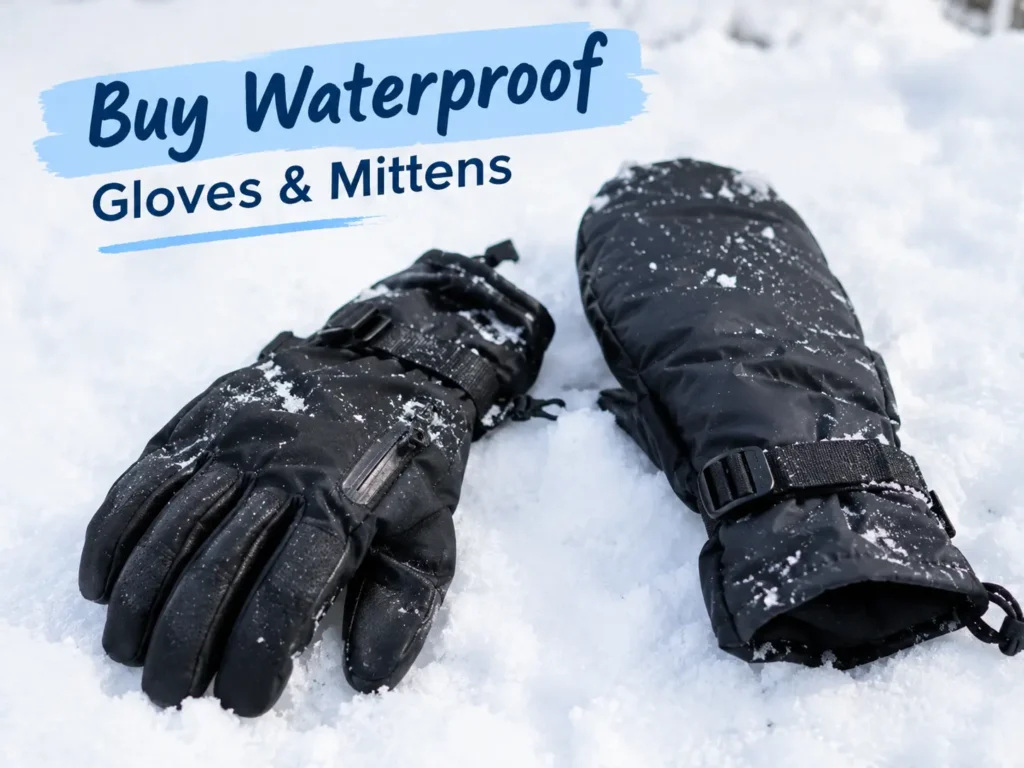
Hands get wet more than any other part of you. You use them to get up after a fall, push off a lift chair and adjust your gear. Thin fleece gloves soak through quickly in snow, and many first-timers say they wish they had worn waterproof ones. A waterproof glove or mitten is the best early purchase.
You do not need to spend a lot. A basic waterproof pair works for a first season, and a mitten is warmer if your hands run cold. Our best ski gloves pick cover options at many prices, so you can choose one that fits your budget.
Check the fit before you leave the shop. Your fingers should reach the ends without pushing, and the cuff should close over your jacket sleeve. A glove that is too tight cuts blood flow, which makes hands colder.
Socks: Buy One Good Pair
Socks are another cheap item that makes a big difference. A thin or medium ski sock that reaches over the calf keeps wrinkles out of the boot and sweat off your skin. Wear one pair, not two. Two pairs bunch up and squeeze your foot, and that makes it colder.
Put your socks on just before your boots, and smooth out any folds. Pull the cuff up so it sits under your snow pants, not bunched at the ankle. If your feet feel cold after the first run, check the buckles before you blame the socks. A boot that is too tight is a common cause.
Eyes, Skin and Neck
Snow reflects sunlight, so glare is strong even on cloudy days. Goggles protect your eyes from wind and light, and they work better than sunglasses in a storm. If you wear glasses, ask the rental shop about goggles made to fit over them.
Sunscreen and lip balm matter in winter too. KidsHealth advises SPF 30 or higher for daytime skiing, and says to wear it even when it is cloudy, since the sun’s rays still reach you. Put it on your nose, cheeks, ears and lips before you go up, and reapply at lunch.
A thin neck gaiter covers the gap between your jacket and helmet. Pull it over your chin on the lift and drop it on the run. It is cheap, it takes up no space and it solves a cold neck.
What to Buy Now and What Can Wait
Resist the urge to buy a full outfit before your first day. A smaller list saves money and still keeps you warm. Our choosing ski gloves guide covers the one item worth studying in more detail.
| Buy now | Reason |
| Waterproof gloves or mittens | Wet hands are the fastest way to a bad day |
| One pair of ski socks | Low cost and a big comfort gain |
| Sunscreen and lip balm | Cheap and needed even on cloudy days |
| A thin base layer | A good base keeps you dry under everything |
| Wait on this | Reason |
| Skis, boots and poles | You will not know your style or level yet |
| A premium jacket and pants | A basic waterproof set works for a first season |
| Expensive goggles | A rental or a basic pair is fine to start |
| Fancy accessories | Pick them up once you know what you miss |
Safety Gear Every Skier Needs
Some items are about more than comfort. KidsHealth, a medically reviewed health site, lists the core safety gear for skiers: skis, boots, bindings and poles fitted by a trained professional, a helmet made for skiing with the chin strap fastened, and goggles that fit and block the sun. It also says to dress in layers and to choose wool or non-cotton thermal underwear. You can read the full KidsHealth safety tips before your trip.
The same page recommends lessons with a trained instructor certified by the Professional Ski Instructors of America. A good instructor teaches you how to stop, turn and get on and off the lift, which saves you from the most common beginner mishaps.
How Your First Morning Should Go
A calm morning makes a better day. SnoCountry, a ski industry information site, says to leave time to find check-in, the ski school and your lesson meeting spot. It also suggests confirming your lesson details and arriving early to get your rental gear, so you are not rushing before class. Their guide on first lessons walks through the steps.
| Time before lesson | What to do |
| 90 minutes | Arrive, park and walk to the base area in your snow boots |
| 75 minutes | Pick up your lift ticket and lesson voucher |
| 60 minutes | Get your rental skis, boots and helmet fitted |
| 30 minutes | Put on sunscreen, goggles and gloves, and use the bathroom |
| 15 minutes | Walk to the lesson meeting spot and meet your instructor |
These times are a rough plan. Bigger resorts need more buffer, and smaller hills may need less. When in doubt, arrive early.
Know the Rules Before You Click In
Skiing has simple rules of the road, and new skiers should learn them on day one. The National Ski Areas Association publishes ten rules in Your Responsibility Code. They cover things like staying in control, yielding to skiers below you and stopping only where you can be seen from above. Read the NSAA code over breakfast.
Your instructor will go over the main points in class. Knowing them early helps you feel more at ease, and it helps you avoid collisions on busy days. Pay attention to signs for slow zones and closed trails, too.
Small Surprises on Your First Day
Walking in ski boots feels odd. The shell is stiff, the sole is slick and you take short, careful steps. Many first-timers describe it as a waddle. That is normal. Wear snow boots to the rental shop, carry your ski boots if you can and put them on near the lesson area.
Getting off the chairlift is another new skill. Many beginners find it harder than skiing. Lift the tips of your skis a little as you slide off, and keep your weight over your feet. Your instructor will show you how to do it, and most resorts have a slow lift for beginner areas.
You will also fall. Almost everyone does, and it is a normal part of learning. Dry, waterproof layers make falling less unpleasant, which is a good reason to avoid jeans and cotton. Get up slowly, check your gear and ask your instructor for tips on getting back on your feet.
Finally, expect to be tired. Skiing uses muscles you do not use every day. Drink water, eat a snack at lunch and take breaks. A half-day lesson is plenty for a first try, and it leaves you eager to come back.
What to Carry in Your Pocket and Bag
Keep a small list for your pockets and locker. A few extra items make the day smoother, and most cost very little.
| Item | Where to keep it | Why |
| Lip balm and small sunscreen | Jacket pocket | Easy to reapply on the lift |
| Tissues | Jacket pocket | Cold air makes noses run |
| Phone in a zipped pocket | Inner pocket | Keeps it warm and safe |
| Water bottle and snacks | Locker or small pack | Skiing is hard work, so drink and eat |
| Dry socks and a dry base layer | Locker | A dry change helps after a wet morning |
| Spare gloves or liners | Locker | A dry pair resets a cold afternoon |
If You Wear Glasses or Bring Kids
If you wear glasses, tell the rental shop. Many goggles are made to fit over glasses, and a good fit stops the lenses from fogging as much. Contact lens wearers can use regular goggles, and should bring a spare pair of lenses or a small case in case wind dries out their eyes.
Kids need the same basics as adults: a helmet, waterproof gloves or mittens, a warm base layer and sunscreen. They also lose gloves and get cold fast, so pack spares. A dry change of socks and gloves at lunch can save a child’s afternoon. Clips or cords that tie each mitten to the jacket sleeve help keep a pair together.
Mistakes First-Timers Make With Gear
The first is wearing cotton. Jeans, hoodies and cotton socks soak up water and stay wet, so they make you cold fast. Pick synthetic or wool where you can.
The second is buying too much too soon. A new skier who spends a lot on gear before the first lesson often finds they need something different later. Rent the big items and buy small ones.
The third is skipping the boot fit. A boot that is too loose or too tight hurts, and many first-timers just suffer through. Speak up at the rental counter, and ask for another size if it does not feel right.
The fourth is forgetting sun protection. Snow reflects the sun, and burns happen even on cloudy days. Put sunscreen on your face and lips, and reapply at lunch.
The fifth is wearing thin gloves. Fleece or knit gloves soak through quickly. A waterproof glove or mitten is a better choice, even if it costs a little more.
The sixth is not taking a lesson. Friends can help, but a trained instructor teaches the right habits, and that makes the first days safer and more fun.
Questions New Skiers Ask
Should I buy or rent ski equipment for the first time?
Rent. You get a proper fit, you pay less up front and you learn what you like before you spend on your own gear.
What should I wear for my first ski lesson?
Wear a thin base layer that is not cotton, a warm mid-layer and a waterproof jacket and pants. Add a helmet, goggles, gloves and warm socks, and bring snow boots to walk in.
Do I need poles on my first day?
Often no. Many beginner lessons focus on balance and turns first, so poles can wait. Ask your instructor if you are unsure.
Can I wear jeans skiing?
It is better not to. Jeans soak through and freeze against your legs. Snow pants or waterproof shell pants are a better choice.
How many pairs of socks should I wear?
One. A single thin or medium ski sock fits best in the boot, and two pairs can bunch up and squeeze your foot.
Do I need goggles or are sunglasses enough?
Goggles are better in wind and snow, and sunglasses are fine on a calm, sunny day. If you wear glasses, ask about goggles made to fit over them.
What should I bring in a bag?
Bring sunscreen, lip balm, a water bottle, snacks, a dry base layer, dry socks and spare gloves. Keep most of it in a locker.
Your Short List
If you remember only five things, make them these: rent your skis, boots and helmet, wear non-cotton layers, buy waterproof gloves, put on sunscreen and book a lesson. That covers the most common problems new skiers face.
Start small, spend little and focus on having fun. Your first day is about learning, so wear what keeps you warm and dry, and let the rest wait until you know you want it.