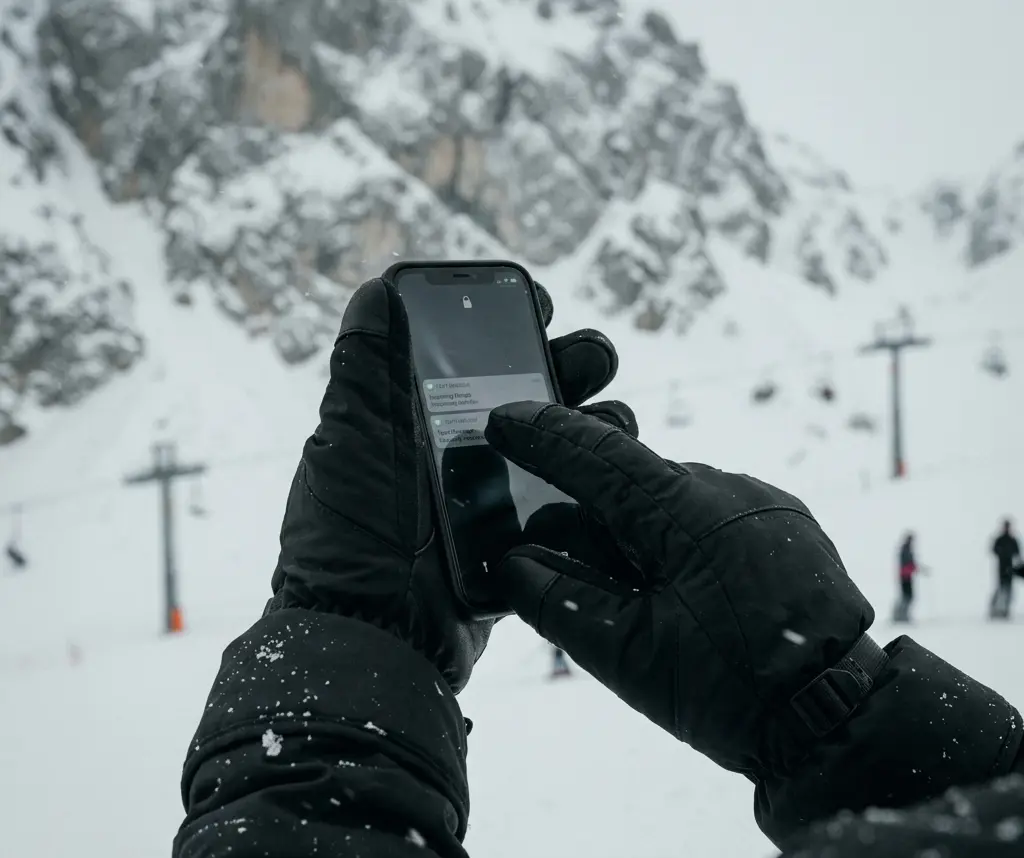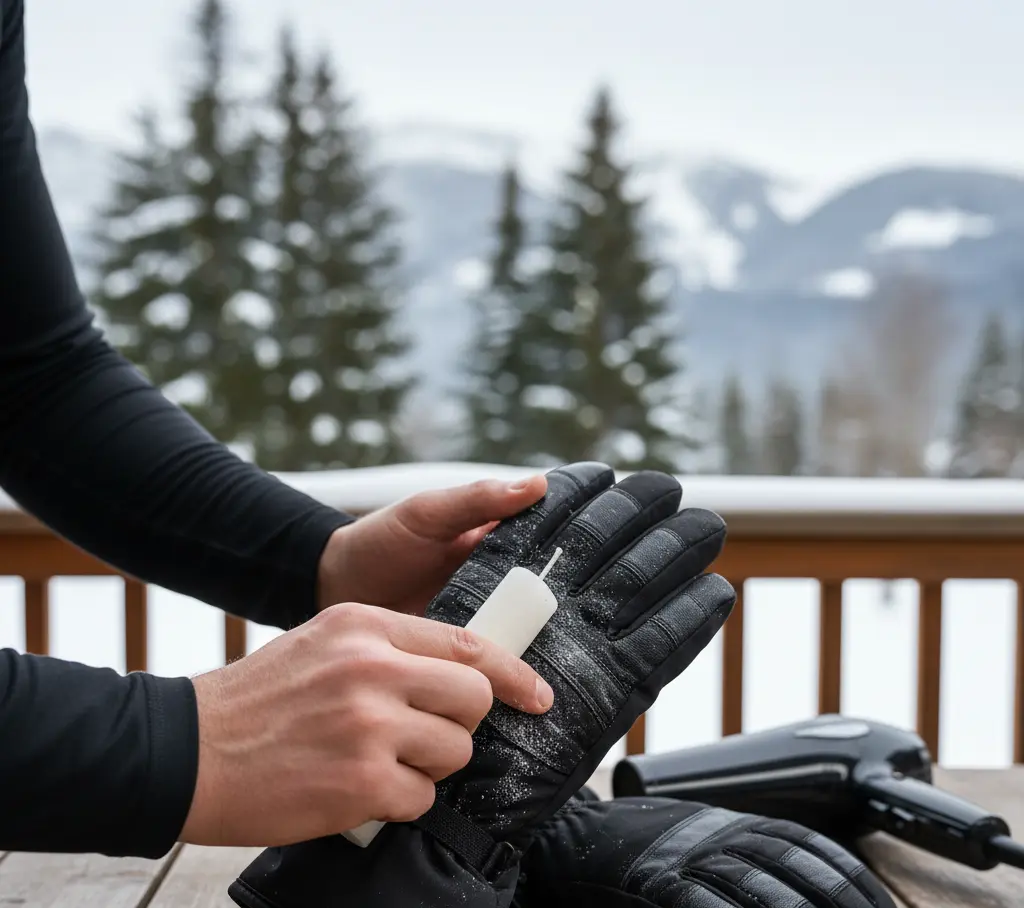
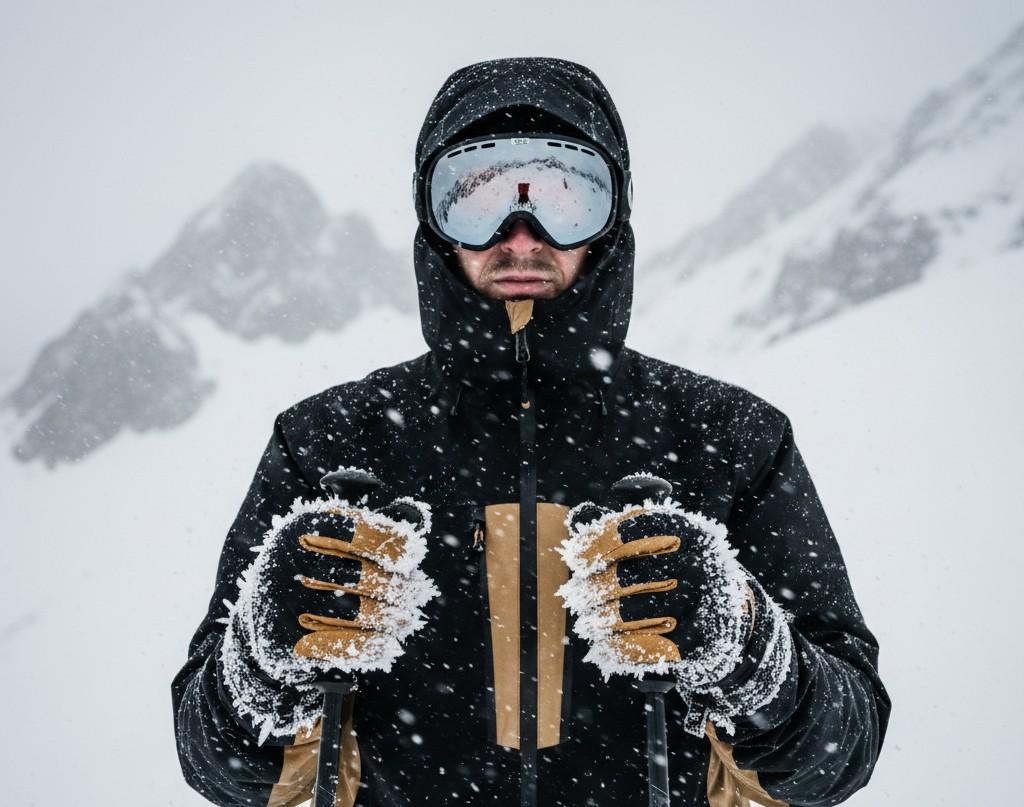
Early in the season, ski gloves usually feel fine. Soft palms, flexible fingers, no real issues. Then a few icy days show up. You grip poles harder, scrape ice off bindings, sit through long cold lift rides — and suddenly the gloves feel different. The palms get stiff. The fabric turns rough. Seams start looking stressed even though the gloves aren’t that old.
What surprises many skiers is that snow and ice don’t just make gloves wet. They slowly break materials down. How snow and ice damage ski gloves comes down to repetition — freezing, thawing, moisture soaking in, then freezing again. Add friction from poles, sharp ice, and packed snow, and materials begin to harden, crack, or wear faster than expected.
This doesn’t always mean the gloves are bad. Some wear is normal. But a lot of damage happens faster because of things skiers do without realizing it.
I’ll explain why this happens in real skiing conditions, what kind of wear is expected, and what habits quietly shorten the life of otherwise good gloves.
Why Snow and Ice Damage Gloves Faster in Real Ski Conditions
Most glove damage doesn’t happen during big crashes or extreme cold. It builds slowly over normal ski days. Wet snow, cold wind, and repeated lift rides create small stresses that add up. And the gloves usually look fine until the materials suddenly feel tired.
From my experience, gloves age faster on icy weeks than during deep powder cycles. Powder is cold but dry. Ice means moisture, pressure, and freezing happening again and again. That cycle is what quietly wears gloves down.
Freeze–Thaw Cycles Change Materials
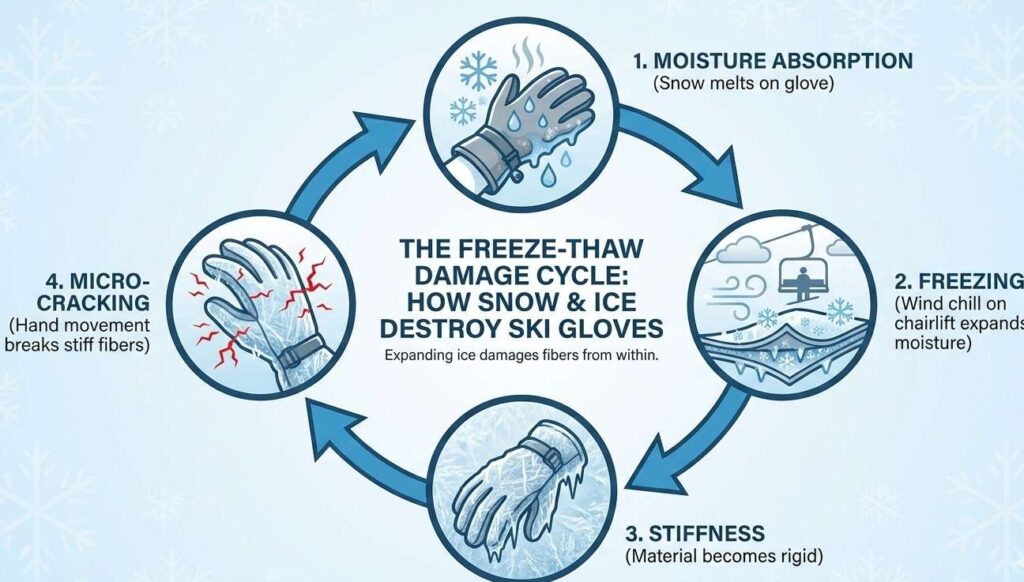
Snow gets into gloves more than people think. Not always through leaks — sometimes just from handling skis, brushing snow off boots, or adjusting bindings with wet hands. The outer material absorbs small amounts of moisture even when the membrane is working properly.
Then you sit on a chairlift. Wind hits the gloves, temperature drops, and that moisture freezes. The glove that felt soft at the bottom suddenly feels stiff at the top. Most skiers notice this but don’t connect it to long-term damage.
When materials freeze, they lose flexibility. Leather tightens. Synthetic fabrics become rigid. Insulation compresses. If this happens once, it’s not a problem. But skiing means repeating this cycle dozens of times in a single day.
Over time, fibers weaken because they are forced to bend while stiff. Small creases form in the palm where you grip poles. Seams take more stress because the fabric can’t flex naturally. Leather slowly loses its oils and starts feeling dry or slightly rough.
I’ve tested this with two similar pairs in the same season — one used mostly on cold powder days, the other during icy early-season conditions. The icy-day pair felt older within weeks. Not destroyed, just less supple and harder to warm up. That’s a common pattern instructors and patrollers notice too.
This is why gloves often feel fine in December and suddenly feel worn after a stretch of hard, icy days. The damage isn’t from one moment. It’s the repeated freezing and thawing that slowly changes how the materials behave.
Ice Creates Abrasion, Not Just Cold
The cold itself rarely ruins ski gloves. The bigger problem is abrasion. Ice changes how surfaces interact with your gloves, and the damage often happens during normal skiing, not crashes or falls.
How Ice Crystals Wear Down Glove Materials
Ice crystals are hard and sharp. When snow gets packed by skis, boots, or grooming machines, it loses softness. The surface becomes dense, almost gritty. In simple terms, snow compresses, turns into ice, and friction increases.
You see this most when clearing bindings, scraping ice off boots, or brushing frozen snow from skis. These small movements rub the same areas again and again. Over time, the material starts to feel rough or thin.
From my experience, the palm and thumb wear first. That’s where pole grips sit and where pressure concentrates. Add icy pole handles or frozen lift bars, and those spots take constant friction throughout the day.
I noticed this during a season with long cold mornings and refrozen snow. Gloves that stayed soft during powder days developed visible wear on the palm after only a few icy sessions. Not a defect — just abrasion happening faster than expected.
Professionally, this lines up with how materials behave. Leather dries faster when rubbed against ice. Synthetic palms lose their surface coating first. The glove still works, but grip feels different and the material stops feeling smooth.
A simple habit helps here. Using a pole tip to clear ice instead of scraping with your glove reduces a surprising amount of wear. Most skiers don’t think about this, but small actions repeated all day are what shorten glove life.
Where Snow and Ice Cause Damage First
Gloves rarely fail everywhere at once. Damage usually starts in specific zones where snow, ice, and pressure meet again and again. When you understand where wear begins, it becomes easier to tell what is normal aging and what is preventable.
From years of skiing and checking gloves at the end of long days, the same pattern shows up. The areas that touch equipment the most wear first. Not because the gloves are weak, but because those spots handle moisture and friction at the same time.
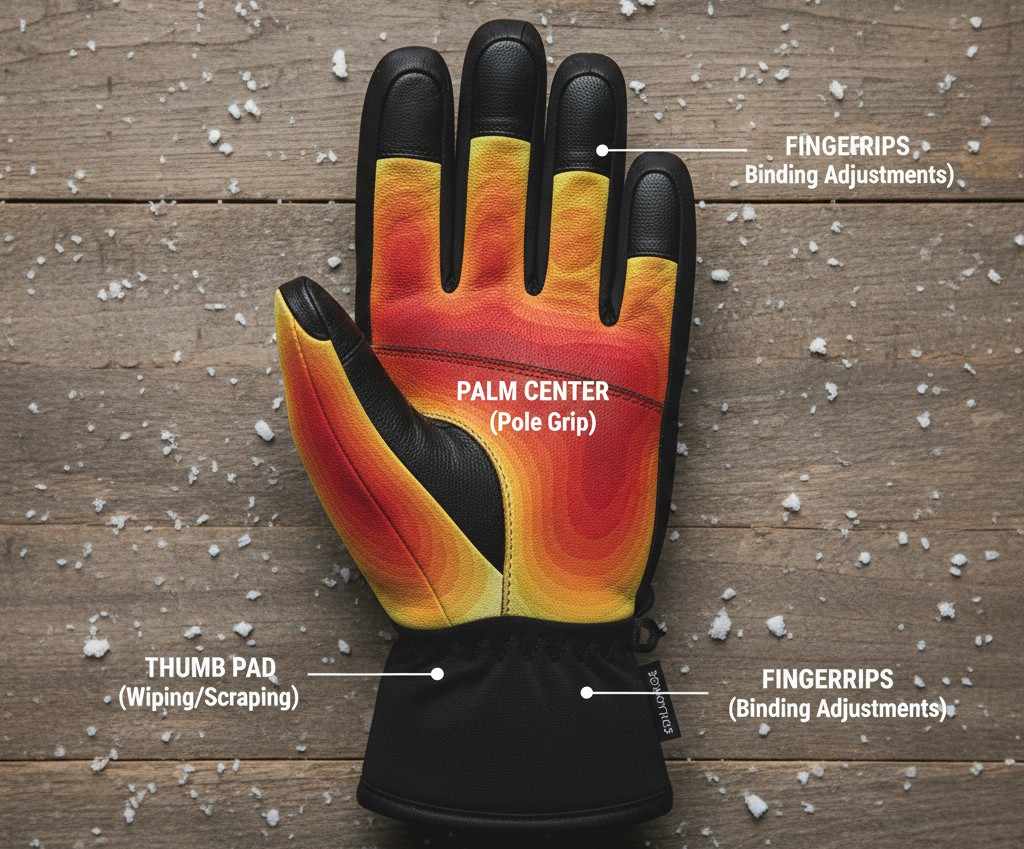
Palm Area — Constant Contact Zone
The palm takes the most abuse on any ski glove. Every pole plant, every lift ride, every time you push yourself up from hard snow puts pressure there. When gloves get wet, this pressure increases friction instead of reducing it.
Wet materials grip harder. That sounds helpful, but it also means the palm surface rubs more against pole grips and lift bars. If the glove freezes afterward, the material stiffens and small surface cracks can begin, especially with leather.
From my experience, palms almost never fail just from age. They fail from the combination of moisture and friction. I’ve seen gloves that looked new on the back of the hand but worn smooth on the palm after one icy season.
Leather palms need time to dry between ski days. When they stay damp and keep freezing, natural oils slowly disappear and the leather starts feeling dry or slightly brittle. Synthetic palms don’t crack the same way, but their outer layer wears thin faster.
Pro tip: Avoid brushing ice off skis or boots with your palm. Use a pole tip instead. It sounds minor, but this single habit reduces abrasion more than most people expect.
Another simple fix is loosening your pole grip slightly on lift rides. Many skiers keep gripping tightly while sitting, which keeps pressure on one spot while the glove is cold and stiff.
Normal wear in the palm looks smooth and slightly faded. Deep cracking, peeling, or fast thinning in one season usually means the gloves stayed wet too often or were used for scraping ice regularly.
Thumb Area — Ice and Adjustment Damage
The thumb is one of the busiest parts of a ski glove, and it wears out faster than most people expect. It handles small jobs all day — pulling zippers, adjusting goggles, clearing snow from bindings, wiping lenses. None of this feels hard on gloves, but the repetition matters.
Snow often melts into the thumb seams because this area bends constantly. Moisture collects where stitching meets fabric or leather. When temperatures drop again on the lift, that moisture freezes and expands slightly inside the seams.
Over time, this freeze–thaw pressure weakens stitching. That’s why thumb seams often open before the rest of the glove shows serious wear. From what I’ve seen, skiers assume it’s poor construction, but it’s usually stress from constant movement plus trapped moisture.
I noticed this clearly while skiing icy mornings where gloves never fully dried between runs. The thumb area stiffened first, especially near the seam line. Powder days rarely caused the same issue because less scraping and adjustment was needed.
Pro tip: After clearing bindings or handling wet snow, knock excess snow off the thumb instead of letting it melt in. Small habit, but it reduces moisture sitting directly on seam lines.
Another simple fix is avoiding using the thumb to scrape ice. Pole tips or ski edges do the job better and save the stitching from unnecessary stress.
Normal wear here looks like slight loosening of threads over time. Rapid seam opening in one season usually means repeated freezing while the glove stays wet.
Cuffs and Wrist Area — Packed Snow Problem
The cuff area is often ignored because it doesn’t touch poles or skis much. But this is where moisture stays the longest. Snow enters during falls, deep powder skiing, or even when adjusting boots with gloves on.
Packed snow inside cuffs melts slowly because body heat warms this area first. The outer fabric stays cold while the inside becomes damp. That moisture can sit there for hours, especially on long lift rides.
Lift bars make this worse. Wet cuffs get compressed again and again while sitting on the chair. The fabric bends while cold and damp, which slowly weakens structure around the wrist and closure area.
From my experience, gloves that feel cold around the wrist late in the day often have hidden moisture trapped there. Skiers blame insulation, but the real issue is lingering wetness.
Pro tip: Shake snow out of cuffs before getting on the lift. It takes two seconds and prevents moisture from staying trapped. Opening cuffs slightly during breaks also helps steam escape instead of freezing inside.
Wear in this area is usually subtle at first — softer fabric, slower drying, or reduced warmth. It’s easy to overlook, but over time it shortens the overall life of the glove more than people realize.
Material Behavior in Snow and Ice (Realistic, No Hype)
Not all glove materials react the same way to snow and ice. Some handle friction better. Others deal with moisture better. Most problems skiers see come from misunderstanding what a material is actually designed to handle.
From my experience, gloves rarely fail because the material is bad. They fail because conditions push the material outside its comfort zone — wet snow, freezing wind, and repeated use without enough drying time.
| Material | How It Reacts to Ice | Main Failure Mode | Prevention |
| Leather | Stiffens & loses oils | Cracking / Drying out | Room temp drying + Leather Balm |
| Synthetic | Fibers compress | Outer layer thinning | Shake snow off immediately |
| Membrane (Gore-Tex) | Stays waterproof | Breathability drops (pores freeze) | Keep outer fabric clean (DWR) |
Understanding this helps set realistic expectations. Outer wear is normal over time, even in high-quality gloves. The goal is not to stop wear completely, but to slow it down by matching material choice with how and where you ski.
Prevention Steps That Actually Work on the Mountain
Damage from snow and ice doesn’t have to shorten glove life if you handle them right. Most prevention steps are simple habits, not buying expensive gear. Small daily routines make a big difference.
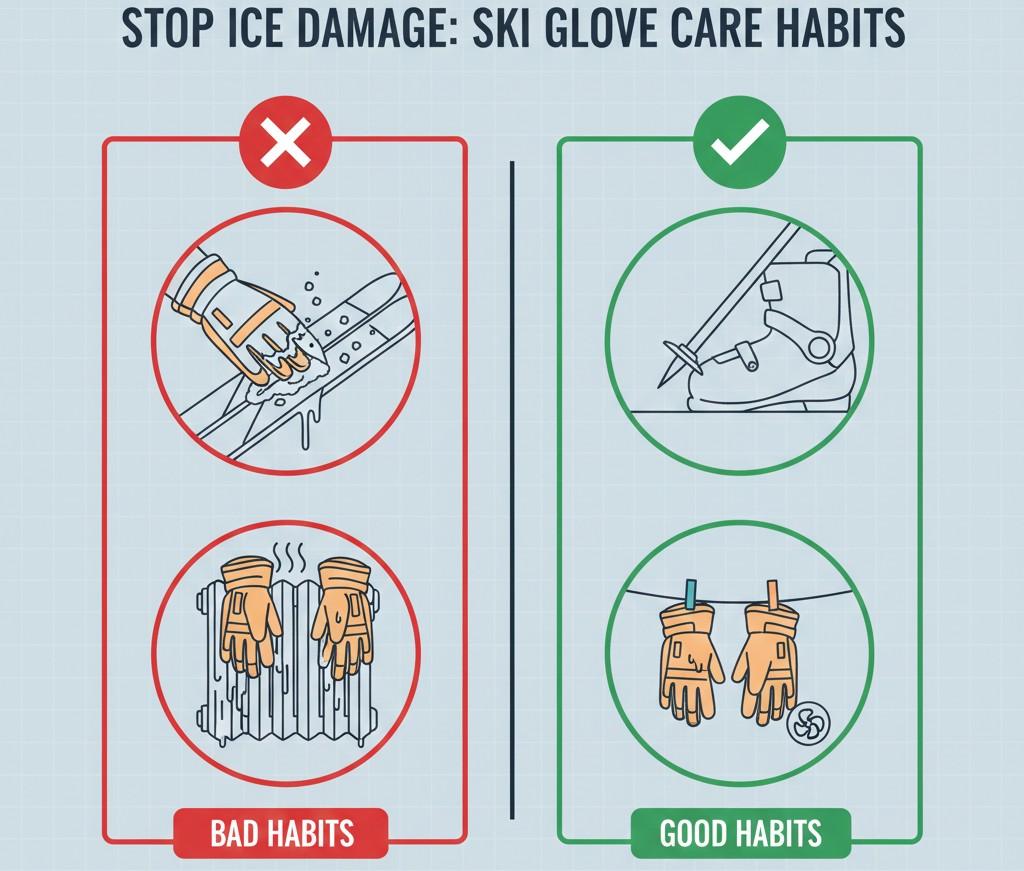
Shake Snow Off Before Lift Rides
Even light snow sitting on gloves freezes quickly on cold lifts. From my experience, shaking gloves before getting on the lift keeps the outer material flexible. It prevents stiff palms and frozen cuffs, which are the start of abrasion and freeze–thaw damage.
Avoid Scraping Ice With Gloves
Using your palm or fingers to scrape ice feels natural but wears material fast. Pole tips or ski edges work much better. I’ve noticed gloves last noticeably longer when skiers stop scraping with their hands. Palm abrasion slows, seams hold up better, and leather oils last longer.
Dry Gloves Fully Overnight
Always dry gloves fully between ski days. Leave cuffs open, do not stuff them in a bag. Leather and synthetic fibers recover slowly, and trapped moisture accelerates stiffness and cracks. Room temperature drying preserves flexibility and prolongs lifespan.
Rotate Gloves During Heavy Snow
If you have two pairs, rotate them. Continuous use during wet or icy days compounds wear. My field observation: skiers who rotate gloves see less early abrasion on palms and thumbs than those who stick to one pair.
Open Cuffs While Drying
Opening cuffs allows trapped moisture to escape instead of freezing inside. It keeps seams and insulation from compressing in wet cold. Ski instructors often recommend this simple step to maintain warmth and glove structure.
What Does NOT Help
Quickly placing gloves on heaters or radiators dries the surface fast but can shrink leather and damage insulation. Compressed gloves in bags or backpacks trap moisture and keep fibers under pressure — this accelerates aging.
Following these realistic steps makes gloves last longer in snow and ice. Habits matter more than material alone, and small daily actions prevent most common wear problems.
Common Mistakes Skiers Make
Even experienced skiers often unknowingly speed up glove wear. Observing these patterns helps prevent damage before it becomes serious.
Leaving Wet Gloves in Cold Cars
Gloves left damp in cars overnight freeze slowly and stay wet for hours. Leather loses oils, and synthetic fibers compress. I’ve seen gloves feel stiff first thing in the morning simply because they weren’t dried properly after the last day.
Drying on Heaters
Placing gloves directly on radiators or near heaters dries the surface fast but stresses seams and leather. Insulation can shrink, making gloves feel tighter and less flexible. Room-temperature drying preserves material longer.
Ignoring Early Stiffness Signs
When gloves feel tight or rough early in the day, it’s a warning of freeze–thaw stress. Skiers who ignore it often see palms or thumbs degrade faster. A quick check and extra drying can save a season of wear.
Expecting Waterproofing to Prevent Abrasion
Waterproof membranes like Gore-Tex keep hands dry but do not stop friction damage. Gloves can remain waterproof while leather cracks or fabric fibers wear thin. Understanding this prevents disappointment and sets realistic care expectations.
By noticing these mistakes and making small changes, skiers can extend glove life significantly. Observation and timely action matter more than fancy materials alone.
When Snow and Ice Damage Becomes a Real Problem
Gloves don’t always fail quietly. Certain signs show that wear has moved beyond normal aging and could affect performance and comfort. Recognizing these signals early keeps skiing safe and enjoyable.
Insulation Exposure
When the inner insulation becomes visible, it’s a sign the outer layer has worn down. From my experience, this usually happens after repeated icy conditions combined with wet gloves not drying fully. Exposed insulation means the glove is less effective at keeping hands warm.
Cold Spots in Palms
Palms are the first area to lose heat when moisture seeps in or leather stiffens. I’ve noticed even high-quality gloves develop cold patches mid-run if they were frozen the night before. This is a warning that material integrity is compromised.
Loss of Grip on Poles
Grip loss often indicates friction damage on palms or thumb areas. When gloves are stiff or cracked, poles feel slippery. I’ve tested this in real conditions — gloves that look fine externally can still reduce control because micro-abrasion has worn the surface.
Wetness Reaching Inner Liner
If inner liners feel damp, even briefly, it shows membranes or outer layers are no longer fully protective. Repeated exposure like this accelerates both synthetic fiber breakdown and leather drying. Skiers often overlook it until comfort drops significantly.
Noticing these signs early allows for corrective action — proper drying, rotating gloves, or minor repair — before damage affects skiing ability. It’s about understanding real wear patterns, not fear.
FAQs – How Snow and Ice Damage Ski Gloves
Skiers often have the same practical questions when they notice gloves wearing out faster than expected. Here are five real questions and clear, experience-backed answers:
1. Why do my gloves feel stiff even when they look dry?
Moisture trapped in leather or synthetic fibers can freeze overnight or on cold lifts. Even if the surface looks dry, inner layers are rigid. From my experience, gently shaking and fully drying gloves restores flexibility and prevents micro-cracks.
2. Can waterproof membranes like Gore-Tex stop glove wear from snow and ice?
Waterproof membranes keep hands dry but do not prevent abrasion or freeze–thaw damage on outer materials. I’ve tested gloves in icy conditions — palms and thumbs still show wear while hands remain dry.
3. Why do thumb seams open before the rest of the glove wears out?
Thumbs get constant use for zippers, goggles, and bindings. Moisture can freeze inside stitching, expanding seams. Observing gloves in the field, this is almost always a combination of wet snow and repeated friction.
4. How can I tell when damage is normal vs a real problem?
Normal wear is minor fraying or light stiffness. Real damage shows insulation exposure, cold spots on palms, loss of grip, or damp liners. Checking gloves before each run helps catch problems early without risking performance.
5. What daily habits prevent gloves from wearing too fast on icy days?
Shake off snow before lift rides, avoid scraping ice with hands, dry gloves fully at room temperature, and rotate pairs if possible. These simple steps reduce friction, prevent freeze–thaw stress, and prolong lifespan.
These questions reflect what skiers experience on the mountain. Clear observation, realistic care, and attention to specific wear areas are what actually make gloves last longer.
Final Takeaway
Snow and ice damage ski gloves through a mix of friction, freeze–thaw cycles, and trapped moisture — not just from getting wet.
Most wear happens in predictable areas like palms, thumbs, and cuffs. Some level of damage is normal with real skiing, especially after icy or wet days.
Understanding why gloves age helps you prevent frustration and extend their life far more than constantly buying new pairs. Small habits — proper drying, shaking off snow, and careful use — make a real difference.
For practical tips on keeping snow from sneaking inside your gloves and adding another layer of protection, you should check our post on how to stop snow from entering ski gloves.
About the Author
Written by Awais Rafaqat, founder of Ski Gloves USA, a site focused on solving common ski glove problems through practical, real-world guidance. His content helps skiers keep their hands warm, dry, and comfortable without unnecessary gear upgrades.