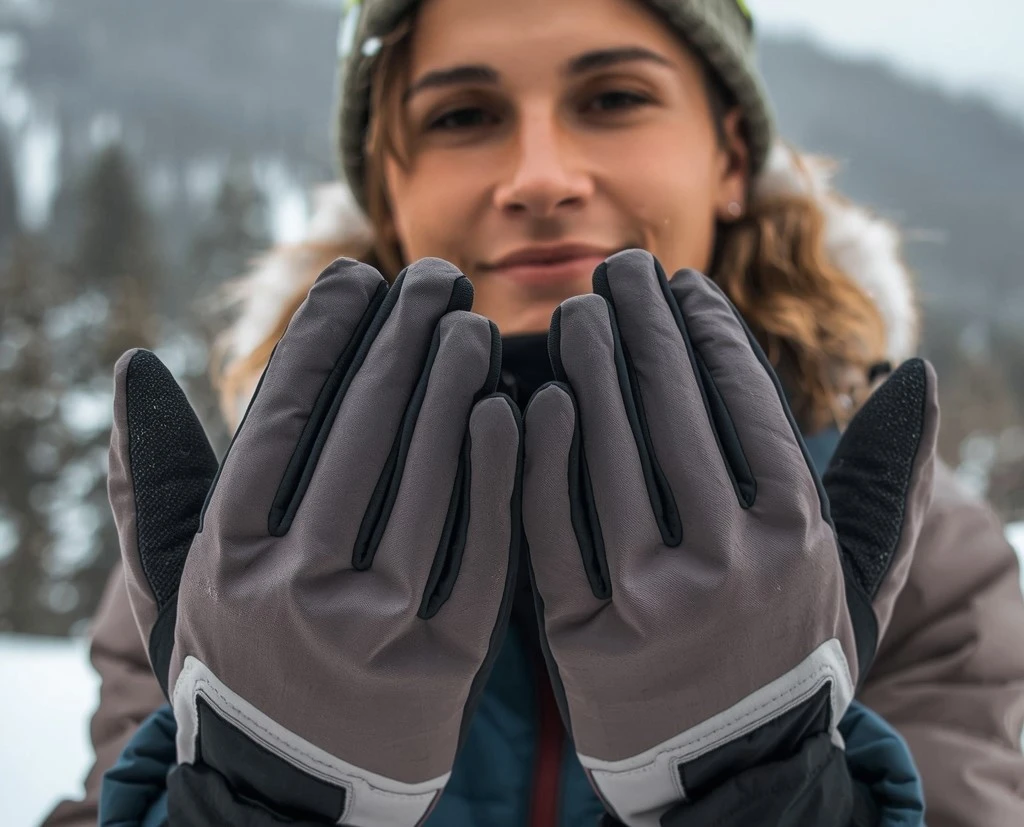
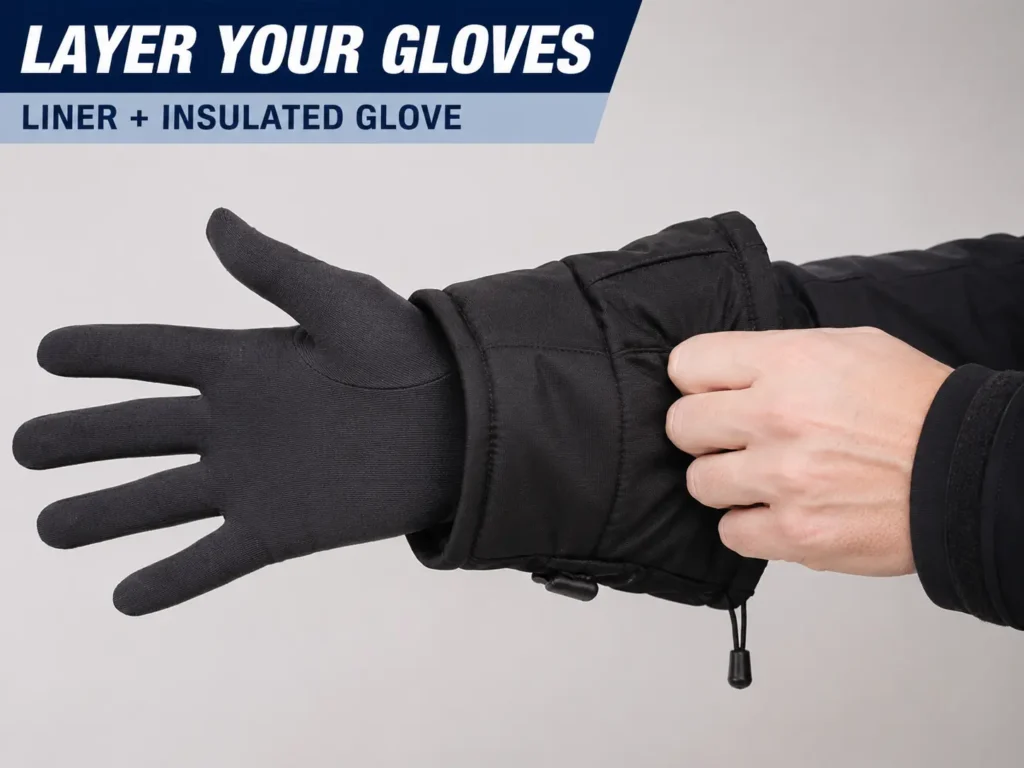
Quick answer: Most layering problems come down to one of three mistakes: no liner at all, a liner made of the wrong material, or an outer glove sized without the liner in place. Each one has a specific fix. A thin merino or synthetic liner under a correctly sized insulated outer glove covers most resort conditions — a third layer is only worth adding below about -15°C with real wind. If you’re not sure your current setup fits that description, the ski glove finder can help you check.
Cold hands on the mountain get blamed on cheap gloves more often than they should. In a lot of cases, the gloves are fine. The problem is how they’re being layered, or whether they’re being layered correctly at all.
This isn’t about piling on more material. It’s about getting the order, the material, and the fit right, in that sequence. Get those three things wrong and adding a liner can genuinely leave you colder than skiing without one.
- The Liner's Only Real Job
- Why Cotton Works Against You Specifically
- Merino or Synthetic: Which One Fits Your Day
- Sizing the Outer Glove Around the Liner
- Checking Fit at the Fingertips Specifically
- Test the Full System Before You're On the Mountain
- The Two-Hour Check
- Two Layers vs. Three — Where the Line Actually Sits
- When a Third Layer Backfires
- Common Mistakes
- Liner Material Comparison
- Matching Your Conditions
- Decision Checklist
- When Layering Isn't the Right Fix
- A Simple Way to Think About the Whole System
- Frequently Asked Questions
The Liner’s Only Real Job
A liner doesn’t add much warmth on its own. Its job is narrower and more specific: keep the moisture from your own sweat away from the insulation in your outer glove.
Insulation works by trapping still air. Once sweat reaches that layer, it starts replacing the air with water, and water carries heat away far faster than air does. A liner intercepts that moisture before it gets that far.
This matters because people often add a liner expecting a direct warmth boost, and get confused when a bad liner leaves them colder instead. The liner isn’t heating your hand. It’s protecting the layer that actually does.
Why Cotton Works Against You Specifically
Cotton is the one liner material worth ruling out completely. It absorbs moisture readily and holds onto it, right against your skin, instead of moving it away.
This is a well-documented risk in cold-weather activity generally, not just skiing. As NOLS notes in its cold-weather safety guidance, wet clothing next to skin is a real driver of heat loss in cold conditions, and cotton is specifically flagged as the material least suited to staying functional once damp.
A cotton liner can feel fine for the first stretch of a ski day. Once it saturates with sweat, it stops managing moisture and starts actively pulling heat away from your skin instead, since wet fabric conducts heat much faster than dry fabric does.
Merino or Synthetic: Which One Fits Your Day
Merino wool and synthetic liners both solve the moisture problem cotton doesn’t, but they do it differently and they’re not interchangeable for every situation.
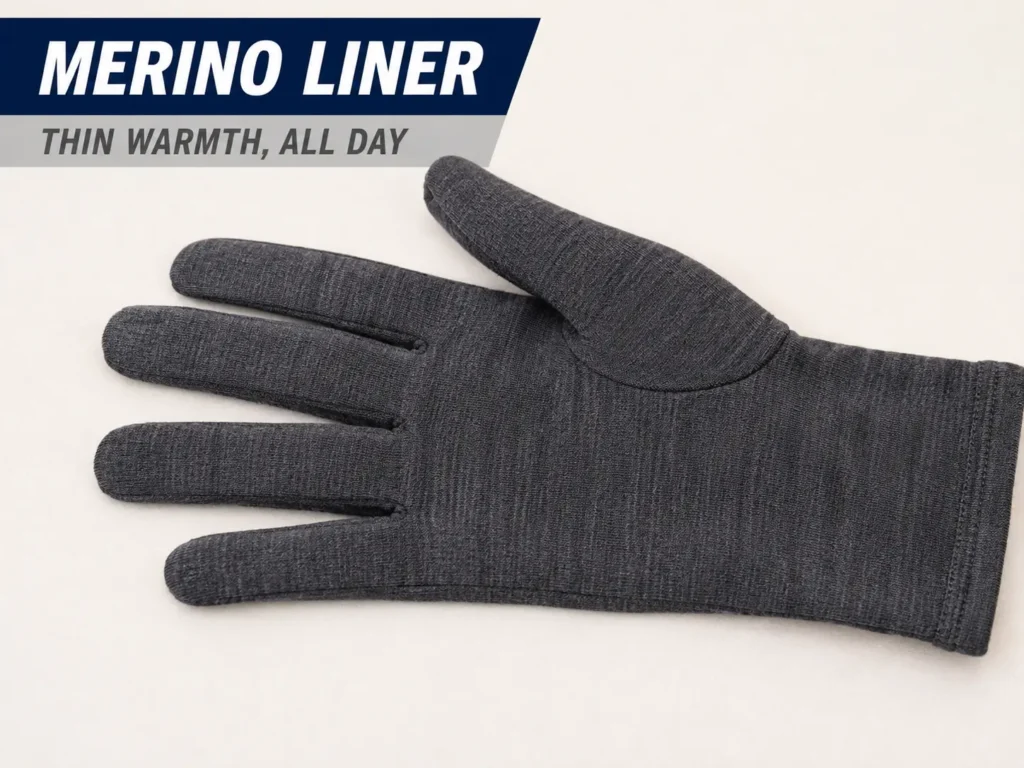
Merino fiber has a real, measurable capacity here. As Woolmark explains, merino can absorb close to a third of its own weight in moisture without feeling wet against the skin, which is why it holds up well across a full, long ski day even at a high sweat rate.
Synthetic liners work through a different mechanism — wicking moisture along the fiber surface toward the outside, where it evaporates. They dry faster between uses, which matters on multi-day trips, but they can get overwhelmed faster than merino during long, high-output sessions.
Fleece deserves a specific note here. It feels warm initially, but it holds moisture at the skin rather than moving it away, which makes it a poor choice for active skiing even though it’s a reasonable choice for standing still in the cold, like coaching or photography.
Silk and other niche liner materials exist too, mostly for tight-fit situations where bulk matters more than warmth. For the full comparison across every liner material, including where each one specifically breaks down, the liner guide covers that in more depth than fits here.
Sizing the Outer Glove Around the Liner
This is the mistake that undoes the other two, even when the liner material is right. An outer glove that fits well without a liner will almost always be too tight once one is added.
That tightness compresses the insulation in the outer glove, and compressed insulation loses much of its ability to trap air. The liner is trying to add protection from one direction while the tight fit removes it from another, and the two effects can roughly cancel out.
The fix is straightforward, if not always what people expect. Buy or size the outer glove with the liner already on, not without it. If your current outer glove is too tight once a liner goes in, sizing up the outer glove is the real fix — not switching to a thinner liner just to make the current one fit.
This also applies to gloves you already own. If a glove fit perfectly last season without a liner and now feels tight with one, that’s not a sign the glove has shrunk or that something’s wrong with it. It simply wasn’t sized with this configuration in mind, and the fix is the same either way — go up a size in the outer glove rather than compromising on liner material.
For a deeper look at exactly why compression matters this much for insulation performance, the insulation guide covers the physics behind it in more depth than fits here.
Checking Fit at the Fingertips Specifically
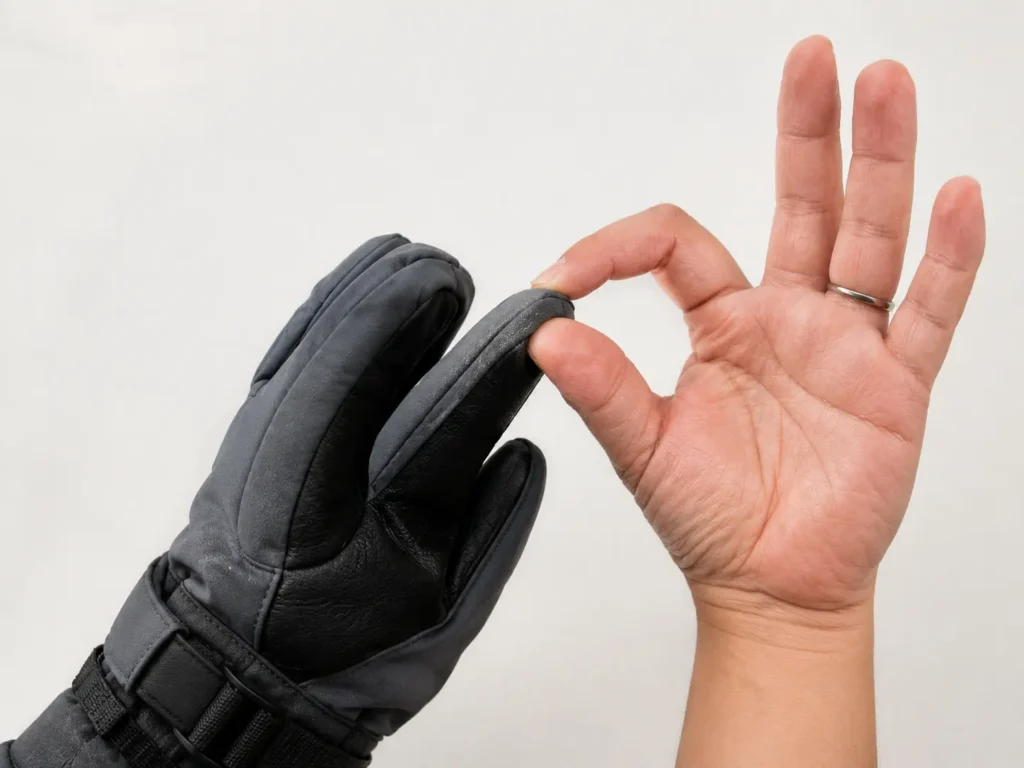
Fingertips deserve more attention than the rest of the hand when checking layered fit, because they’re already the coldest part of any glove even without a liner added.
Press each fingertip gently from the outside while wearing both layers. You’re checking for hard resistance or a sense of the liner bunching up inside — either one means the fit is too tight for this liner thickness in that specific zone, even if the rest of the glove feels fine.
A liner that’s slightly too thick for a given outer glove’s finger tubes will show up here first, well before it shows up anywhere else on the hand.
Test the Full System Before You’re On the Mountain
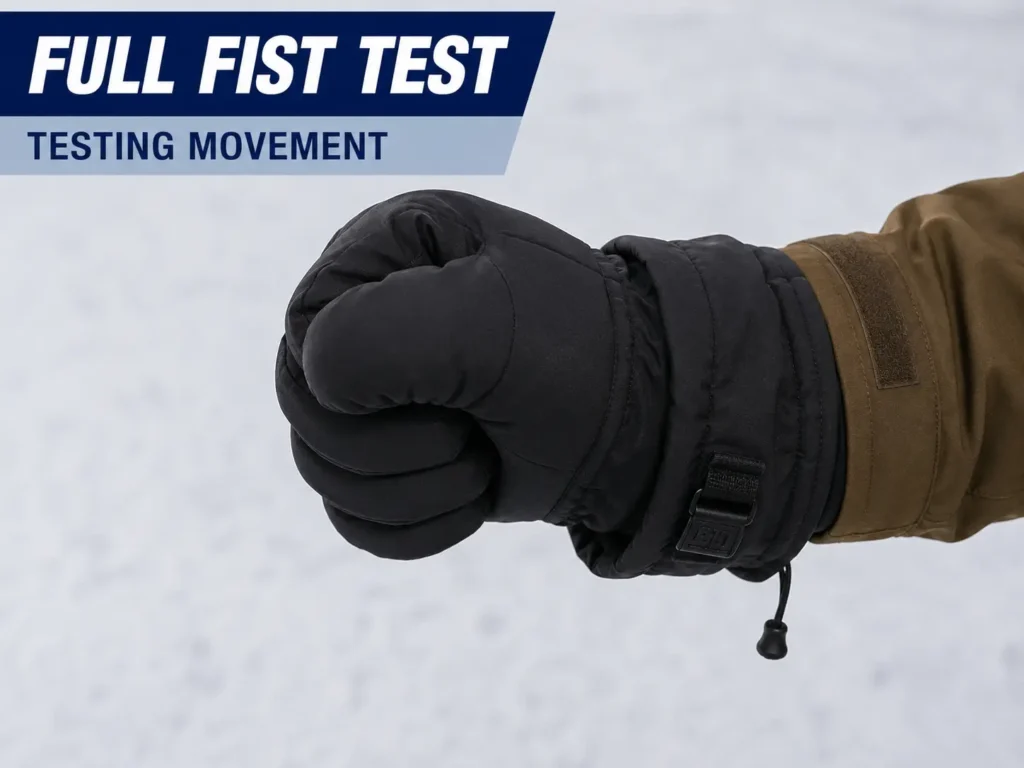
Put both layers on at home and actually move your hands through the motions you’ll need on the mountain. Make a full fist. Pick up something small. Work a zipper.
The layered system should feel close to how the outer glove alone feels. Any specific spot where the liner bunches or binds will only get worse over a full day of use, and it’s much easier to notice and fix sitting on your couch than on a chairlift.
The Two-Hour Check
Moisture problems in a layering system usually show up gradually, which makes them hard to notice until they’re already a problem. A simple mid-day check catches this early.
At a lodge break, take both layers off and press a dry cloth firmly against the inside of the outer glove. Any dampness picked up means moisture got through — either the liner material is wrong, it’s reached its saturation point, or a tight fit is preventing it from wicking properly in the first place.
Catching this at the two-hour mark gives you the chance to adjust before an entire afternoon session is affected, rather than only realizing something was wrong once you’re already home.
Two Layers vs. Three — Where the Line Actually Sits
The underlying reason layering works at all comes down to trapped, still air. As course materials from layering research at Frostburg State explain, each additional air-trapping layer adds its own barrier to heat loss — which is the same principle behind why a liner plus an outer glove outperforms one thick glove alone.
For most resort skiing, from mild days down to around -15°C in moderate wind, two layers — a liner plus an insulated, correctly sized outer glove — covers the range most skiers actually encounter. A third layer isn’t usually needed above that threshold.
Below roughly -15°C with real, sustained wind, a third layer starts to earn its place. This isn’t about adding more insulation directly — it’s an over-mitt or shell layer that blocks wind from reaching the outer glove’s surface, which matters because wind can carry cold air into even a well-built glove’s shell fabric under sustained exposure.
When a Third Layer Backfires
Adding an over-mitt in conditions that don’t call for one has a real cost: dexterity. Gripping poles, working zippers, and adjusting bindings all get noticeably harder with a bulky third layer on top of an already-insulated glove.
This is a common overcorrection, especially among newer skiers who add a layer to feel safer rather than because the actual conditions call for it. In mild-to-moderate cold, the extra bulk trades away real function for warmth you don’t need yet.
A third layer also doesn’t fix a moisture problem. If hands are cold because sweat is reaching the outer glove’s insulation, adding an over-mitt on top doesn’t address that — it just adds bulk on top of an existing, unresolved issue.
Common Mistakes
Using a cotton liner because it’s what’s on hand
It works against you specifically in cold, active conditions — see the section above. Merino or a real synthetic liner material is worth the small extra cost.
Buying an outer glove without trying it on with the liner
This is the single most common layering mistake. Always try the combination together before buying either piece separately.
Adding a third layer to solve a moisture problem
If the real issue is dampness reaching the insulation, more layers on top doesn’t fix it — correcting the liner material or the fit does.
Wearing a liner in warm spring conditions
Above freezing, the main challenge is managing your own body heat during active skiing, not adding insulation. A liner in that setting traps heat you need to release and can leave a glove feeling damper by the end of the day than going without one.
Liner Material Comparison
| Liner Material | Where It Performs Well | Where It Falls Short |
| Merino wool | Long, high-sweat days; stays functional even when damp | Slower to dry between sessions than synthetic |
| Thin synthetic | Fast drying, good for multi-day trips | Can get overwhelmed at very high sweat rates on long days |
| Fleece | Best for standing still in cold (coaching, lift work) | Holds moisture at skin during active skiing |
| Cotton | Not recommended for active cold-weather use in any form | Absorbs and holds moisture against skin, accelerating heat loss once damp |
Matching Your Conditions
| Your Conditions | Layering Setup |
| Spring skiing, above freezing | No liner, or a very thin synthetic only |
| Typical resort skiing, moderate cold | Thin liner plus correctly sized insulated outer glove |
| Exposed chairlifts with real wind, colder days | Two layers, with a heavier-rated outer glove if two layers alone fall short |
| Below roughly -15°C with sustained wind | Liner, insulated outer glove, and an over-mitt or shell layer |
| Backcountry touring, high aerobic output | Thin, breathable liner; carry a warmer outer glove for the descent |
Decision Checklist
| Situation | What To Do |
| Currently wearing no liner at all | Add a thin merino or synthetic liner, sized with room in the outer glove |
| Using a cotton liner | Replace it — this is a real risk factor, not just a comfort issue |
| Outer glove feels tight with a liner in | Size up the outer glove rather than switching to a thinner liner |
| Cold specifically at the fingertips | Check finger-tube compression first before assuming more insulation is needed |
| Layering system feels damp by afternoon | Run the two-hour check — likely a liner material or fit issue |
| Considering a third layer | Confirm you’re actually below about -15°C with wind first — otherwise it likely isn’t needed yet |
When Layering Isn’t the Right Fix
If hands are cold because the outer glove’s waterproofing has failed, a liner won’t solve that. A liner manages moisture coming from your own hand — it does nothing about water getting in from outside through a worn shell or failed coating. That’s a waterproofing problem, not a layering one.
Cold hands during active skiing, specifically, rather than at rest on a chairlift, can also point away from layering entirely. A tight jacket sleeve restricting circulation at the wrist, or a glove that’s simply too tight overall, produces the same symptom a layering problem would, and adding a liner in that situation just adds more bulk to an already-restrictive fit.
Getting the layering system right solves a specific, common problem — but it’s worth ruling out these other causes first if a liner and correct sizing don’t fully fix things.
A Simple Way to Think About the Whole System
If there’s one thing worth remembering from all of this, it’s that layering is a system with a division of labor, not a pile of extra warmth. The liner’s job is moisture. The outer glove’s job is insulation. Sizing is what lets both of those jobs actually happen.
Skip any one part of that division, and the whole system underperforms even if the other two pieces are done right. A great liner in a too-tight outer glove fails. A well-sized outer glove with a cotton liner fails differently, but it still fails. All three pieces have to work together, not just be present.
Once that clicks, most of the specific advice above stops feeling like a list of rules and starts feeling like the same idea applied a few different ways — protect the moisture-sensitive part, don’t compress the air-trapping part, and only add bulk when the conditions genuinely call for it.
Frequently Asked Questions
Does adding a liner always make my hands warmer?
Not automatically. A liner only helps if the material manages moisture correctly and the outer glove is sized to fit around it. Get either one wrong, and a liner can leave hands colder than no liner at all.
How do I know if my outer glove is too tight for a liner?
Put both layers on and make a full fist. If you feel real resistance, or if fingertips feel pressed tight against the glove’s interior, the outer glove needs to be sized up rather than the liner switched out.
Is three layers ever better than two, even in mild cold?
Generally no. A third layer adds real dexterity cost and isn’t needed until conditions get genuinely extreme — roughly below -15°C with sustained wind. In milder cold, it’s more likely to get in the way than help.
Why does my liner feel damp even though it’s not raining or snowing?
That’s almost certainly your own sweat. Hands sweat during activity even in cold conditions, and if the liner material or fit isn’t managing that moisture well, it builds up gradually over the day.
Can I use the same liner for skiing and other winter activities?
Often yes, as long as the material is merino or synthetic rather than cotton. Just make sure whatever outer glove or mitten you pair it with is sized to fit correctly with that liner in place.