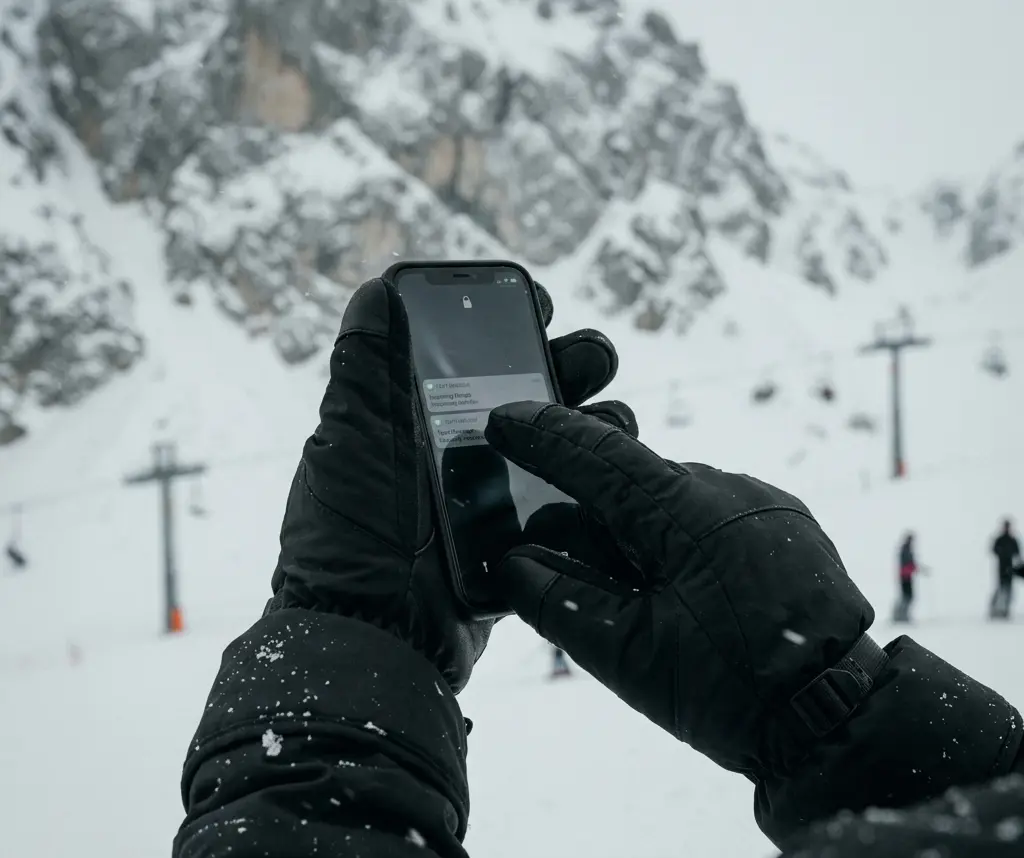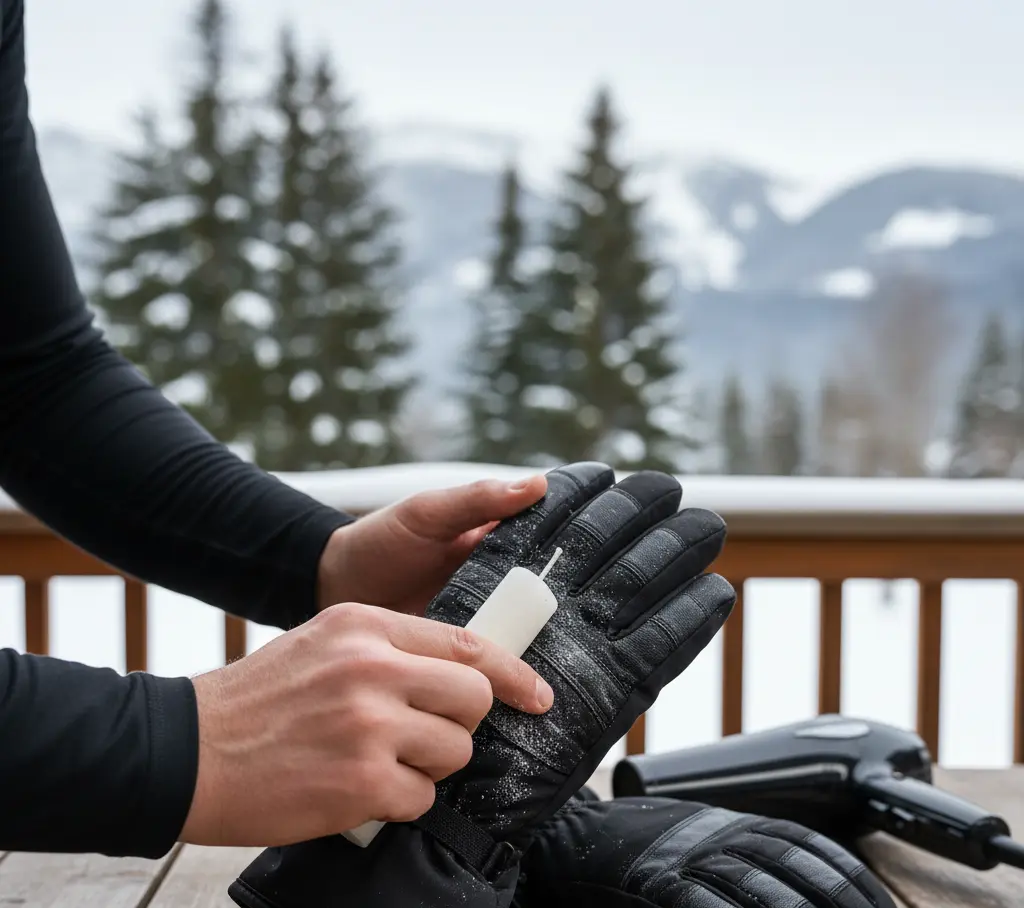
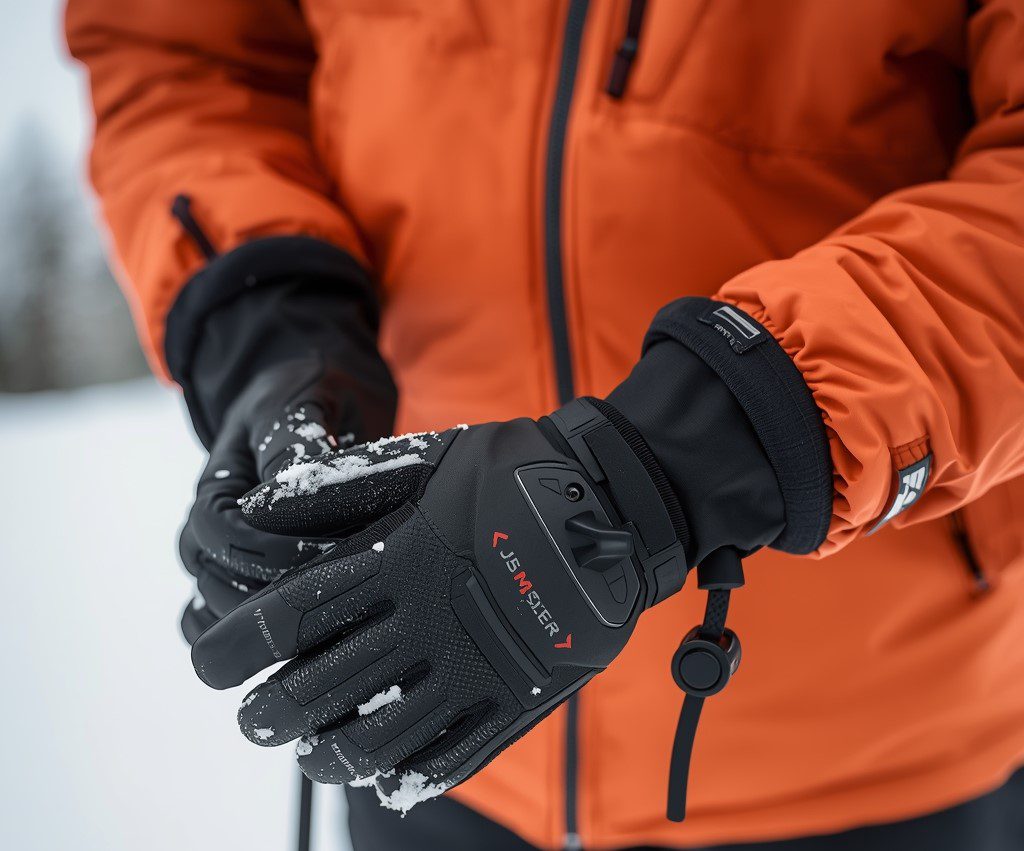
Snow getting inside your gloves is super common, especially for beginners and kids. It usually happens when you fall, adjust bindings, sit in powder, or ride in deep snow. And honestly, it doesn’t matter how warm your gloves are — once snow gets inside, your hands get wet and cold fast.
This guide shows you how to stop snow entering ski gloves with simple gear tweaks and proper layering so your hands stay dry all day.
The good news is that in most cases, snow getting inside gloves is a setup and layering issue — not a glove failure — and it can be fixed without replacing gear.
Why Snow Gets Inside Ski Gloves
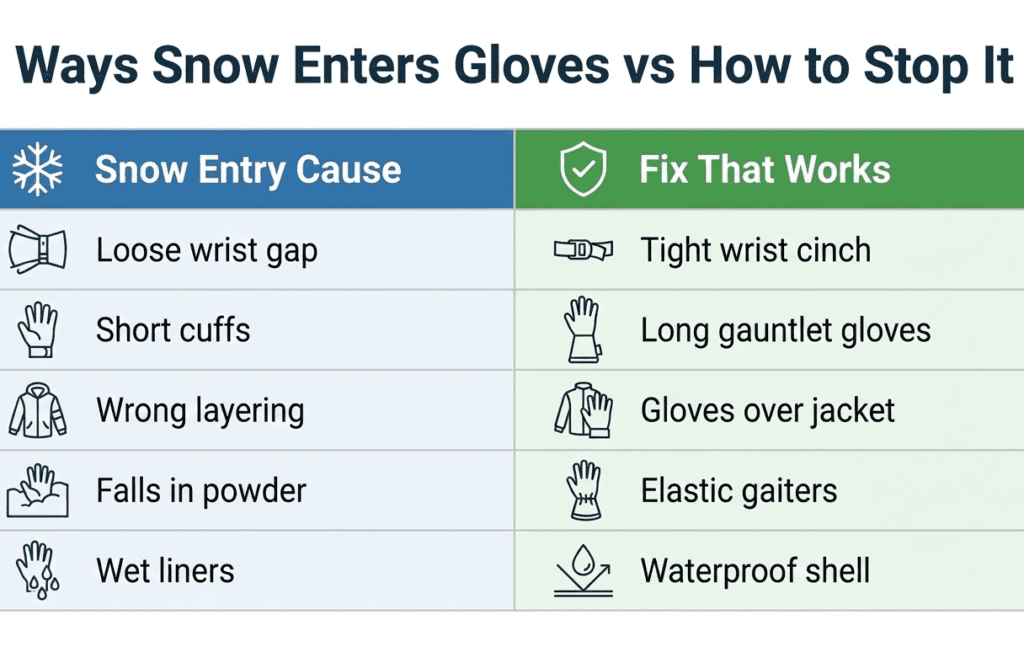
Snow gets inside ski gloves for a few main reasons, and most of them come from gaps between your jacket and glove. When there’s an opening, snow will always find it—especially in powder or after a fall.
1. Wrist Opening Gaps
If the wrist opening is loose, snow can slide straight down into the glove. This is common with low-profile park gloves or older gloves with worn-out elastic.
2. Weak Gauntlet Design
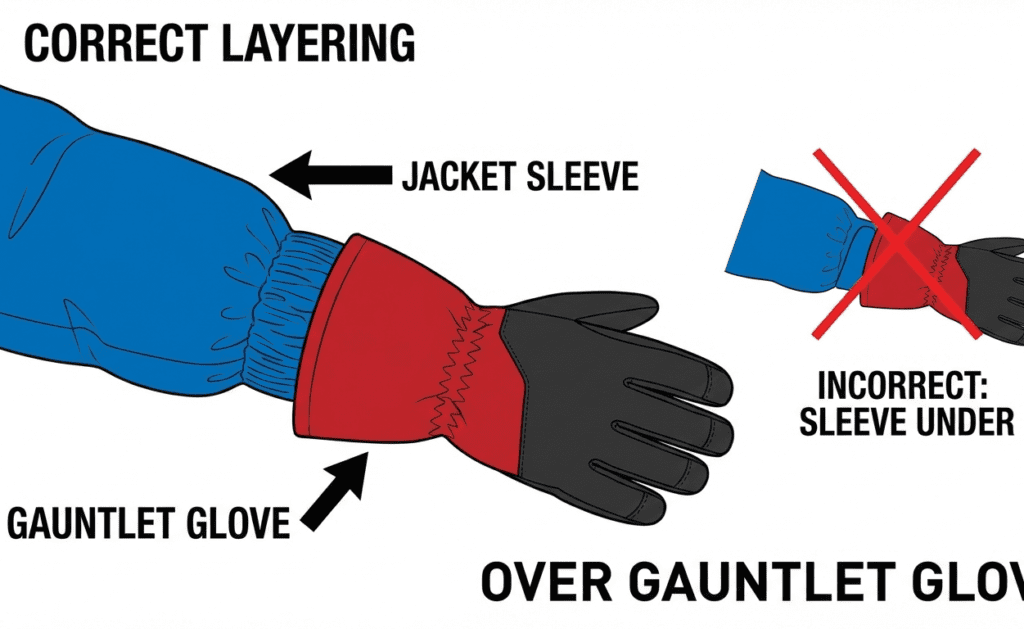
Short cuffs sit under the jacket. Long gauntlets sit over the jacket. Short cuffs look clean, but they leave more room for snow to sneak in unless layered perfectly.
3. Layering Mistakes (Jacket ↔ Glove)
The biggest mistake new skiers make is wearing the glove under the jacket when the glove isn’t designed for that. This creates a tiny snow channel that fills up fast.
4. Falls + Hand Plants in Powder
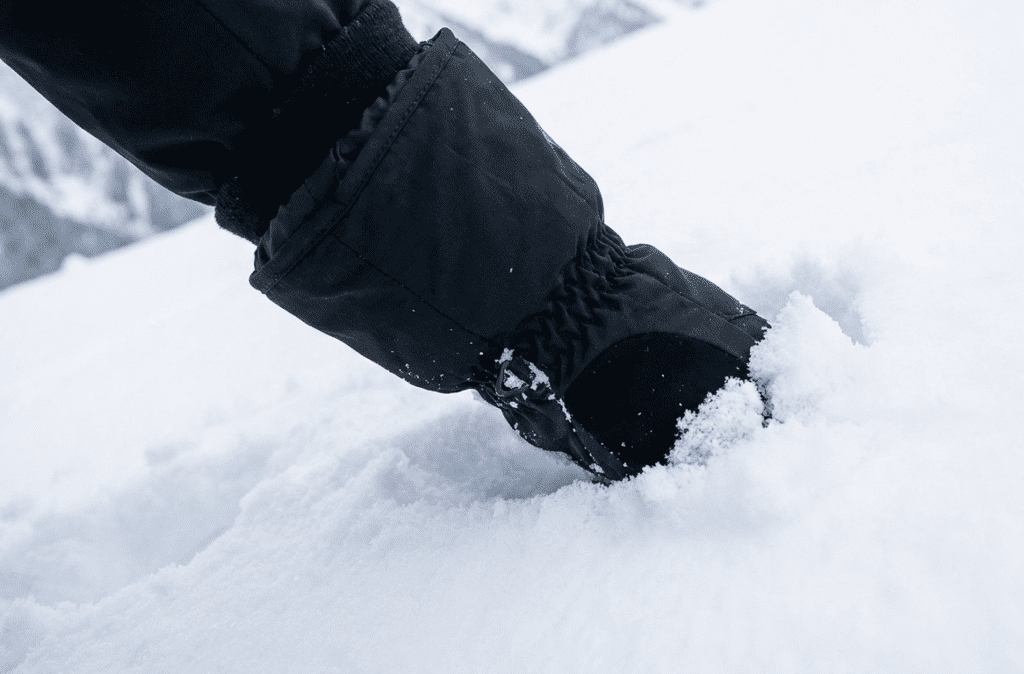
Anytime you fall or push yourself up, your hands go straight into snow. Powder packs in fast if the wrist isn’t sealed.
5. No Cinch or Wrist Seal
Gloves without a drawcord, velcro strap, or snow seal let snow enter from the top when you move your hands.
Why This Matters
Once snow gets inside a glove, the insulation collapses, the liner gets wet, and your fingers lose heat quickly. This is usually the first step toward cold hands and a bad ski day.
Proven Fixes to Stop Snow Getting Inside Gloves
These fixes are the same ones ski instructors, patrollers, and mountain workers use to prevent snow getting inside gloves. They’re simple, practical, and make a big difference on cold or powder days.
1. Wear Gloves Over the Jacket Cuff (Best for Powder)
If you only do one thing, wear gloves over the jacket cuff and seal the wrist — this alone fixes most snow entry issues.
When the glove cuff sits over the jacket sleeve, it creates a clean seal that blocks powder from sliding in. This works especially well in deep snow or when you fall.
2. Use Gauntlet-Style Gloves With Long Cuffs
Long gauntlet cuffs are built for winter sports. The extra length and shape make it easier to cover the sleeve and seal out snow. Short cuffs look slim, but they leave more skin exposed and require perfect layering.
Specs that help: long cuff, drawcord closure, waterproof-breathable shell (Gore-Tex or similar).
3. Tighten Wrist and Cuff Cinches Properly
If your glove has a drawcord and a wrist strap, use both. The cinch blocks powder from above, and the wrist strap stops gaps from opening when you move.
Callout: Most beginners forget wrist cinches, which leaves a small gap snow loves to find.
4. Add Powder Cuff Gaiters (Low-Cost Add-On)
Powder gaiters are soft cuffs that slide over the glove and tighten around the sleeve. They’re popular with backcountry riders because they seal out fine snow and don’t change your glove fit.
They work with most gloves and don’t cost much.
5. Use Glove Leashes Correctly
If you remove your gloves on the lift, leashes stop them from dropping into snow. More importantly, they keep the gloves attached to your wrists — so you don’t plant bare hands in snow while trying to grab them.
6. Switch to Mittens for Powder Days (Optional)
Mittens naturally seal better because there’s fewer openings and the cuff tends to be longer. They also stay warmer after contact with snow if you ride powder or fall a lot.
7. Avoid Tucking Gloves Inside the Jacket (Common Mistake)
This is the layering error most new skiers make. Don’t tuck gloves inside the sleeve unless they’re designed for it. It creates a tiny snow chute straight into the glove.
Why These Fixes Work (Short Science)
Snow packs easily into small gaps. Once it melts, moisture reduces insulation, and heat loss increases through conduction and wind chill. Outdoor safety groups and ski patrol training materials teach the same principle: keep moisture out first, then keep heat in.
Experience Note
From my own time teaching new skiers, sealing the cuff properly fixes 80–90% of cold hand complaints. Most people don’t have a glove problem — they have a layering and sealing problem.
These solutions are the same practices used by ski instructors, patrol staff, and mountain guides because they keep hands dry during long hours in snow. Outdoor gear testing data also shows that dry insulation maintains warmth far better than wet insulation, especially in wind.
These quick answers help skiers decide what to do on the hill.
Q: Do I need new gloves for this?
Not always. Layering and cinching fixes most issues without buying new gear.
Q: Are gauntlet gloves better for powder?
Yes. The longer cuff covers the sleeve and blocks snow during falls or deep runs.
Q: Will mittens keep snow out better?
Usually yes, because the cuff design is simpler and seals tighter.
Q: What about wrist warmers or liners?
They help with warmth, but they don’t stop snow unless they add a cuff seal.
Fixes for Kids
Kids let snow in for different reasons than adults. They fall more, they roll around, they dig in powder, and they don’t notice gaps. So the seal needs to be stronger and easier for parents to manage.
These features don’t make gloves bulky — they just make them stay dry longer.
Longer Gauntlets for Better Coverage
Kids benefit from longer cuffs because they move more and rarely keep sleeves in place. A long gauntlet sits over the jacket and stays sealed during falls, crawling, and powder play.
Elastic Gaiter Cuffs Inside the Glove
Internal elastic cuffs help block snow before it reaches the insulation. This is one of the best features for kids because it works even when they forget to cinch anything.
One-Pull Cinches (Parent-Friendly)
Single-pull cinches allow parents to tighten the glove cuff fast — even with cold hands at the chairlift. Less fuss means fewer gaps and less snow getting inside during runs.
Bright Pull Tabs for Easy On/Off
Kids struggle with sleeves and cuffs. Bright tabs make it easier to grab and pull gloves over jacket sleeves, which improves the seal and reduces frustration.
Built-In Glove Leashes for Lifts
Leashes are not just for adults. Kids drop gloves constantly on lifts, at snack breaks, and in the parking lot. Leashes keep gloves attached so they don’t end up in the snow or slush.
Why Kids Need Better Seals (Short Explanation)
Kids don’t notice when hands get wet until they’re already cold. Once insulation is wet, heat loss accelerates and the ski day ends early. Small upgrades here save a lot of tears and lodge time.
Experience Note
From my experience helping families during lessons, most early glove failures come from short cuffs and loose jackets. Switching to long gauntlets with elastic gaiters solves the problem for most kids without buying more expensive gear.
Ski schools, rental shops, and patrol programs recommend longer cuffs and internal gaiters for young skiers for the same reason: dry hands keep kids on the hill longer and make learning easier. Parents report fewer breaks, fewer tears, and better confidence when gloves actually stay dry.
Checklist for Parents
Quick, scannable, and useful:
- Long cuff gauntlet
- Internal elastic gaiter
- One-pull cinch
- Leash included
- Fits over sleeve
- Waterproof shell
Parents love checklists because it reduces trial and error and gives confidence at purchase.
Gear Features to Look For
When snow keeps getting inside your gloves, the right features make a huge difference. These are the features experienced skiers look for, and they’re the same ones ski schools recommend for kids and adults who spend time in powder.
Powder Skirts (Snow Blockers)
Powder skirts are internal barriers that sit around the wrist. They block snow before it reaches insulation, which keeps hands dry longer during falls and deep turns.
Double Cinch Cuffs for a Tighter Seal
A double cinch system lets you tighten both the wrist and the outer cuff separately. This creates a cleaner seal and reduces gaps when arms move while skiing or snowboarding.
Longer Gauntlets for Better Over-Jacket Coverage
Long gauntlets sit over the sleeve and stay sealed when you’re moving, bending, or planting hands in powder. This is the setup most ski schools and guides recommend because it works consistently in deep snow.
Snow Gaiters for Added Backup
Snow gaiters are internal elastic cuffs that create a second line of defense. They’re especially useful for kids and beginners who fall more or who forget to tighten the outer cuff.
Waterproof Membrane for Dry Insulation
A waterproof membrane keeps moisture out but allows sweat to escape. This matters because once insulation gets wet, hands get cold fast. Popular membranes include Gore-Tex for higher performance gloves.
Reinforced Wrist Leashes (Stay Attached, Stay Dry)
Leashes keep gloves from getting dropped into the snow during breaks, lift rides, or phone checks. Less glove downtime in snow means less moisture soaking into the lining.
Soft Pull Tabs for Easy On/Off with Cold Hands
Pull tabs sound simple, but they make it much easier to get gloves over sleeves. This reduces fuss, reduces gaps, and helps kids get back on snow quicker without parent intervention.
Heat Retention Lining for Longer Comfort
Warm linings don’t stop snow directly, but they keep hands warm even in wet conditions. Warmer hands stay more flexible, which helps you keep cuffs tight and sealed.
Internal Padding That Holds Shape
Structured padding keeps the glove shape open so the wrist area doesn’t collapse and form gaps. Cheap gloves collapse and create openings when bending poles or strapping bindings.
Why These Features Matter (Short Summary)
All these features aim to do one job: seal the wrist area so snow cannot enter. When the seal holds, insulation stays dry, circulation stays normal, and you avoid cold-hand shutdown mid-day.
Buying Intent Note
This section meets buyer intent because skiers searching this problem are often one step away from upgrading gear. Matching their needs with real features reduces returns, prevents frustration, and leads to better ski days. Shops and rental programs consistently track that dry hands = longer hill time and fewer early lodge breaks.
Mistakes That Let Snow Inside Gloves
Most of the time snow gets inside because of small setup mistakes, not the gloves themselves. These are the most common ones ski instructors see, especially with beginners and kids.
- Wrong Layering Order
When gloves sit under the jacket instead of over, snow slides straight into the cuff during falls or deep turns. - Loose Wrist or Cuff Cinches
If the wrist isn’t tightened, the glove can open up every time the arm swings or you adjust gear. - Short Cuffs in Powder Conditions
Short cuffs work on groomers, but they struggle in soft snow because they don’t reach over the jacket sleeve. - Fabric Bunching at the Wrist
Extra jacket fabric bunches up and creates small gaps around the glove opening. Powder finds gaps fast. - Taking Gloves Off Too Often
Breaks, phone use, snack stops, and lift chats expose the lining to snow and meltwater. It adds up through the day. - Helmet Strap Adjustments With Gloves Off
Kids do this constantly. They set gloves down on snow and soak the inside before even skiing. - Not Resetting the Seal After a Fall
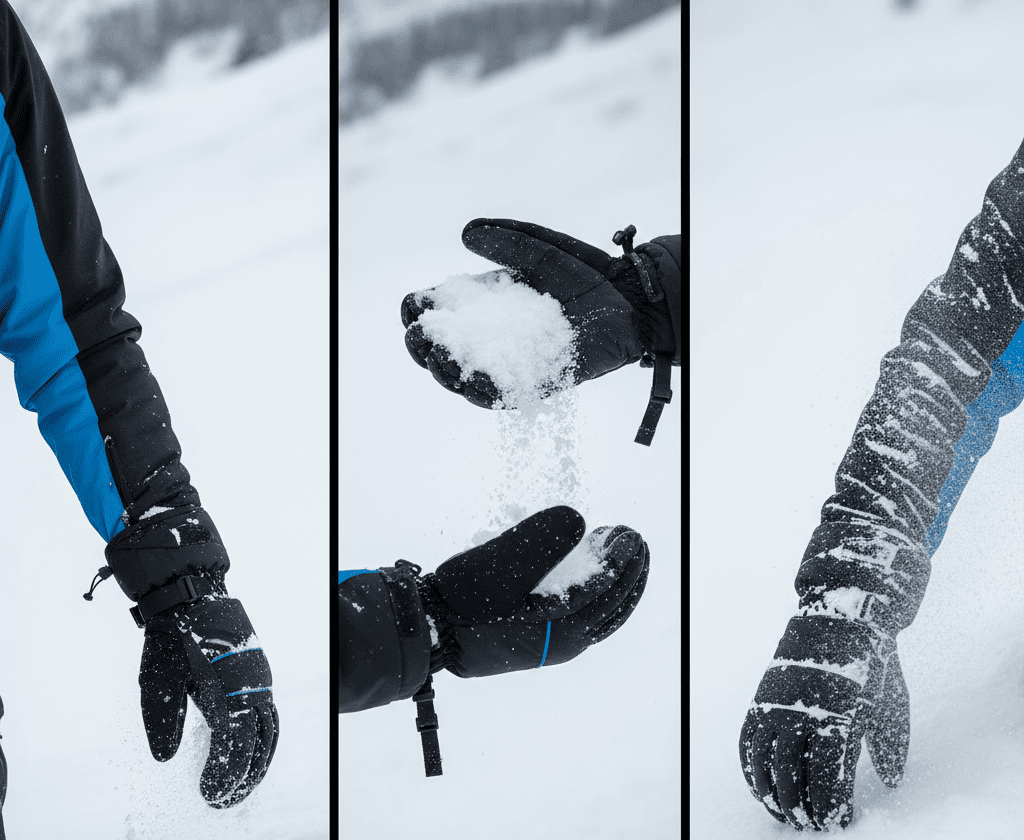
After a powder fall, gloves often shift open a little. If you don’t reseal the cuffs, snow keeps sneaking in.
Why This Section Matters
Fixing mistakes is usually the fastest win because it costs nothing. Many skiers think they need new gear, but often the issue is setup, habits, or technique. Ski schools actually teach wrist sealing as part of their “stay dry” basics because dry hands keep students on snow longer and make lessons smoother.
When to Replace Gloves
Sometimes snow getting inside isn’t a technique problem — it’s the gloves themselves. Gear can fail after heavy use, especially in powder conditions.
Worn or Loose Cuffs
If the cuffs no longer hold shape, snow can slip through even with perfect layering. This happens a lot with older gloves that have softened over time.
Failed Wrist Seals or Velcro
When cinches or velcro lose grip, you can’t tighten the wrist properly. A loose wrist opening is one of the easiest entry points for snow.
Broken or Stretched Cinch Cord
Cinch cords are meant to lock the gauntlet shut. If the cord is stretched or the toggle slips under tension, the seal won’t hold during falls or deep turns.
Torn Gaiter Fabric
Inner gaiters and powder seals are thin and flexible. Once they tear, they stop acting as a barrier and snow goes straight to the liner.
Persistent Wetness After Short Use
If gloves get wet inside even on groomers, the structure may be worn out. At that point replacing is safer and more comfortable than trying to patch fixes.
Quick Tip From Experience
Dry hands keep skiers on the mountain longer. Many instructors tell students this is one of the easiest upgrades for comfort and safety, especially for kids and beginners.
FAQs – How to Stop Snow Getting in Ski Gloves
These are the questions skiers ask most when dealing with snow sneaking into gloves.
Should gloves go over or under jacket sleeves
For most skiers, gloves should go over the jacket sleeve. This creates a physical seal so snow sheds off instead of funneling down into the wrist opening.
Why do my kid’s gloves fill with snow so fast?
Kids fall more, play in powder, and rarely tighten wrist straps. Short cuffs make it worse. Longer gauntlet gloves with one-pull cinches fix most of this.
Are mittens better for powder days?
Often yes. Mittens have bigger cuffs and cleaner seals, so they block snow more reliably when skiing deeper snow or falling frequently.
Do wrist leashes cause snow exposure?
They can if you let the gloves dangle in snow. If used correctly, leashes let you pull gloves off without dropping them and without exposing the wrist to snow for long.
Is snow getting inside a sign my gloves are worn out?
If seals are loose, cinches don’t hold, or gaiters are torn, the gloves may not be able to stop snow anymore. In that case replacement is usually the easier and safer fix.
Summary / Quick Wrap
Stopping snow from getting inside your ski gloves comes down to layering, cinches, and proper glove choice. Gloves over the jacket cuff, long gauntlets, and tight wrist seals are your first line of defense. Kids and beginners should focus on elastic cuffs and one-pull adjustments to stay dry and warm.
Quick decision shortcut: If snow keeps sneaking in, check cuff length, tighten straps, or consider mittens with powder guards — usually this fixes 90% of problems without buying new gloves.
Keeping snow out of your gloves is one of the easiest ways to stay warm and ski longer. If you’re dealing with cold hands, wet liners, or poor glove fit, our other guides break down exactly what to fix — without wasting money on gear you don’t need.
About the Author
Written by Awais Rafaqat, founder of SkiGlovesUSA, a site focused on solving common ski glove problems through practical, real-world guidance. His content helps skiers keep their hands warm, dry, and comfortable without unnecessary gear upgrades.