As an Amazon Associate, I earn from qualifying purchases.
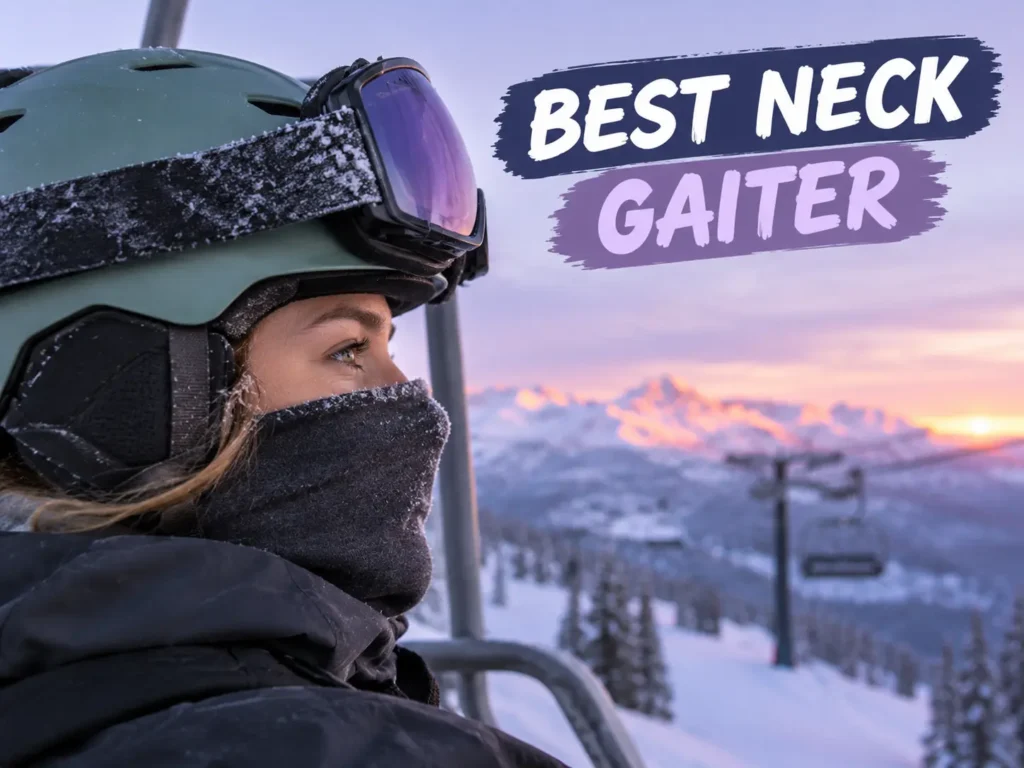
Quick Answer: Pick a ski gaiter by how hard you ski and how cold it gets. A double-layer fleece like Turtle Fur is the warm pick for slow, cold days. BlackStrap The Tube is the helmet-friendly one that pulls sweat away and blocks wind. Buff’s merino is thin and stays fresh, so it suits mild days and long trips. The 2-Pack Winter Neck Gaiter is the cheapest way to carry a spare. All four are tubes you can pull over your chin, nose or neck, so one piece does the job of a scarf and a face mask.
Need gloves to go with it? The Ski Glove Finder helps you pick a pair for your budget and weather in about a minute.
| Gaiter | Fabric | Layers | Size listed | Listed price | Good for |
| 2-Pack Winter Neck Gaiter | Polyester and spandex outside, fleece lining | Two | 12.6 x 9.8 in | 14.99for2(7.50 each) | Spare, low cost, cold days |
| BlackStrap The Tube | Synthetic tri-blend | Dual layer | One size | $26.99 | Helmet fit, windy and sweaty days |
| Buff Lightweight Merino | 100% merino, 125 g/m2 | Single | One size | $32 | Mild days, less smell |
| Turtle Fur Double-Layer | 100% recycled polyester fleece | Double | 9.75 x 9.75 in, 2.2 oz | $14 to $20 by color | Slow, cold days |
Prices and details come from each product page when this was written. Check them again before you buy, since sellers change prices often.
- Why Your Neck and Face Need Cover
- Gaiter, Balaclava or Scarf?
- Fleece or Merino: How to Choose
- 2-Pack Winter Neck Gaiter: The Cheap Spare
- BlackStrap The Tube: Made for Snow and Helmets
- Buff Lightweight Merino: Thin, Fresh and Easy to Layer
- Turtle Fur Double-Layer: The Cozy Cold-Day Choice
- Five Ways to Wear a Gaiter on the Mountain
- Match the Gaiter to the Ski Day
- Fit Under a Helmet and Goggles
- Sun and Wind Hit Your Face Too
- Washing and Making Gaiters Last
- Mistakes That Leave Your Face Cold
- Questions Skiers Ask
- Which One to Buy
Why Your Neck and Face Need Cover
Your jacket stops at your chin. Your helmet stops at your forehead. The gap between them is the neck, the chin, the nose and the cheeks, and that gap faces the wind all day. On a chairlift you sit still while air hits you at speed, and bare skin loses heat fast.
A gaiter fills that gap. It is a tube of fabric with no ends to come loose, so it stays put when you turn your head. You can pull it up over your nose on the lift and drop it to your collar on the run down. We explain how wind chill hurts exposed skin on the hill, and the same rule applies to your face.
The right gaiter also saves you from layering a scarf, which can flap, slide and fill with snow. A scarf also adds bulk under a jacket collar. A tube lies flat, tucks in easily and does not need a knot.
Gaiter, Balaclava or Scarf?
A balaclava covers your head, face and neck in one piece. It is warmer on the coldest days, but it can feel hot and sticky when the sun comes out. A gaiter is lighter and easier to adjust, so you can pull it down in seconds when you warm up.
A scarf is the weakest option on the slopes. The ends flap in the wind, it can catch on a lift or a tree, and it bunches under a jacket collar. A tube has no loose ends, which is the main reason skiers choose it.
If you are not sure, start with a gaiter. It costs less than a balaclava, it takes up no room in a pocket, and it works with any helmet. You can add a thin hat or a headband later if your ears get cold.
Fleece or Merino: How to Choose
These are the two main fabrics, and they feel very different. Fleece is soft, warm and cheap, and it is a good match for cold days when you are not working hard. Merino is thinner and costs more, but it handles a wide range of temperatures and does not get smelly fast.
Start with how you ski. If you cruise, ride the lift and stand in lines, fleece keeps you warmer. If you ski hard, hike between runs or ski in spring, merino or a thin synthetic helps you avoid getting sweaty. The table sums it up.
| Fabric | Warmth | Sweat | Smell | Cost |
| Fleece (Turtle Fur, 2-Pack) | High | Can feel damp if you work hard | Can build up | Low |
| Dual-layer synthetic (BlackStrap) | Medium to high | Pulls sweat away, dries fast per the page | Medium | Medium |
| Merino (Buff) | Low to medium | Handles sweat well | Slow to smell | Higher |
2-Pack Winter Neck Gaiter: The Cheap Spare
2 Pack Winter Neck Gaiter Warmer
– Fleece-lined interior protects face, neck, ears, and nose from cold and wind
– Multi-functional wear — neck warmer, face cover, half balaclava, or ski mask
– Four-way stretch fabric fits most head sizes, men and women
~$14.99
★★★★★ (4.6/5 — 4,188 Amazon reviews)
Check Price on Amazon →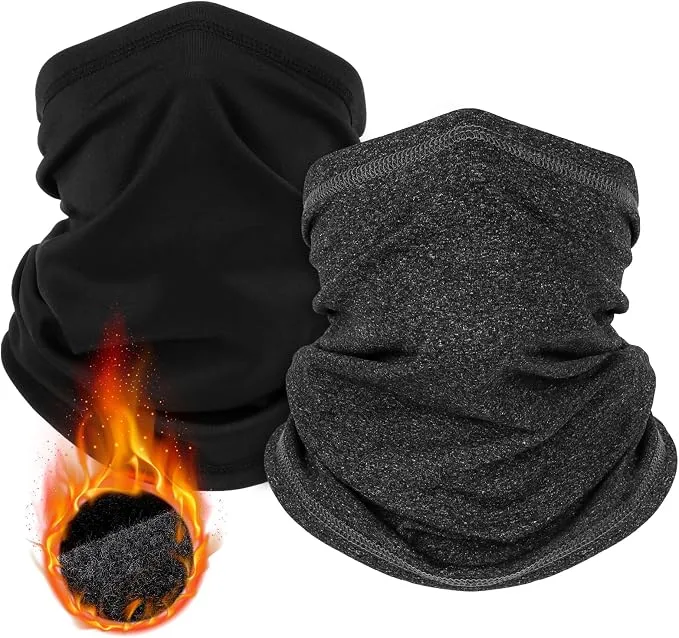
This is a two-pack at $14.99, which comes to $7.50 a gaiter. The outside is polyester and spandex, and the inside is a warm fleece lining. The page says it protects the face, neck, ears and nose from cold, wind, dust and snow. It measures 12.6 by 9.8 inches and stretches four ways, and it comes in colors like black and grey, black and pink, and navy and blue.
The size is the first thing to notice. At 12.6 inches long it is roomy, so you can pull it over your nose and still cover your neck. The page says it also works as a half balaclava, a ski mask, a scarf or a helmet liner, and it names skiing and snowboarding as uses.
The two-pack idea is smart for skiing. Damp gaiters lose warmth, because your breath wets the fabric over your mouth. With two, you swap to a dry one at lunch and let the first dry out. The page says it can be machine washed or hand washed, which makes upkeep easy.
The catch is simple: it is the lowest-cost option, so the fabric is the plainest. If you ski a few days a year, or want a spare for the car, it is hard to beat. If you ski every weekend, you may want a gaiter with more careful design.
BlackStrap The Tube: Made for Snow and Helmets
BLACKSTRAP The Tube Dual Layer Neck Warmer
– Dual layer design worn around the neck or pulled up for full face coverage
– Patented breathable tri-blend fabric wicks sweat and dries quickly
– Four-way stretch offers windproof warmth and 98% UV protection
~$26.99
★★★★☆ (4.5/5 — 568 Amazon reviews)
Check Price on Amazon →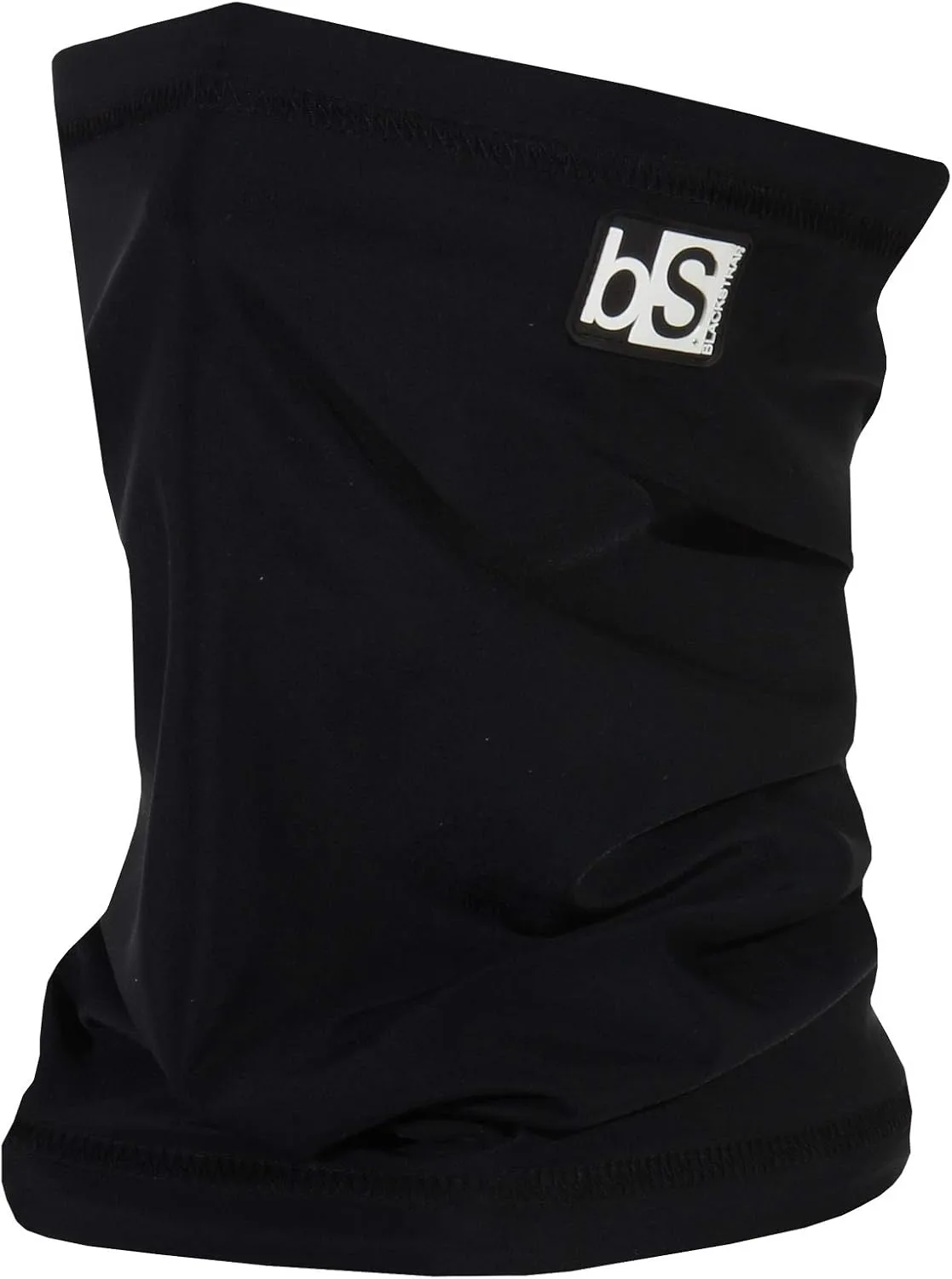
This is a dual-layer tube priced at $26.99, made in the USA from a synthetic tri-blend. The page lists four-way stretch, wind resistance, quick drying and moisture wicking, and says it fits under a ski or snowboard helmet. It comes in a wide range of colors, from solid black to Bright Orange and Olive.
Two features suit skiing well. First, the page says it is lens-safe, so you can wipe your goggles with it without scratching them. Second, it is washer and dryer friendly, so you do not need a care routine. Cold, wet snow gets into everything on a ski day, and a gaiter that dries fast is a real help.
The page also claims 98% UV protection. That is the seller’s claim, so treat it as a bonus and still put sunscreen on your nose and cheeks. Dual layer means more warmth than a single sheet, but it is still a thin tube, so it fits under a helmet without squeezing.
Cover cold skin early. Our guide to frostbite prevention explains why your nose and cheeks are the first places to check. Pick this tube if you want a gaiter made for snow, with a snug but not tight fit. It costs about twice the 2-pack, so decide how often you ski.
Buff Lightweight Merino: Thin, Fresh and Easy to Layer
Buff Lightweight Merino Wool Neck Gaiter
– 100% ethically sourced merino wool, wearable 12 different ways
– Naturally prevents odor while transporting sweat away to stay dry
– Lightweight, low-profile layer ideal for hiking, camping, and winter days
~$32.00
★★★★★ (4.6/5 — 5,637 Amazon reviews)
Check Price on Amazon →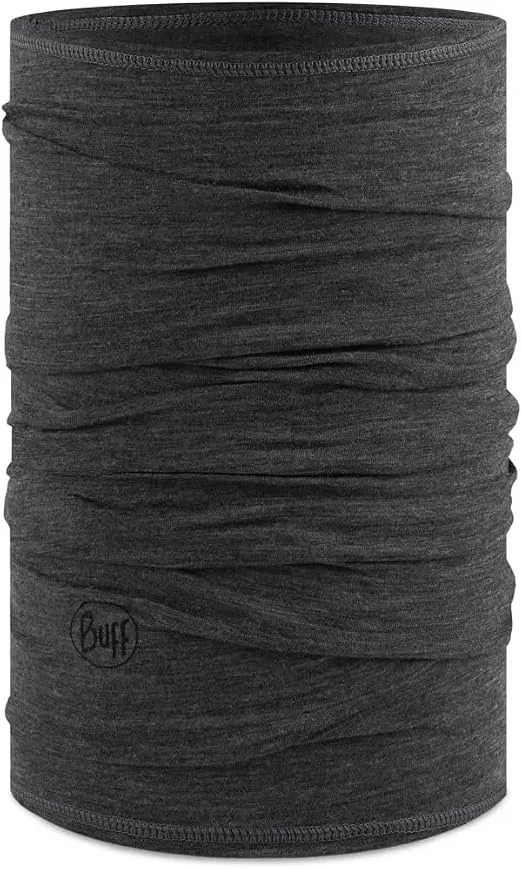
This one is 100% merino wool at 125 grams per square meter, which makes it a light fabric. It costs $32 and comes in solid colors, stripes and tie-dye looks. The page says it fits most adults, and it can be worn 12 different ways. It also says merino helps prevent odor and helps your body stay at a steady temperature.
Skiers like merino tubes for the same reason they like merino base layers. You can wear it all day without it smelling, and it feels soft on your chin. The page calls it a low-profile base layer for cool conditions and winter layering, which tells you it is thin.
That thinness cuts both ways. It slides under a helmet with no bulk, and it will not make your face sweaty on a hard run. But in a deep cold, on a windy ridge, a single thin layer is not enough. Pair it with a fleece tube for the coldest days, or choose it for mild days and spring skiing.
The care rule is strict: hand wash. That is more effort than the others, so it suits people who do not mind a quick wash in the sink. At $32, it is the most expensive gaiter here, and the right pick for someone who wants fewer smells and wide use.
Turtle Fur Double-Layer: The Cozy Cold-Day Choice
Turtle Fur Double-Layer Neck Warmer Fleece Gaiter
– Double layer of soft, stretchy Chelonia 150 fleece
– Breathable construction prevents sweat buildup during activity
– Seamless, 100% recycled polyester with a regular, comfortable fit
~$14.00
★★★★★ (4.6/5 — 4,759 Amazon reviews)
Check Price on Amazon →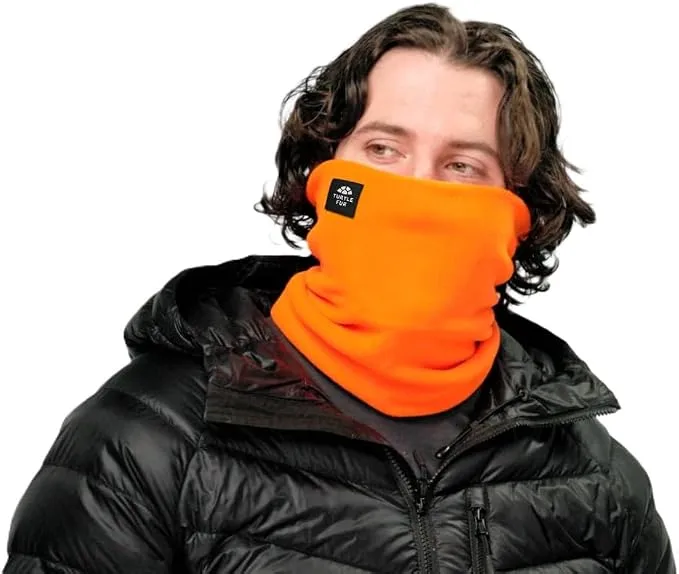
Turtle Fur’s gaiter is made from a double layer of Chelonia 150 fleece, and the fabric is 100% recycled polyester. It measures 9.75 by 9.75 inches and weighs just 2.2 ounces, and the page calls it a regular fit. It costs $14 in Blaze, and $20 in Black and White, so the color you choose changes the price.
The page says the fabric is soft, stretchy and breathable, and that the construction is seamless. A seamless tube does not rub your chin or nose, which matters when it sits against your face for hours. You can machine wash it, which keeps care simple.
Double fleece traps a layer of warm air against your skin. That is why it works so well on slow, cold days, when you stand in lift lines and ride the chair. The 2.2 ounce weight means it still packs small and does not drag on your jacket.
The trade-off is that fleece can feel warm and damp on hard runs. If you ski fast, pull it down to your neck on the descent. At $14, it is low-cost for a double-layer fleece, as long as you pick the right color.
Five Ways to Wear a Gaiter on the Mountain
The simplest way is around the neck, like a collar. It seals the gap at your jacket zipper and keeps wind off your throat. Most people start here, and it is enough on mild days.
Pull it up over your chin when the lift starts to move. This covers your jaw and the lower part of your face, and you can still talk and breathe easily. Many skiers do this all day without thinking about it.
On very cold or windy rides, pull it up over your nose. Check that your goggles still seal, and keep your breath from pushing up at the lens. Drop it back to your chin as soon as you start skiing, since heavy breathing fills the fabric with damp air.
A longer tube, like the 2-Pack gaiter, can also double as a headband or a thin helmet liner. Fold it once or twice, and slide it over your ears. This is handy on a cold start, or when you lose a hat.
The last way is the quick swap. Keep a spare tube in your jacket pocket, and change when the first one gets damp. A dry tube feels much warmer than a wet one, and the swap takes ten seconds.
Buy by size too. The 2-Pack gaiter is long at 12.6 inches, Turtle Fur is a regular 9.75 inches, and BlackStrap and Buff are one size. If you have a larger head or a long neck, check the numbers first. A tube that is too short will ride up and leave a gap at your collar.
Match the Gaiter to the Ski Day
No gaiter is right for every day. Use this table as a starting point, and adjust for how warm you run.
| Ski day | What it feels like | Gaiter to wear |
| Cold and calm, 15°F to 25°F | Cold on the lift, fine on the run | Turtle Fur or the 2-Pack |
| Windy ridge, below 10°F | Cold even while skiing | BlackStrap, or a fleece tube over a Buff |
| Mild spring day, mid 30s to 40s | Warm and sunny, sweaty on climbs | Buff Lightweight Merino |
| Snowy day with wet flakes | Damp air, damp gloves | BlackStrap or a dry spare from the 2-Pack |
| Hard skiing and hiking | Hot, then cold at the top | Buff, pulled down on the climb |
Fit Under a Helmet and Goggles
A gaiter has to work with your other gear. Put your helmet on first, then pull the gaiter up. The top edge should sit under your goggles, with no thick fold at the nose. A bulky fold can push your goggles away from your face and let cold air in.
Fogging is the other problem. When you breathe into a gaiter, warm, damp air can leak up and fog your goggles. Pull the gaiter so it sits snug over the bridge of your nose, or leave your nose out and cover only your chin on warm days. A thin tube like the Buff leaks less than a thick fleece one.
Try the full setup at home. Put on your helmet, goggles and jacket with the gaiter, then look up, down and side to side. Nothing should pinch, slide or press on your nose. Fix it on the couch, not on the chairlift.
Sun and Wind Hit Your Face Too
Cold is not the only danger up there. The Skin Cancer Foundation says snow reflects up to 80 percent of the sun’s UV light, and the high altitude adds more. Read its winter sports tips before your next trip. A gaiter covers your neck and chin, but your nose and cheeks still need sunscreen.
Wind is the second danger. The same group explains windburn, and says a ski mask and goggles that cover most of your face help in cold climates. See its windburn tips for how wind can strip your skin’s natural protection. A snug gaiter blocks a lot of that wind.
Dry skin is the third. The American Academy of Dermatology says to keep as little skin exposed as possible in the cold, and to wear lip balm. Their AAD advice covers face care for winter. Your gaiter does the covering, and a good lip balm does the rest.
One more habit helps on long days: warm the gaiter before you wear it. Keep it inside your jacket while you boot up, so it feels warm when it first touches your face. A cold, stiff gaiter on a cold morning is a rough start, and this takes no extra effort.
Also keep it dry between runs. If you stop for lunch, take it off and hang it somewhere warm, away from direct heat. By the time you head back out, it will be ready to wear again, and your face will thank you on the first lift ride.
Washing and Making Gaiters Last
Your gaiter sits against your mouth and nose, so it needs washing often. Breath, sweat and sunscreen build up fast. Wash it after a few ski days, and sooner if it smells.
| Gaiter | Wash rule from the page | Tip |
| 2-Pack Winter Neck Gaiter | Machine wash or hand wash | Wash the pair together so they wear evenly |
| BlackStrap The Tube | Washer and dryer friendly | Easy to keep fresh between trips |
| Buff Lightweight Merino | Hand wash | Rinse in cool water and lay flat to dry |
| Turtle Fur Double-Layer | Machine wash | Use a gentle cycle to protect the fleece |
Skip fabric softener on fleece and synthetics. It can coat the fibers and slow how fast they dry. Let each gaiter dry fully before you pack it, or it will smell on the next trip. Replace one if the fabric thins, the edge stretches out or it stops staying up.
Mistakes That Leave Your Face Cold
The first is wearing one gaiter all day when it gets wet. Your breath soaks the fabric, and a damp gaiter feels colder than none. Carry a dry spare, and swap at lunch.
The second is pulling it too tight. A gaiter that squeezes your jaw or neck is uncomfortable and can make you feel short of breath. Snug is right, tight is wrong.
The third is picking a thick gaiter for a mild day. You end up sweaty, and then cold when you stop. Choose by the weather, not by the price.
The fourth is forgetting sunscreen because it is cold. Your nose and cheeks still get UV from the snow. Put it on before you head up.
The fifth is ignoring the care label. Hand wash only means hand wash only, and a hot dryer can shrink some fabrics. Read the tag before the first wash.
Questions Skiers Ask
Is a neck gaiter warm enough for skiing?
On most resort days, yes. A fleece or dual-layer gaiter covers your neck and chin and blocks wind. On very cold or windy days, a gaiter with a hat or helmet and a face cover gives more protection.
Fleece or merino for skiing?
Fleece is warmer and cheaper, so it suits cold, slow days. Merino is thinner and fresher, so it suits mild days and hard skiing. If you ski in many conditions, own one of each.
Will a gaiter fog my goggles?
It can. Breath that leaks up from the gaiter can fog the lens. Seat the gaiter snug across your nose, or cover only your chin on warm days.
How should a gaiter fit?
Snug, but not tight. You should be able to open your mouth and turn your head easily. It should sit under your goggles without a thick fold at your nose.
Can I wear a gaiter under a helmet?
Yes, and many people do. Thin and dual-layer gaiters fit best. Put your helmet on first, then pull the gaiter up and check the fit with your goggles.
How often should I wash it?
After a few ski days, or sooner if it smells. Follow the care tag for each gaiter, since merino needs hand washing and the others can go in the machine.
Which One to Buy
Want the lowest price and a spare? Choose the 2-Pack Winter Neck Gaiter. Want a gaiter made for snow and helmets? Choose BlackStrap The Tube. Want a thin, fresh merino for mild days? Choose Buff. Want a cozy double fleece for cold days? Choose Turtle Fur.
A quick look at cost: the 2-Pack works out to $7.50 a gaiter, Turtle Fur is $14 to $20, BlackStrap is $26.99 and Buff is $32. Over ten ski days, even the priciest costs about $3.20 a day. If a cold face ends your afternoon early, that is small money for something you will wear every trip.
Two gaiters are better than one. Pair a fleece tube for the coldest days with a thin one for mild days, and swap when yours gets damp. Try it on with your helmet and goggles first, and wash it before your next trip.
Affiliate disclosure: Some links on this page may be affiliate links. If you buy through them, skiglovesusa.com may earn a small commission at no extra cost to you. Prices, fabric details and care instructions come from the manufacturers’ product pages and can change.