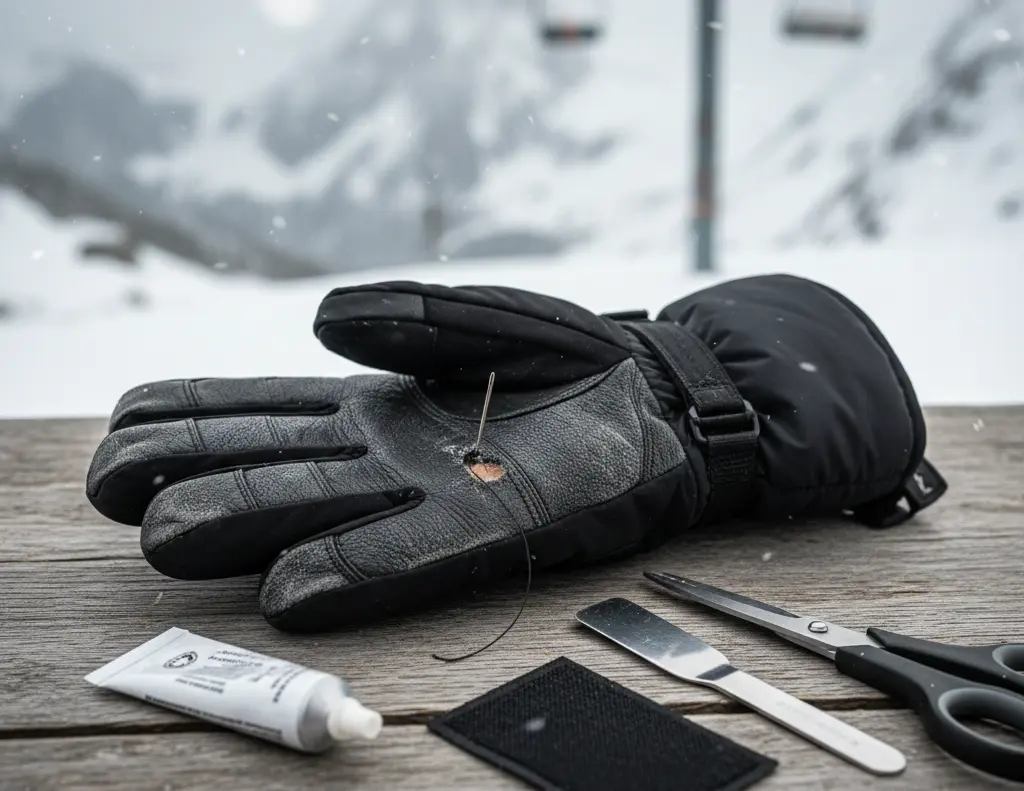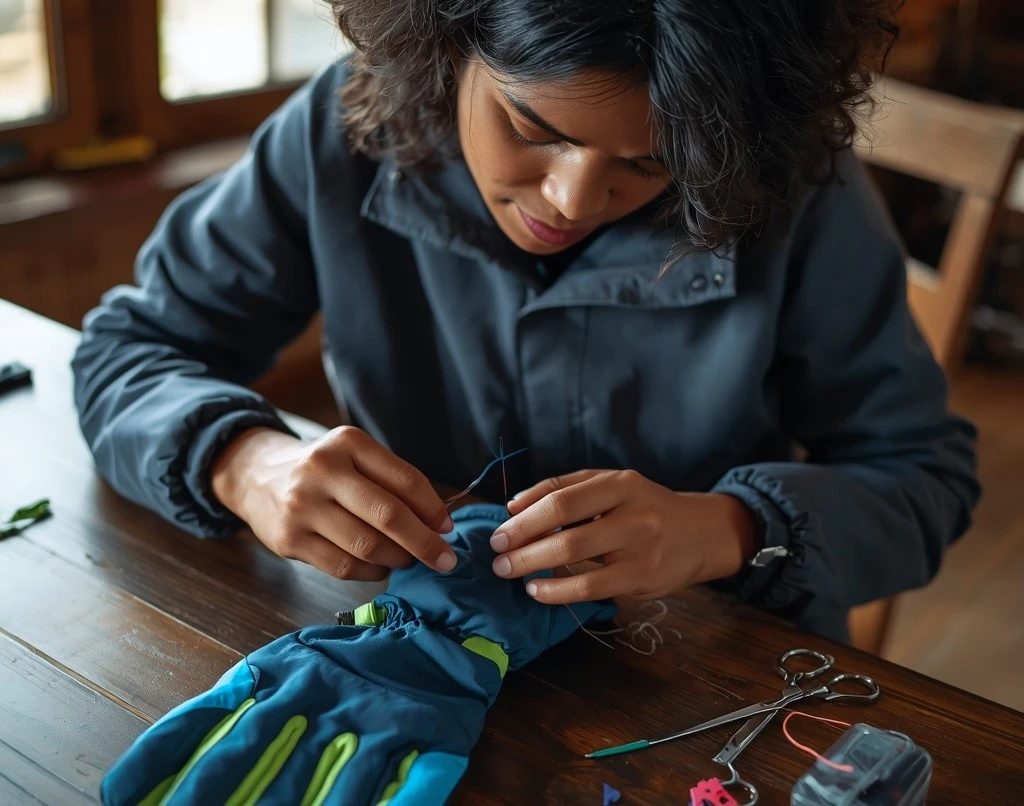
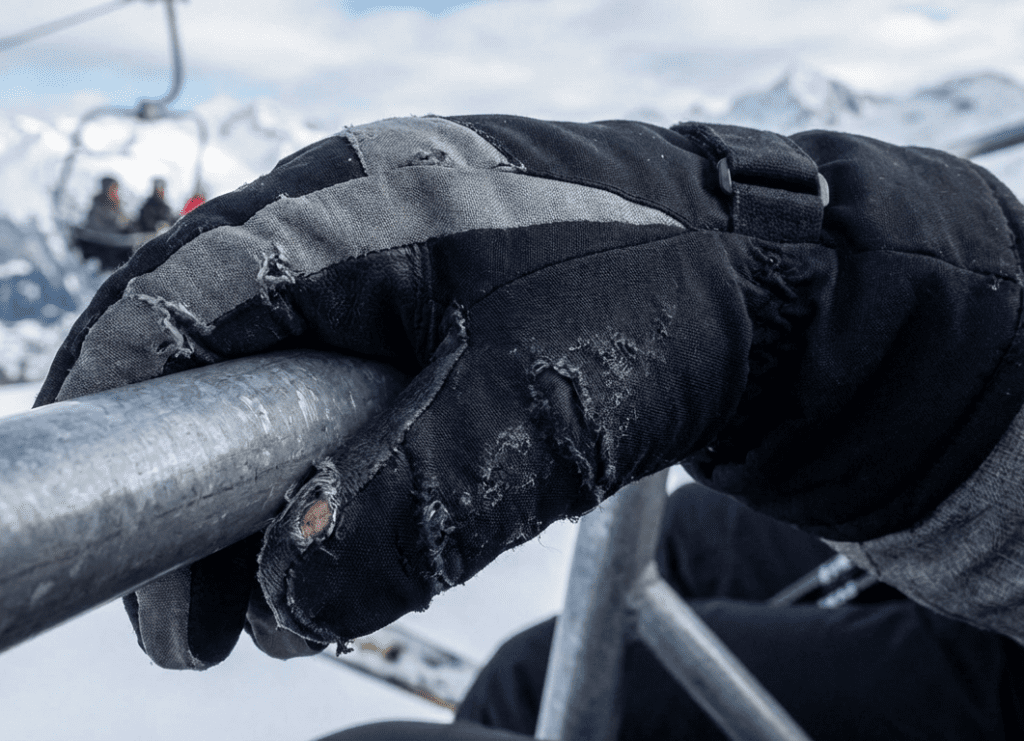
A lot of skiers notice their gloves getting scratched, worn, or even torn from riding chairlifts. I’ve seen it happen to beginners and experienced skiers, and it’s more common than most people realize.
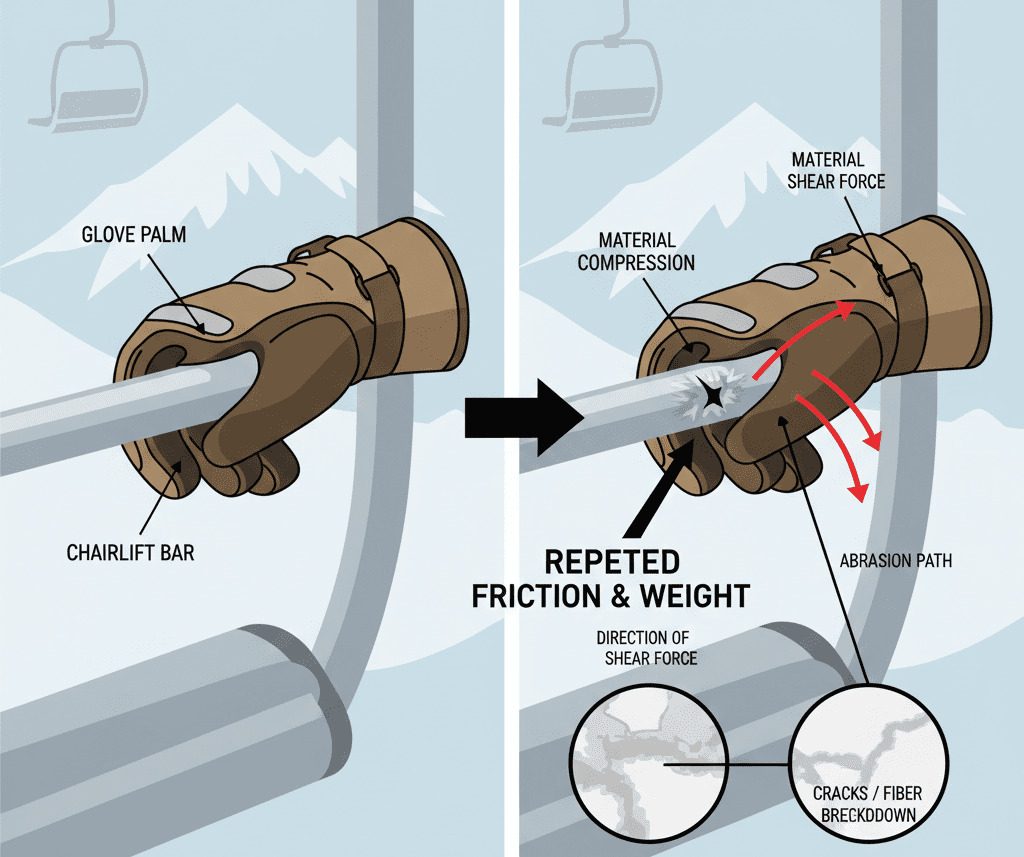
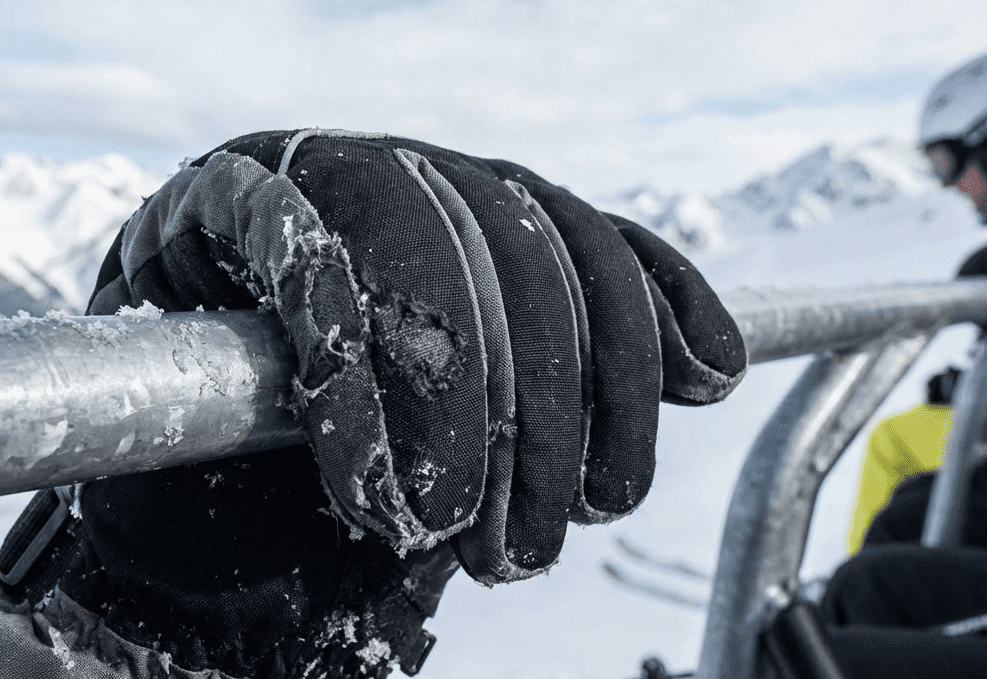
The main issue is friction. When you grab the cold metal safety bar or seat edge, the surface is rough and hard on glove materials. Over time, this repeated rubbing causes abrasion, especially on leather and synthetic palms.
If you’ve been wondering why ski gloves get damaged on chairlifts, this guide explains the real causes and how to prevent it without replacing gloves every season.
The Real Reason Ski Gloves Get Damaged on Chairlifts
Most damage comes from friction and abrasion while loading, riding, and unloading. It doesn’t seem aggressive in the moment, but over a full season it creates noticeable wear on palms, fingertips, and seams.
From my own skiing, I’ve seen gloves go from “like new” to rough and fuzzy just from weekend chairlift laps. Ski instructors also mention chairlift wear as one of the top causes of glove replacement, especially for leather models.
Below are the real, material-based causes skiers actually deal with:
Abrasion Against Metal Chairlift Bars
This is the main cause. When you grab the safety bar or seat edge, the metal is cold, textured, and very unforgiving on glove palms.
It’s most noticeable during loading and unloading because you’re gripping harder, especially on icy days or steeper approaches.
Friction from Snowboarders’ Edges (Mixed Seating)
On mixed chairs, snowboard edges often rest close to other riders’ hands. A small bump can slice or scrape glove material, especially lightweight leather or synthetic palms.
I’ve seen this happen more on narrow older chairs where everyone packs in tight.
Ice Buildup on Chairlift Safety Bars
Ice adds a gritty, sandpaper-like layer to the bar. Leather plus ice equals scuffing fast.
Early mornings and storm days are the worst for this, because condensation freezes and doesn’t melt until midday.
Some higher-end ski gloves use waterproof membranes like Gore-Tex, which are designed to block moisture while still allowing sweat vapor to escape. While these membranes protect hands from getting wet, they don’t prevent surface wear from chairlift contact. The outer shell and palm materials still take the abrasion when pressed against icy metal bars.
That’s why even Gore-Tex gloves can show palm scuffing over time — the membrane stays intact, but the exterior materials gradually wear down from repeated friction on lifts.
Exposed Bolt Heads and Rough Paint
Older lifts sometimes have chipped paint, rough welds, or exposed bolt heads right where riders grip. Even a few tiny high points can chew through glove surfaces over time.
Resorts usually repair these spots, but they’re still common on older fixed-grip lifts.
Rubber Palm Degradation in Cold Temperatures
Rubber gets stiff in cold weather. When it stiffens, it doesn’t flex smoothly and starts to abrade faster against metal surfaces.
This is why some cheaper rubber palms crack or flake after a season of chairlift use.
Wet Leather + Freezing = Surface Cracks
Leather is strong, but when it gets wet and then freezes, the fibers lose flexibility. When you flex your hand again, tiny surface cracks can form.
On storm days, I’ve seen otherwise high-quality leather gloves age years in one weekend just from this wet-freeze-flex cycle.
When Chairlift Damage Happens Most Often
Glove wear is not random. It spikes in certain conditions and situations that most skiers recognize right away.
From my experience, these are the moments when gloves get chewed up the fastest:
- Spring slush days
Wet snow soaks into leather and synthetic palms, then riders grip metal bars harder because everything feels slippery. - Wet snow followed by an overnight refreeze
Wet gloves freeze stiff, then get scraped against icy safety bars during loading. - Beginner lessons and family days
New skiers grip the bar tighter and for longer which increases friction against metal. - Cold, icy mornings
Frozen condensation on the chair acts like sandpaper until the sun softens it. - Older resort lifts with rough metal
Older fixed-grip chairs often have chipped paint, exposed welds, or textured seats that scuff gloves. - Mixed skier/snowboarder seating
Snowboard edges rub or bump into palms during loading, especially on narrow chairs.
These situations don’t ruin gloves in one ride, but they speed up surface wear over a full season—especially on leather models and cheaper rubber palms.
How to Prevent Chairlift Damage (Real Fixes That Work)
Most skiers eventually notice their gloves getting scraped or chewed up from chairlift hardware. It’s normal, but it doesn’t have to happen as fast as it does.
From my experience, gloves wear down mostly from repeated friction against cold metal, wet surfaces, and tight gripping habits on the lift.
Below are the fixes that actually reduce wear on the mountain — simple, gear-safe, and realistic for everyday skiers.
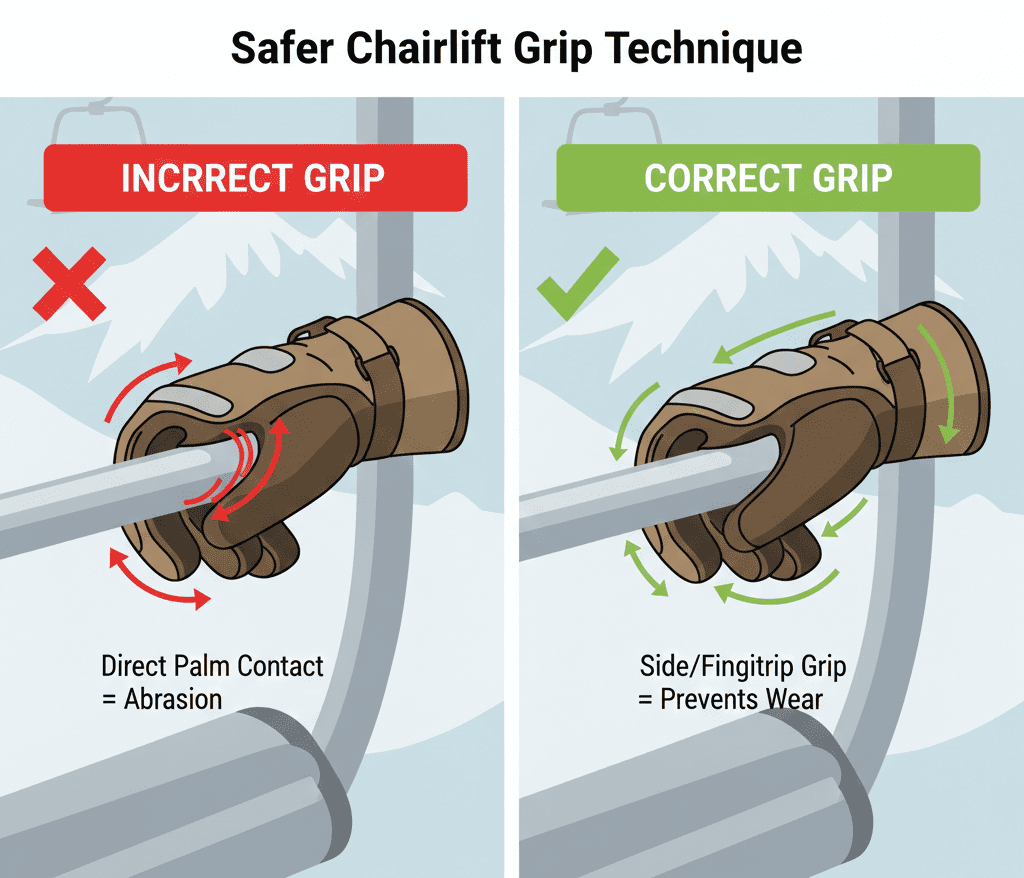
Grip With the Edge of the Palm, Not the Whole Surface
Most abrasion happens when the entire palm drags across the safety bar.
Shifting to a “side palm” grip keeps less material in contact and reduces scraping.
It feels odd for one or two rides, but every instructor I know teaches this to protect leather palms.
Avoid Resting Gloves on Ice-Crusted Bars
When a bar freezes overnight, the surface turns rough like sandpaper.
Resting palms on that crust during loading or unloading accelerates wear.
If the bar looks frosty or textured, lift with fingers instead of laying the glove flat.
Use Gloves With Reinforced Palm Patches
Some gloves include added patches in high-wear zones instead of a single smooth palm.
Those patches take the abuse instead of the main leather or synthetic layer.
It’s not about brands — just look for extra material at the palm center and along the thumb crease.
Treat Leather Before Spring or Wet Days
Wet leather softens, then dries stiff and cracks after repeated contact with metal.
A light treatment with standard leather balm or wax keeps it conditioned and less prone to scuffing.
I usually do this before warm spring laps or wet storm days and it noticeably slows wear.
Seat Position Awareness on Mixed Chairs
Snowboarders load differently and their edges often bump gloves during the shuffle.
If you’re sitting next to a border, keeping your palm turned up or centered avoids edge cuts.
Kids especially get nicked here because they don’t anticipate the board swing.
For Kids: Train “Open Palm” Gripping
Kids instinctively squeeze the safety bar like a pull-up bar.
That full-palm grip grinds off material in a season.
Teaching an “open palm” grip — fingers curled, palm lifted — cuts wear immediately and is easy for them to remember.
Final Takeaway
Understanding why ski gloves get damaged on chairlifts makes prevention simple. Small habit adjustments, a bit of gear awareness, and basic glove care go a long way.
Most damage is avoidable, and none of the fixes require buying new gear mid-season — which is always a win for parents and weekend skiers.
Common Mistakes That Make Damage Worse
Most glove damage on lifts doesn’t come from a single scrape. It builds up from small habits over a season. From my experience, these are the mistakes that accelerate wear the fastest.
Gripping the Bar Tightly the Whole Ride
A tight grip drags the full palm against cold metal.
Over a day of laps, that friction chews through leather faster than actual skiing does.
A light or “edge of palm” grip slows the wear immediately.
Drying Leather Directly on Heat Sources
Putting wet gloves on heaters or boot dryers dries them too fast.
The leather stiffens, cracks, and becomes easier to scrape on chairlift bars.
Air-dry with space and mild warmth — never direct heat.
Neglecting Waterproof Treatment
When leather absorbs water, it softens and loses its protective top layer.
On the next lift ride, that soft surface scuffs twice as fast against metal.
A quick treatment before wet or spring days makes a huge difference.
Leaving Gloves Wet Overnight
Wet palms break down faster and tend to develop rough spots.
Those rough spots grab onto textured lift bars and wear faster.
If you ski multiple days in a row, drying between days is huge for longevity.
Buying Non-Reinforced Palms for Lift-Heavy Terrain
Smooth single-layer palms look clean, but they aren’t ideal for lift-heavy resorts.
Instructors, parents, and beginners ride lifts constantly and see faster wear.
Reinforced patches stand up to abrasion much better over a full season.
When It Becomes a Safety or Replacement Issue
Most chairlift wear is cosmetic at first. It looks rough, but it doesn’t change how you ski. The point where it becomes a real problem is when the glove can no longer protect your hand or hold poles safely.
From my experience, these signs matter more than how “used” the glove looks.
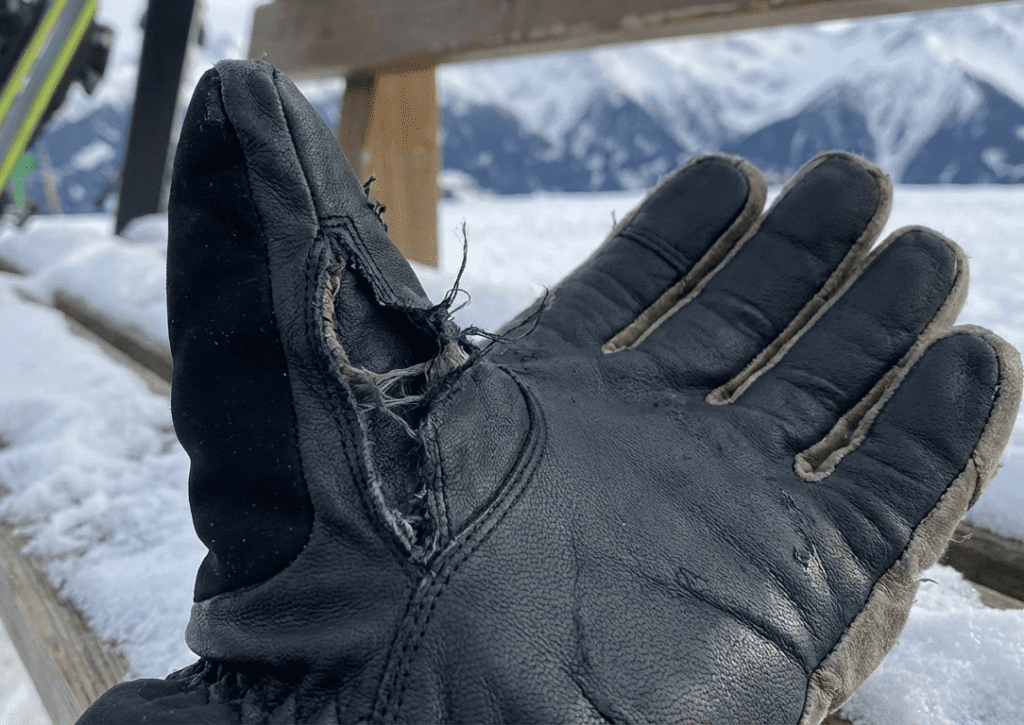
Torn Palm Seams
A torn seam exposes the inner layers and opens quickly with lift friction.
Once the seam goes, the glove loses warmth fast and water gets in more easily.
At this stage repair rarely holds under daily skiing.
Exposed Insulation
If you can see insulation fibers or padding, the glove has already lost structure.
These fibers soak water, freeze, and make the glove stiff by the second run.
That stiffness makes gripping poles or bars awkward and sometimes unsafe.
Loss of Grip on the Palm
When the palm gets polished smooth or the rubber coating peels, poles slip more.
Ski instructors watch for this early because it affects control on steeps.
If poles twist out of your hand, it’s time to replace them.
Material Cracking on Leather Palms
Dry, cracked leather absorbs water and tears along those crack lines.
This happens faster in spring slush or warm storm cycles.
Conditioning helps, but deep cracking usually means the glove is near the end.
Rubber or PU Palm Peeling
Cheaper gloves often use PU or rubber overlays for grip.
Once these start peeling, they catch on lift bars and tear chunks off.
The peeling also exposes softer fabric that wears out much quicker.
When Replacement Is Actually Needed
Replacement makes sense when the glove can no longer:
• keep hands warm
• stay dry through a run
• grip poles or lift bars safely
• protect from abrasion
If it’s only cosmetic scuffing, most skiers keep riding with it.
If the glove fails on warmth, grip, or water resistance, replacement is the more practical move.
Quick FAQ: Why Ski Gloves Get Damaged on Chairlifts
Do leather ski gloves get damaged faster on chairlifts?
Yes, leather is durable but abrasion-sensitive. Grabbing cold metal bars repeatedly can scuff or crack the surface, especially if gloves are wet or untreated. From my experience, conditioning leather before spring or wet days slows this damage significantly.
Why do my gloves crack around the palms?
Cracking usually happens when wet gloves freeze or when leather dries too fast after exposure. Flexing the material while frozen stresses the fibers. This is more common on older gloves or after repeated wet snow exposure.
Can you repair chairlift scuffs on gloves?
Minor scuffs can be softened with leather conditioner or a rubber patch for synthetic palms. Deep tears or exposed insulation usually require replacement. From personal experience, small fixes work for a season, but repeated lift wear needs careful monitoring.
Are rubber palms more durable than leather?
Rubber palms resist scuffs better on metal bars and mixed seating. They maintain grip in wet or icy conditions, but in extreme cold, rubber can stiffen and eventually crack. I’ve found reinforced rubber or hybrid palms last longer in lift-heavy terrain.
Should kids use mittens or gloves on lifts?
For small hands, mittens reduce exposed seams but limit grip. Gloves with reinforced palms and open-hand gripping techniques protect kids from scuffs while allowing control on poles. Teaching proper lift habits early prevents most damage.
Final Verdict
Yes, it’s normal for gloves to show some wear from chairlifts, especially on metal bars or icy days.
Yes, most damage can be prevented with simple habits, proper care, and the right glove materials.
No, you don’t need to replace your gloves immediately unless there’s tearing, exposed insulation, or serious cracking.
Technique, awareness, and regular leather or material care matter more than any single gear upgrade.
For more practical tips, you can check our other guides, including our post on why ski gloves get slippery when wet. These guides help you protect your gear and enjoy your day on the mountain without worry.
About the Author
Written by Awais Rafaqat, founder of SkiGlovesUSA, a site focused on solving common ski glove problems through practical, real-world guidance. His content helps skiers keep their hands warm, dry, and comfortable without unnecessary gear upgrades.