
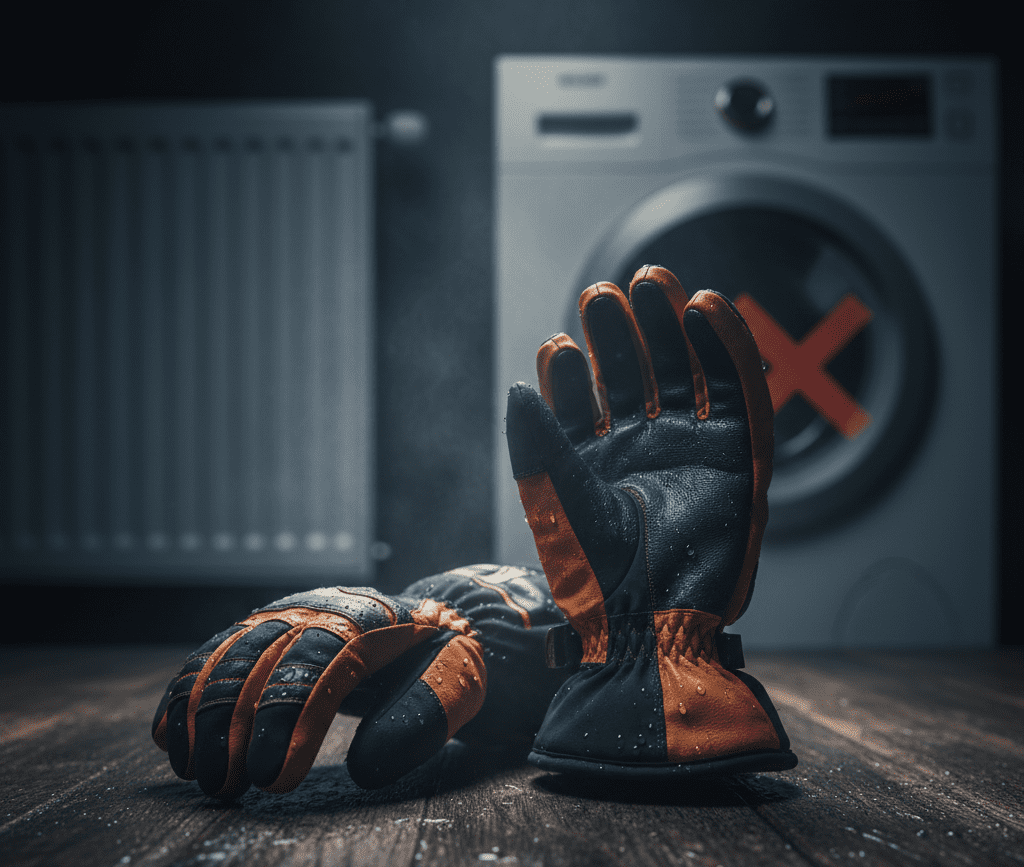
Ski gloves shrinking after washing is a common problem — and it usually surprises people. You wash them once, let them dry, and suddenly they feel tight, stiff, or uncomfortable. Many skiers assume the gloves are ruined, but in most cases, they’re not.
This happens because ski gloves are made with special materials that react badly to heat, water, and improper drying. When washed the wrong way, these materials can shrink or harden, changing how the gloves fit and feel.
This guide is written based on real-world ski glove use, material behavior, and cold-weather safety principles—not brand claims or shortcuts.
In this guide, you’ll learn why ski gloves shrink after washing, what actually causes it, and what you can do to fix the problem — or prevent it completely next time. The advice here is based on how ski glove materials are designed to work, not marketing claims or quick hacks.
What Causes Ski Gloves to Shrink After Washing?
The short answer is simple: heat, water stress, and materials that don’t like rough washing.
Most ski gloves aren’t built for normal laundry machines, even if they look tough.
Below is a clear breakdown of what actually goes wrong.
Heat Damage (The #1 Reason)
Hot water is the biggest culprit.
Even one warm wash can change how gloves fit.
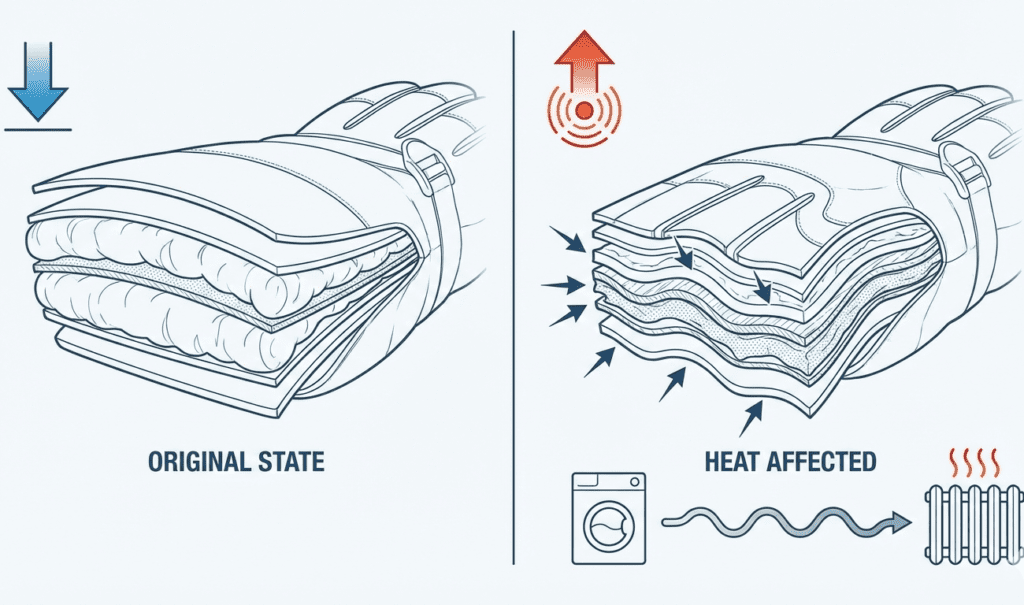
Synthetic insulation shrinks when overheated.
It compresses and pulls the glove tighter around your fingers.
Leather reacts even worse.
Heat dries it too fast, making the material tighten and stiffen at the same time.
Water + Agitation Stress
Washing machines twist gloves in ways hands never would.
That constant spinning puts stress on seams and stitching.
As the fabric pulls and twists, it tightens when drying.
Inside insulation can also clump together and contract.
From my experience, this is why gloves often feel tight in strange spots, not evenly smaller.
Leather and Natural Materials Reacting to Water
Leather fibers swell when wet, then shrink as they dry.
If drying happens too fast, the fibers lock into a tighter shape.
That’s why gloves can feel stiff and smaller at the same time.
Leather ski gloves shrink faster than synthetic ones when washed wrong.
Cold-weather gear guides and outdoor care experts warn about this for a reason.
Manufacturer Washing Limits
“Hand wash only” isn’t a suggestion — it’s a warning.
Those instructions exist because the materials are sensitive.
Machine washing breaks protective coatings and soft linings.
Once those layers fail, gloves lose flexibility and fit faster.
Ignoring the label is one of the most common mistakes beginners make — I’ve done it too.
Can Shrunken Ski Gloves Be Fixed?
Let’s be honest first.
Some ski gloves can be saved — others are done for. Knowing the difference saves time and money.
This is the part most guides avoid. We won’t.
When Gloves Can Be Saved
If the shrinkage is mild, you still have a chance.
Gloves that feel slightly tighter but still bend are usually fixable.
The material should feel soft, not stiff.
Leather should bend without cracking or squeaking.
From my experience, gloves that shrank after one gentle wash often recover with proper care.
When They’re Permanently Damaged
If the leather feels hard or board-like, the damage is permanent.
Heat has locked the fibers into a smaller shape.
Extreme tightness is another red flag.
If fingers feel crushed or circulation is blocked, stretching won’t help.
Torn seams or flattened insulation also mean it’s over.
At that point, fixing them costs more effort than replacing them.
If gloves hurt your hands or cut circulation, don’t force them.
Walking away from bad gear is sometimes the safest and smartest move.
How to Fix Shrunken Ski Gloves (Step-by-Step)
If your ski gloves shrank after washing, don’t panic.
In many cases, you can fix them if the damage is not extreme.
I’ve personally saved more than one pair using the steps below.
The key is patience, gentle handling, and zero heat.
This method follows the same care principles recommended by glove manufacturers and winter-sports safety experts.
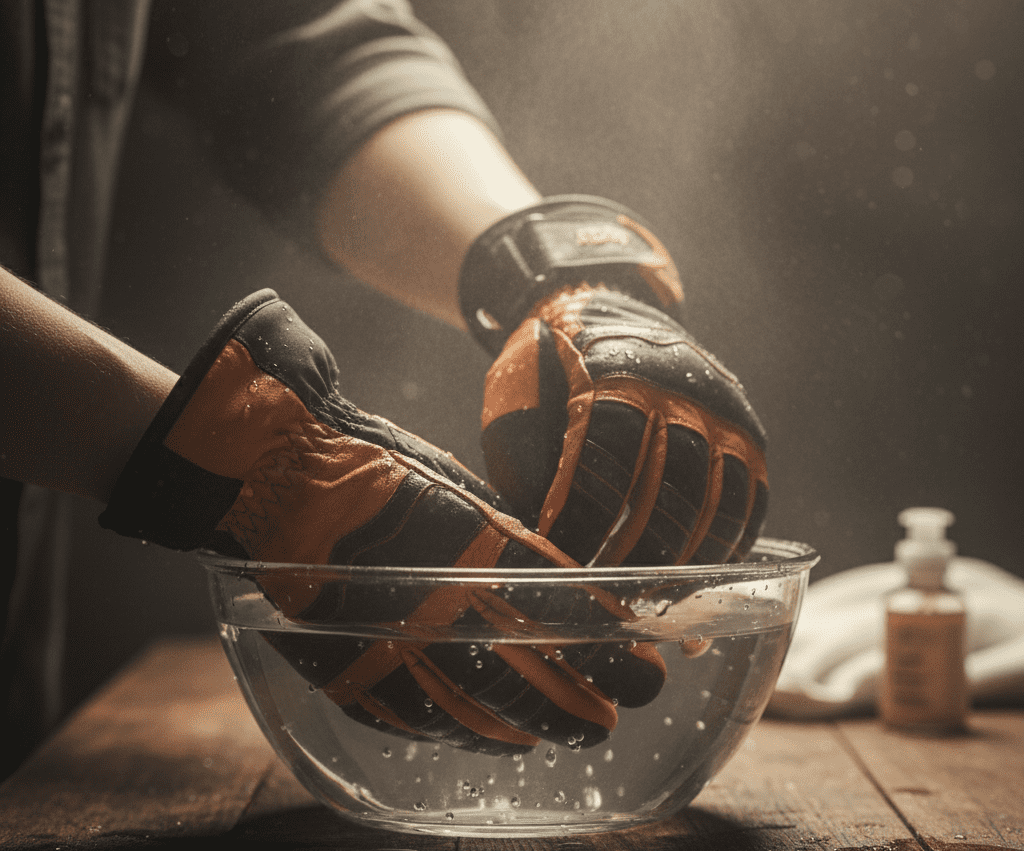
Gentle Rehydration Method (Synthetic Gloves)
This works best for synthetic gloves and liners.
It also helps gloves with breathable membranes like GORE-TEX, which can tighten after drying too fast.
Start with lukewarm water only.
Never use hot water — it locks fibers into a smaller shape.
Lightly soak the gloves until they feel damp, not dripping.
You want flexibility, not saturation.
Put the gloves on while they’re damp.
Gently open and close your hands to stretch the fingers naturally.
Hold light stretches for a few seconds at a time.
Stop if you feel resistance — forcing it causes tearing inside.
Let the gloves air dry while still worn for a few minutes, then remove and dry flat.
This helps them keep the correct hand shape.
Leather Glove Softening Method
Leather needs a different approach.
Water alone can make leather worse if used wrong.
Lightly dampen the gloves with a cloth.
They should feel cool and flexible, never wet.
Put your hands inside and slowly reshape each finger.
Bend, straighten, and relax — no pulling or twisting.
Once flexible, apply a leather conditioner, not oil.
Conditioners restore softness without breaking the leather structure.
From my experience, this step makes the biggest difference.
Unconditioned leather dries stiff and shrinks again.
Let leather gloves air dry at room temperature.
Lay them flat and reshape once more halfway through drying.
Critical Warning (Do Not Skip)
Heat will permanently ruin gloves.
This is confirmed by outdoor gear labs and leather care specialists.
No hot water
No hair dryers
No radiators or heaters
Even “low heat” causes shrinkage to lock in.
Cold-weather gear designers agree that controlled moisture + slow reshaping restores fibers.
Heat breaks insulation, stiffens leather, and crushes internal layers beyond repair.
If your gloves don’t improve after this, they’re likely past saving — and that’s okay.
Knowing when to stop is part of protecting your hands and staying safe on the mountain.
How to Wash Ski Gloves Without Shrinking Them (Prevention)
This is the part most beginners get wrong.
Ski gloves don’t shrink because they’re low quality — they shrink because they’re washed like regular clothes.
If you follow the steps below, you’ll avoid damage and keep the original fit.
Correct Washing Method
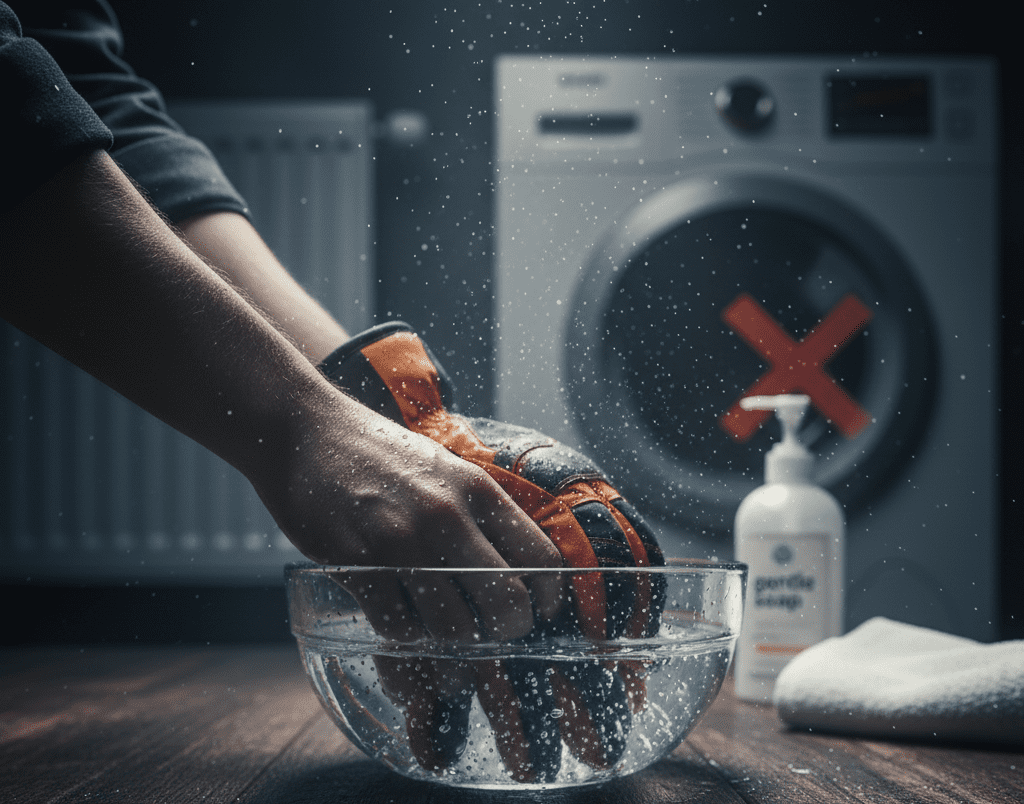
Always wash ski gloves by hand.
Machines pull, twist, and stress the seams in ways gloves are not built to handle.
Use cold or lukewarm water only.
Warm water is enough to relax fibers without causing shrinkage.
Choose a mild detergent made for outdoor or delicate fabrics.
Strong cleaners strip protective layers and weaken insulation.
Gently squeeze the gloves in water.
Do not scrub, wring, or twist them.
Drying the Right Way
Drying is where most damage happens.
Take your time here — it matters more than washing.
Air dry gloves at room temperature.
Lay them flat or hang them with fingers pointing down.
Pointing fingers down lets water drain out naturally.
This prevents pooling inside the fingertips.
Keep gloves away from sunlight, heaters, and vents.
Slow drying protects shape and insulation.
Why Dryers Ruin Ski Gloves
Dryers apply constant heat and motion.
That combination permanently shrinks glove materials.
Heat crushes insulation loft.
Once flattened, it never fully rebounds.
Shell fabrics and liners tighten under heat.
That’s why gloves feel stiff, short, and tight after drying.
If you want a deeper breakdown, link readers to:
How to wash Ski Gloves Without Damaging Them
From experience:
Every pair I’ve ruined was damaged in the dryer, not the wash.
Once I switched to hand washing and air drying, shrinkage stopped completely.
This method isn’t faster — it’s safer.
And it saves you from replacing gloves that still had years left.
Common Mistakes That Shrink Ski Gloves
Most ski gloves don’t shrink slowly.
They shrink after one bad wash caused by small, avoidable mistakes.
Below are the most common ones I see beginners make every season.
Washing gloves with ski jackets
Jackets are heavier and pull gloves around during washing.
This stretches seams and tightens the glove shape.
Using fabric softener
Softener coats the fibers instead of cleaning them.
It breaks protective layers and causes materials to tighten as they dry.
Wringing gloves to remove water
Twisting forces insulation and stitching out of place.
When they dry, the glove locks into a smaller shape.
Hanging gloves from the fingertips
Water weight pulls the glove downward while drying.
Fingers shrink and feel shorter afterward.
“Just one quick dryer cycle”
Even low heat is enough to cause damage.
Shrinkage often happens in the first few minutes.
One Wash Can Ruin a $150 Pair
Most glove damage isn’t from use on the mountain.
It happens at home, after a single careless wash.
Learning what not to do matters as much as doing it right.
Avoid these mistakes, and your gloves will keep their fit season after season.
Quick Checklist: Prevent Ski Gloves From Shrinking
This checklist is meant to be saved and reused.
Each step fixes one common mistake that causes ski gloves to shrink after washing.
Wash Ski Gloves by Hand Only
Hand washing keeps full control over pressure and movement.
Washing machines twist gloves in ways hands never would, which pulls seams tight and crushes insulation.
From my experience, most “mystery shrinkage” starts with one machine wash.
Use Cold or Lukewarm Water
Heat is the fastest way to ruin glove materials.
Cold or mild water protects insulation, stitching, and the outer shell from tightening up.
Even warm water can slowly shrink gloves over time.
Choose a Gentle Detergent
Strong detergents strip protective layers from gloves.
A mild cleaner removes sweat and dirt without damaging fibers or coatings.
This matters even more for waterproof gloves with layered construction.
Never Twist or Wring Gloves
Twisting forces water out by crushing the inside.
That pressure causes insulation to clump and the glove shape to lock smaller as it dries.
Always press water out gently instead.
Air Dry Away From All Heat
Heat sources speed up drying but destroy glove structure.
Radiators, heaters, sunlight, and dryers all cause shrinking and stiffness.
Slow air drying keeps the original size intact.
Reshape Gloves While Damp
While gloves are slightly damp, put your hands inside.
Gently open and close your fingers so the gloves dry in a natural shape.
This small step often saves gloves from feeling tight later.
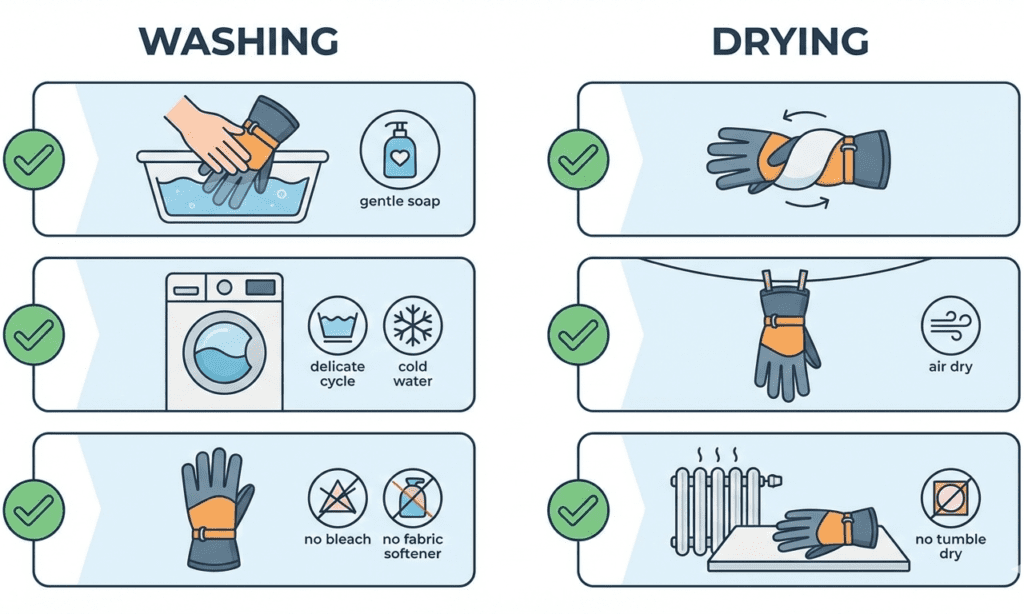
If you follow this checklist every time, ski gloves rarely shrink.
It’s not about special products—it’s about avoiding heat, force, and shortcuts.
FAQs – Why Ski Gloves Shrink After Washing
These quick answers clear up the most common worries skiers have after gloves shrink.
Short, honest, and based on how ski gloves are actually made and used.
Do all ski gloves shrink when washed?
No, but many do if washed the wrong way.
Heat, machine washing, or rough drying are usually the real cause—not the gloves themselves.
Can Gore-Tex ski gloves shrink?
Yes, the outer fabric or insulation can shrink if overheated.
The membrane stays stable, but the glove shape can still tighten.
Why did only the fingers shrink?
Fingers have less insulation space and more stitching.
Heat and twisting hit those areas first, so shrinkage shows there before the palm.
Is shrinkage covered by warranty?
Usually no if washing instructions were ignored.
Most brands treat shrinkage as user damage, not a defect.
Should ski gloves ever go in a washing machine?
No, machines cause twisting and heat stress.
Hand washing is the safest way to keep gloves fitting correctly.
When to Replace Shrunken Ski Gloves
Sometimes ski gloves can’t be saved — and pretending otherwise is how people get hurt.
If shrinking causes circulation to be blocked, the gloves are no longer safe. Tight gloves restrict blood flow, which means your fingers lose heat faster instead of staying warm.
Pay attention to warning signs:
- Fingers go numb faster than before
- Tingling or pins-and-needles feeling
- Pressure around knuckles or fingertips
- Gloves feel tight even without liners
Another red flag is grip control. If shrunken gloves make it harder to grip ski poles, adjust straps, or react quickly, your control on the slopes is compromised. That increases fall and injury risk — especially in cold or icy conditions.
Here’s the rule that matters most:
Safety is more important than saving gloves.
If shrinking affects circulation, warmth, or grip, replace the gloves. No repair or “break-in” is worth risking frostbite, nerve issues, or loss of control while skiing.
Final Verdict
Ski gloves shrink because of heat exposure, water stress, and improper drying — not because they’re cheap or poorly made.
The good news:
Most glove damage is completely preventable.
How you wash and dry ski gloves matters more than the brand or price. Even high-end gloves will shrink if they’re exposed to hot water, dryers, or direct heat.
Always remember:
- Fit comes before warmth
- Circulation comes before insulation
- Comfort is part of safety, not a luxury
Well-fitting gloves with proper blood flow keep your hands warmer, safer, and more responsive on the mountain. If a pair of gloves compromises circulation or control, replacing them is not a gear choice—it’s a safety decision.
For more practical, no-nonsense ski glove guides based on real use — not marketing — visit skiglovesusa.com. Every guide is written to help you ski safer, longer, and with fewer gear mistakes.
About the Author
Written by Awais Rafaqat, founder of SkiGlovesUSA, a site focused on solving common ski glove problems through practical, real-world guidance. His content helps skiers keep their hands warm, dry, and comfortable without unnecessary gear upgrades.

Pingback: Why Your Ski Gloves Shrank (And Can You Fix Them?) – Ski Gloves USA