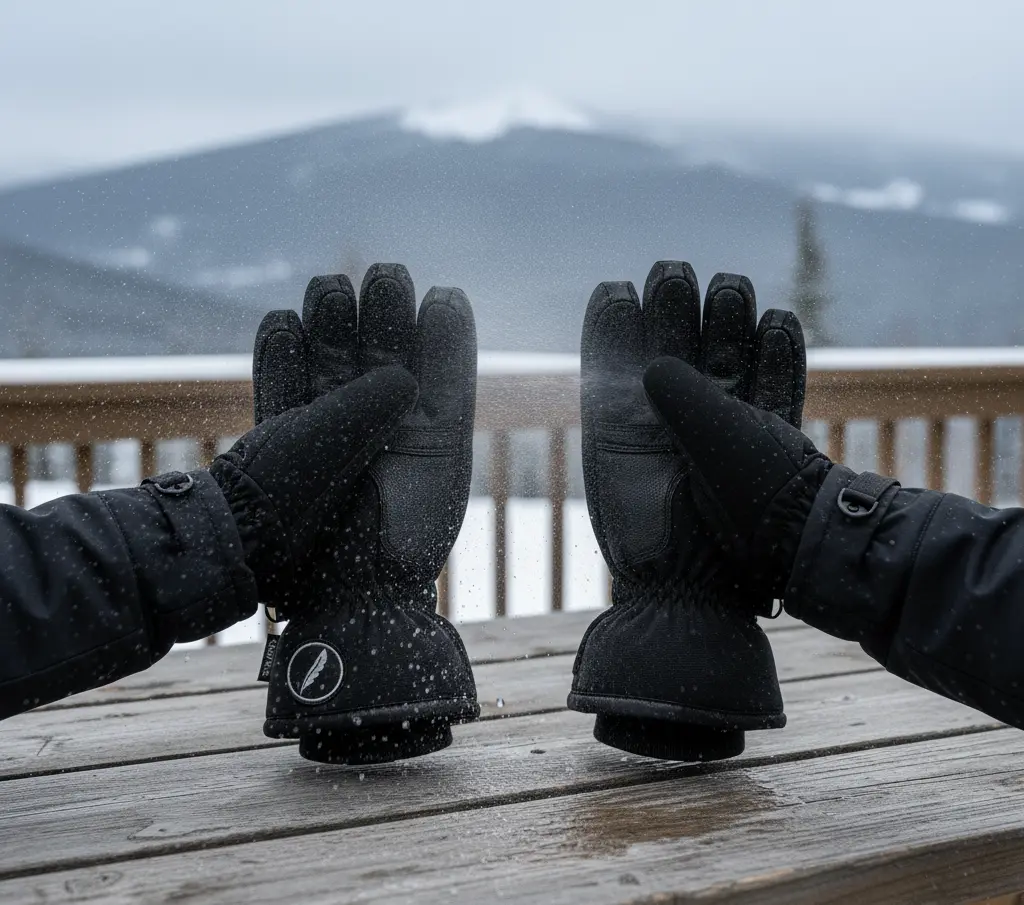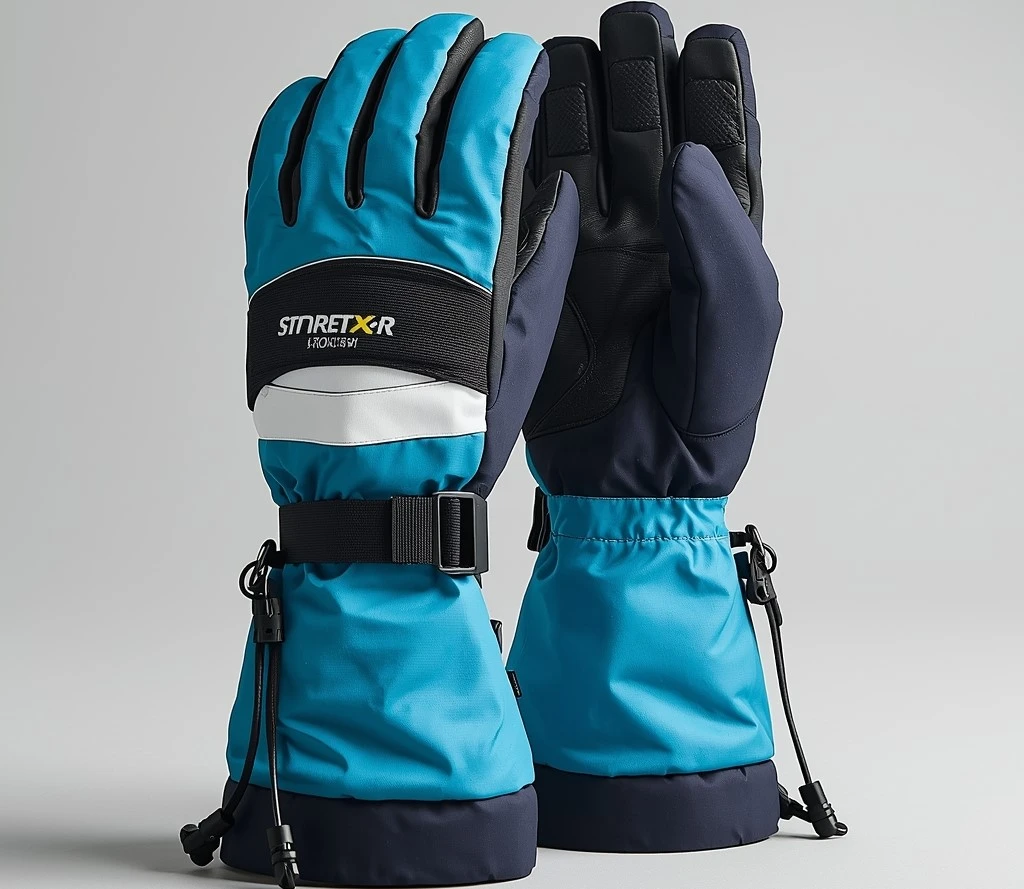
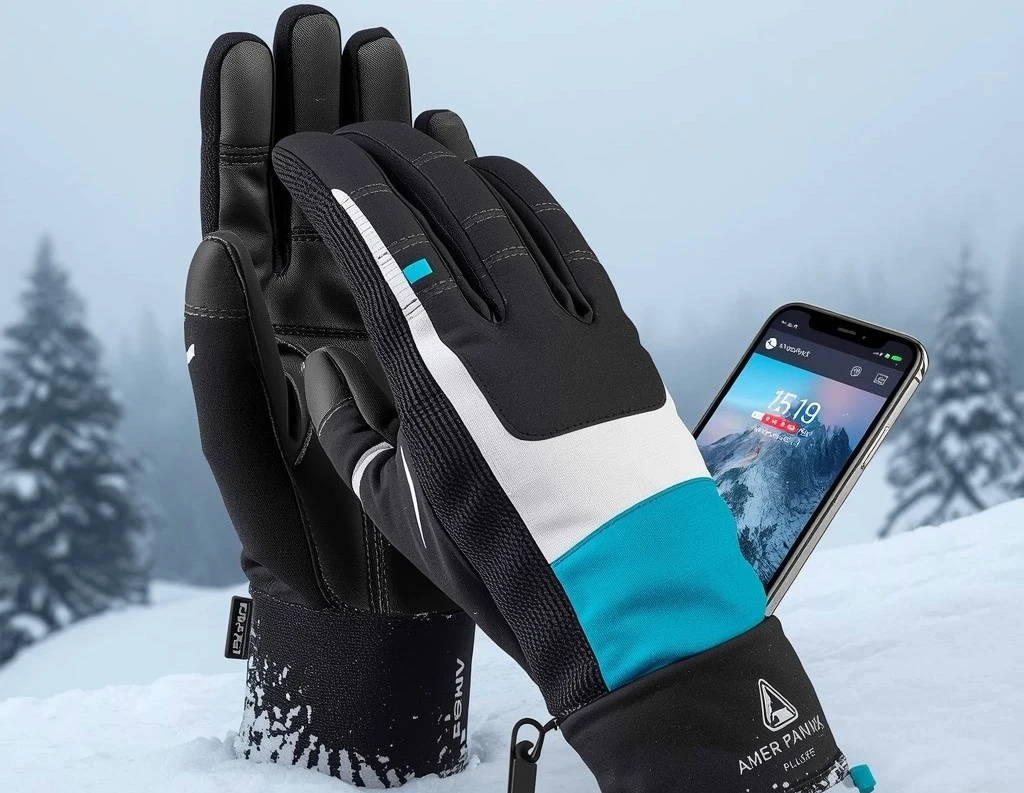
When the temperature drops below zero and you are riding a chairlift into a headwind, insulation alone isn’t enough. For skiers with poor circulation or those who spend eight hours a day in the backcountry, active heat is the only way to keep fingers from turning into ice. However, the biggest frustration with this technology is the “glove-off” trap: you need to check your map or take a photo, but your heated gloves aren’t compatible with your phone, so you pull them off and lose all that expensive warmth in seconds.
Choosing the best heated ski gloves for smartphones is about more than just finding a battery and a conductive fingertip. After fifteen years of testing gear—and ruining more than a few batteries in the rain—I’ve learned that the intersection of heating elements and touchscreen sensors is a tricky technical balance. If the heating wires are too thick, you lose dexterity; if the conductive material is poor, you’ll be stabbing at your screen in frustration.
This guide is a practical deep dive into what actually works on the mountain, based on real tests and hard-earned experience.
How I Test Heated Gloves for Smartphones
I don’t rely on the “8-hour battery life” labels. Those tests are done in labs at room temperature. Real skiing happens in the wind, the wet, and the cold. Here is my two-stage testing process.
The Home “Dexterity & Tech” Test
Before I ever hit the snow, I perform a typing test. I put on the gloves and try to send a three-sentence text message on my smartphone.
- The Failure: If I have to hit “backspace” more than five times because the fingertips are too bulky, the gloves fail.
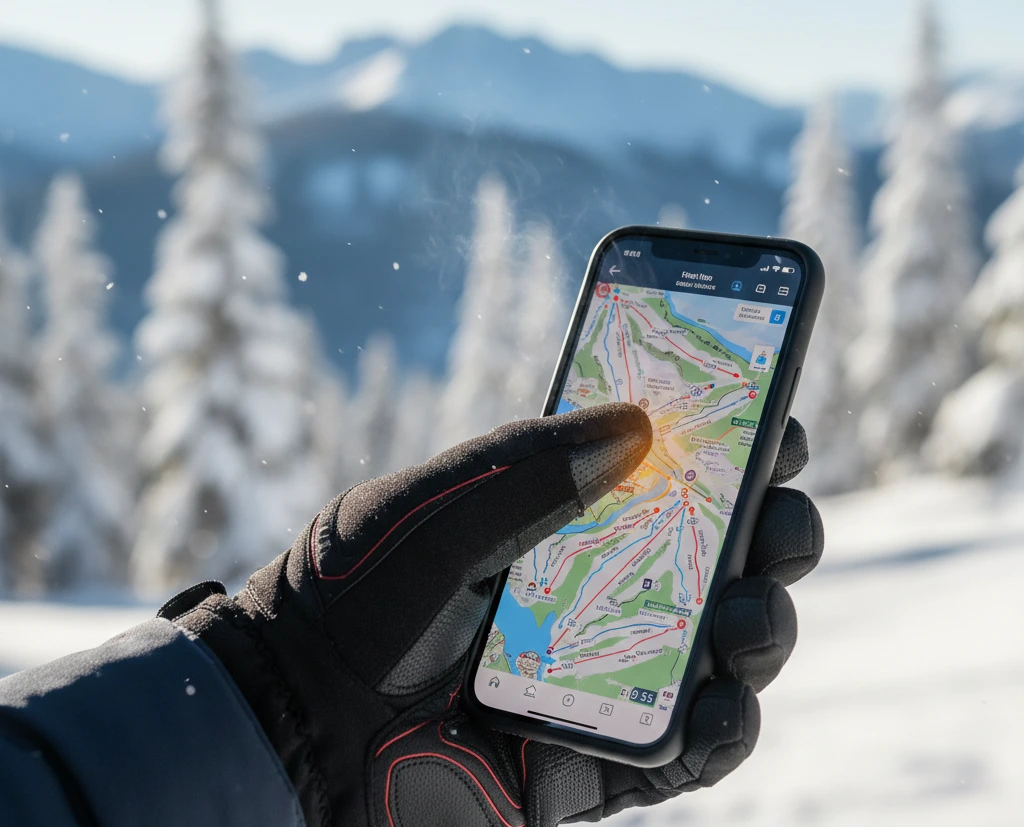
- The Sensitivity Check: I try to use the “pinch-to-zoom” gesture on a map. Many gloves can swipe, but very few have the precision to zoom in on a specific trail junction.
The Mountain “Cold-Soak” Test
I take the gloves to the summit, turn them on “High,” and leave them exposed to the wind for 30 minutes while I ski a hard run.
- The Recovery Test: I then check how long it takes for the heating elements to bring my fingertips back to a comfortable temperature.
- The Smartphone Reality: I pull my phone out at the windiest part of the ridge. If the glove requires me to press so hard that I almost drop my phone, it’s not mountain-ready.
The Core Technology: What Actually Keeps You Warm?
When you buy heated gloves, you are paying for the heating element and the battery.
Carbon Fiber vs. Steel Wires
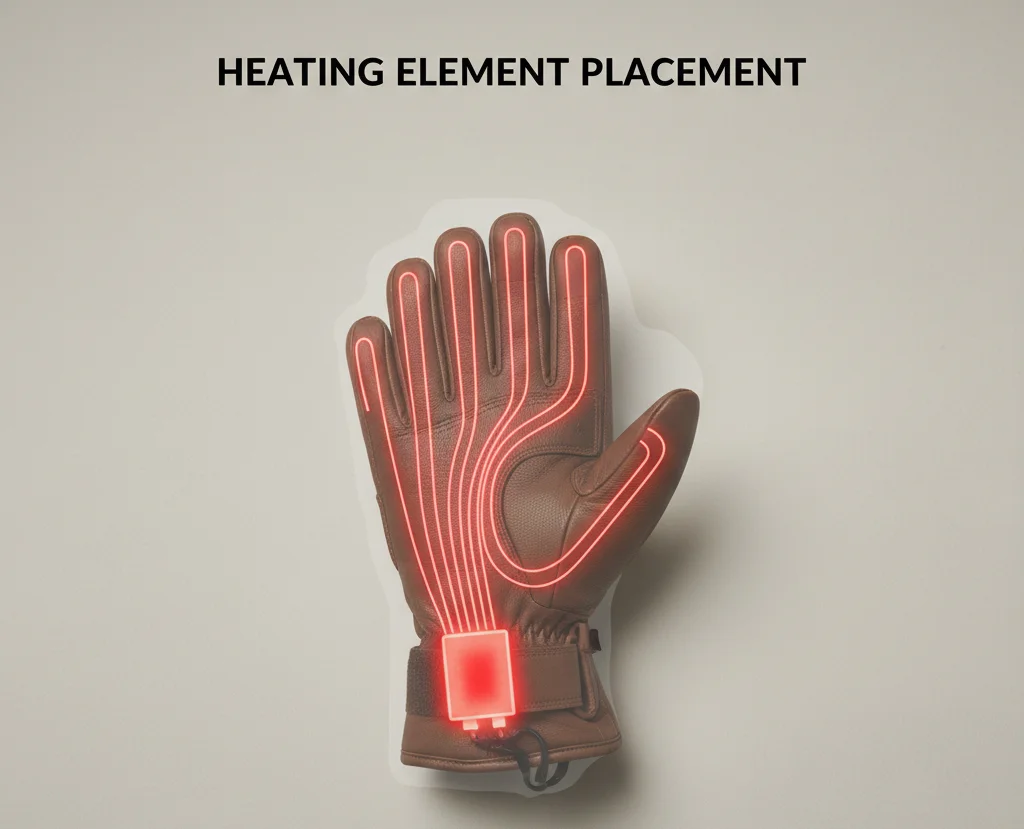
Older or cheaper heated gloves use thin steel wires. These are prone to breaking if you bunch the glove up in your bag. Modern, high-quality gloves use Carbon Fiber or Graphene heating loops. These are hair-thin, incredibly flexible, and much harder to “snap.”
- My Experience: I once used a pair of budget wire-heated gloves that developed a “hot spot” on the thumb. It felt like a needle poking me. Switching to a carbon fiber system like those found in Outdoor Research or Savior gloves eliminated that stiff, localized heat.
Battery Placement and Weight
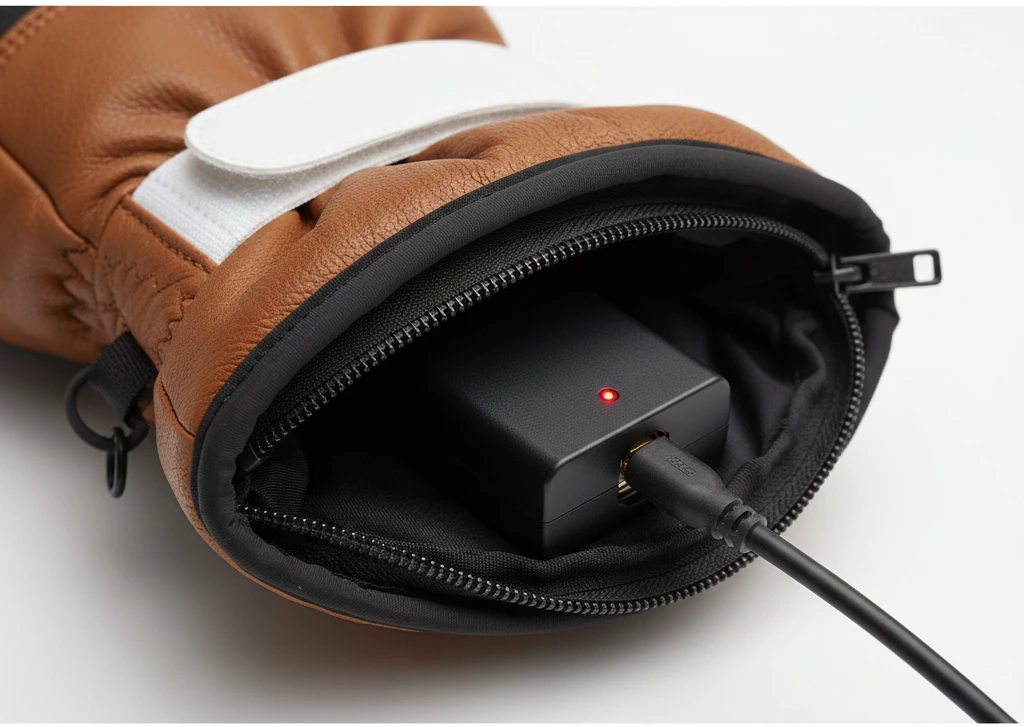
Most batteries sit in a zippered pocket on the underside of the wrist.
- The Trade-off: A 3600mAh battery lasts longer but feels like a lead weight on your arm. A 2200mAh battery is light but will die by lunch if you leave it on “High.”
- Pro Tip: Look for batteries that are curved to fit the shape of your wrist. Flat, rectangular batteries are uncomfortable when you try to tuck your glove under your jacket cuff.
Why Smartphone Compatibility Fails on the Slopes
“Touchscreen compatible” is a broad term. There are two ways manufacturers do this, and one is significantly better for skiers.
1. Conductive Silicone Prints
These are the little rubbery patterns you see on fingertips.
- The Problem: They wear off. After ten days of gripping ski poles, the friction rubs the silicone away, and your smartphone stops responding.
- When to use: Casual walking or light hiking only.
2. Conductive Leather or Thread (The Pro Choice)
High-end gloves like those from Hestra or Black Diamond sew conductive silver or copper threads directly into the leather or fabric of the pointer finger and thumb.
- The Advantage: It never wears off. Even when the glove is wet, the conductivity remains.
- Real Test: I tried a pair of Snow Deer gloves with conductive leather tips in a sleet storm. Even with water droplets on my iPhone screen, the leather tips registered my touch 90% of the time.
Decision Matrix: Choosing Based on Your Style
Not every skier needs the most expensive “Pro” model. Use this table to narrow down your search.
| Skier Type | Primary Need | Recommended Tech | Estimated Cost |
| The Resort Cruiser | Comfort & Photos | Synthetic shell, 2200mAh battery | $100 – $140 |
| The Always-Cold Skier | Maximum Heat | Mittens with 3600mAh batteries | $150 – $220 |
| The Backcountry Pro | Dexterity & Navigation | Goat leather, Carbon Fiber elements | $250 – $400 |
| The Night Skier | Extreme Wind Protection | Gauntlet style, GORE-TEX membrane | $180 – $250 |
Common Mistakes When Buying Heated Gloves
I have seen hundreds of dollars wasted on the wrong gear. Avoid these three pitfalls:
- Sizing Too Small: Heated gloves need air circulation to move the warmth around your fingers. If the glove is tight against your skin, you will feel the heating element burning one spot while the rest of your finger stays cold.
- Ignoring the Membrane: A heated glove without a waterproof membrane (like GORE-TEX or Hipora) is a hazard. If snow melts and soaks the insulation, the water will “steal” the heat faster than the battery can provide it.
- Leaving Batteries in the Cold: If you leave your gloves in the trunk of your car overnight, the lithium-ion batteries will lose 30% of their capacity before you even turn them on. Always bring your batteries inside.
How I Pick My Gear (My 15-Year Method)
I don’t just look at the heat; I look at the “analog” features. If the battery dies, is it still a good glove?
- The Palm Grip: I choose goatskin leather palms. It is the most durable material for handling skis with sharp edges.
- The “Cuff Power”: I prefer a gauntlet cuff (the long one that goes over your sleeve). It provides extra space to hide the battery and keeps snow out of the electronics.
- The Backup Plan: I always check if the brand sells spare batteries. If I’m doing a 3-day trip, I want a second set of “tanks” in my backpack.
Step-by-Step Problem Diagnosis
If your heated gloves aren’t performing, run through this checklist before throwing them away:
- Problem: Heat only lasts 2 hours.
- Diagnosis: You are likely running them on “High” constantly. Turn them to High for 5 minutes to warm up, then drop to “Low” to maintain heat.
- Problem: Phone won’t respond to touch.
- Diagnosis: There is dirt or salt buildup on the conductive tip. Wipe the fingertip with a damp cloth. Also, check if your phone has a “Screen Protector Mode” in settings to increase sensitivity.
- Problem: One hand is colder than the other.
- Diagnosis: Check the connector plug inside the battery pocket. Sometimes snow gets in and causes a tiny amount of corrosion. Clean it with a dry Q-tip.
When This is NOT the Right Choice
Heated gloves are incredible, but they aren’t for everyone.
- High-Intensity Skiers: If you are a mogul skier or someone who sweats a lot, heated gloves can be a nightmare. The heat combined with your sweat creates a “swamp” inside the glove, which eventually leads to freezing hands once the battery dies.
- Tight Budgets: A $50 “heated glove” from a random website is usually a fire hazard or a waste of money. If you can’t afford a $120+ pair, you are much better off buying high-quality non-heated mittens and using chemical hand warmers.
Decision Checklist: Before You Hit “Buy”
- [ ] Battery Capacity: Is it at least 2200mAh? (3000+ is better for full days).
- [ ] Touchscreen Points: Does it have conductive material on both the thumb and index finger?
- [ ] Material: Is the palm reinforced with leather or high-grip synthetic?
- [ ] Waterproofing: Does it have a GORE-TEX or equivalent waterproof insert?
- [ ] Fit: Did you size up slightly to allow for heat circulation?
- [ ] Warranty: Does the company offer at least a 1-year warranty on the heating elements?
Quick Maintenance Tips for Longevity
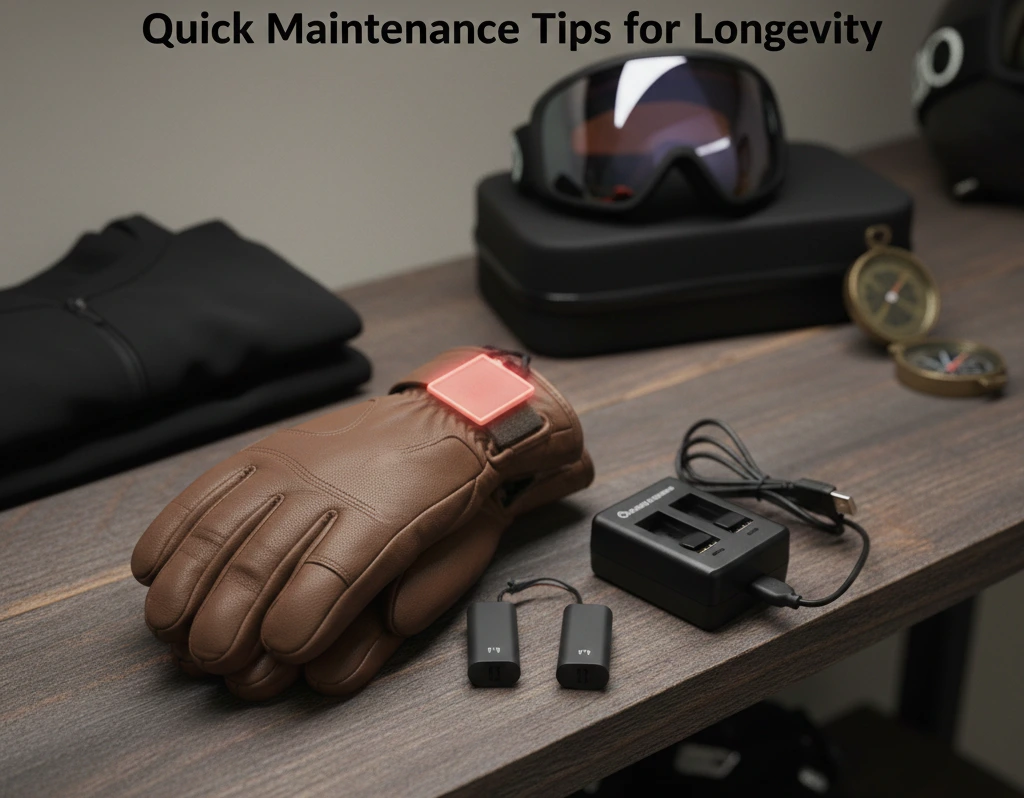
- Store at 50%: Never store your batteries completely empty or completely full over the summer. Charge them to half-power to keep the chemistry healthy.
- The “Tug” Rule: When unplugging the battery, pull by the plastic connector, not the wire. I have seen dozens of gloves ruined by people ripping the wires out of the lining.
- Air Dry Only: Never put heated gloves on a heater or in a dryer. The high heat can damage the carbon fiber loops and the waterproof membrane.
Choosing the best heated ski gloves for smartphones means you no longer have to choose between a great photo and warm hands. Invest in quality materials, manage your battery life wisely, and you’ll find that the coldest days on the mountain become your favorite ones.
Stop Fumbling With Your Screen
Buying the right pair of heated gloves is only the first step. Even with the best tech, trying to navigate a GPS map or send a text while riding a windy chairlift can be a struggle if you don’t know the “pro” tricks for touchscreen sensitivity.
If you want to learn how to adjust your phone’s settings for better response and how to handle a wet screen without losing your mind (or your heat), check out my guide on How to Use a Phone With Ski Gloves On: 5 Pro Tips for Cold Weather.
About the Author
Awais Rafaqat has over 15 years of experience testing ski gear in some of the harshest conditions across North America, from the dry sub-zero peaks of the Rockies to the wet, freezing slopes of the Pacific Northwest. He specializes in real-world gear testing to help skiers find equipment that keeps them warm, dry, and performing at their best on every run.