How tight ski gloves affect blood circulation is something many skiers don’t realize until their fingers start tingling, going numb, or even turning pale on the slopes. You might have the warmest, most insulated gloves in the shop, but if they squeeze your hands too tightly, all that insulation won’t help. Tight gloves restrict blood flow, and without proper circulation, your hands lose heat faster than you can say “chairlift.”
Most skiers blame the cold, the wind, or cheap gloves — but the real culprit is often the glove fit. When circulation slows, oxygen delivery drops, your fingers get cold, and you may even feel pain or tingling. Understanding how tight ski gloves affect blood circulation is key to keeping your hands warm, comfortable, and safe during long days on the mountain.
In this guide, we’ll break down 7 surprising ways tight gloves block blood flow and what you can do to fix them. You’ll learn:
- Why your ski gloves feel tight even if they “fit”
- How restricted blood flow causes numb fingers in ski gloves
- Tips for adjusting glove fit to restore warmth
- How to choose the right glove size for proper circulation
By the end, you’ll know exactly how to prevent cold, numb fingers and enjoy every run without sacrificing warmth or comfort. If you’ve ever wondered why tight ski gloves circulation problems leave your hands freezing despite thick gloves, this guide is for you.
- 1. Tight Gloves Compress Blood Vessels and Limit Flow
- 2. Reduced Oxygen Supply Causes Faster Numbness
- 3. Excess Pressure Creates Poor Thermal Insulation
- 4. Wrist Cuffs Cut Off Circulation Without You Noticing
- 5. Wrong Size Forces Unnatural Hand Position
- 6. Thick Liners + Tight Gloves = Double Compression
- 7. Moisture Buildup Makes Tight Gloves Even Tighter
- How to Choose the Right Ski Glove Size
- Quick Fixes if Ski Gloves Are Already Too Tight
- Common Mistakes Skiers Make That Reduce Circulation
- Tight vs Properly Fitted Ski Gloves
- FAQ – How Tight Ski Gloves Affect Blood Circulation?
- Final Advice
1. Tight Gloves Compress Blood Vessels and Limit Flow
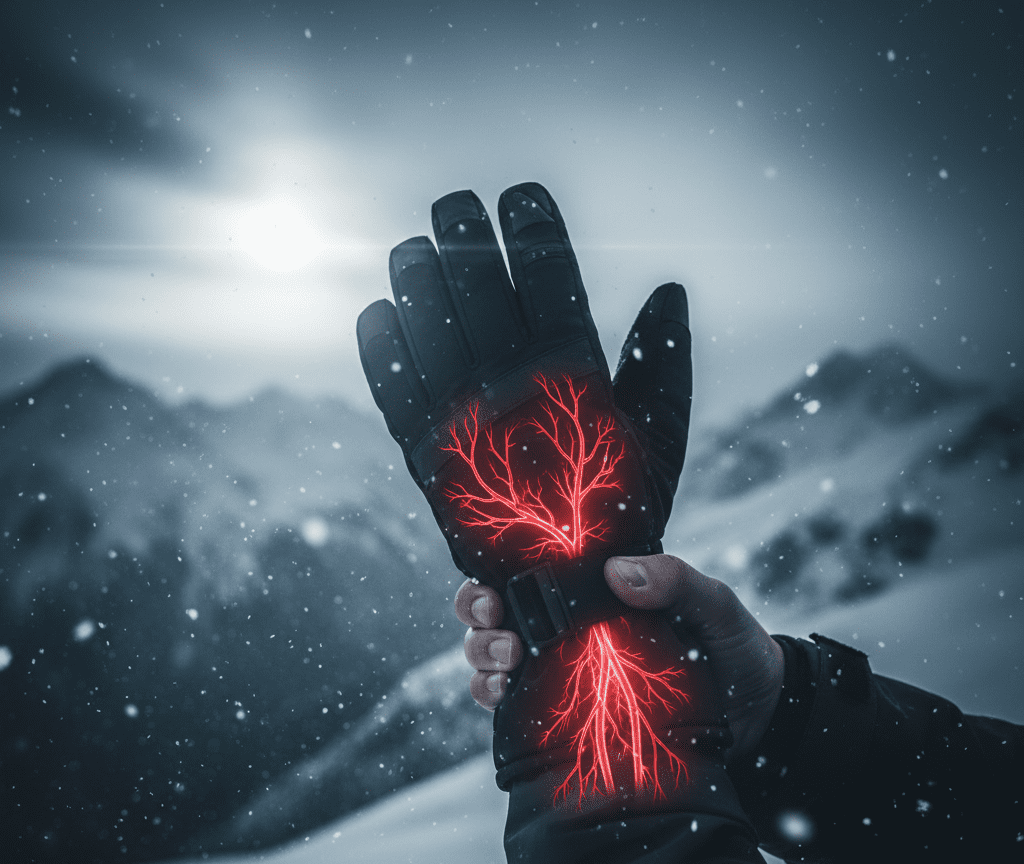
When it comes to how tight ski gloves affect blood circulation, the biggest problem is simple: restricted space. A snug glove might feel secure at first, but every time the material squeezes your hand, it compresses tiny arteries and veins. This limits blood flow, which is the main way your fingers get warmth. Even premium insulation can’t help if warm blood can’t reach your fingertips.
How Restricted Space Squeezes Arteries
Blood vessels in your hands are delicate and easily affected by pressure. Tight gloves push on these vessels, reducing the amount of oxygenated blood that reaches your fingers. This is why many skiers feel their hands go cold almost immediately when gloves are too small. Over time, repeated compression can make circulation sluggish, which explains why even long, insulated gloves fail to keep hands warm.
Why Fingers Turn Cold Faster
With reduced blood flow, heat is removed from your fingertips faster than your body can replace it. This is why tight ski gloves affect blood circulation so dramatically — it’s not just about comfort, it’s about the actual physics of heat transfer. Your fingers may start tingling, turning pale, or even feeling painful after a few runs. Many beginners don’t realize that gloves that seem slightly snug are already enough to trigger this effect.
Early Symptoms to Watch For
Recognizing circulation problems early can save your fingers from prolonged cold and discomfort:
- Tingling or prickling sensations in fingers
- Pale or bluish fingertips after short ski runs
- Fingers feeling stiff, numb, or “heavy” inside gloves
- Quick loss of warmth despite thick, insulated gloves
If you’ve ever wondered why your ski gloves feel tight even though they match the size chart, this is likely the reason: tight gloves compress arteries, reduce blood flow, and make your insulation less effective. Understanding this is the first step in fixing tight ski gloves circulation problems and keeping your hands warm all day.
2. Reduced Oxygen Supply Causes Faster Numbness
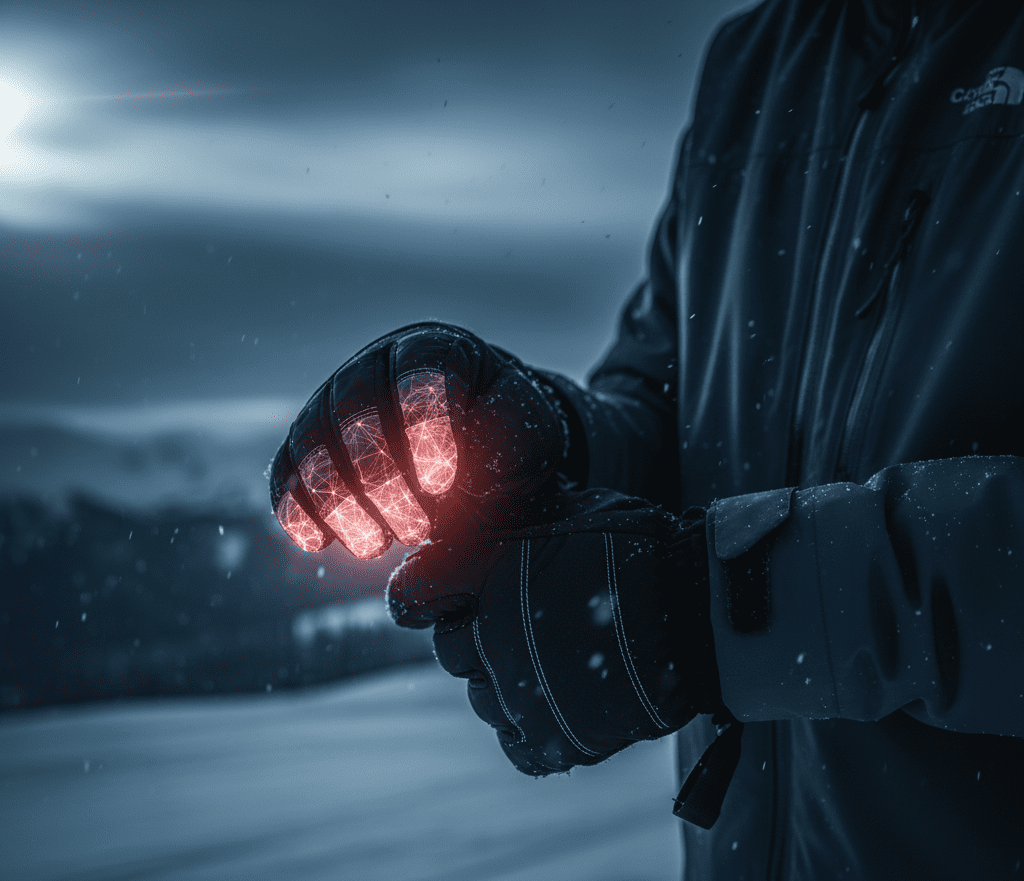
When you understand how tight ski gloves affect blood circulation, the next step is realizing what happens once circulation is restricted. Reduced blood flow means less oxygen reaches your fingertips, and oxygen is what keeps nerves and muscles working properly. Without enough oxygen, your fingers start tingling, feeling heavy, and sometimes going completely numb — even in gloves that are otherwise warm and insulated.
How Low Oxygen Leads to Tingling
Your fingers rely on a steady stream of oxygenated blood to maintain warmth and dexterity. When gloves are too tight, arteries constrict and veins can’t return blood efficiently. This creates a mini “oxygen debt” in your fingertips. That tingling or pins-and-needles sensation is your body telling you circulation is compromised. Skiers often mistake it for cold, but the root cause is how tight ski gloves affect blood circulation, not the insulation.
Real Examples Skiers Face on the Slopes
Imagine this scenario: a skier wearing brand-new, snug gloves heads up the lift on a windy morning. Five minutes into the run, fingers start to tingle. By the time they reach the bottom, their pinky and ring finger are numb. Even after stopping and shaking hands, warmth returns slowly. This is a textbook case of gloves limiting oxygen supply — tight ski gloves affect blood circulation so much that even a thick, insulated glove can’t save you.
Another common example is high-altitude skiing. Oxygen levels are already lower, and gloves that fit too tightly compound the problem. Fingers lose warmth rapidly, nerves feel “dead,” and simple tasks like gripping poles become challenging. Skiers often wonder why premium gloves aren’t keeping them warm, not realizing tight ski gloves affect blood circulation first, which in turn reduces heat transfer.
Understanding this mechanism is crucial for preventing numbness and discomfort. Once you realize that restricted blood flow is the main culprit, adjusting glove size or fit becomes the easiest and most effective fix. Properly fitting gloves ensure fingers get oxygen and warmth, stopping tingling before it starts.
3. Excess Pressure Creates Poor Thermal Insulation
One of the less obvious ways how tight ski gloves affect blood circulation is by compressing the insulation inside your gloves. Even the best Thinsulate, PrimaLoft, or down can’t perform if it’s squished flat. When your gloves are too tight, the insulation loses its ability to trap air — and trapped air is what actually keeps your fingers warm. That’s why skiers often feel cold fingers even in thick, premium gloves.
Why Tight Gloves Lose Warmth
Tight gloves don’t just limit blood flow — they crush the air pockets in insulation, which are responsible for heat retention. Without these tiny pockets, warmth escapes faster, making your fingers feel frozen long before your body registers the cold. This effect compounds how tight ski gloves affect blood circulation, because restricted blood flow already reduces warmth, and compressed insulation adds another layer of heat loss.
Signs Your Gloves Are Losing Insulation Due to Pressure:
- Gloves feel thinner than when new
- Cold fingertips despite thick insulation
- Uneven warmth across fingers
- Fingers feel stiff or sluggish
Air-Pocket Compression Explained
| Factor | Effect on Warmth | Why It Happens |
| Tight Fit | Reduces trapped air | Insulation fibers are flattened |
| Prolonged Pressure | Gradual heat loss | Air pockets can’t recover easily |
| Layering Too Much | Over-compression | Thick liners + tight gloves = minimal loft |
| Wrist Straps Too Snug | Cold transfer to fingertips | Pressure pulls insulation downward |
Every one of these factors contributes to how tight ski gloves affect blood circulation and overall warmth. Even a slight squeeze at the knuckles or finger joints can reduce insulation effectiveness noticeably.
How It Leads to Frozen Fingertips
When blood flow slows and air pockets are compressed, your fingertips become the first area to freeze. You may notice:
- Immediate tingling or pins-and-needles
- Difficulty moving fingers or gripping poles
- Fingers turning pale or blue in extreme cases
This combination of poor insulation and restricted circulation is a key reason why ski gloves feel warm initially but fail within 10–20 minutes on cold runs.
Pro Tip:
- Avoid gloves that hug every finger tightly
- Use properly sized liners (thin, moisture-wicking)
- Check insulation loft after putting gloves on — if it’s visibly compressed, try a larger size
4. Wrist Cuffs Cut Off Circulation Without You Noticing
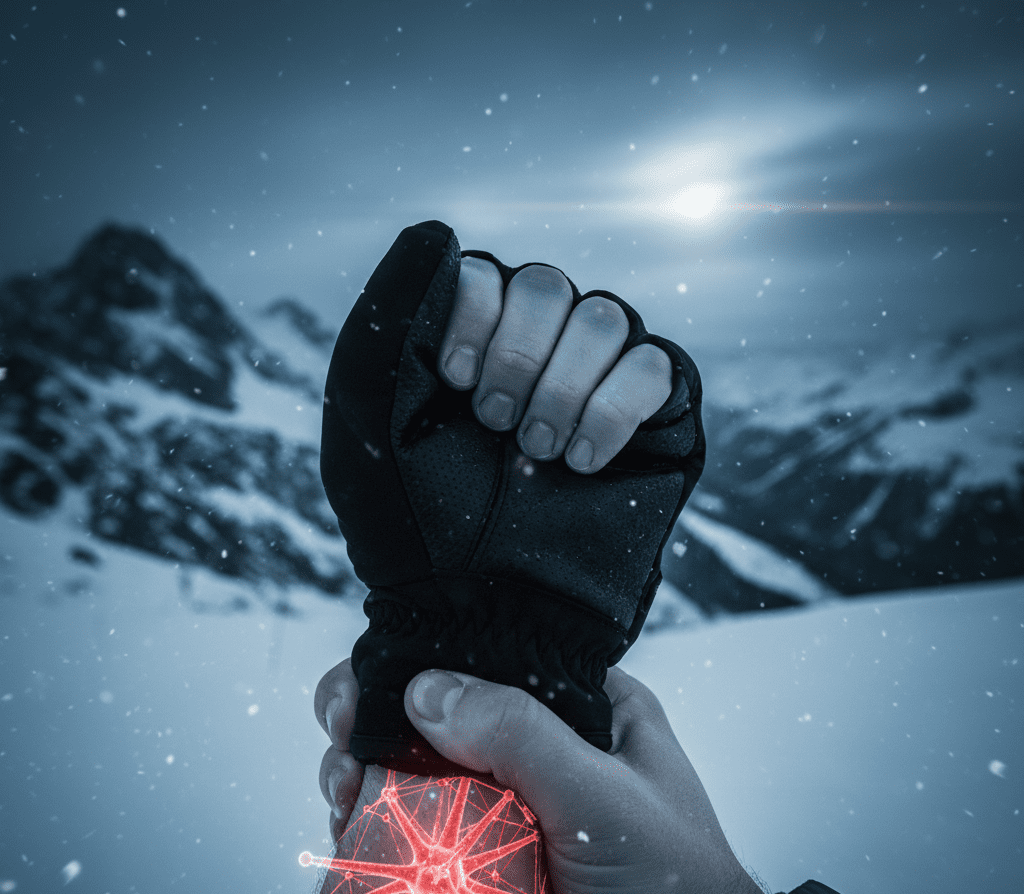
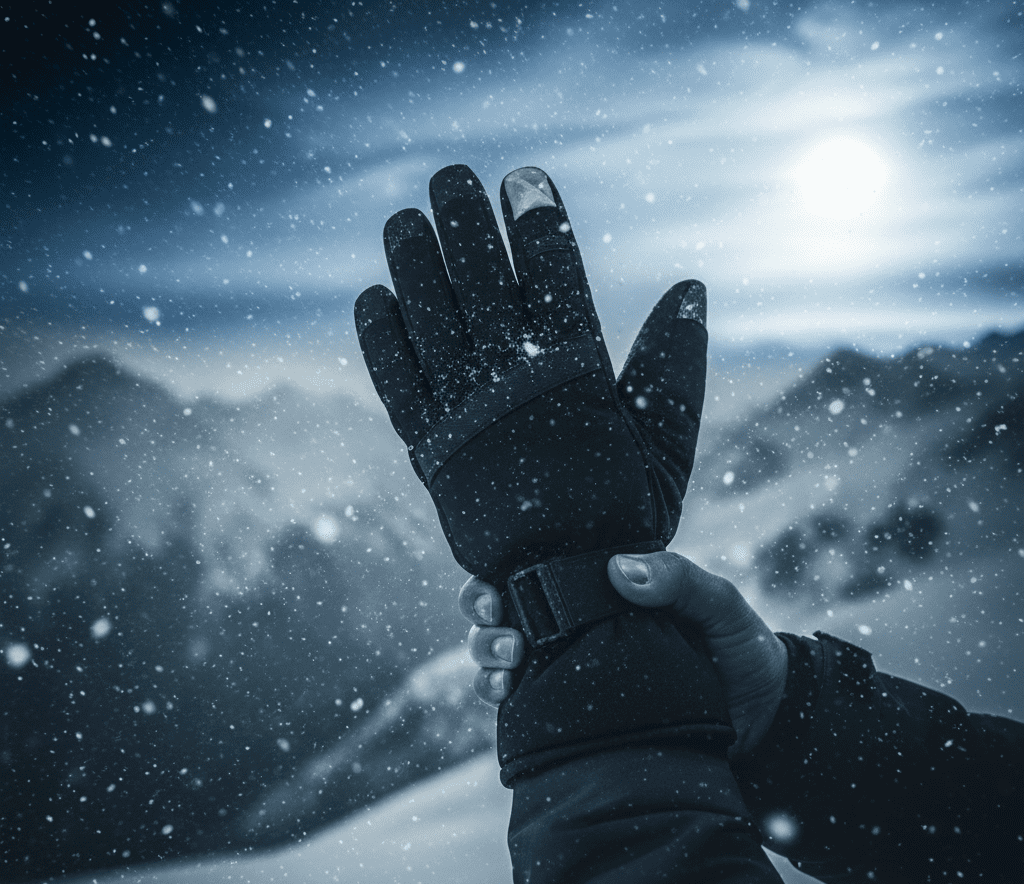
Many skiers overlook how tight ski gloves affect blood circulation, focusing only on finger fit. But over-tightened wrist cuffs can silently restrict blood flow, reducing warmth and causing fingers to go numb long before your gloves feel uncomfortable. This hidden pressure is why even high-end gloves can make hands cold quickly.
Over-Tightened Straps
When wrist straps are cinched too tightly, they compress veins and arteries around the wrist. This restriction slows blood flow to the fingers, reducing oxygen and warmth. Even if your glove insulation is excellent, poor circulation at the wrist can make it feel like your gloves aren’t keeping you warm at all.
Signs Your Wrist Cuffs Are Too Tight:
- Tingling or numbness in fingers shortly after putting gloves on
- Fingers turning pale or slightly bluish
- Discomfort at the wrist after a few minutes
- Pressure marks on skin after removing gloves
Impact on Blood Flow from the Wrist
| Wrist Cuff Issue | Effect on Blood Flow | Result for Finger Warmth |
| Straps cinched too tight | Veins compressed | Reduced oxygen delivery to fingers |
| Wrist opening too small | Arteries slightly pinched | Fingers feel colder faster |
| Over-layered gloves + tight cuff | Combined pressure | Quick onset of numbness and tingling |
| Cuff not adjusted | Slight restriction | Fingers gradually get cold |
Over-tightened wrist cuffs amplify how tight ski gloves affect blood circulation, making other issues like insulation compression even worse. Many skiers don’t realize that adjusting the cuff just ½ inch can make a huge difference in warmth and comfort.
How to Test Cuff Pressure
Quick Wrist Cuff Check:
- Put gloves on normally and tighten wrist strap comfortably.
- Make a fist and wiggle your fingers — movement should feel unrestricted.
- Check fingertip color after 5 minutes — should remain normal, not pale.
- Slide one finger under the strap — if it’s very difficult, the cuff is too tight.
Pro Tip:
- Loosen straps slightly if fingers start tingling during lifts or breaks
- Adjust throughout the day as gloves compress or liners shift
- Remember: proper wrist fit supports both circulation and insulation efficiency
5. Wrong Size Forces Unnatural Hand Position
Wearing the wrong glove size is one of the most common reasons how tight ski gloves affect blood circulation without skiers realizing it. Gloves that are too small force your hand into an unnatural position — fingers are bent, palms cramped, and movement restricted. Over time, this strain directly worsens circulation, making your fingers cold and numb even when insulation is good.
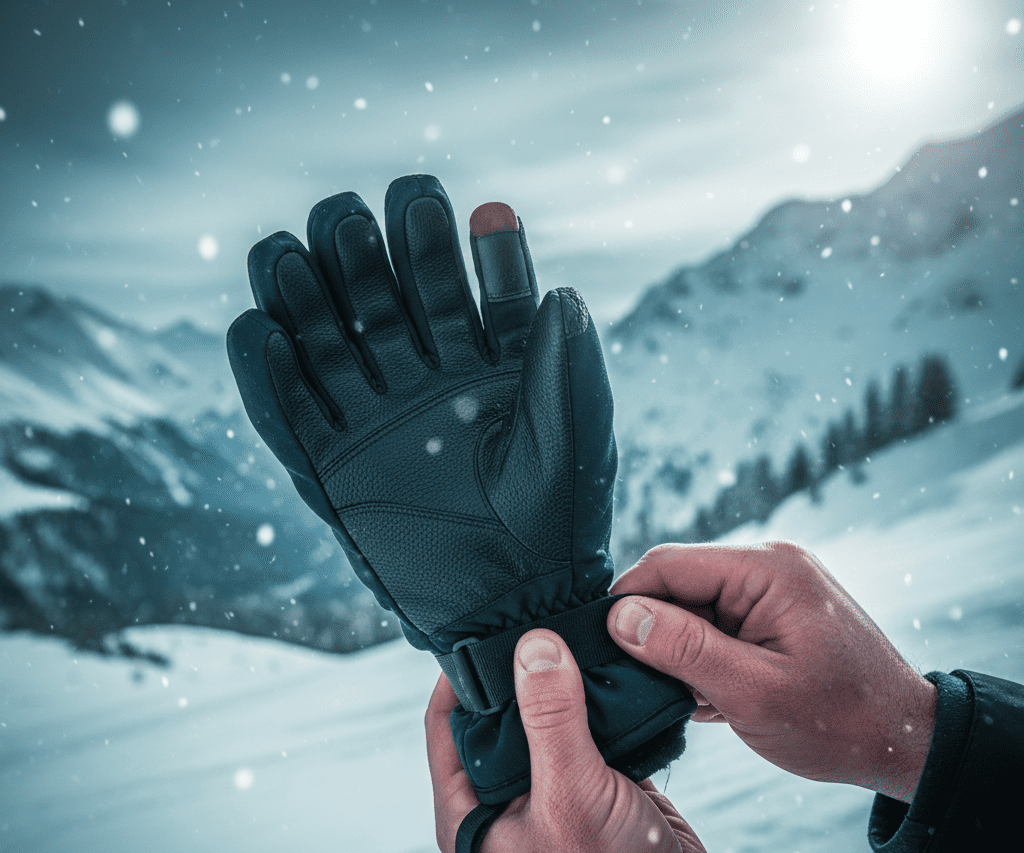
Bending, Clenching, Cramped Movement
When gloves are too tight:
- Fingers are constantly bent or pressed together
- Palms may feel scrunched against seams
- Fine motor movements, like gripping ski poles, become stiff
This unnatural hand posture forces blood vessels into awkward angles, which slows circulation. Many skiers notice tingling, numb fingertips, or a “pins and needles” sensation, not realizing the culprit is simple glove size rather than insulation.
How This Strain Worsens Circulation
- Reduced blood flow means less oxygen reaches fingertips quickly
- Even the best insulation becomes less effective as warm blood doesn’t reach the extremities
- Over time, repeated strain can make fingers more prone to cold during every ski session
Quick Fix Tips for Proper Sizing
- Measure your hand length and width before buying gloves
- Try gloves on with liners you’ll actually wear — thickness matters
- Ensure fingers are straight and can move freely without squeezing
- Check the palm — there should be no tightness when gripping ski poles
Remember, why your ski gloves feel tight is often less about material and more about incorrect sizing. Choosing the right size helps maintain circulation, prevents numbness, and improves overall warmth.
6. Thick Liners + Tight Gloves = Double Compression
Adding liners might seem like a quick way to boost warmth, but if your gloves are already snug, it can seriously worsen how tight ski gloves affect blood circulation. Layering thick liners inside tight gloves compresses the hand even more, squeezing arteries and reducing blood flow. This double compression makes fingers cold faster, increases tingling, and can leave hands numb by the end of a run. Many skiers don’t realize that extra insulation can sometimes hurt circulation more than help it — which is why understanding how tight ski gloves affect blood circulation is critical before adding liners.
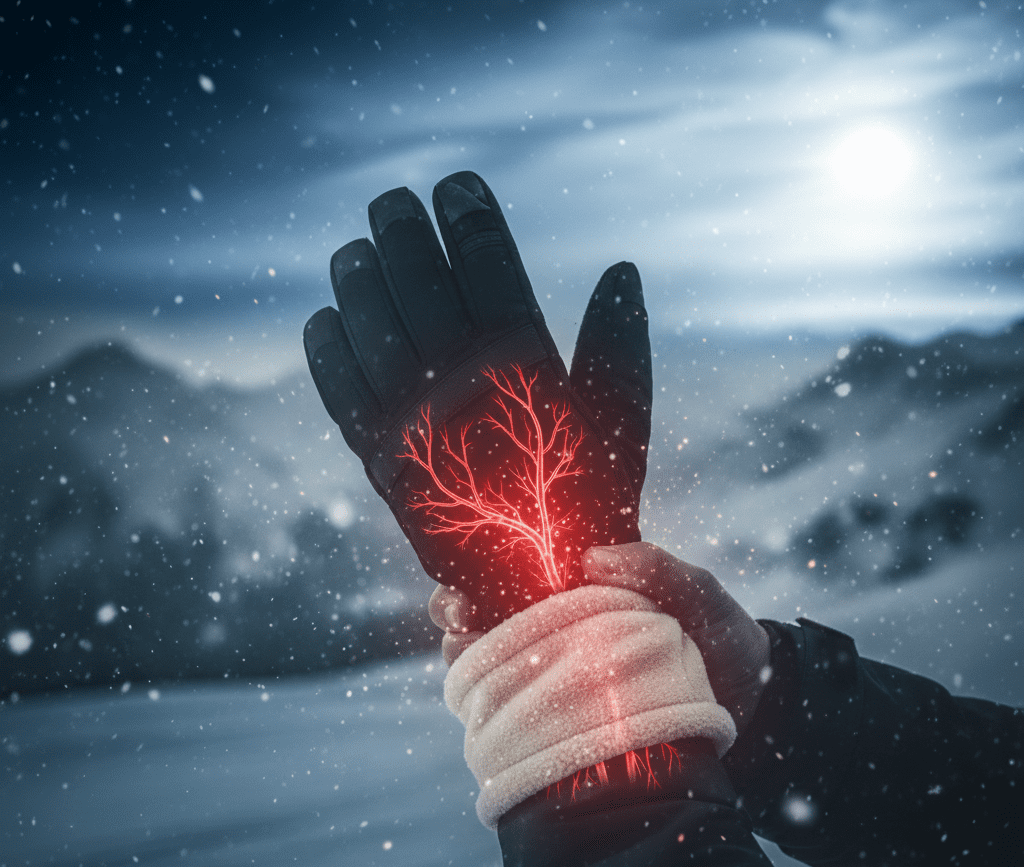
Why Adding Liners Can Make Circulation Worse
- Thick liners take up space inside gloves, leaving less room for blood flow
- Compressed insulation reduces warm air pockets around fingers
- Combined pressure from tight gloves + liners accelerates numbness
- Even high-quality insulation can’t compensate if blood can’t reach fingertips
This is a key example of why how tight ski gloves affect blood circulation is not just about the gloves themselves — it’s about how the system of gloves + liners interacts.
Proper Way to Use Glove Liners
- Choose thin, moisture-wicking liners for snug gloves
- Only add thicker liners if your gloves have enough extra space
- Always test circulation: fingers should move freely and feel warm after flexing
- Avoid layering multiple bulky liners that overfill the glove
Pro Tip: If your fingers go numb within minutes, remove liners or switch to thinner ones. This small adjustment alone can restore blood flow and warmth without changing your gloves.
7. Moisture Buildup Makes Tight Gloves Even Tighter
One sneaky reason how tight ski gloves affect blood circulation gets worse is moisture. Sweat from intense skiing or snow melting into your gloves makes the material compress against your skin. Wet gloves feel tighter, squeezing arteries even more, and slowing blood flow. This combination of tight gloves plus damp insulation often leaves fingers tingling or numb — a perfect example of why your ski gloves feel tight even when they seemed fine in the morning.
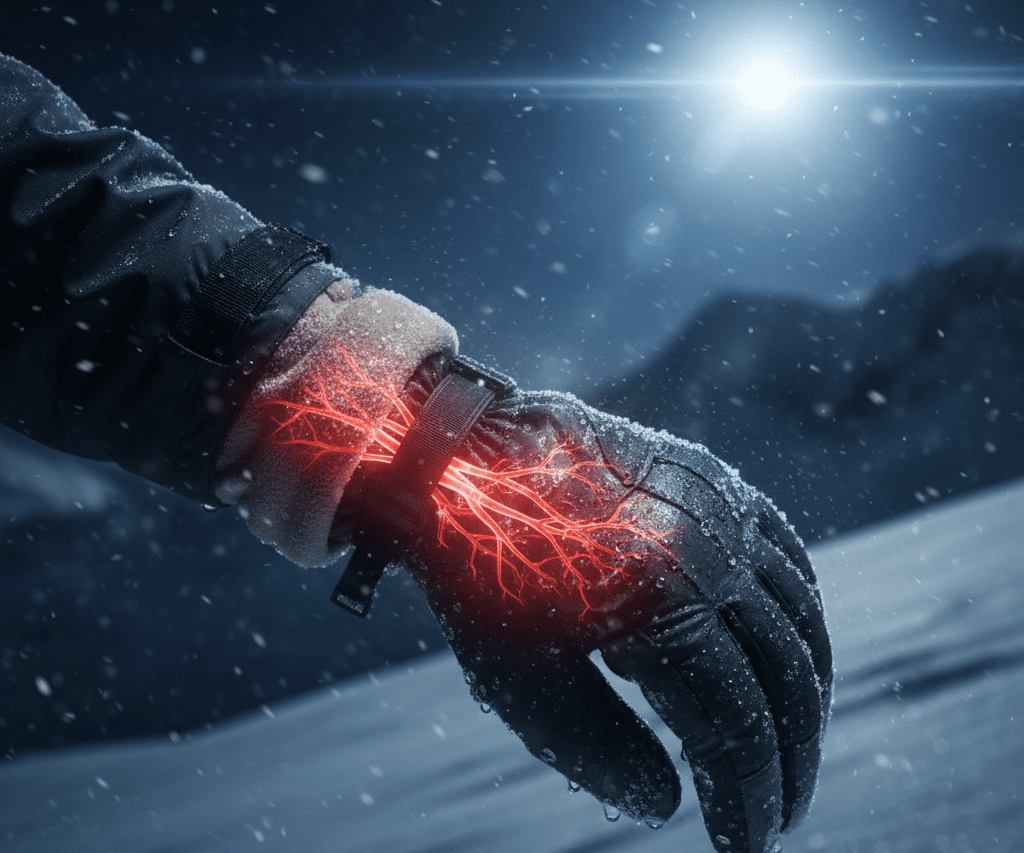
Why Wet Gloves Worsen Circulation Problems
- Sweat and snow soak insulation, making gloves shrink slightly
- Gore-Tex or other waterproof membranes can trap moisture inside if gloves aren’t ventilated
- Compressed air pockets reduce warmth, accelerating cold fingers
- Blood flow decreases faster when gloves are damp and tight
How to Combat Moisture While Maintaining Circulation
- Remove gloves briefly during breaks to let them dry
- Use moisture-wicking liners to absorb sweat before it reaches the outer glove
- Avoid over-tightening straps or cuffs when gloves are wet
- Reapply waterproofing like Gore-Tex treatments to prevent snow from seeping in
Keeping gloves dry is as important as proper fit. Even the best insulated Gore-Tex gloves can compromise circulation if moisture builds up. Managing sweat and snow ensures how tight ski gloves affect blood circulation is minimized, letting your fingers stay warm and mobile throughout the day.
How to Choose the Right Ski Glove Size
Choosing the correct glove size is one of the most important ways to prevent how tight ski gloves affect blood circulation. Gloves that are too small compress fingers, reduce warmth, and can lead to numbness, while gloves that are too large make it hard to grip poles and trap cold air. Here’s a step-by-step guide to get the perfect fit.
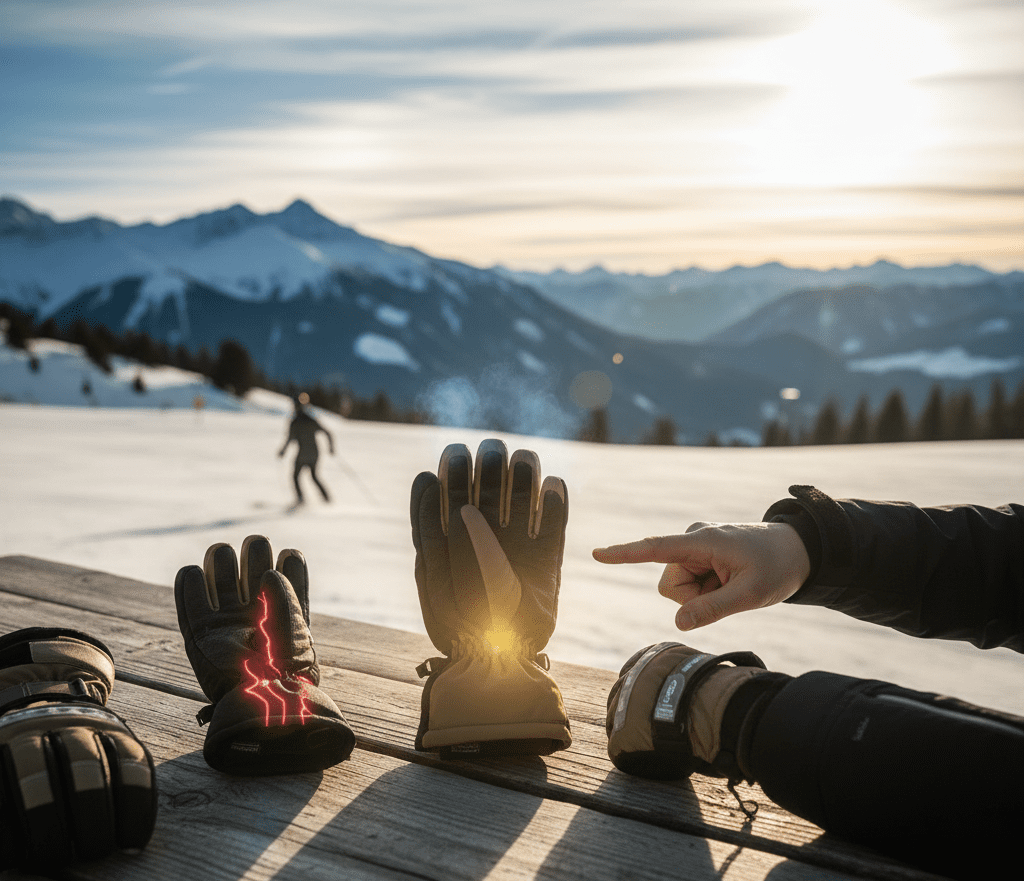
1. Measure Your Hand Accurately
Start by measuring your dominant hand with a soft measuring tape:
- Circumference: Measure around the widest part of your hand (just below the knuckles, excluding the thumb).
- Length: Measure from the tip of the middle finger to the base of your palm.
Use these measurements with a hand measurement chart from your glove brand to pick a starting size. Remember, different brands have slightly different sizing, so always check their charts. Proper sizing prevents issues like tight ski gloves circulation problems.
2. Check Space in the Fingertips
Even with the right size, your fingertips shouldn’t be jammed against the glove tips. A small gap — about 0.5–1 cm — is ideal:
- Allows natural finger movement
- Maintains warm air pockets inside the glove
- Prevents how tight ski gloves affect blood circulation from becoming a problem
Too little space increases compression; too much space reduces grip and warmth.
3. Fit Test: Pinch Test and Fist Test
- Pinch Test: Try pinching the glove material at your fingertips. If it’s extremely hard or skin feels squeezed → gloves are too tight.
- Fist Test: Make a full fist. You should be able to curl fingers comfortably without pressure. Stiffness indicates the glove is restricting circulation.
These tests help prevent numbness and demonstrate exactly how tight ski gloves affect blood circulation when gloves are worn incorrectly.
4. Check Circulation Safety
- Look for any pale, blue, or tingly fingertips — signs of restricted blood flow
- Shake your hands briefly inside gloves; fingers should warm up quickly
- Adjust wrist straps or choose a slightly larger size if circulation is compromised
By following these steps, you can ensure proper fit, maximize warmth, and reduce risks associated with how tight ski gloves affect blood circulation, keeping your hands safe and comfortable all day.
Quick Fixes if Ski Gloves Are Already Too Tight
If you’ve realized how tight ski gloves affect blood circulation, don’t panic — there are practical steps to restore comfort and warmth immediately. Even if your gloves are slightly too snug, these quick fixes help prevent numbness, tingling, and cold fingertips.
1. Loosen Straps and Cuffs
- Adjust wrist straps or Velcro closures to reduce pressure.
- Make sure cuffs aren’t digging into your wrist — tight cuffs worsen tight ski gloves circulation problems.
- Even small adjustments can instantly improve blood flow and comfort.
2. Remove Thick or Extra Liners
- Thick liners inside already tight gloves double compression.
- Swap heavy liners for thin, moisture-wicking options like Merino wool or silk.
- This reduces pressure and helps how tight ski gloves affect blood circulation naturally.
3. Warm-Up Techniques
- Shake your hands inside gloves to redistribute blood flow.
- Take short breaks and open gloves to let fingers stretch.
- Use hand warmers inside gloves for a quick heat boost.
- These techniques counteract the effects of how tight ski gloves affect blood circulation during runs.
4. Choose Glove Types with Better Flow
- Look for gloves with ergonomic finger spacing and soft, flexible materials.
- Consider gloves with Gore-Tex or breathable membranes that expand slightly with hand movement.
- Proper glove design helps prevent why your ski gloves feel tight and ensures circulation stays safe.
Pro Tip: Even minor tweaks like loosening straps or swapping liners can save your hands from numbness and improve warmth on the slopes without buying a new pair.
Common Mistakes Skiers Make That Reduce Circulation
Even experienced skiers sometimes overlook simple habits that worsen how tight ski gloves affect blood circulation. Small errors on the slopes can make your fingers go numb faster, reduce warmth, and increase discomfort. Recognizing these mistakes helps prevent problems before they start.
1. Wearing Gloves Too Early
- Putting gloves on before your hands have warmed up traps cold blood in your fingers.
- This intensifies how tight ski gloves affect blood circulation, especially if gloves are snug from the start.
- Always let your hands warm naturally or do light stretches before strapping on tight gloves.
2. Choosing the Wrong Size
- Gloves that are too small compress blood vessels and limit circulation.
- Poor sizing is a major reason for tight ski gloves circulation problems and numb fingers in ski gloves.
- Using proper sizing techniques ensures you avoid unnecessary compression.
3. Not Replacing Compressed Insulation
- Over time, insulation loses loft, and gloves fit tighter even if the size hasn’t changed.
- This is a hidden reason why how tight ski gloves affect blood circulation gets worse over seasons.
- Check gloves regularly — if padding feels flat, it’s time for replacement or refluffing.
4. Ignoring Moisture Buildup
- Sweat, snow, and condensation shrink materials like leather and Gore-Tex slightly, making snug gloves even tighter.
- Moist gloves exacerbate how tight ski gloves affect blood circulation, reduce warmth, and increase discomfort.
- Dry gloves thoroughly and use moisture-wicking liners to prevent this problem.
Pro Tip: Avoiding these common mistakes goes a long way toward keeping fingers warm, circulation steady, and gloves performing well, even on the coldest ski days.
Tight vs Properly Fitted Ski Gloves
| Feature | Tight Ski Gloves | Properly Fitted Ski Gloves |
| Comfort | Fingers feel squeezed; hand fatigue sets in quickly | Hands move naturally; minimal pressure on knuckles |
| Warmth | Traps less heat due to poor blood flow; cold fingertips | Insulation works effectively; warmth evenly distributed |
| Circulation | Reduced blood flow; increased risk of numbness and tingling | Optimal blood flow; fingers stay warm longer |
| Movement | Cramped, awkward hand positions; hard to grip poles | Free finger movement; easy grip and control |
| Safety | Higher risk of frostbite and slower reaction times | Safer skiing; quicker reflexes; reduced frostbite risk |
This table clearly shows why tight ski gloves affect blood circulation and why proper sizing prevents numb fingers in ski gloves, circulation problems, and poor skiing comfort.
FAQ – How Tight Ski Gloves Affect Blood Circulation?
If you’re still unsure why tight ski gloves affect blood circulation, these quick answers will clear up the most common questions skiers ask.
Why do my ski gloves make my fingers numb?
Your fingers go numb when tight ski gloves compress blood vessels, limiting blood flow and oxygen supply. Even high-quality Gore-Tex gloves can cause numbness if the fit is too tight. Over time, reduced circulation makes fingers cold faster, which is why many skiers ask why their ski gloves feel tight or uncomfortable. Wearing properly fitted gloves ensures insulation works efficiently and prevents tingling or numb fingers in ski gloves.
Should ski gloves feel tight or loose?
Ski gloves should fit snugly but never constrict. Gloves that are too tight restrict arteries and reduce blood flow, directly showing how tight ski gloves affect blood circulation. Loose gloves, on the other hand, trap cold air and reduce grip. The goal is a balance: a glove that allows finger movement while maintaining warmth and comfort. Understanding why your ski gloves feel tight can help you choose the right size.
Can tight gloves cut off circulation while skiing?
Absolutely. How tight ski gloves affect blood circulation is significant — tight gloves compress the hand, especially around knuckles and wrists, causing poor circulation while skiing. Symptoms include numbness, tingling, and cold fingertips. Even gloves labeled insulated or premium can cut off circulation if they’re too small or layered with thick liners. Adjusting fit and loosening straps prevents circulation problems and keeps hands warm.
How do I know if my gloves are too small?
Signs your gloves are too small include:
- Fingertips touching the glove ends constantly
- Difficulty forming a fist or gripping poles
- Tingling or numbness after a few minutes
- Gloves cutting off circulation even when warm
A quick test: do the “pinch test” or “fist test” to ensure there’s slight fingertip space. This prevents poor blood flow and explains why your ski gloves feel tight in the first place.
Do mittens improve blood circulation?
Yes. Mittens group fingers together, which increases warmth and encourages better blood flow compared to tightly fitted gloves. For those struggling with tight ski gloves circulation problems, switching to mittens or using mittens with liners can reduce numbness and frostbite risk. However, mittens may reduce dexterity, so they’re best for very cold or windy conditions.
Final Advice
Tight ski gloves can silently sabotage your circulation, warmth, and overall skiing experience. From compressed blood vessels to moisture buildup, each factor adds up, making fingers numb and cold faster. The key takeaway? Proper glove sizing isn’t just about comfort — it’s essential for safety, warmth, and performance on the slopes.
Always choose gloves that allow slight fingertip space, check wrist straps, and layer liners thoughtfully. Remember, even premium gloves can fail if they’re too tight. By understanding how tight ski gloves affect blood circulation, you can prevent numb fingers, reduce frostbite risk, and enjoy longer, more comfortable runs.
Take action today: Measure your hands, try on gloves with proper space, and adjust straps before your next ski trip. Warm hands equal better skiing — don’t compromise circulation for style or brand. Protect your fingers and hit the slopes with confidence! Check out latest posts.